* ESC - close the search window
André Malraux Literary Prize
Ukrainian political scientist and combat medic wins the André Malraux Literary Prize
11.11.2025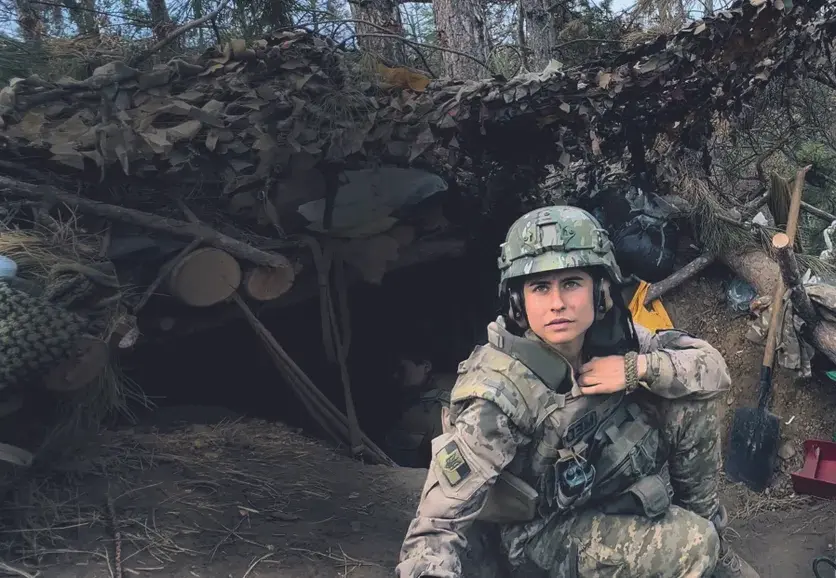
Anastasiia Fomichova, a Ukrainian writer, political scientist, and former combat medic of the paramedic battalion “Hospitallers,” has become one of the winners of the André Malraux Literary Prize.
Fomichova was recognized for her book “Volia: Engagée volontaire dans la résistance ukrainienne” (“Volia: A Volunteer in the Ukrainian Resistance”), which won the category “Socially Conscious Fiction.”
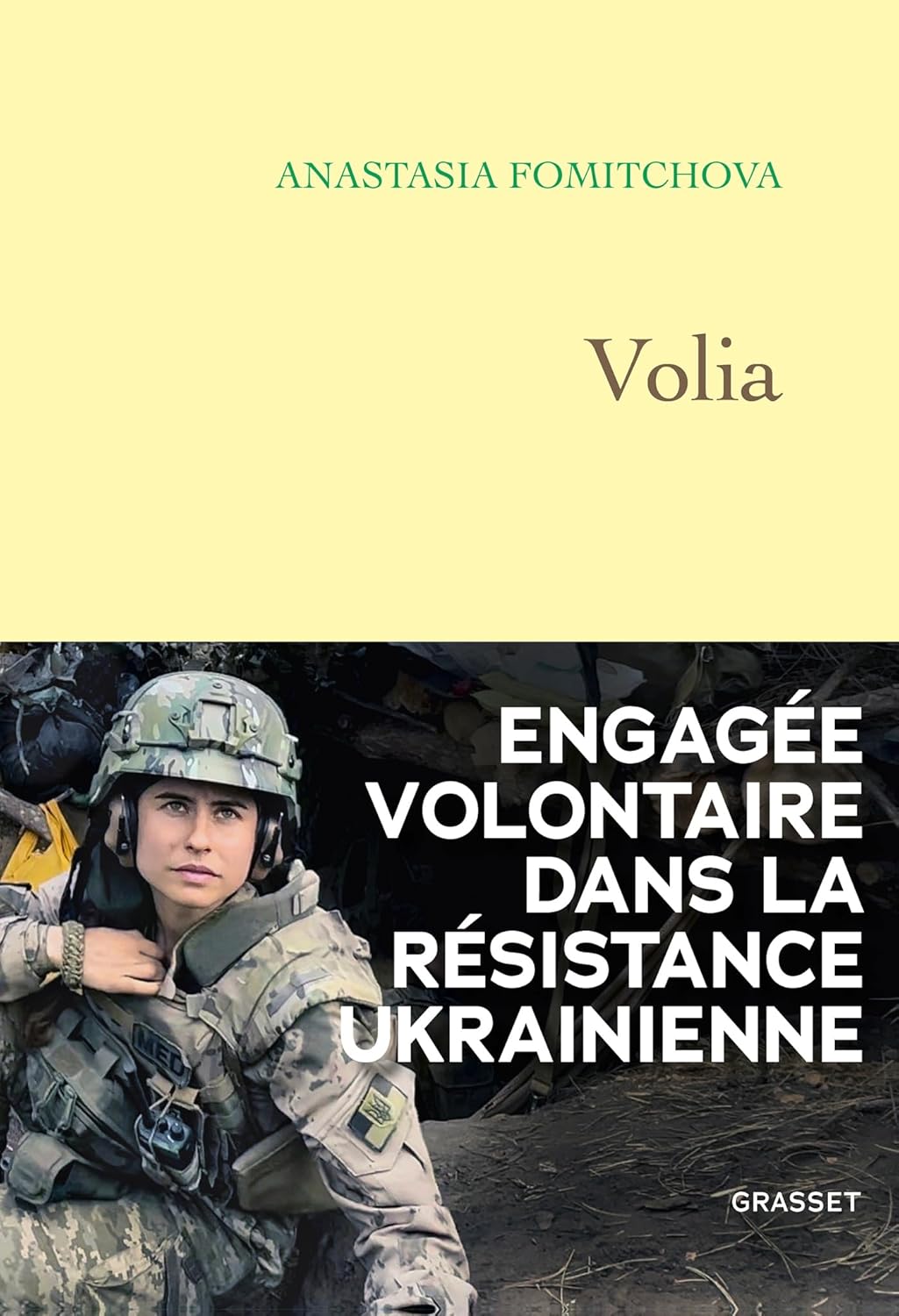
“‘Volia’ is a Ukrainian word with no equivalent in French, but it can be translated as both ‘will’ and ‘freedom.’ This word embodies the determination of an entire people and serves as the guiding thread of the story that Anastasiia Fomichova tells us here.
It is not only an account of the Ukrainian resistance but also a historical journey into the roots of a conflict that has lasted for over a century. Through her personal and family history emerges the violent legacy of the USSR: the Holodomor — the great famine organized by Stalin that killed millions of Ukrainians — the mechanisms of the Soviet nomenklatura to which Anastasiia’s grandfather belonged, and, of course, the Chernobyl disaster, which forced her mother to move to France in the 1990s.
This is a moving and harrowing story, sounding like a tribute to those who sacrificed themselves so that Europe could remain free,” reads the book’s annotation.
The winner in the category “Essay on Art” is “Dare the Nude” (“Oser le nu”) by Camille Morineau (Flammarion), and the Special Jury Prize goes to “Musicians and Power in France: From Lully to Boulez” (“Les musiciens et le pouvoir en France: De Lully à Boulez”) by Maryvonne de Saint Pulgent (Gallimard).
The André Malraux Prize is awarded annually to a work of fiction dedicated to the human condition, written or translated into French, as well as to an essay on art published during the year or in the process of publication.
The laureates receive a monetary prize of €1,933, a symbolic reference to the year 1933, when André Malraux won the Prix Goncourt for his novel “La Condition humaine” (“Man’s Fate,” Gallimard). The special jury distinction carries no monetary reward.
“The creation of the André Malraux Literary Prize is a way to honor the memory of this outstanding writer, whose work continues to be a source of light, insight, and civic engagement. Through the figure of André Malraux, we celebrate the values of commitment and artistic creation that affirm the meaning of the human condition,” noted the jury.
Born in Kyiv and raised in France, Fomichova’s research and publications mostly focus on the relationship between war, non-state actors, oligarchs, corruption, and the institutional transformation of the Ukrainian state.
In 2017, she joined the “Hospitallers” battalion — a volunteer organization that evacuates the wounded from the frontlines in Ukraine. With the start of the full-scale Russian invasion, she suspended her doctoral studies and returned to Ukraine to take part in the country’s defense.
“I am deeply honored to announce that ‘Volia’ has received the André Malraux Prize, awarded each year to works dedicated to the human condition written in French,” Fomichova wrote on her LinkedIn page.
The book was published in September 2025 by the French publishing house Grasset, founded in 1907.
RELATED: Andriy Kurkov’s novel received the Prix Médicis in France
Copy editing: Terra Friedman King
Читомо» — це медіа про книжки й літературу, що підтримувало українське книговидання задовго до того, як це стало трендом. Ставайте частиною історії — доєднуйтеся до Клубу Читомо!
the more you read, the greater the possibilities