* ESC - close the search window
Chapter ukraine
Six essential books on Holodomor worth translation
21.11.2025

You see an error in the text - select the fragment and press Ctrl + Enter
The 1932-1933 Holodomor is undoubtedly one of the most traumatic events in Ukrainian history. On Holodomor Remembrance Day this year, we have chosen our favorite books on the subject. Some books on our list have already been translated, while others have not. Our editorial team is currently pitching the translation of those titles to publishers.
The first works that come to mind are those written by émigré authors: Ulas Samchuk’s “Maria: khronika odnoho zhyttia” (Maria: a Chronicle of a Life), Vasyl Barka’s “Zhovtyi kniaz” (The Yellow Prince), and, finally, Anatoliy Dimarov’s “I budut liudy” (And There Will Be People), which, when first published, was highly distorted due to censorship. Most Ukrainians read these works in school and felt an existential shock from them in their teenage years. Yet outside of Ukraine, these parts of history — the crimes of Russian totalitarianism — haven’t developed a wide readership.
In the Soviet era, talking about Holodomor was taboo. After Ukraine’s independence, it took writers a decade to sift through thousands of eyewitness accounts and build up the creative confidence to write about the Holodomor.
In recent years, Ukrainian literature has gained significant traction on this topic. Not all of the titles listed below concentrate on the events of 1932–1933. In some, these events appear only as a small detail within a much wider narrative.
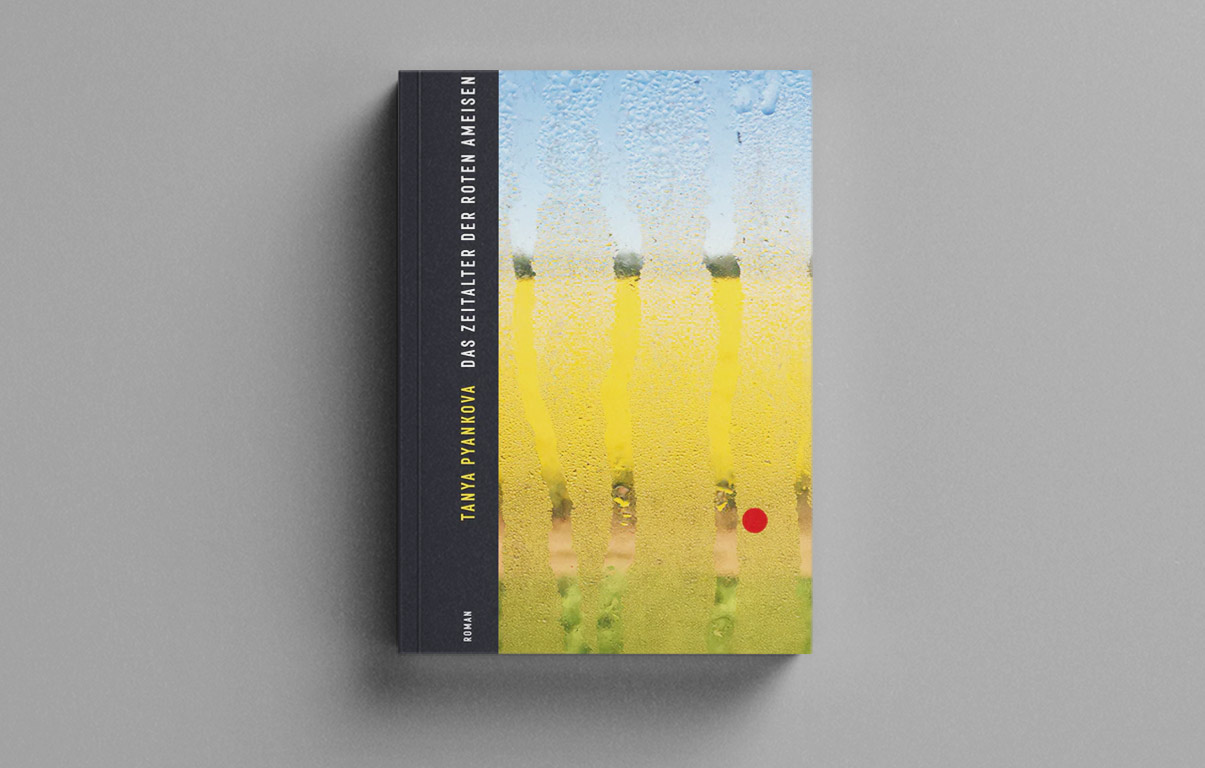
“The Age of the Red Ants” by Tanya Pyankova
Nash Format, 2022 (the book was translated into Polish, Czech, German, Lithuanian, and now also being translated into Slovak)
“I still believe that starving to death is worse than being killed by an axe. One blow with an axe and that’s it… But hunger kills slowly, it tortures you before death…”
This novel by Ukrainian author Tetyana Pyankova is composed of fragments. These fragments dance around the reader until the last page, mixing horror, physiological disgust, and anger. Even the slightly life-affirming ending does not diminish the rage for every person who was starved to death, every violated soul, every silenced infant’s cry. Still, a certain curiosity drives you to read it to the very end.
There is a severe famine in Machukhy. The family of Yavdokha (Dusia) is struggling to avoid a painful death. The girl’s father has been taken away, and her mother, Hanna, goes to the collective farm hoping to bring back at least something. Yavdokha noticed her legs had swollen and were filled with fluid. Death from starvation is drawing ever closer to the village.
At the same time, Solya, the wife of party member Oleksiy Ivanovych, who calls herself a “disgusting big caterpillar,” is forced to treat her obesity with intermittent fasting. She has long been coping with the loss of her child, along with her husband’s indifference and revulsion. She exists unaware of what is happening around her. Solya’s legs are swollen too and hardly fit into her slippers, but not because of hunger.
Svyryd, a local government official, is a lost, misshapen soul. Who is he? A red ant? A murderer, a traitor whose conscience awakens for a moment when he hears the cries of newborns? Is he obsessed with the party or with his love for Hanna?
Three narrators. Three storylines. And in the end, these circling fates converge, but each character meets their own ending.
Pyankova’s book is not just about the past. It is a guide to the future.
The novel was awarded the 2021 Coronation of the Word prize.
RELATED: A memorial plaque to Gareth Jones, who told the world about the Holodomor, has been opened in Kyiv
“The Cracked Sky” by Svitlana Talan
“Book Club “Family Leisure Club,” 2014 (the book has not been translated so far)
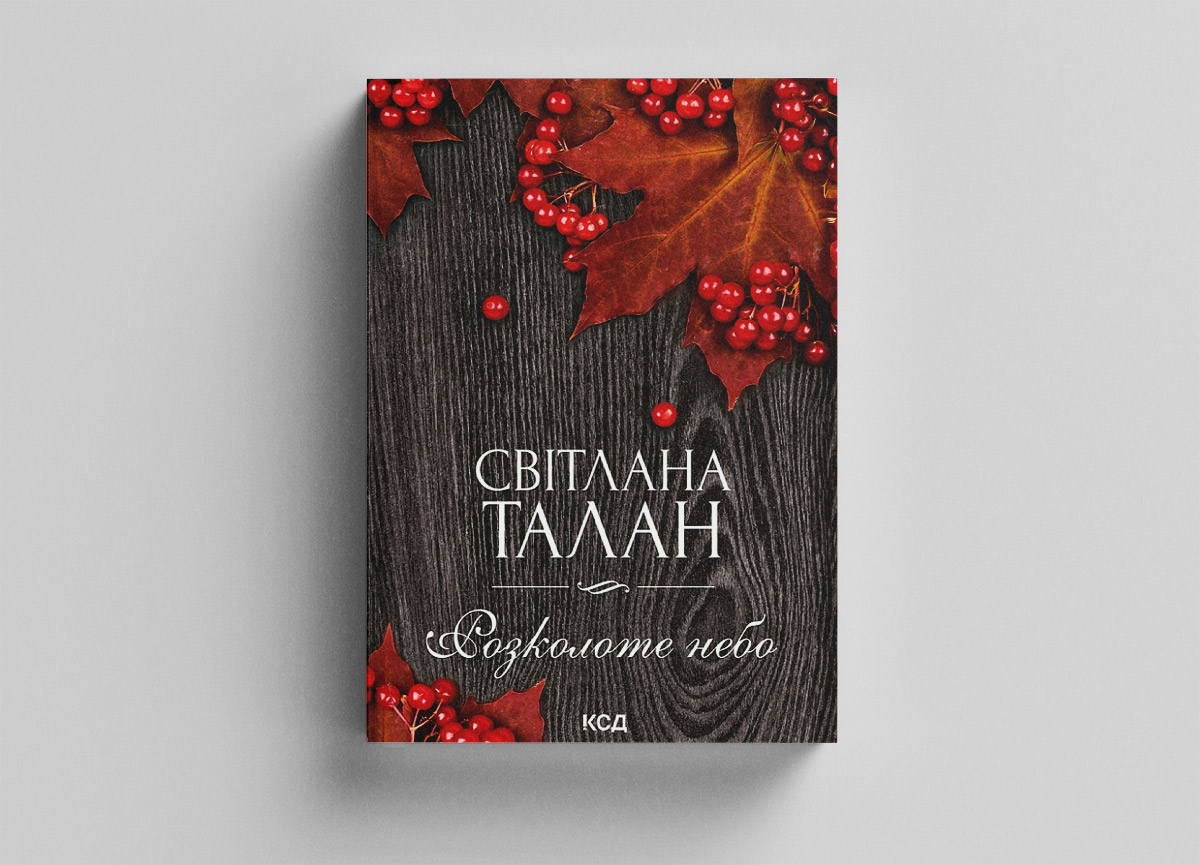
This novel is not only about Holodomor. It is about Luhansk oblast — Ukrainian-speaking, vibrant — yet destroyed, starved, and Russified by the Soviets.
The events unfold in Pidkopayivka village in the late 1920s and early 1930s. A wealthy Chornozhukiv family is at the heart of the story. They are typical Ukrainian peasants who work tirelessly, holding deep respect for the land and for God. This family, like all of Ukraine, was forced to live through horrific turmoil: betrayal by those they relied on, the loss of loved ones, isolation, and a searing hunger that blurs reason and pushes people toward the darkest actions.
The novel begins pastorally, as if trouble and grief will never come. Girls giggle and boys throw enchanted gazes their way in church. Cattle graze; freshly baked bread steams on the table. Everything is perfect and peaceful. Yet as time passes, tragedy begins to unfold with increasing rapidity. Talan’s book features realistic, detailed descriptions and rich dialogues.
The novel received a special “Publisher’s Choice” award at the 2014 Coronation of the Word prize.
“The Black Board” by Natalka Dolyak
“Book Club “Family Leisure Club,” 2021 (the book has not been translated so far)

“No revenge on the past”
The realization that stories about Holodomor are not fiction, but actual historical events, is heartbreaking. Its reality cannot be embellished, but it can and must be conveyed to those who will preserve it and pass it on.
In Dolyak’s novel, the passing down of memory and truth acts like a refrain. Les Ternovyi makes the right choice about whom to pass on what he saw with his own eyes. He couldn’t share it with his sons. They wouldn’t believe him anyway. “What does Holodomor mean? Nobody starved anyone.” His three sons are party members, but his granddaughter, Lida, is different. She will record and preserve the story, and eventually pass it on to her son Sashko.
Sashko was barely 16 years old when he found out what his great-grandfather went through. One day, his mom handed him a handmade book. Since then, Sashko has been having nightmares. He wrote his dreams down just in case. Sooner or later, thanks to him, a lot of people will find out the truth.
This novel, just like the two previous, received the special “Publisher’s Choice” award in the framework of the Coronation of the Word prize.
RELATED: Inclusive Ukrainian children’s book on Holodomor published in Hungary with Braille and audio edition
“Dzvinka: A Ukrainian born in the USSR” by Nina Kuryata
Laboratoria, 2023 (the book has not been translated so far)
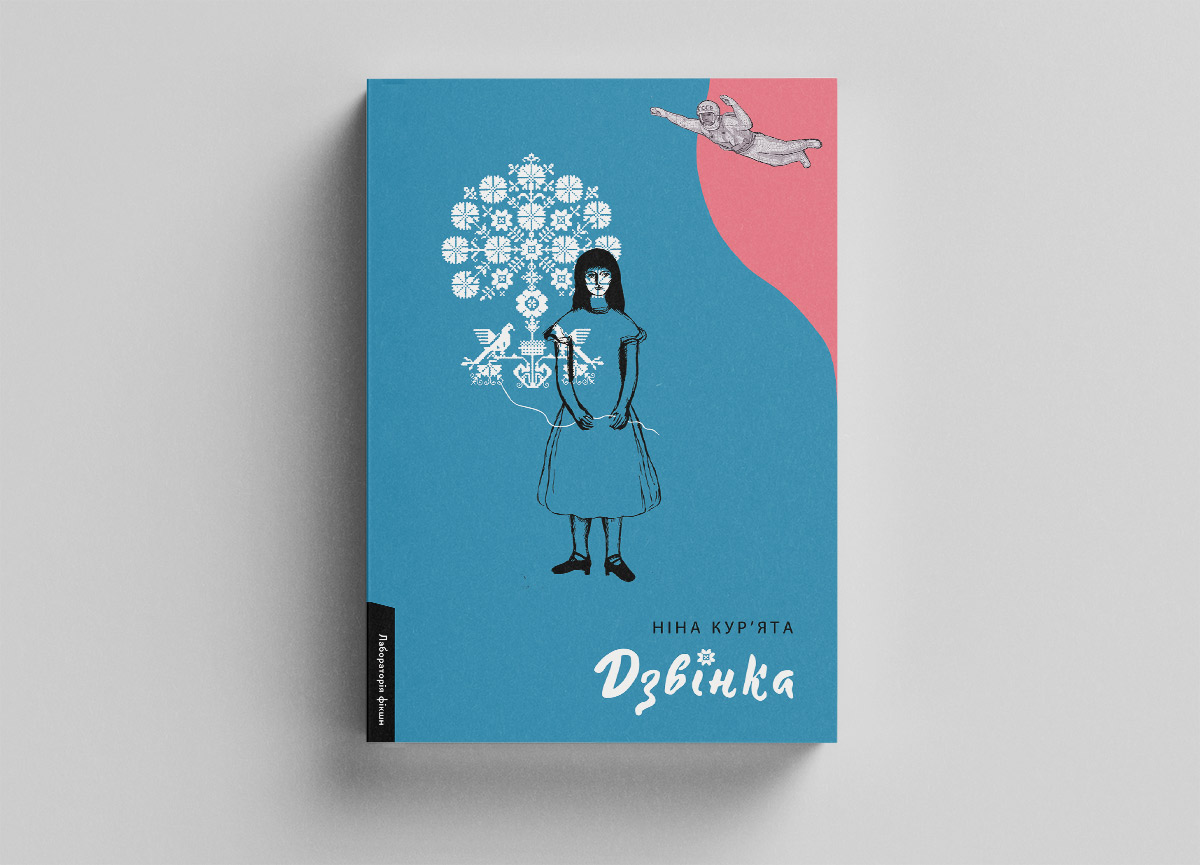
“Dzvinka: A Ukrainian born in the USSR” is the debut novel of journalist Nina Kuryata. She herself serves as a prototype of the protagonist.
The childhood of a girl named Dzvinka — a name that sounded unusual to those around her — took place in the USSR. Among the cardboard decorations of the “great country,” which stands in opposition to the “decaying West,” there is everything… except the truth. At school and on television, Dzvinka hears about the successes of the Soviet Union and a bright future ahead, but at home, she hears about Holodomor.
“Dzvinka, you don’t know what starving to death is. God forbid you ever find out. We ate pigweed and nettles. There was no bread, people were dying… ”
Dzvinka experiences everything: Russification, the distortion of her own values instilled in her by her family and some teachers, language discrimination, and a constant struggle against stereotypes, because “how can you speak Ukrainian if you’re from Odesa?”
Her coming of age flies by in a whirlwind of historical events and Ukrainian locations: the Brezhnev era, then Perestroika and “Stand in line.” “I am the last letter of the alphabet!” came next, as Odesa was assimilated into Russified reality. In Ukrainian, “I” is the last letter of the alphabet, written as “Ya.” Its alphabetical placement is symbolic as USSR society prioritized all things “we,” deliberately denying all things “I.” At the time, thinking of and for oneself was the last thing anyone should do.
Finally, Ukraine gains Independence and Kyiv, where the heroine finds her dream job in journalism. She experiences love, travel, a return to herself, and later, Euromaidan and war…
Did time and circumstances fail to break Dzvynka’s Ukrainian identity? The answer lies in her family and upbringing. The truth is often conveyed not through propaganda, but quietly, somewhere when it suddenly gets dark during rolling blackouts.
“Dom’s Dream Kingdom” by Victoria Amelina
The Old Lion Publishing House, 2017 (the book has been translated into Polish)
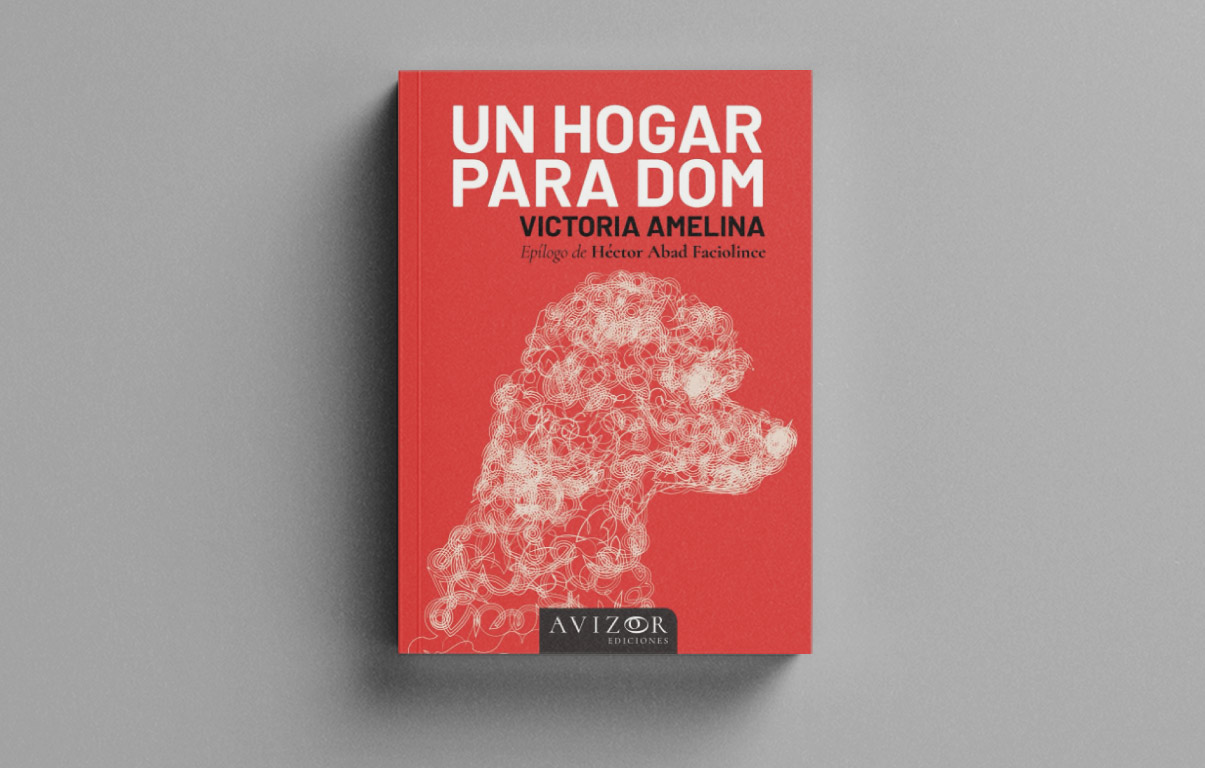
At first glance, this is the story of a funny poodle with a brown-yellow ear named Dominic. Everyone calls him Dom. At the same time, it is the story of thousands of memories, countless steps, innumerable lives, and shared traumas that the good dog senses with his nose — even “pieces of bread that all of us who survived never threw away… “ and he shares it all with the readers.
The characters in the novel are not heroes; they are ordinary people. The Tsilyk family is made up of regular folk — big and kind grandma, mysterious colonel, alcoholic Tamara, and enterprising mother Olya.
Then there are Masha and Marusya — two cousins with the same name who develop opposing identities. Their differences are aptly and obviously emphasized by the spelling of their names and, ultimately, their fates. Masha, claiming the Russian variant of the name, misses the Germany she had to leave because “the wall fell.” In the end, she searches for herself in the capital. In which one — Kyiv or Moscow? At some point, it is unclear which country Masha has chosen… but we can guess. Meanwhile, blind and stubborn Marusya knows exactly who she is and what she wants. Most of all, of course, she wants to open the old chest containing her family’s secrets.
The dead reveal much about the living.
At the beginning of the story, the owner gives Dom away. It’s the 1990s and so many people are without food. Plus there is no dog food. But the poodle doesn’t understand this, and most of all, Dom doesn’t know if his owner will ever return. So his days pass in anticipation: Lviv, winter, spring, people, smells, searches, fates, escape, uncertainty, the Orange Revolution, return, and the slow realization of who really loves him.
Amelina did not write directly about Holodomor and repression, but it’s not necessary because the reader understands everything anyway.
English translation to be released in Feb. 2026.
“My Grandfather Danced Better Than Anyone” by Kateryna Babkina
Komora, 2019 (the book has not been translated so far)
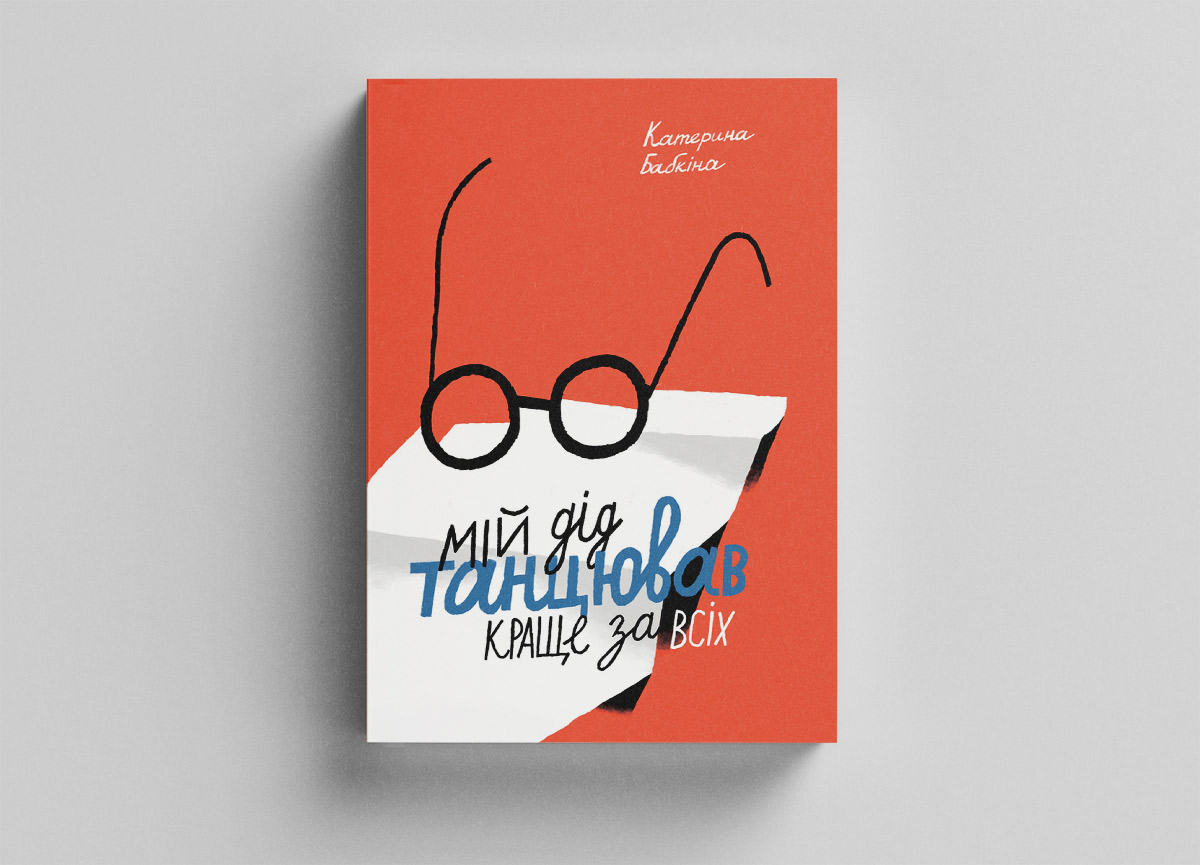
A spectrum of destinies flashes against the transparent backdrop of 20th-century Ukrainian history: the Holodomor, repression, World War II, the 1990s with its crises and emigration, and the Russian-Ukrainian war. Who is connected to whom? The answer is both simple and complex: We are bound together by the collective traumas of a single nation.
It was not Babkina’s intention to immerse the reader in historical events, describe all the details, and provide definitive answers to crucial questions. The author leaves the reader the opportunity to discover the history of an entire country through the personal stories of Ukrainians. To ultimately understand that what does not kill us — just like what kills us — ultimately stimulates us to move forward.
This novel received the 2021 Angelus Central European Literary Award.
RELATED: Ukraine’s Holodomor Museum is urging for the revocation of Walter Duranty’s Pulitzer Prize
The publication is a part of the “Chytomo Picks” project. The materials have been prepared with the assistance of the Ukrainian Book Institute at the expense of the state budget. The author’s opinion may not coincide with the official position of the Ukrainian Book Institute.
Authors: Valentyna Vzdulska, Alina Karban
Translation: Iryna Savyuk
Line and copy editing: Terra Friedman King
This publication is sponsored by the Chytomo’s Patreon community
the more you read, the greater the possibilities