* ESC - close the search window
Chapter ukraine
Seven must-read books of Ukrainian literature in German
20.11.2025
You see an error in the text - select the fragment and press Ctrl + Enter
When I visited the new and beautiful Chapter Ukraine website to create my curated list of Ukrainian books translated into German, I already had a few names in mind, though not the full seven I needed. Once the list was complete, I wondered if my mood had influenced it. After the Frankfurt Book Fair and on the eve of Buch Wien in Vienna, I kept thinking about which books to use to talk about Ukraine with the rest of Europe — how to convey our history and explain our present day.
“By the Sea” / “Am Meer” by Lesia Ukrayinka
Wallstein Verlag, 2025
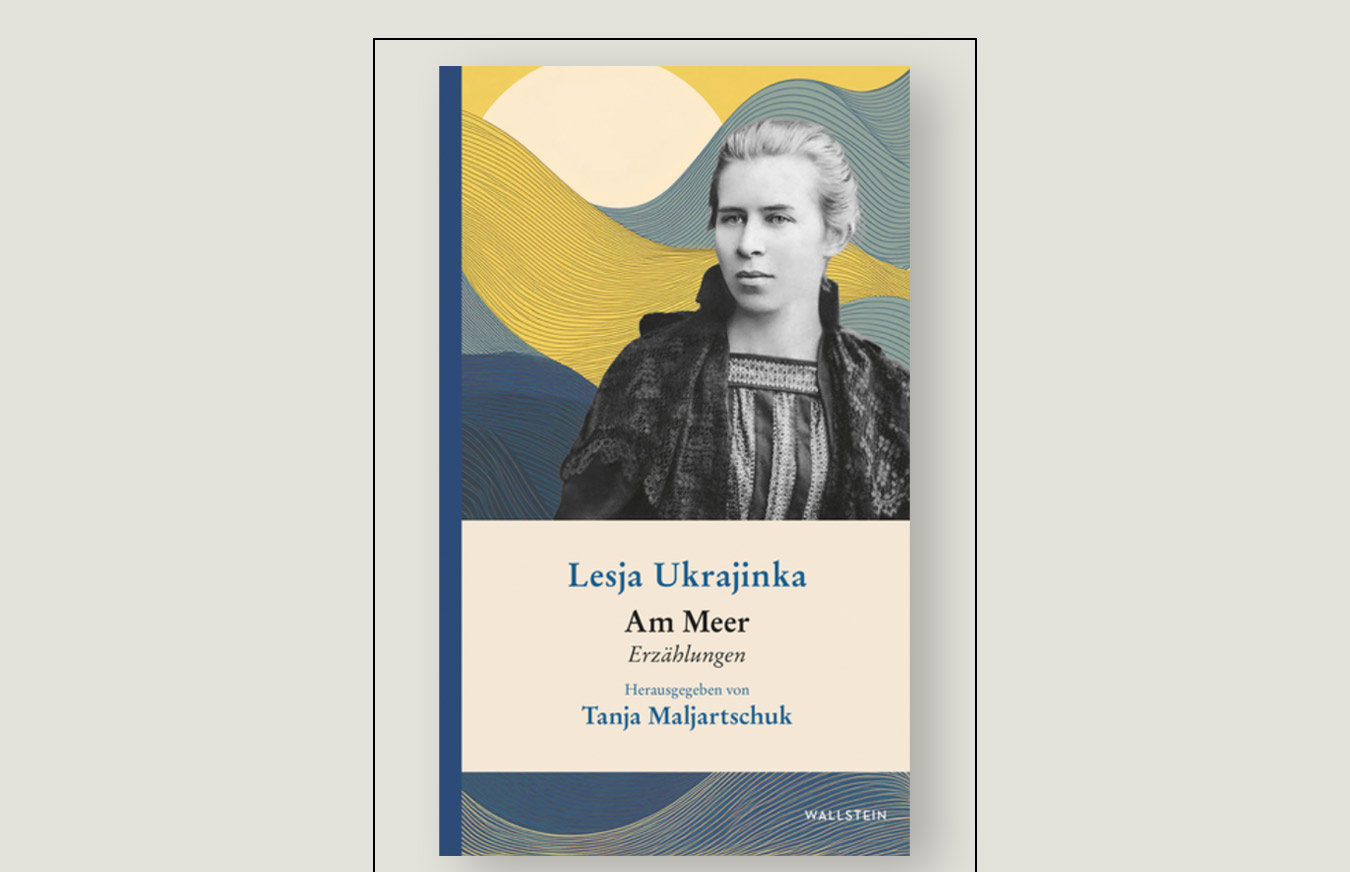
Ukrainian author Tanja Maljartschuk and German translator Claudia Dathe, who announced the eight-volume project “Ukrainische Bibliothek” (Ukrainian Library) at Wallstein Verlag, have created an impressive and beautifully crafted series, bringing Ukrainian classics to life for readers at home and abroad through fresh translations. Ukrayinka, an intellectual whose stature extended across Europe and a woman of the turn of the century, unquestionably deserves a place in the translation canon — not only for her dramas, but also, as far as I know, for her prose works compiled in “Am Meer” (translated by Maria Weissenböck), and is now available in German for the first time.
RELATED: ‘Whoever liberates themselves, shall be free’. Lesia Ukrayinka’s life and legacy
“Fly, My Song, My Wild Torment” / “Flieg mein Leid, meine wilde Qual”, a selection of poems and diary entries by Taras Schewtschenko
Wallstein Verlag, 2025
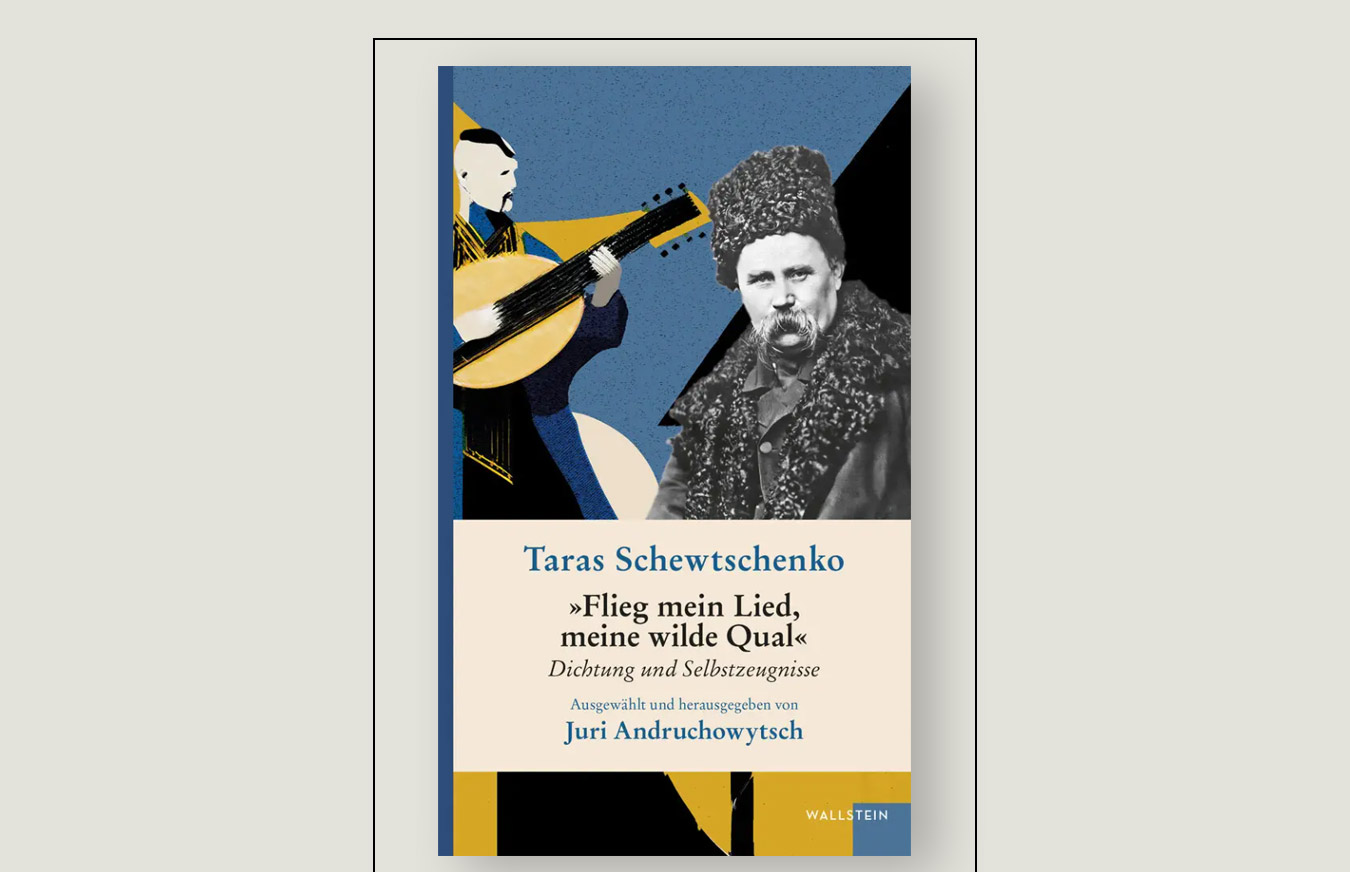
Naturally, no Ukrainian literary canon would be complete without Shevchenko, and the Western canon should also look to him as a crucial founding figure of Ukrainian literature — literature that existed long before Ukraine’s independence and helped shape the image of an independent and distinctive Ukraine in the minds of its readers. They may now read this book in German, translated by Beatrix Kersten.
“The Age of the Red Ants” / “Das Zeitalter der roten Ameisen” by Tanya Pyankova
Ecco Verlag, 2022
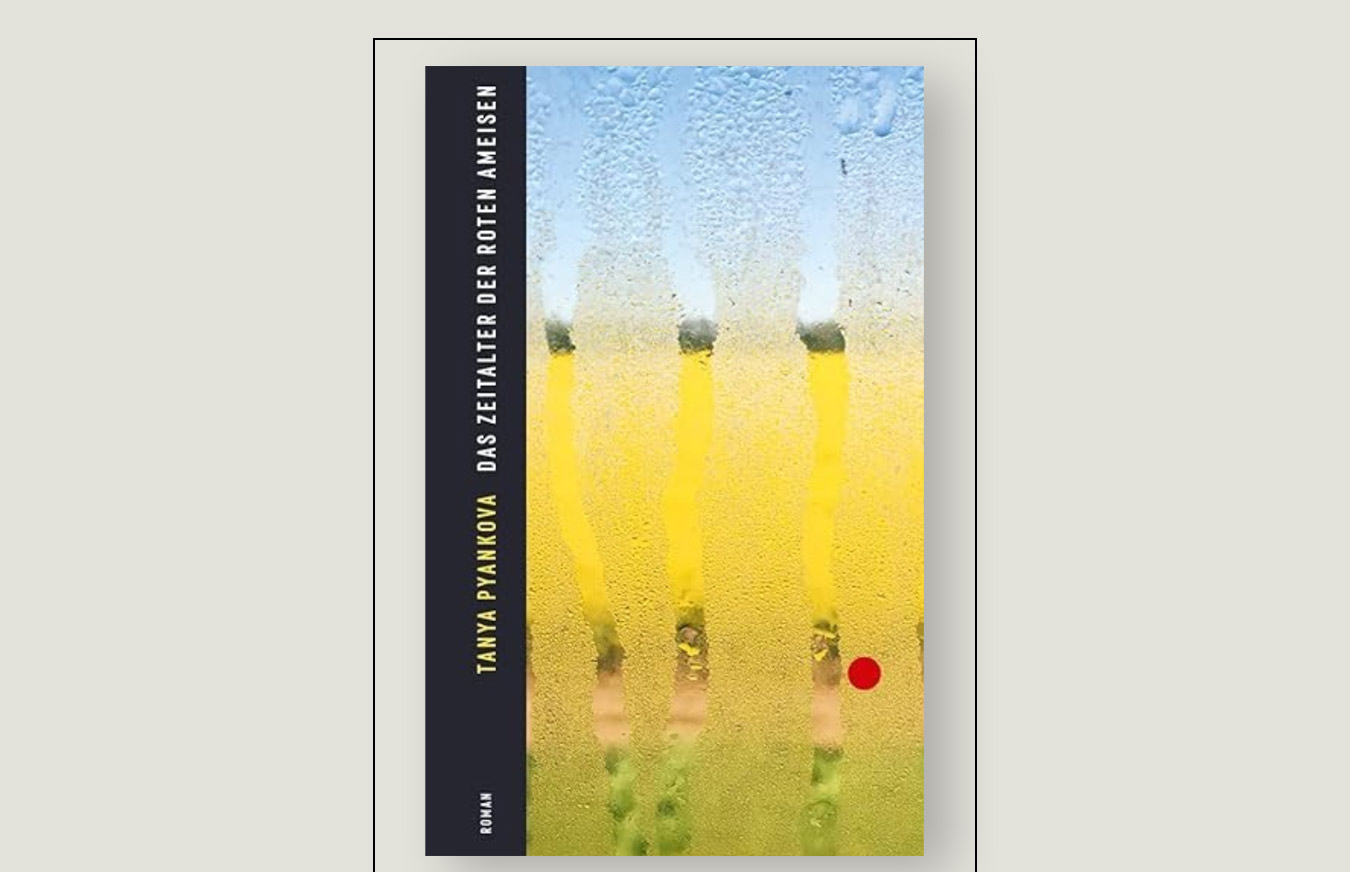
Tanya Pyanova’s remarkable novel, based on archival sources, recounts Ukraine’s difficult journey to independence despite severe repression, including Holodomor, the man-made famine in Ukraine that was deliberately organized by the “red ants” of the communist regime. This is a painful but necessary field study. For Ukraine’s readers, to speak about our experience; and for international audiences, to learn the true cost of freedom and gain a deeper appreciation of our resilience in the ongoing war, where famine has once again become a tool of terror. Translated from Ukrainian into German by Beatrix Kersten.
RELATED: Inclusive Ukrainian children’s book on Holodomor published in Hungary with Braille and audio edition
“The Museum of Abandoned Secrets” / “Museum der vergessenen Geheimnisse” by Oksana Sabuschko
Droschl Verlag, 2010
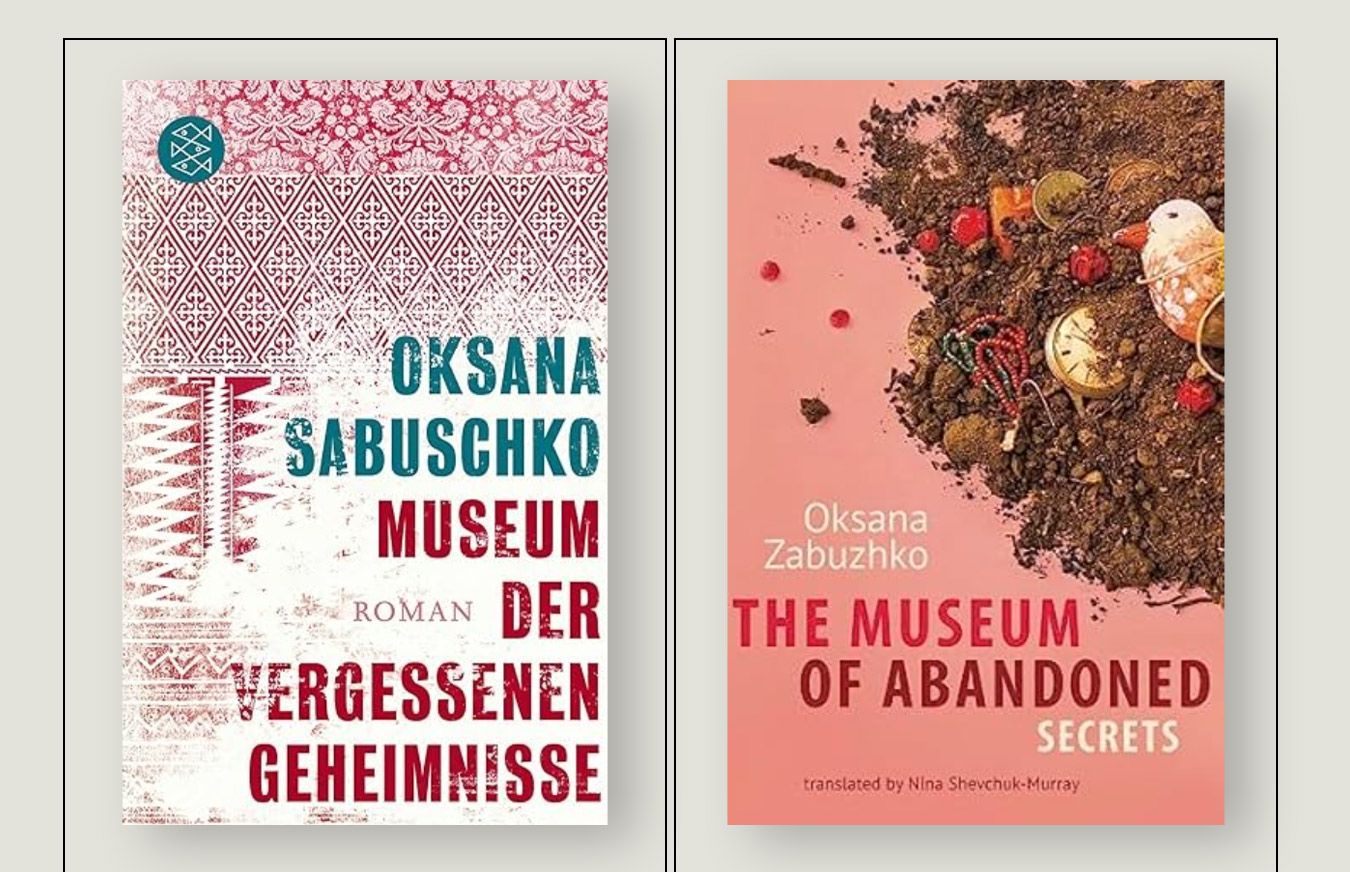
This novel builds on the idea of a “field study” and archival foundations introduced above. Translated from Ukrainian into German by Alexander Kratochvil, “The Museum of Abandoned Secrets” spans several generations of Ukrainians from the 1940s through the early 2000s, set amid brutal repression and war. It offers a powerful reminder of the pages of Ukrainian progress that were unjustly forgotten and deliberately erased.
“Dr. Leonardo’s Journey to Sloboda Switzerland with his Future Lover, the Beautiful Alcesta” / “Die Reise des gelehrten Doktor Leonardo und seiner zukünftigen Geliebten, der schönen Alceste, in die slobidische Schweiz” by Majk Johansen
Secession Verlag, 2023
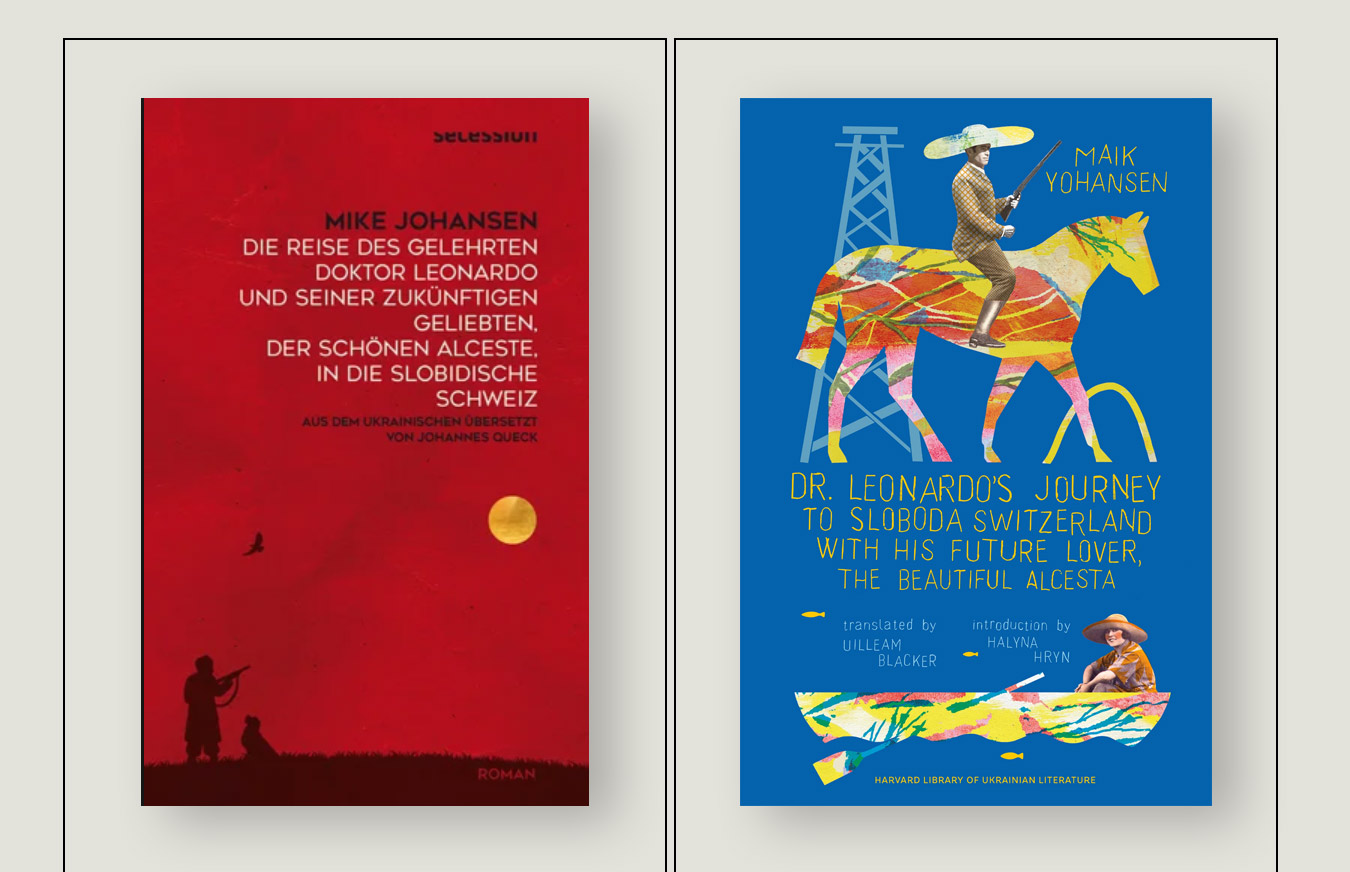
Among the fascinating writers of Ukraine’s 1920s, who are gradually being introduced to German-language audiences through translations of Mykola Khvyliovyi, Viktor Domontovych, Valerian Pidmohylnyi, and Mykhailo Semenko, is the charismatic literary icon Maik Yohansen. Two of Yohansen’s texts have already been translated for Secession Verlag by Johannes Queck. For the list, I selected a piece with a long title, as imaginative and whimsical as the work itself: “Dr. Leonardo’s Journey to Sloboda Switzerland with his Future Lover, the Beautiful Alcesta.” This is our bold new literary expression in the 20th century, a voice the Soviet regime sought to suppress along with the writers of the Executed Renaissance. It is a very elegant little book that I enjoy having and gifting to others.
“The Voices of Babyn Yar” / “Babyn Jar. Stimmen: Gedichte” by Marianna Kiyanovska
Suhrkamp, 2024
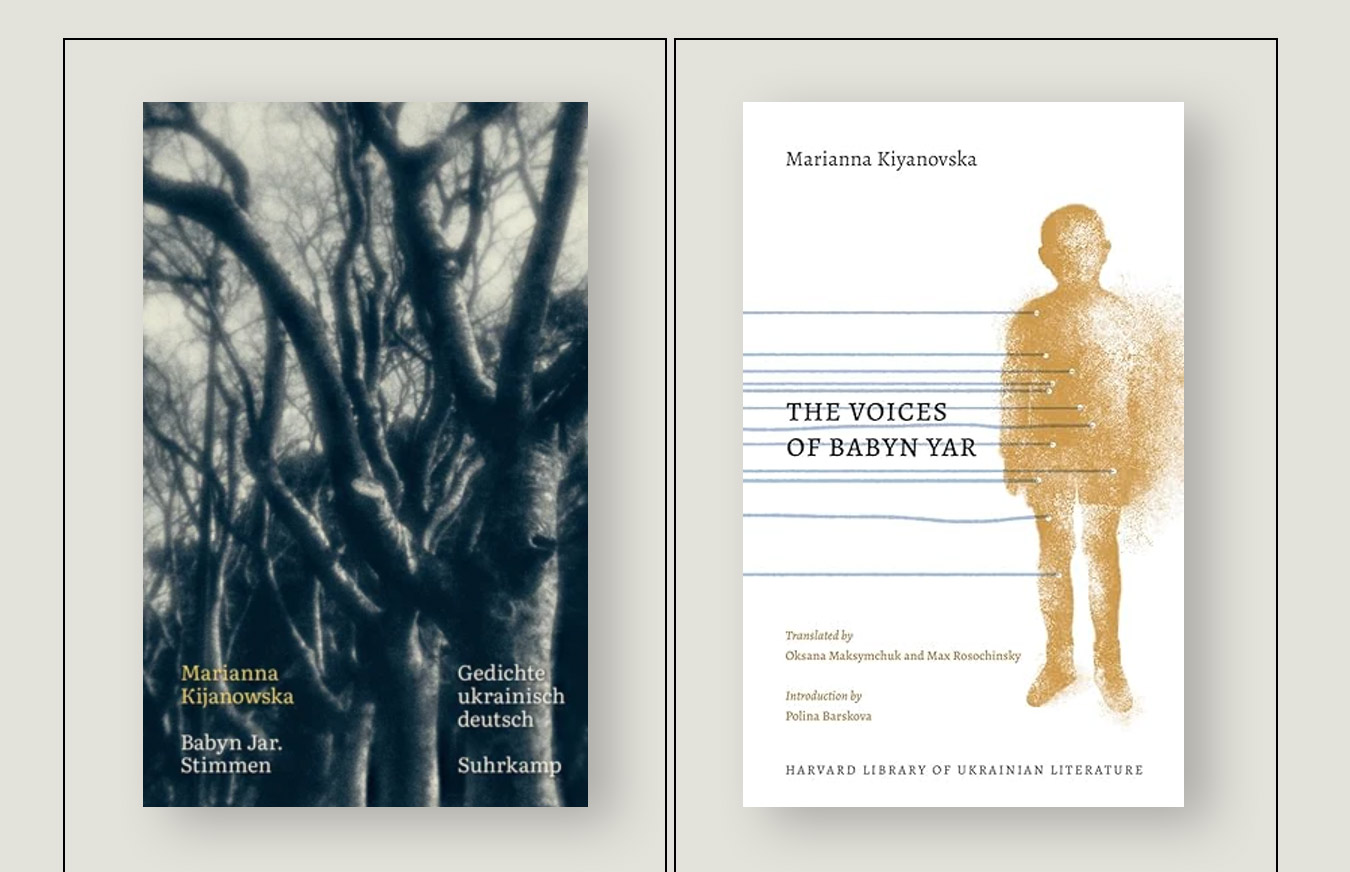
I have already highlighted several powerful prose works, but I cannot overlook this poetic reflection on another Ukrainian tragedy — Babyn Yar. Kiyanovska’s poetry gives voice to those who had their voices, lives, and memories taken from them. They are heard because the author listens. These poems trace a long journey, filled with fear and desperate hope, of the Jews to Babyn Yar. It is a journey toward death, yet each poem’s protagonist embodies a strong will to live. These voices are rendered in German through Claudia Dathe’s translation.
RELATED: Marianna Kiyanovska named 2022 European Poet of Freedom
“Daughter” / “Donezk Girl” by Tamara Duda
Friedrich Mauke Verlag, 2025
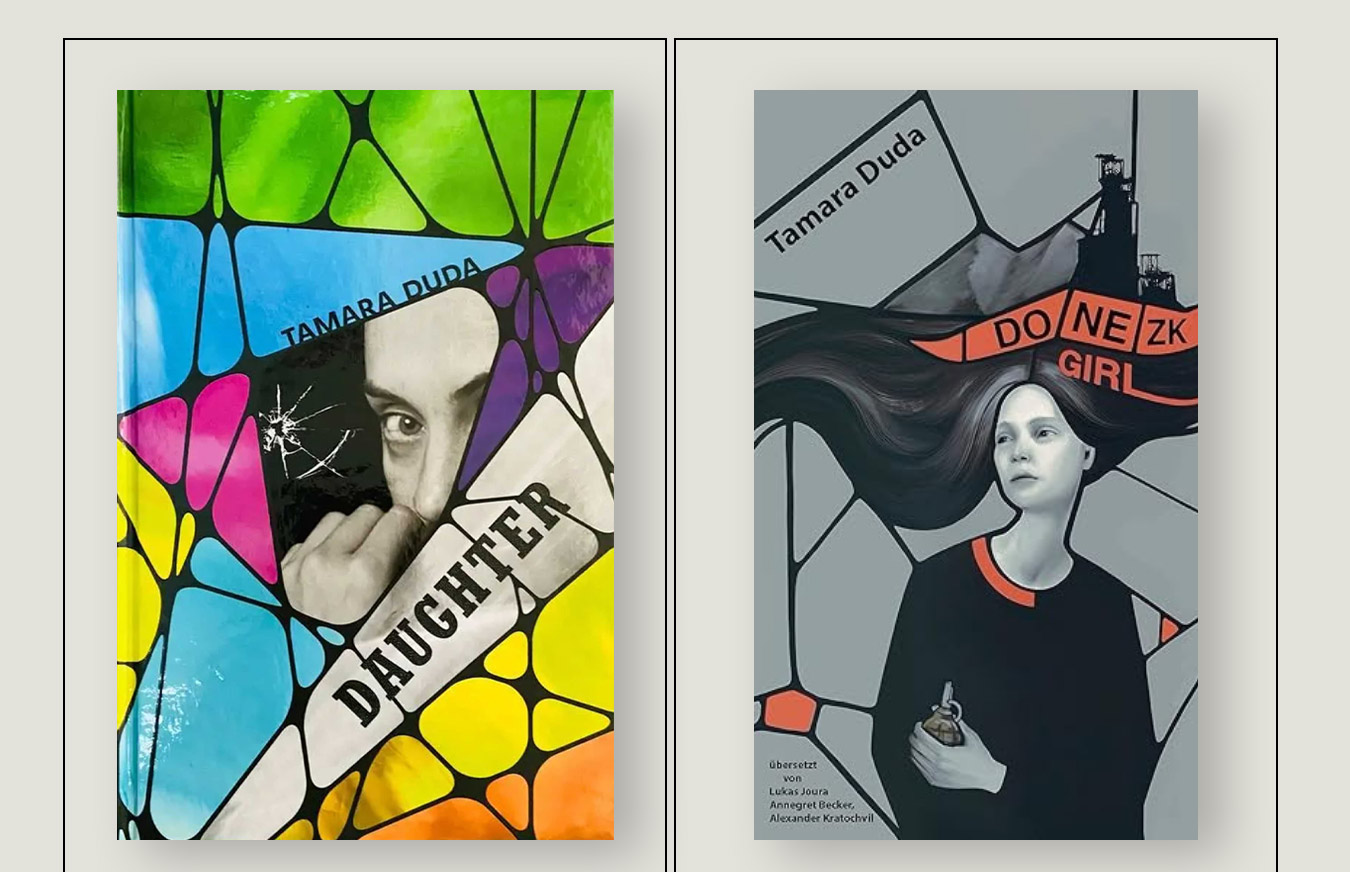
Ukrainian readers know this novel as “Dotsia” (“Daughter” in English translation by Daisy Gibbons). Tamara Duda’s novel about Russia’s ongoing war against Ukraine, which began in 2014 and continues to this day, was named 2019 BBC Book of the Year, and the author was awarded the 2022 Shevchenko National Prize. At the 2025 Frankfurt Book Fair, “Donezk Girl” — the German edition translated by Annegret Becker, Alexander Kratochvil, and Lukas Joura — received a special award from the prestigious German Hotlist Prize. I admit that I did not read this book in 2019, when everyone was talking about it, nor in 2022, when it was difficult for me to read anything about the war. But I read it in 2023, and can confirm that it is worthy of every award and still strikes a deep chord.
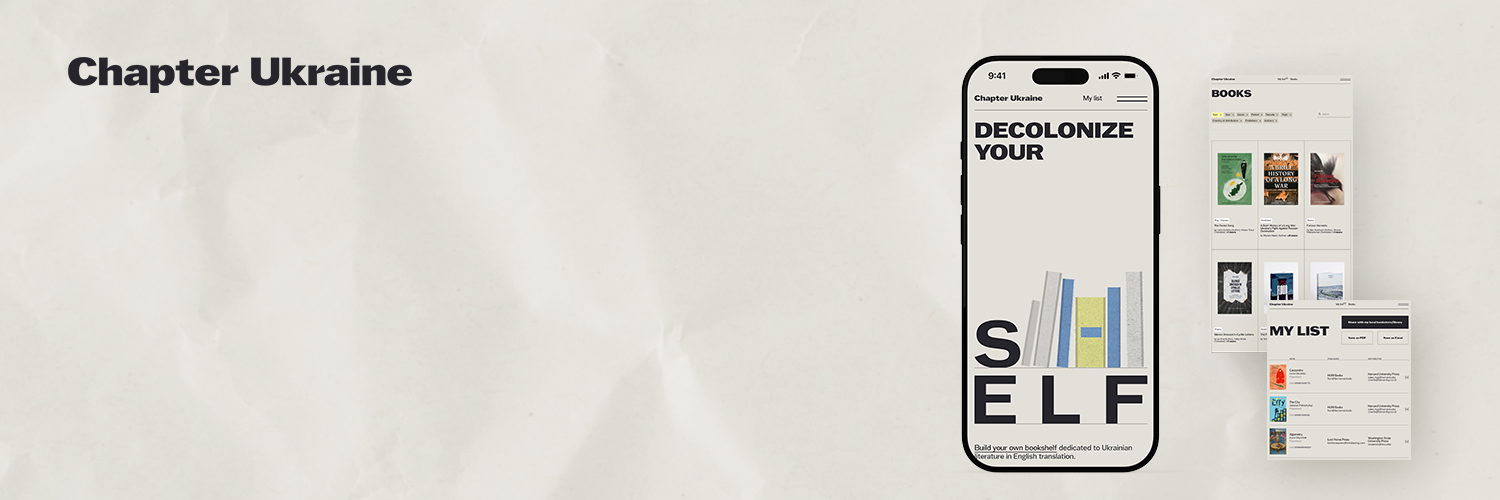
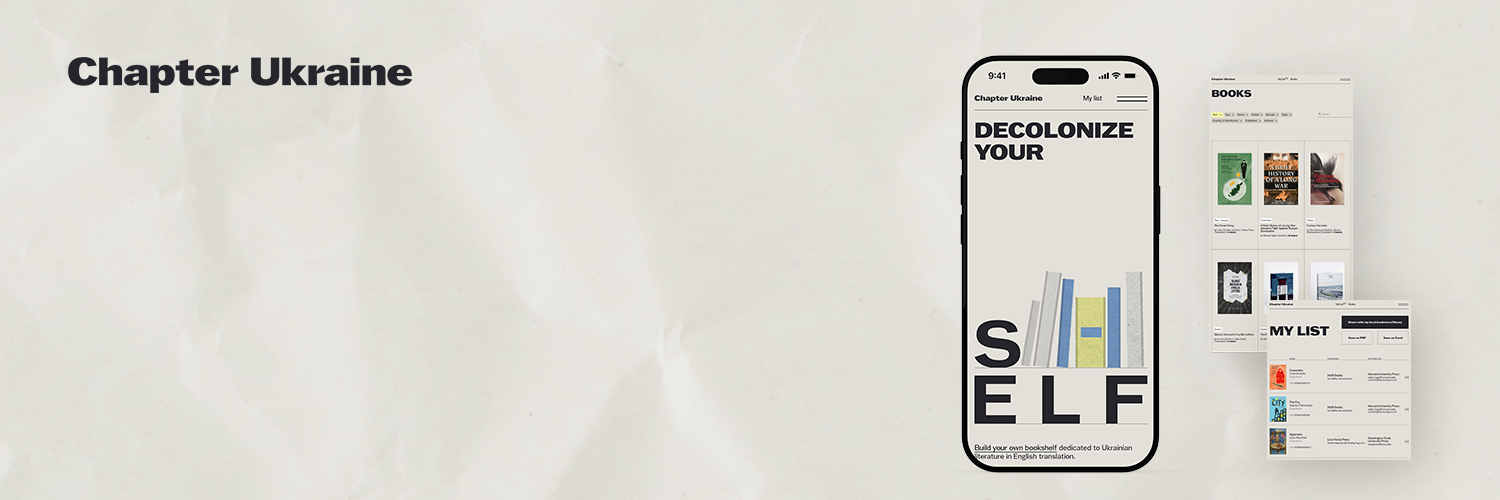
What makes Chapter Ukraine so exciting is that you can build your own reading list, different from mine, based on your mood, your interests, or your preferences by theme, genre, author, or historical period. All of it is easy to adjust with the site’s simple and intuitive settings.
RELATED: Writing under fire: Five must-read books of Ukrainian literature already available in French
The publication is a part of the “Chytomo Picks” project. The materials have been prepared with the assistance of the Ukrainian Book Institute at the expense of the state budget. The author’s opinion may not coincide with the official position of the Ukrainian Book Institute.
Authors: Valentyna Vzdulska, Ganna Gnedkova
Translation: Iryna Savyuk
Copy editing: Sheri Liguori
Читомо» — це медіа про книжки й літературу, що підтримувало українське книговидання задовго до того, як це стало трендом. Ставайте частиною історії — доєднуйтеся до Клубу Читомо!
the more you read, the greater the possibilities