* ESC - close the search window
children literature
Latvian children’s book sparks debate over sensitive topics for young readers
25.08.2026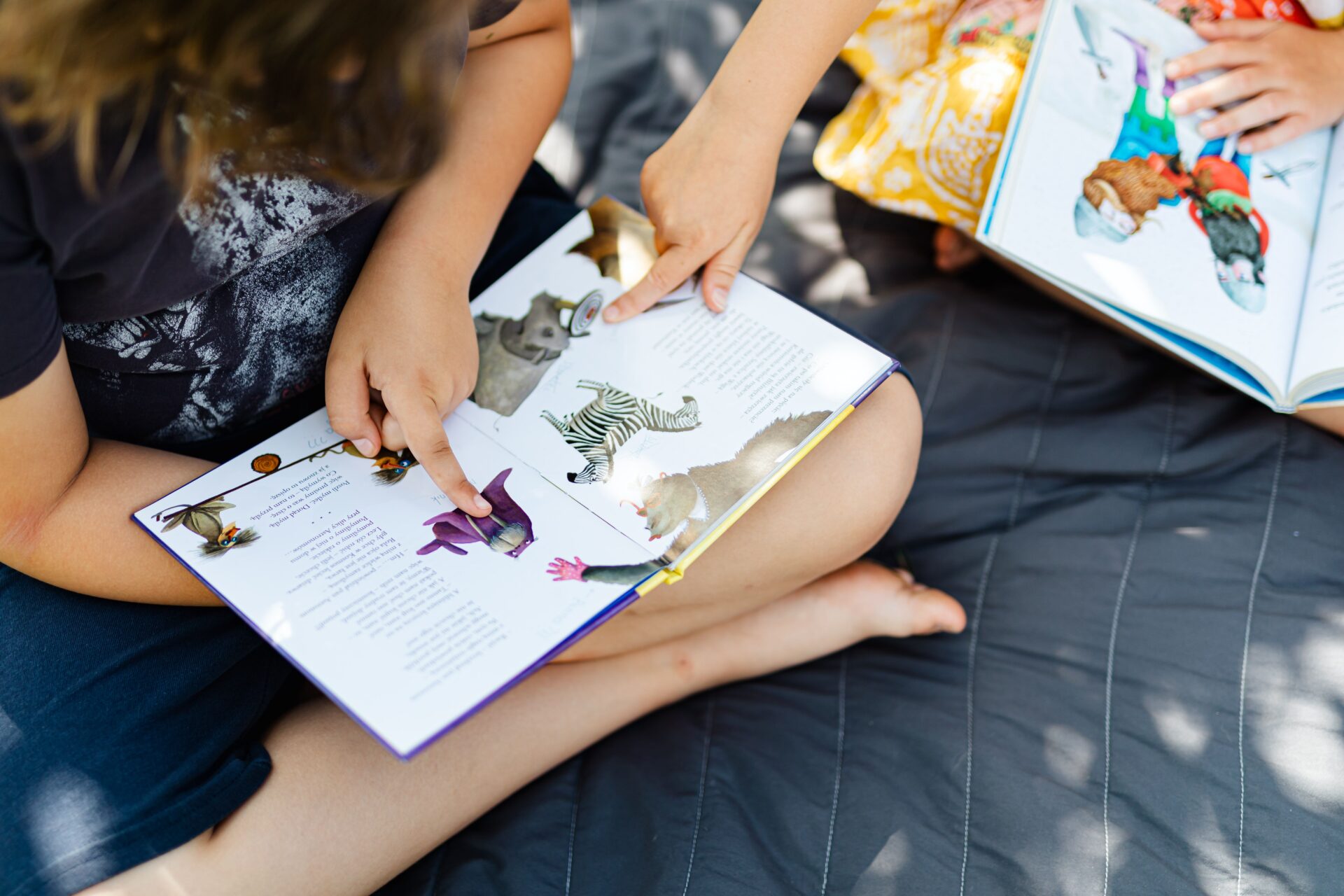
Latvian poet Ivars Šteinbergs’ children’s poetry collection “Ams, ams, ams!” (“Yum, Yum, Yum!”), published by Liels un mazs, has prompted a wider public discussion about whether literature for young readers should address topics adults may consider sensitive or inappropriate.
The collection won the 2026 Latvian Literature Award for best original work of children’s literature and was included in the Children’s, Youth and Parents’ Jury reading list for seven-year-olds.
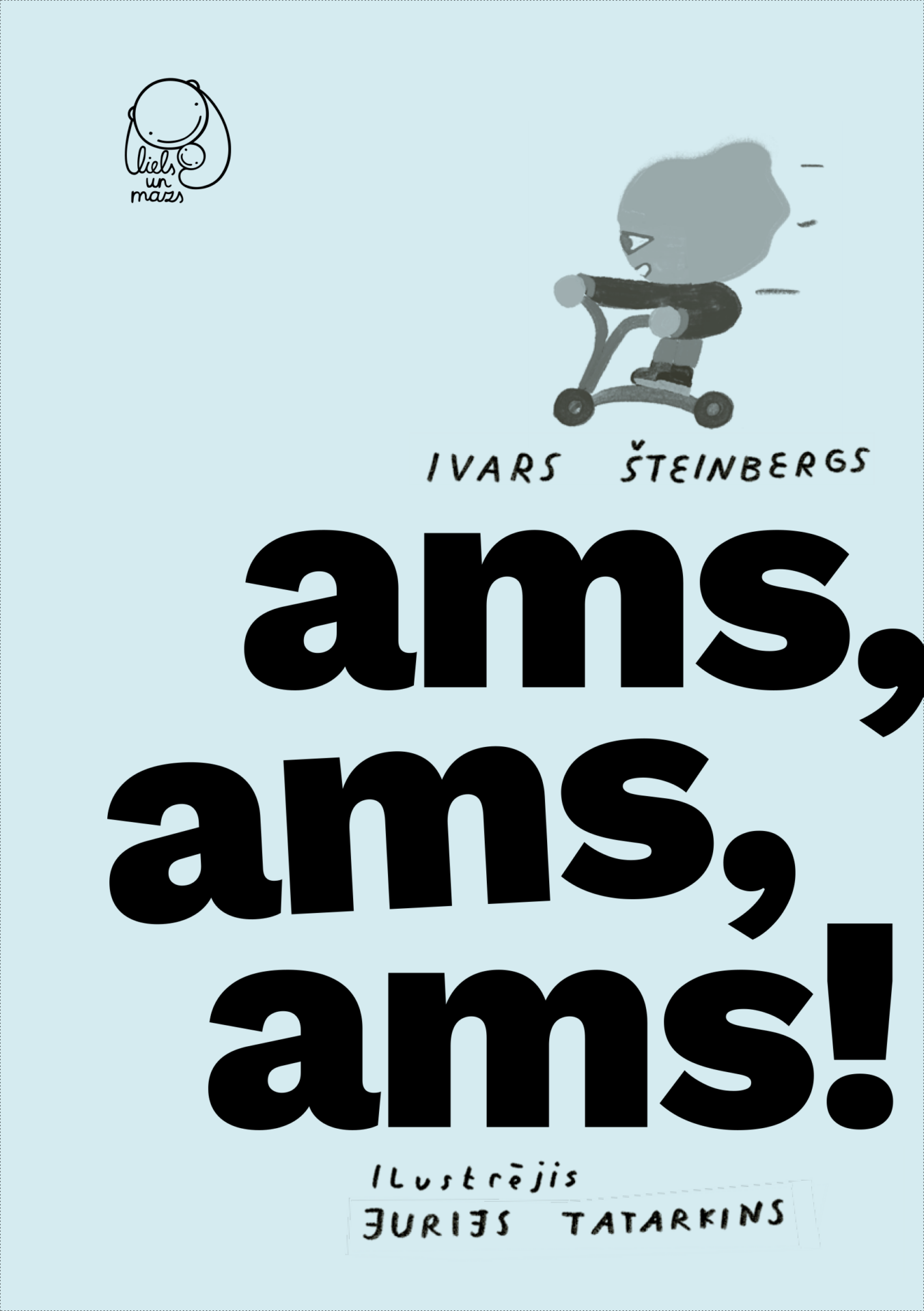
Two poems in the collection have drawn particular criticism from some members of the public. One depicts a father returning home with an unspecified smell and being put to bed by the mother, while another describes a father painting his nails and taking his family to Pride. Critics have questioned whether such subjects are appropriate for young children.
The controversy prompted Latvian public broadcaster LSM and Latvijas Radio’s “Ģimenes studija” to examine the broader question of what subjects belong in contemporary children’s literature. The discussion brought together children’s literature researcher and University of Latvia professor Ilze Stikāne, Liels un mazs head Alīse Nīgale, Zvaigzne ABC board chair Vija Kilbloka, clinical psychologist and psychotherapy specialist Līga Bernāte, and LSM literary reviewer and librarian Aija Bremšmite.
Stikāne defended “Ams, ams, ams!” as a high-quality work of poetry and argued that the two poems at the center of the controversy had been taken out of context. She also stressed that literature is a work of art rather than a direct representation of reality.
Bernāte said children may interpret the poems differently from adults depending on their age and personal experiences. A child with no experience of alcohol-related problems at home, for example, may not associate the poem about the father’s smell with alcohol at all. For children who have encountered such problems, she said, the poem could instead provide an opportunity to recognize their experiences and begin a conversation about them.
The discussion extended beyond Šteinbergs’ collection. Participants considered how children’s and young adult literature can approach subjects ranging from death and family difficulties to mental health and social difference.
Nīgale said Liels un mazs prioritizes literary and artistic quality and does not avoid subjects that society may consider taboo. She noted that children already encounter questions about difficult issues such as death, and books can help them discuss and understand those experiences.
The participants also discussed poetry by Kārlis Vērdiņš and Inga Gaile that deals with uncomfortable aspects of everyday life and adolescence. Bernāte argued that literature addressing difficult emotions can give teenagers a space to recognize their own experiences and feel understood. Stikāne similarly said books allow children to encounter experiences they may not have in their own lives and to discover the complexity of the world.
The discussion also raised questions about whether adults sometimes scrutinize books more heavily than other media consumed by children. Nīgale noted that books pass through authors, editors, publishers and other professionals, while children can encounter considerably less controlled content on social media.
Participants advised parents to read with children as a way of starting conversations rather than simply screening books for potentially difficult subjects. They also cautioned against rigid age labeling, noting that children differ in reading ability and emotional maturity.
The debate comes several years after Liels un mazs, which published Šteinbergs’ collection, received international recognition. As reported earlier, the publisher was named Europe’s best children’s publisher at the Bologna Children’s Book Fair in 2022. It was recognized for its work to develop Latvian children’s publishing through original texts, contemporary illustration, design, and translated literature.
Liels un mazs has also played a role in bringing Ukrainian children’s literature to Latvian readers. As reported earlier, the publisher released a Latvian translation of Ukrainian writer Victoria Amelina’s “Eeeeeeeeevil Eka’s Excavator Stories” in 2025. The edition, translated by Māra Poļakova and illustrated by Edmunds Jansons, was supported by the Ukrainian Book Institute’s Translate Ukraine program and the Latvian State Culture Fund.
The Latvian edition was presented at the Children’s and Youth Literature Festival in Sigulda on Sept. 28, 2025. Amelina, a Ukrainian writer and volunteer, died on July 1, 2023, from injuries sustained in a Russian missile attack on Kramatorsk.
Main image: pexels
Читомо» — це медіа про книжки й літературу, що підтримувало українське книговидання задовго до того, як це стало трендом. Ставайте частиною історії — доєднуйтеся до Клубу Читомо!