* ESC - close the search window
Chytomo report
Chytomo team about blackouts, workflow and routine in 2026
07.04.2026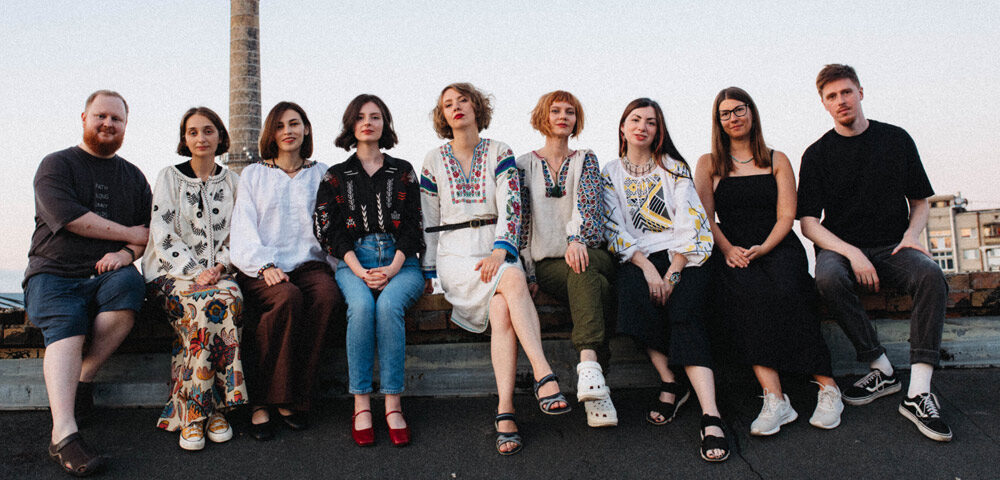

You see an error in the text - select the fragment and press Ctrl + Enter
Our friends abroad often ask how we keep working through blackouts—and why we don’t just pause. The answer is you. Thanks to the support of our patrons and community, we’re able to continue. We asked our team to share how they manage. From Kyiv to Dnipro, Kropyvnytsky to Cherkasy, we work across cities where neither electricity nor safety is guaranteed.
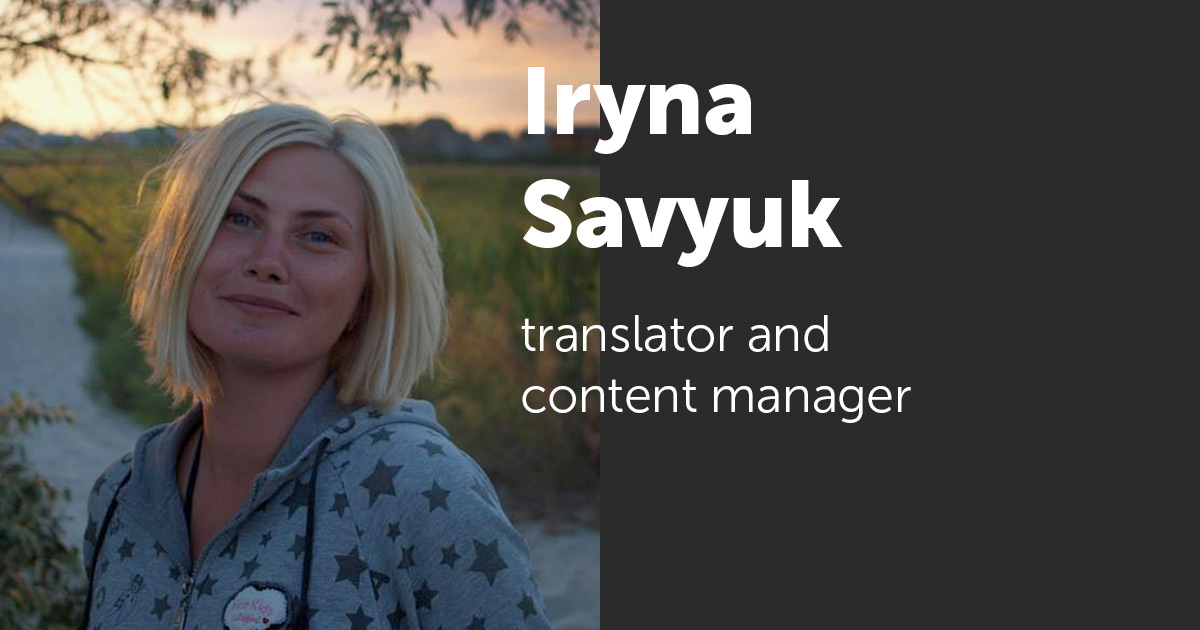
Iryna Savyuk, translator and content manager:
Due to Russian drone and missile attacks and the intentional targeting of critical infrastructure, power outages began as early as 2022, but this particular winter was especially cold and snowy, which made wartime life incredibly difficult.
In my city, there were weeks when electricity was available only twice a day for 1–2 hours at a time. Since everything in our house runs on electricity (water pumps, heating, and the stove), it was very difficult for us. When the power came on, you literally didn’t know what to do first: heat the house, cook, wash, or charge your phone and laptop. On top of that, I had to work, and my child had to keep up with schoolwork.
We were fortunate to have a gasoline generator (old, but still working) and a battery. This made a big difference, allowing me to continue working from home. I just did what I could, and when there was no electricity or the internet was unstable, I reached out to my colleagues, and they helped me.
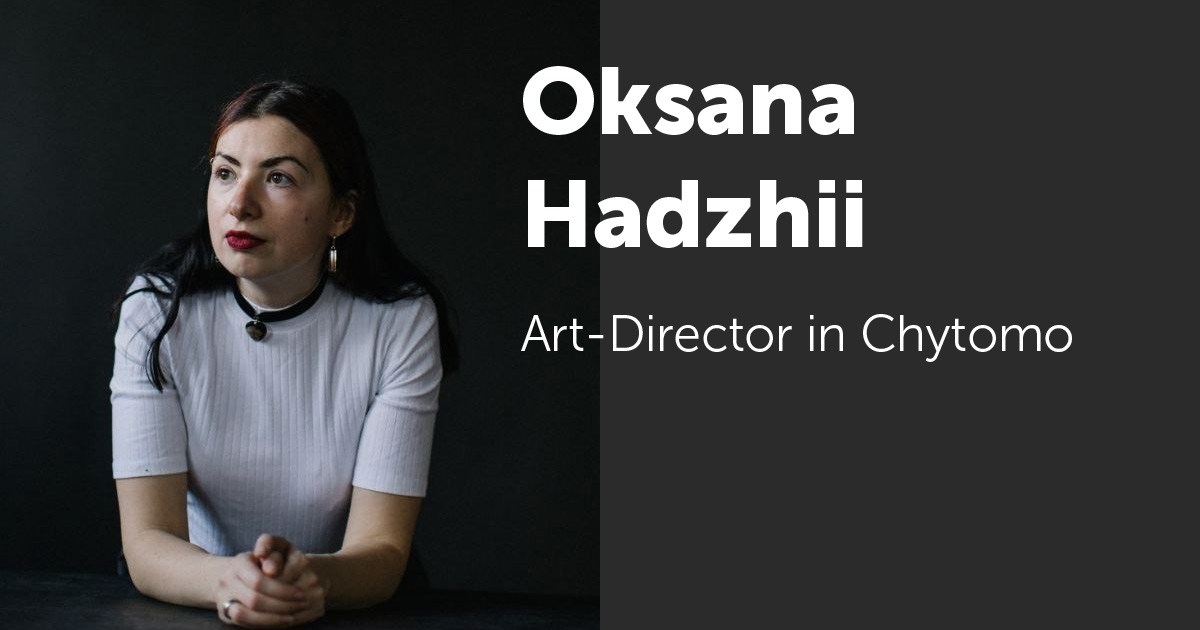
Oksana Hadzhii, Art-Director of Chytomo:
Due to Russian missile attacks, the 2025–2026 winter in Ukraine was one of the most difficult during the full-scale invasion. In my city, there is an incinerator, so even without working power plants, I had heat and electricity this winter. However, this caused smog, major ecological issues, and air pollution. While the average PM2.5 in Ukraine ranges between 3 and 6, in my city, it was 70–120. As a result, all members of my family suffered from ongoing respiratory issues during the winter. It was especially hard for me because I am raising my daughter alone while my husband is serving in the army. Most of the time, I was torn between caring for my daughter and finding time for my job at Chytomo. I considered myself privileged because I had electricity, so I tried to do as much work as I could to continue Chytomo’s mission of supporting Ukrainian culture.
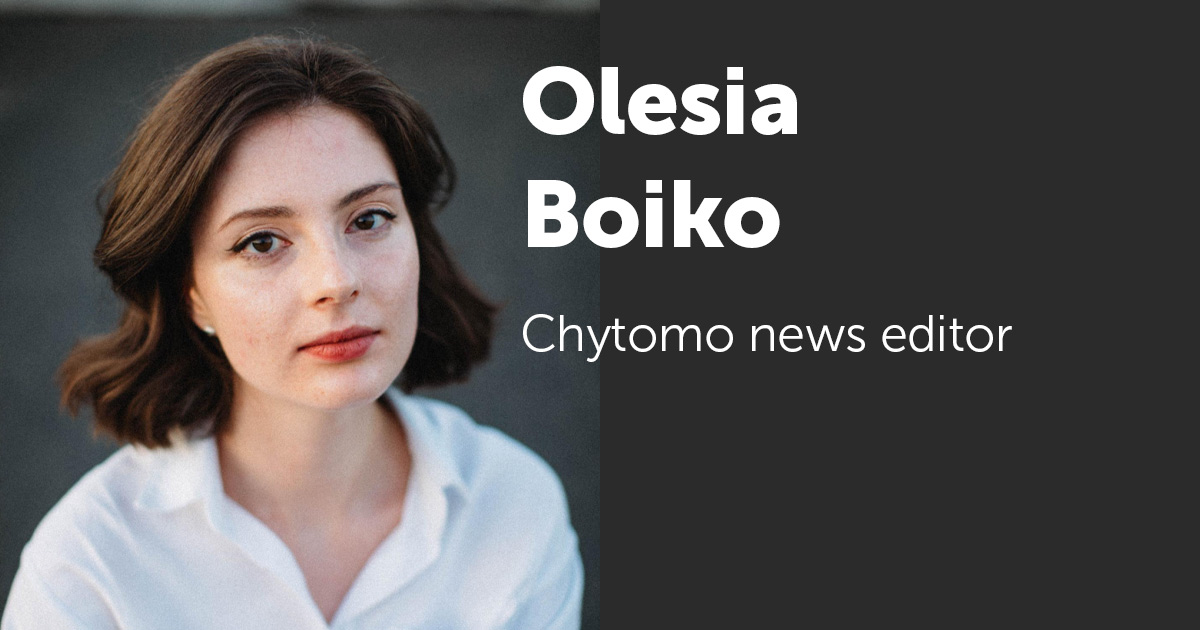
Olesia Boiko, Chytomo news editor:
This past winter was a ‘fun’ one. I live on the left bank of Kyiv, and following the shelling in January, my house was among the 1,500 where the heating was never restored. For several weeks, we had electricity for just 2–3 hours a day, and when the wiring short-circuited, there was none at all. Because the building is old, built in the Stalin era, it has three-metre-high ceilings, so the temperature dropped to 3–5 degrees Celsius.
I managed with a portable heater, and it was also good that I had a decent power bank for my laptop. It was hard to cope at times, but I was heartened by the thought that we Ukrainians are all in the same boat and stand by one another, no matter how much Russia might want to take that away from us.
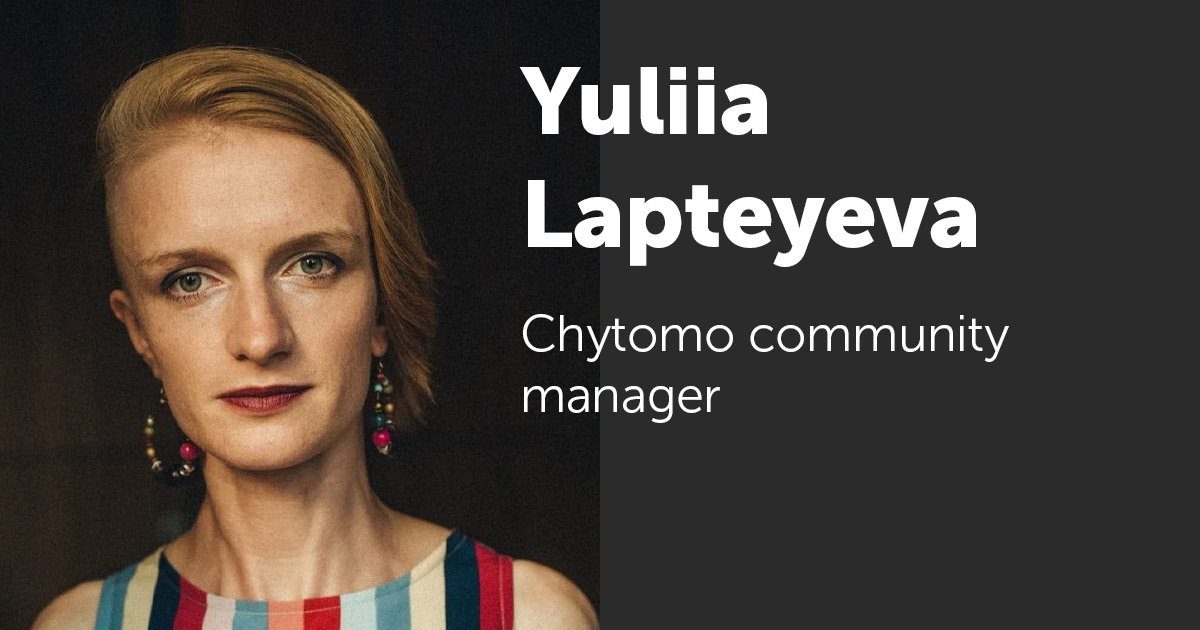
Yuliia Lapteyeva, Chytomo community manager:
Since the start of the full-scale invasion, I used to consider myself a “tough” person in terms of comfort issues. You can’t pity yourself about the electricity shortages because of Russia’s yet another shelling of power stations. That’s definitely a minor inconvenience, not worth even talking about compared to all the horrors the Russian soldiers keep doing to our people these 4 (12) years.
But this is something that tries to break you, little by little. This winter, when the temperature in my apartment was sometimes just 1 degree higher than in my fridge, I felt like all the warmth and light in this world were just fading; when I was trying to warm a living room with a cast-iron pan on a camping burner, I wasn’t even thinking about the end of this winter. Cold inside, cold outside, cold, it seemed, everywhere. But just like that, I kept working. Meeting with my colleagues from Chytomo in the light of my screen and wrapped in numerous blankets. Working because “Every job is being done because it needs to be done”, as famous Ukrainian poet S. Zhadan, now a soldier, once wrote. Because that’s something that needs to be done.
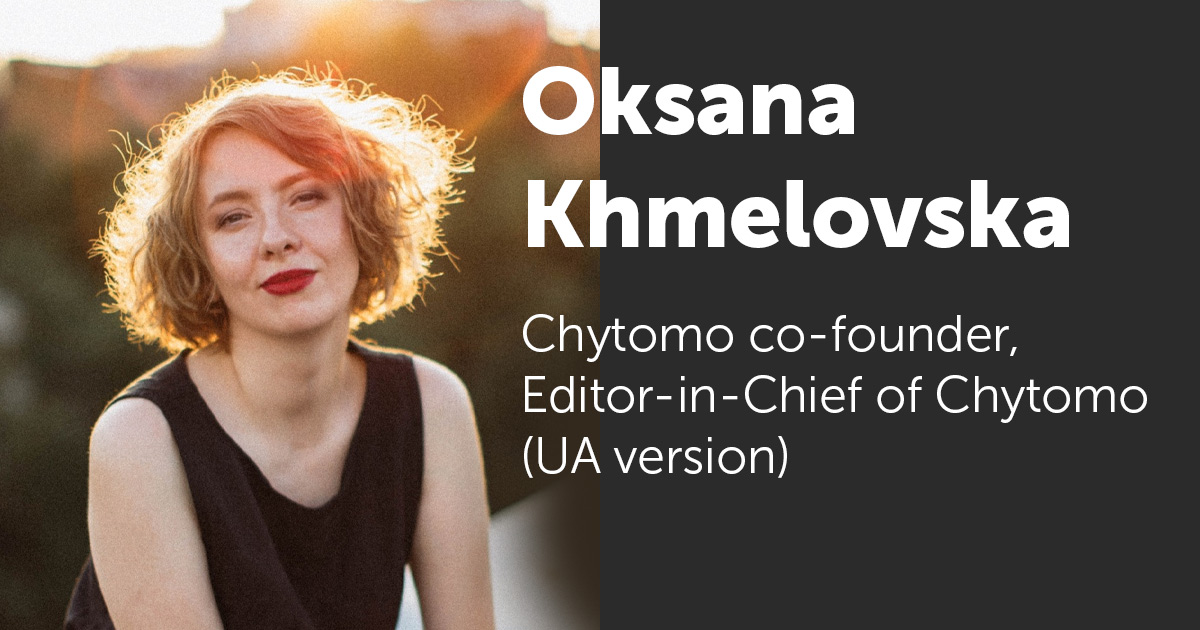
Oksana Khmelovska, Chytomo co-founder, Editor-in-Chief of Chytomo (UA version):
The power goes out, along with water and heating; the internet barely flickers, and another massive night attack begins. You run with your child to a shelter, just as dark, where you can only sense others by touch. The next morning, as exhausted as you are, coffee sellers wish you a “good day,” and the kindergarten announces that warm meals are ready because the cooks have lit an old wood stove. You warm yourself with the resilience and humanity of people during this brutal winter of 2025. You open your laptop with 30% battery left to keep checking the news and articles. When the charge runs out, you take a book from the shelf, wrap yourself in three blankets, and hope that someone else on the editorial team still has internet access.
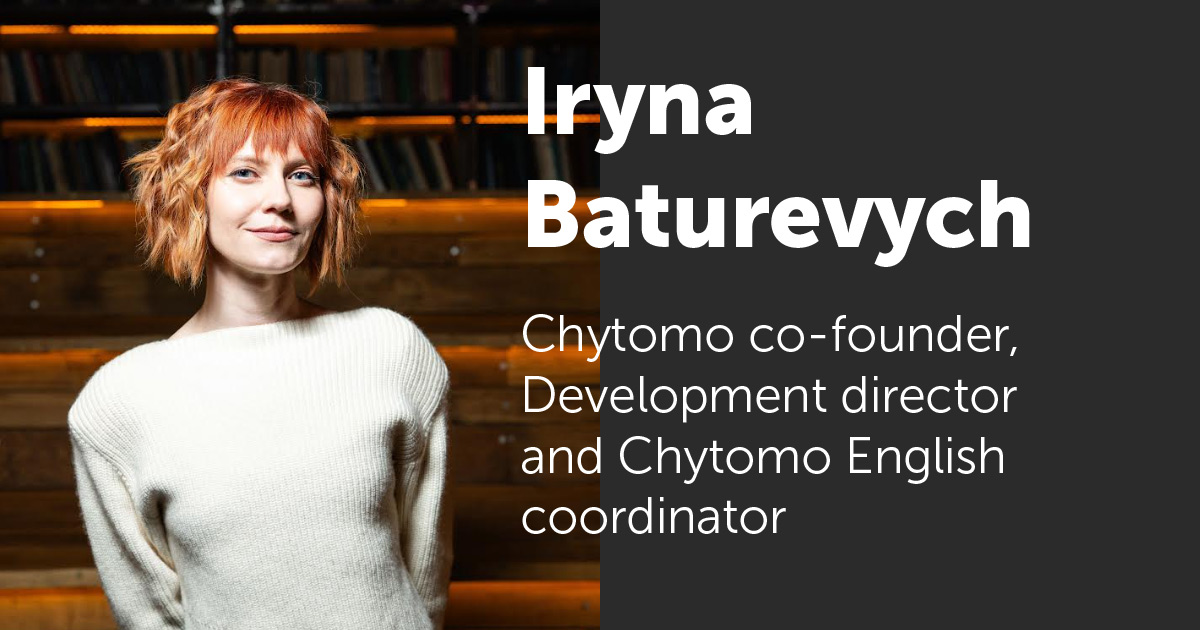
Iryna Baturevych, Chytomo co-founder, Development director and Chytomo English coordinator:
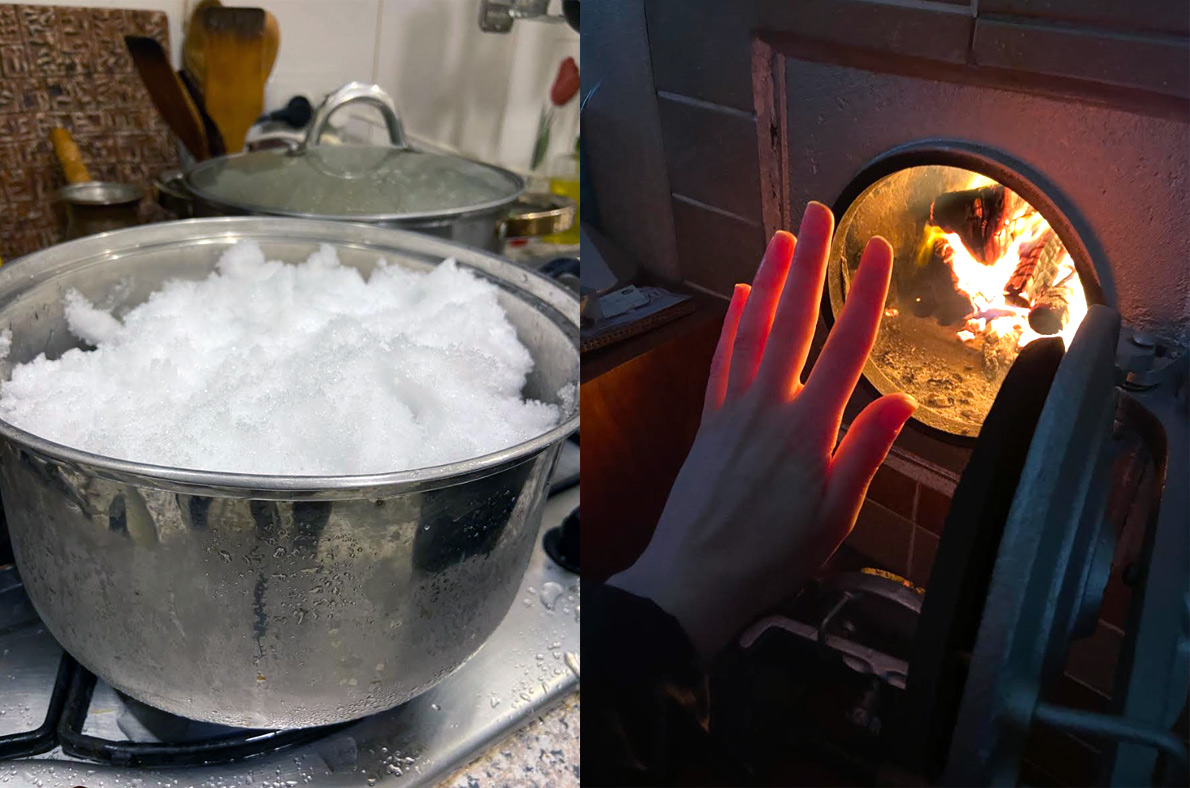
I live between Canada and Ukraine, in two different rhythms of fear. In Canada, I check the news at night and again at dawn to learn which part of my city was struck. In Ukraine, the day begins with a message to my husband: ““I’m okay. It wasn’t my district, in case you saw the news.” January was the hardest. We hesitated to hold the Chytomo Award while people were simply trying to endure: heating apartments above ten degrees, cooking without power, driving on unlit, frozen roads, rigging fragile energy alternatives. We melted snow for water and charged devices wherever we could. Travel stretched into days as railways were targeted. From Canada, I kept working—often covering for colleagues who couldn’t. Good managers might say roles shouldn’t overlap and responsibilities shouldn’t be shared, but the situation leaves no choice. And still, sometimes with only a few hours of electricity a day, we stayed online — and I’m deeply grateful to my team and to everyone who supports us.

Читомо» — це медіа про книжки й літературу, що підтримувало українське книговидання задовго до того, як це стало трендом. Ставайте частиною історії — доєднуйтеся до Клубу Читомо!