* ESC - close the search window
culture
Lithuanian publishers face five-application cap on state funding
01.09.2026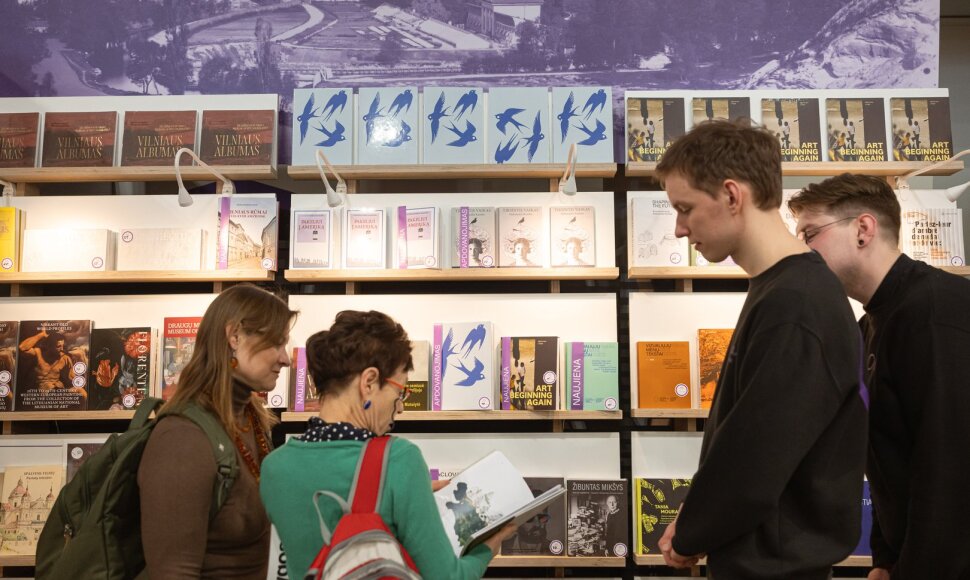
The Lithuanian Council for Culture has limited the number of state-funding applications a single organization can submit to five. Publishers warn that the new rules could result in fewer poetry collections, essays, debut books, high-quality literary translations, translations from smaller languages, more complex children’s literature, and humanities titles being published next year.
The restriction applies to all fields and programs funded by the Lithuanian Council for Culture (LKT), not only literature. The council said the decision was prompted by reduced cultural funding and the need to lower the cost of expert evaluation. According to LKT estimates, the five-application cap will affect around 4% of organizations while reducing the overall number of submitted projects by nearly 12%.
Funding for literature through the council’s competition for individual cultural fields has also declined. In 2025, 1.12 million euros was allocated to literature, compared with around 929,000 euros in 2026. Last year, 458 applications for literary projects were submitted, of which 162 received funding. In 2026, the council received 353 applications, 115 of which were positively evaluated by experts.
LKT said the limit is intended to reduce experts’ workloads and the costs of evaluating applications. The council’s analysis also identified cases in which individual applicants submitted dozens of projects. In one literature funding round, a single organization submitted 43 applications, one-third of which failed to reach the minimum evaluation score.
Publishing industry representatives, however, argue that applying the same limit to all organizations is disproportionate.
Laura Tekorė, executive director of the Lithuanian Publishers Association, said some potentially strong book projects may now never reach expert evaluation because publishers themselves will effectively have to conduct the first stage of selection.
According to Tekorė, the change could particularly affect poetry, essays, debut books, literary translations of high artistic quality, translations from smaller languages, more complex children’s literature, and humanities titles.
She said that with only five applications available, publishers may increasingly favor commercially safer projects. Tekorė also noted that the same limit will apply both to a publishing house releasing only a few books a year and to one with dozens of titles in its annual publishing plan.
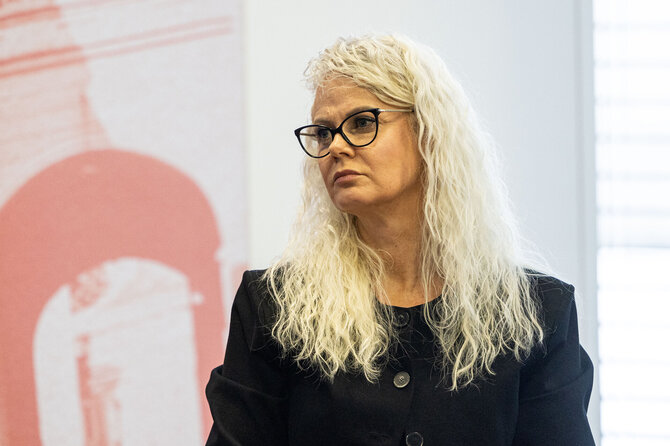
Saulius Repečka, editor-in-chief of the Lithuanian Writers’ Union Publishing House, described the new rules as a blow to national literature. Previously, the publishing house could submit around 30 applications and receive support for approximately 20 projects. It must now select five projects from more than a dozen planned titles.
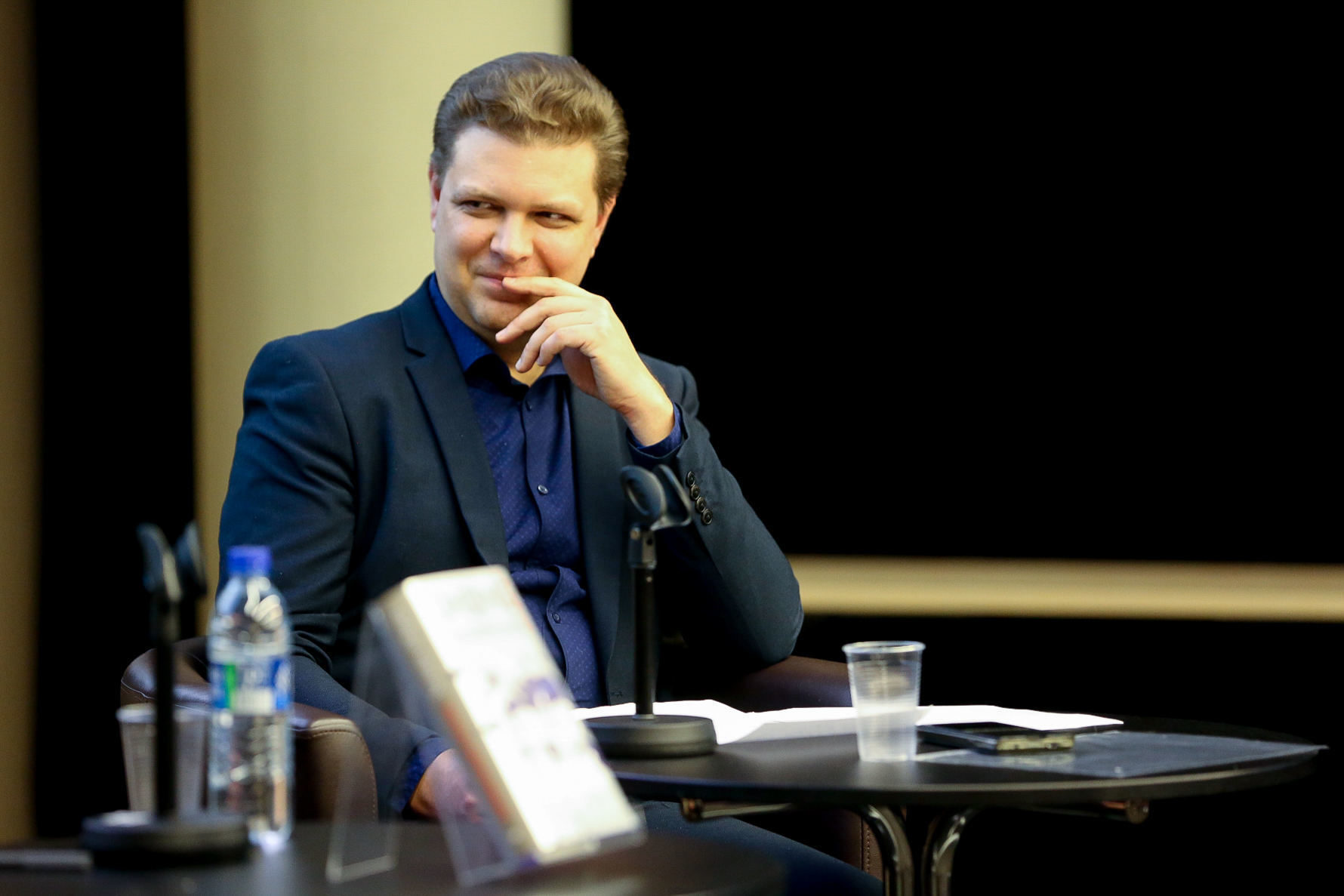
According to Repečka, the publisher has already had to abandon or postpone projects, including a debut novel by a young author and the second volume of diaries by Lithuanian writer Donaldas Kajokas. The publishing house also plans to increase the number of popular and more commercially viable translated books it publishes to compensate for reduced state support.
Ūla Ambrasaitė, head of the Lapas and Vaga publishing houses, agreed that reduced funding requires LKT to cut administrative costs but said imposing the same limit on all legal entities is unfair. Publishers that regularly release large numbers of culturally significant books supported by the state, she said, should not necessarily be treated in the same way as organizations with only a few projects.
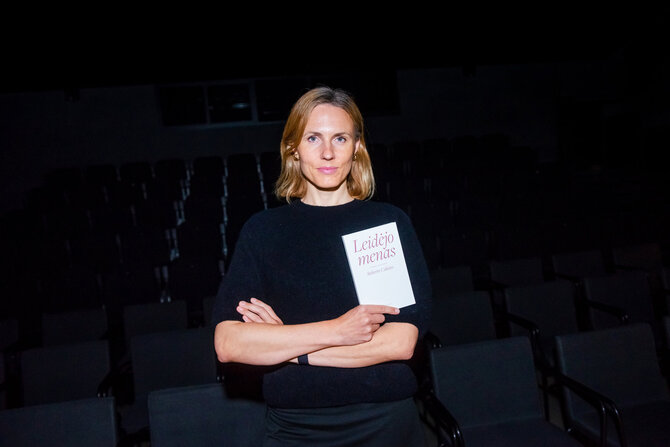
Ambrasaitė suggested considering alternative approaches, including strategic funding for publishing houses or taking their experience and profiles into account.
Her publishing house is also deciding which previously planned books to include among its five applications. According to Ambrasaitė, instead of potentially receiving support for 10–15 publications next year, the publisher will be able to seek funding for no more than five.
She also pointed to competition within the literature funding category itself, where contemporary Lithuanian literature, classics, translated books, humanities publications, and literary festivals compete for funding. Under such conditions, Ambrasaitė said, a publisher choosing between a Lithuanian author and a potentially more popular translated novel may opt for the latter.
LKT, meanwhile, said the application limit is intended to create more equal conditions for applicants and preserve opportunities for smaller cultural organizations. The council also noted that proposals to limit the number of applications had come from representatives of the cultural sector during consultations on the 2027 funding conditions.
Elsewhere in Europe, public funding also plays an important role in supporting literary publishing and translation. As reported earlier, the Czech Ministry of Culture offered grants covering up to 70% of the cost of publishing Czech literature abroad, including translation, design, typesetting, printing, and copyright expenses.
The changes come as Lithuania continues to support the literary sector through other mechanisms. As reported earlier, the country allocated 600,000 euros in public lending remuneration for books borrowed from libraries in 2025. The payments went to 2,426 creators, including 1,493 authors, 675 translators, 188 illustrators, and 70 book designers. More than 4.3 million loans of LATGA-registered books were recorded during the year.
Lithuania also separately supports the international circulation of its literature. As reported earlier, the Lithuanian Culture Institute allocated more than 85,000 euros in the second round of its 2026 translation funding program, supporting 32 projects. Three Lithuanian books are set to appear in Ukrainian translation as part of the funded projects.
Read more about Lithuanian literature, publishing, and culture in Chytomo’s “Lithuanian Accent” special project.
Main image: LNDM Leidiniai / Gintarė Grigėnaitė
Читомо» — це медіа про книжки й літературу, що підтримувало українське книговидання задовго до того, як це стало трендом. Ставайте частиною історії — доєднуйтеся до Клубу Читомо!
the more you read, the greater the possibilities