* ESC - close the search window
Eugenia Kuznetsova
A manual for interacting with Ukrainians. Three bestsellers from Eugenia Kuznetsova
11.12.2025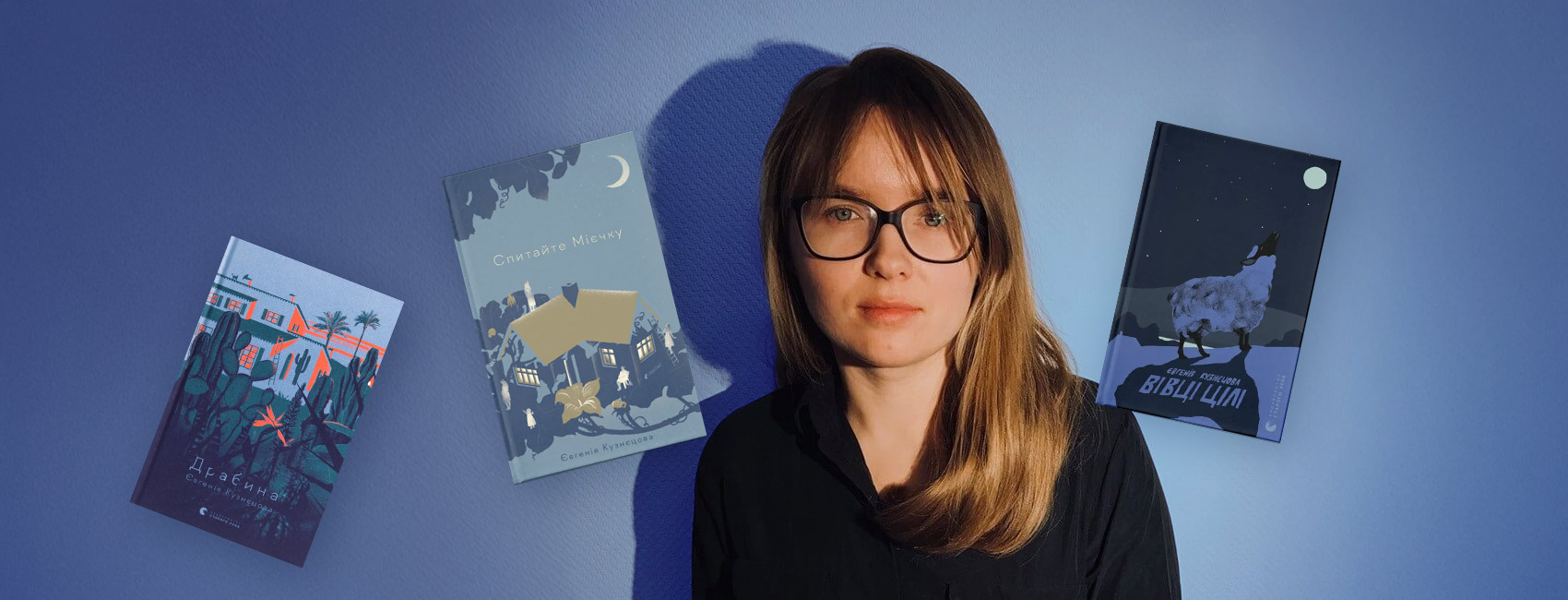

You see an error in the text - select the fragment and press Ctrl + Enter
Eugenia Kuznetsova’s books are among the bestsellers in Ukraine. Her texts are lively, poignant, and ironic. Her audience is hungry and eagerly awaiting her new novel. Having appeared on the market in 2020, Kuznetsova quickly gained popularity among the Ukrainian audience and is now confidently conquering the world. Her books have been translated into English, Polish, Georgian, Lithuanian, Slovak, and Finnish. In 2022, Kuznetsova received a special European Union Prize for Literature for her novel “Ask Miechka”, her novel “The Ladder” was shortlisted for the Angelus Prize in 2023, and the Finnish translator of “The Ladder”, Eero Balk, won the Drahomán Prize 2024 for translation.
So, who is Kuznetsova, and why do readers love her books so much?
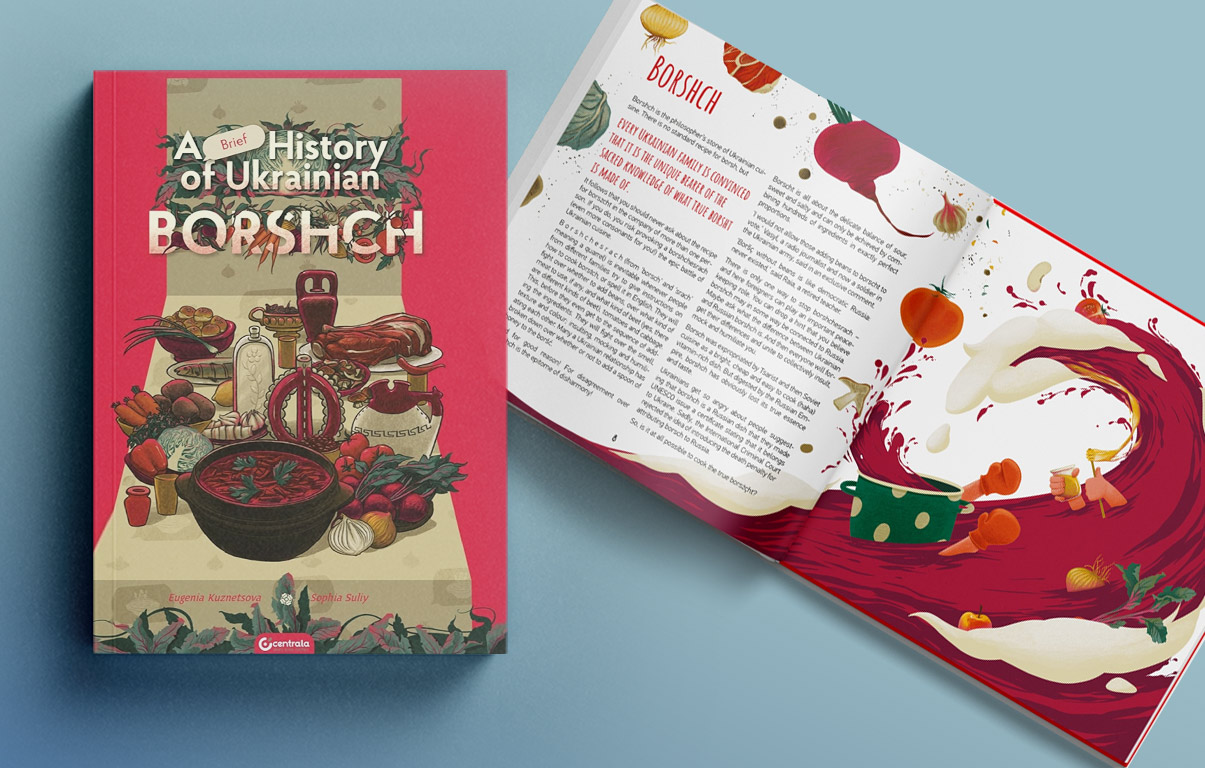
To date, Eugenia is the author of three novels — “Ask Miechka”, “The Ladder”, “Sheep Are Safe”, the illustrated book “”, the non-fiction book “Language Is a Sword: As the Soviet Empire Used to Spoke About the Trauma of the Ukrainian Language And the Nature of Imperial Violence in Ukrainian Bilingualism,” and several other small books. In addition, Kuznetsova is a professional translator.
Ask Miechka
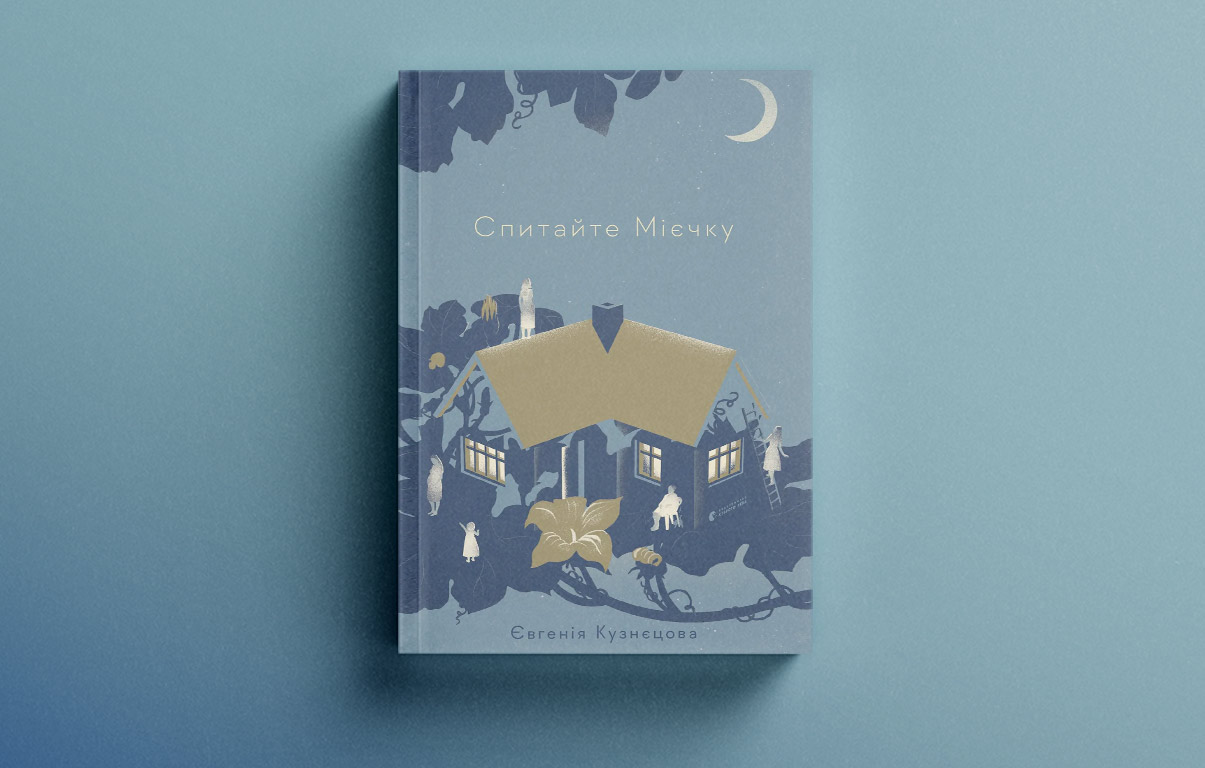
If you are looking for a prominent Ukrainian chick lit novel, it is “Ask Miechka.” Although, probably, none of the Ukrainian literary critics use this term to refer to Kuznetsova’s novel.
This is a book about adult women who escape their troubles to visit the countryside for summer vacations. The sisters Miechka and Lilichka — in the novel, the author consistently uses diminutive forms of her characters’ names, emphasizing their inner desire to escape adult problems and be little girls again, and to visit their grandmother — are in their early 30s and face many problems and dilemmas in their personal lives. Instead of deciding which men to be with and how to live their lives, the women come to their grandmother’s cottage outside the city. As in childhood, Grandma Teodora is happy to see the girls at her place, ready to treat them to delicious food and let her granddaughters relax far from the city.
However, these are not idyllic summer vacations and are by no means “Dandelion Wine.” “Ask Miechka” creates a similar feeling to TV series about the women’s community, such as “Sex and the City”: female company, funny situations, glasses full of (self-)irony. In the end, there will be more than three heroines here, because throughout the novel, all the women of this family will flock to their grandmother’s cottage, adding their own stories and providing keys to the boxes containing the personal secrets of others.
But is it really nice to follow the global unsolved problems of fictional women when you yourself leave no less of a trail of adult problems behind you?
The Ladder
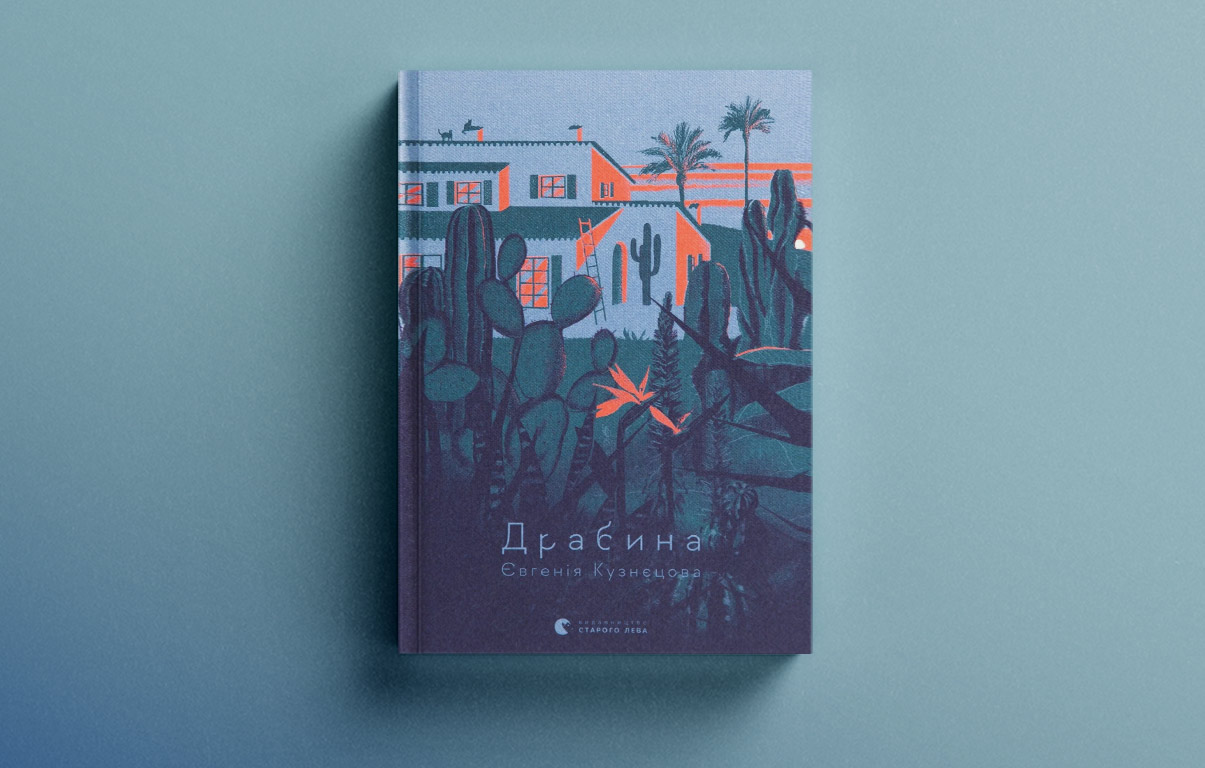
IT specialist Tolik recently fled his toxic family and moved to Spain to finally start living an independent life without his mother’s constant (and unsolicited!) advice. But then a full-scale invasion begins, and his idyll is doomed to fail. Now Tolik is hosting his entire family, who have evacuated from Ukraine, in his home. The novel resembles a vivid, funny, but still nightmarish dream. Comical family dialogues are mixed with the characters’ feelings of guilt, uncertainty about tomorrow, and the need to do something and somehow rebuild their lives, which have been significantly altered by the war. The mother’s caricatured and hurtful phrases to her adult son — from “when will we have grandchildren” to “you don’t eat anything” — are mixed with insomnia from constantly reading disturbing news. In the end, to keep his distance from his family, Tolik chooses to climb a ladder to his room. This way, he avoids passing through the crowded living room with all the accompanying comments.
And while foreign readers of this book are struck by the unbearable chaos caused by Tolik’s relatives in his home and understand his avoidance, Ukrainian readers are left with another question: “Tolik, why aren’t you in the army?” For Ukrainian men who have encountered a full-scale invasion abroad, this is a difficult moral and ethical dilemma. Everyone tries to avoid this feeling, to “climb over” it, escaping to their cozy upstairs room, where the war has not reached. After all, men in Spain do not receive draft notices, but some Ukrainians have certainly felt Spanish shame at Tolik’s hesitation more than once.
RELATED: Ukraine’s 22 most popular books: from love stories to intellectual prose
To describe part of the charm of Kuznetsova’s novel, it is worth reminding readers of the plot of a classic Ukrainian story from the late 19th century — Ivan Nechuy-Levytsky’s “The Kaydash Family.” It tells the story of a typical rural family in which two sons decide to get married, so instead of four adults, six people cram into a small, rural house (not counting future children!), which turns the atmosphere at home from toxic to scandalous. Throughout the book, we hear a selection of folk curses that the members of this family hurl at each other, unable to increase their living space and get along with each other.
In Kuznetsova’s novel, the problems are completely different, but the vibe is the same.
Sheep Are Safe
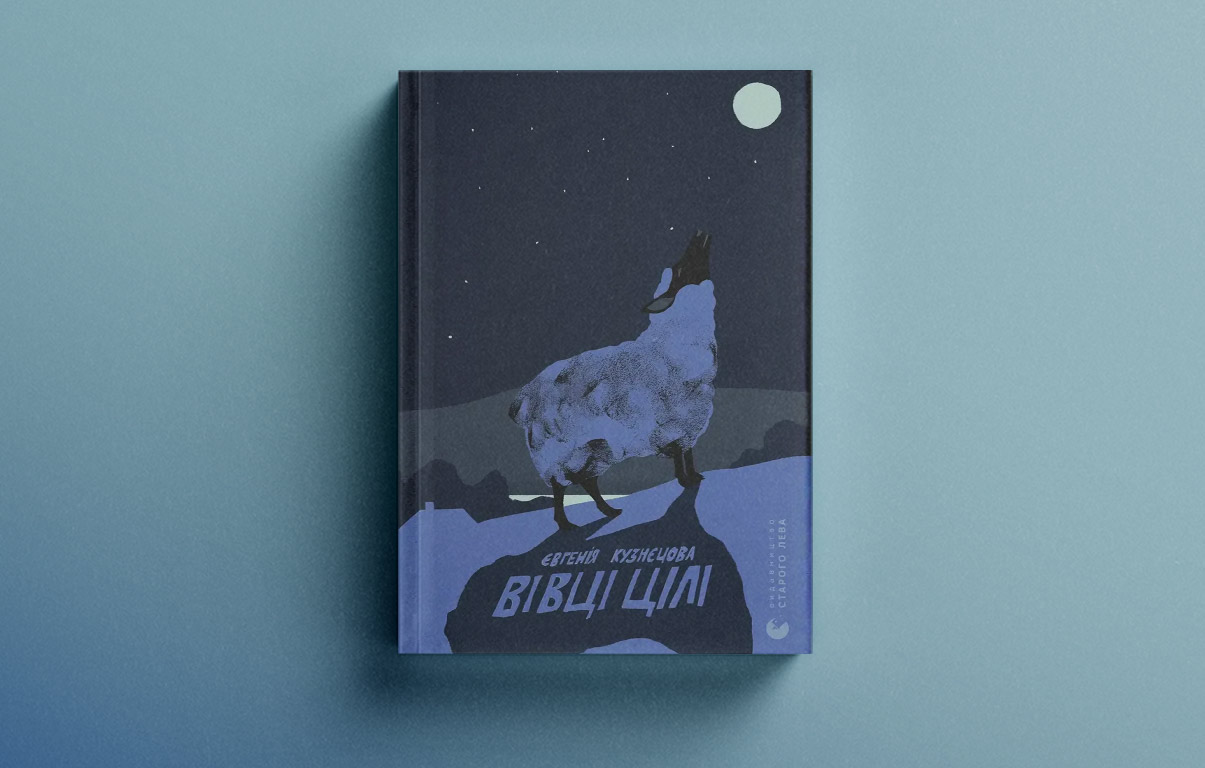
Eugenia’s third art book, “Sheep Are Safe,” refers to the Ukrainian proverb “the wolves are full, and the sheep are safe” to describe a compromise situation. So, this book is about modern compromises, as well as the luxurious Christmas atmosphere of a Ukrainian village.
Outside the windows, there is war, but Yana arrives in Ukraine from abroad to write … an ethnographic study. She settles in a hut in the village, interviews all the local fortune tellers, and happily notes down information about where the next “witch” lives in the Kyiv region. In addition to her diligent ethnographic excursions, Yana immerses herself in the life of her neighbor Maksym and his crazy family and begins a short-lived romance with him. Whether she does this out of love, boredom, or ethnographic interest is up to the readers to decide.
While readers may remain indifferent to Yana’s witches, her visits to her neighbor Maksym’s house, where tragicomic dialogues with his family members constantly take place, are of genuine anthropological interest. After all, it is there that they try to save the “sheep.”
In fact, the “sheep” in this novel are men who, for various reasons, are not at war. First and foremost is Maksym’s underage son David, who is eager to join the army at the age of 18, causing horror and thousands of counterarguments from his mother and grandmother. The women try to “save” David from the war by convincing him to stay abroad, where he will be safe – that is, to achieve an unrealistic situation where both the wolves are fed and the sheep are safe. That is, until the war ends and loved ones do not have to participate in it. But does the Polish-Ukrainian border protect us from war? Let us remind readers that some Ukrainians are convinced that we are living in the midst of World War III, and it is only a matter of time before you personally find yourself on the front line.
What unites all of Kuznetsova’s novels? Escape from reality and exquisite irony. The characters in the three books avoid their complex problems and experiences. To do this, they flee — to the countryside or to the end of the world, to Spain. But instead of living in a blissful state of peace, they find themselves in their own inner purgatory. Although, to their credit, Ukrainians know how to spice up their experiences with exquisite irony, both in life and in literature.
RELATED: It could have been different: An alternative history of Ukraine in five books
This article was created by a mentor of an intensive course in book journalism and literary criticism of Chytomo and Litosvita. The UA/UK Cultural Exchange course is supported by the British Council’s Support for Cultural Activity in Ukraine with UK Involvement programme.
Copy editing: Joy Tataryn
This publication is sponsored by the Chytomo’s Patreon community
the more you read, the greater the possibilities
70
top five Ukrainian books for teenagers
Top five new teen books by Ukrainian authors
12.12.2025 - Vitalina Makaryk
68
UK/UA Cultural Journalism Exchange
Suffering hero-victims and alcoholism in the middle of nowhere: 6 stereotypes in writing about Ukraine
12.12.2025 - Chytomo