* ESC - close the search window
Finland
Finnish novel drawing on disappearing dialect and folklore wins national debut prize
20.11.2026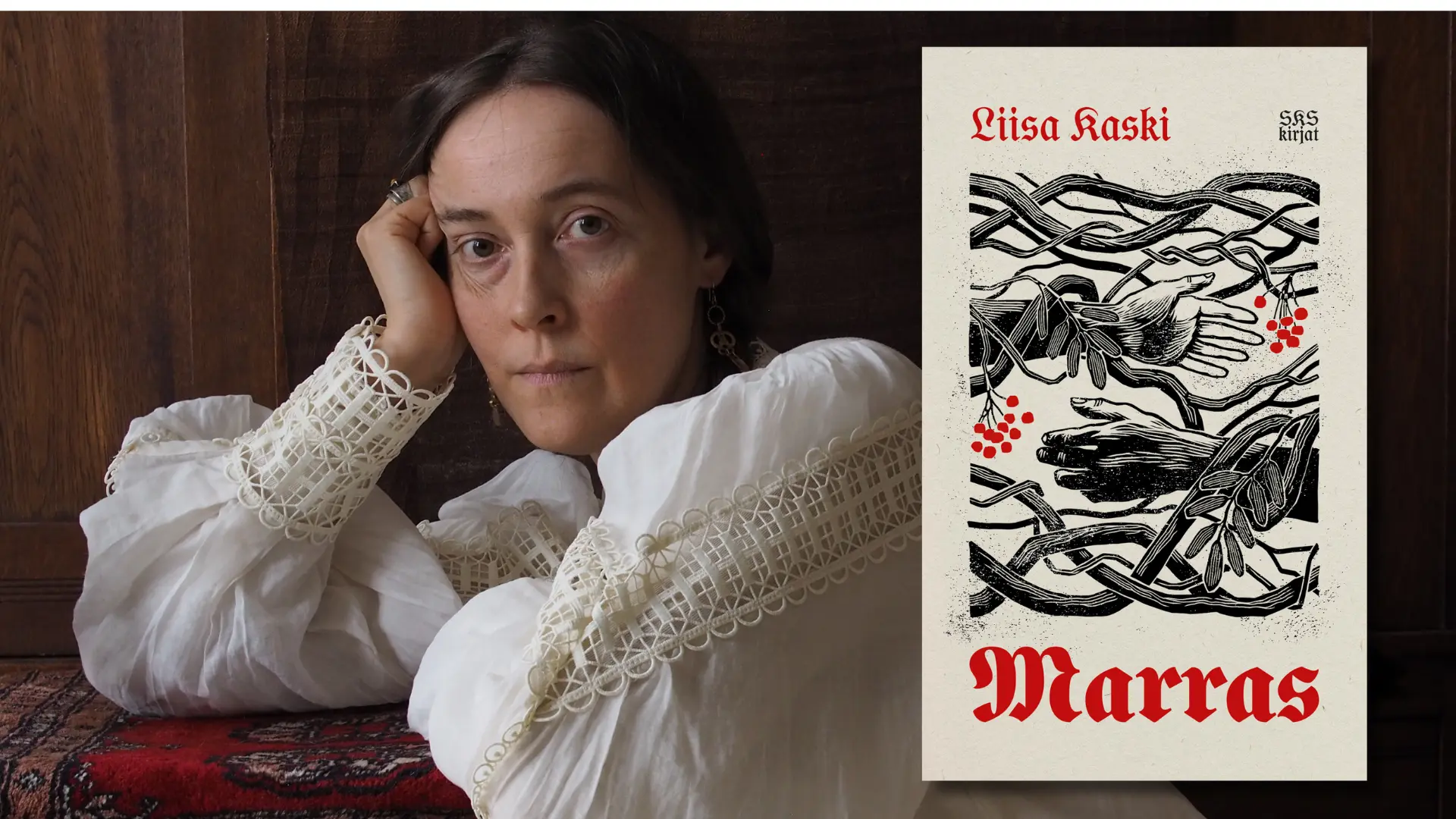
Finnish folklorist and philologist Liisa Kaski received the 2026 Helsingin Sanomat Literature Prize on Nov. 12 for her first novel, “Marras,” which draws on ancient harvest traditions, archaic language, and pre-Christian beliefs to explore cultural memory and humanity’s relationship with nature.
The novel, published by SKS Kirjat in August 2026, received Finland’s annual award for the best Finnish-language literary debut. According to Finnish public broadcaster Yle, the prize carries an award of 15,000 euros.
“Marras” is set during Kekri, a traditional Finnish harvest festival marking the end of the agricultural year, when the boundary between the living and the dead was believed to grow thinner. The story follows Valpuri, a woman living near a small village, who offers shelter to a mysterious stranger appearing at the edge of the forest.
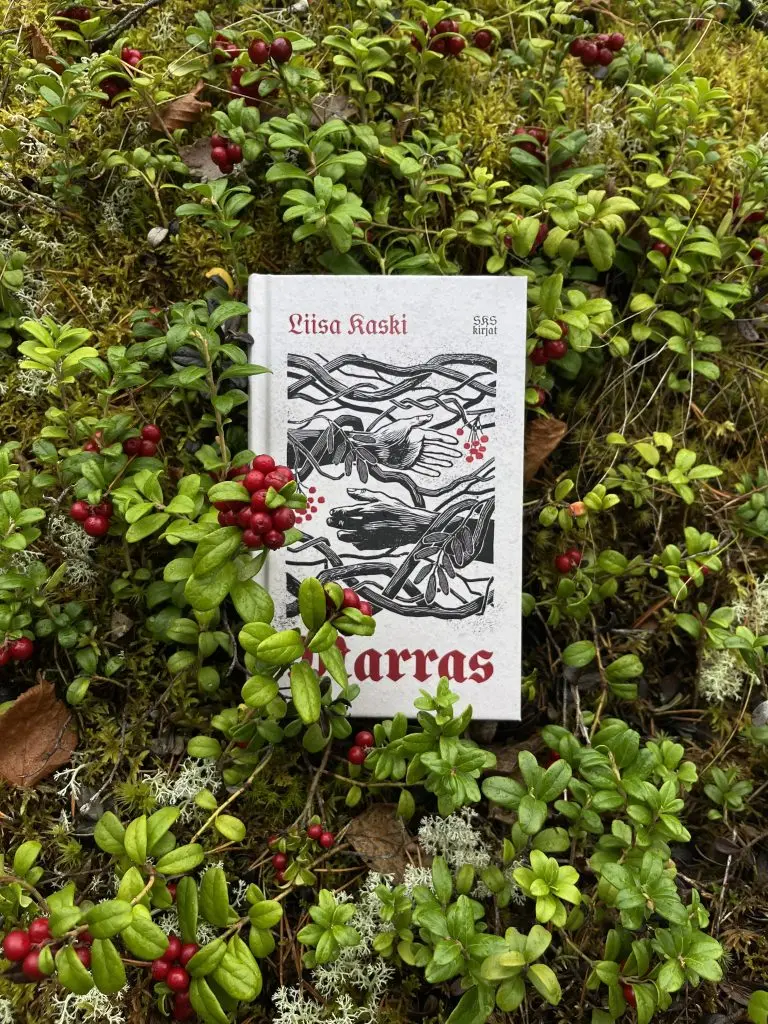
Image: SKS Kirjat
The novel explores the meeting of ancient Finnish beliefs and a changing world shaped by Christianity. Years after the encounter, Valpuri recounts the events to her brother Sigfrid, a Dominican friar whose understanding of the world is increasingly shaped by written knowledge and Christian teachings.
The novel also draws on a regional Finnish dialect that is gradually disappearing. In an interview with the magazine Suomen Luonto, Kaski explained that she based the book’s language on the dialect spoken in the region where the story takes place, removing words and expressions that would have been unfamiliar to people in medieval Finland.
The author said the dialect survives partly through historical linguistic records and collected folk poetry. She also drew a connection between the disappearance of local languages and traditions and the loss of natural environments, describing both as part of a broader erosion of cultural and ecological diversity.
The award jury praised Kaski’s use of folk poetry, archaic language, and Gothic elements to create an atmospheric narrative. It also highlighted the novel’s exploration of loneliness, death, and humanity’s relationship with other living beings.
Kaski, born in 1977, has studied folklore, mythology, and the history of humanity’s relationship with nature. “Marras” is her first novel. Literary rights agency Bonnier Rights Finland markets the work internationally under the English title “Hallow,” although an English-language edition has not been announced.
The novel was selected from seven finalists for the Helsingin Sanomat Literature Prize. A total of 64 debut works were submitted, with the shortlist comprising five novels, a poetry collection and an essay collection.
The other finalists were Laura Airola for “Mola mola,” Milla Härmä for “Loma,” Janne J. Olin for “Ne soi sulle,” Tiia Ketola for the poetry collection “Retiisisilmä,” and Vesa Rantama for the essay collection “Runominän vuosi.” Ketola, who lives in Kraków, Poland, explores abortion and bodily autonomy in her debut collection, drawing on Karelian traditions and incorporating elements of the Olonets Karelian language alongside Finnish.
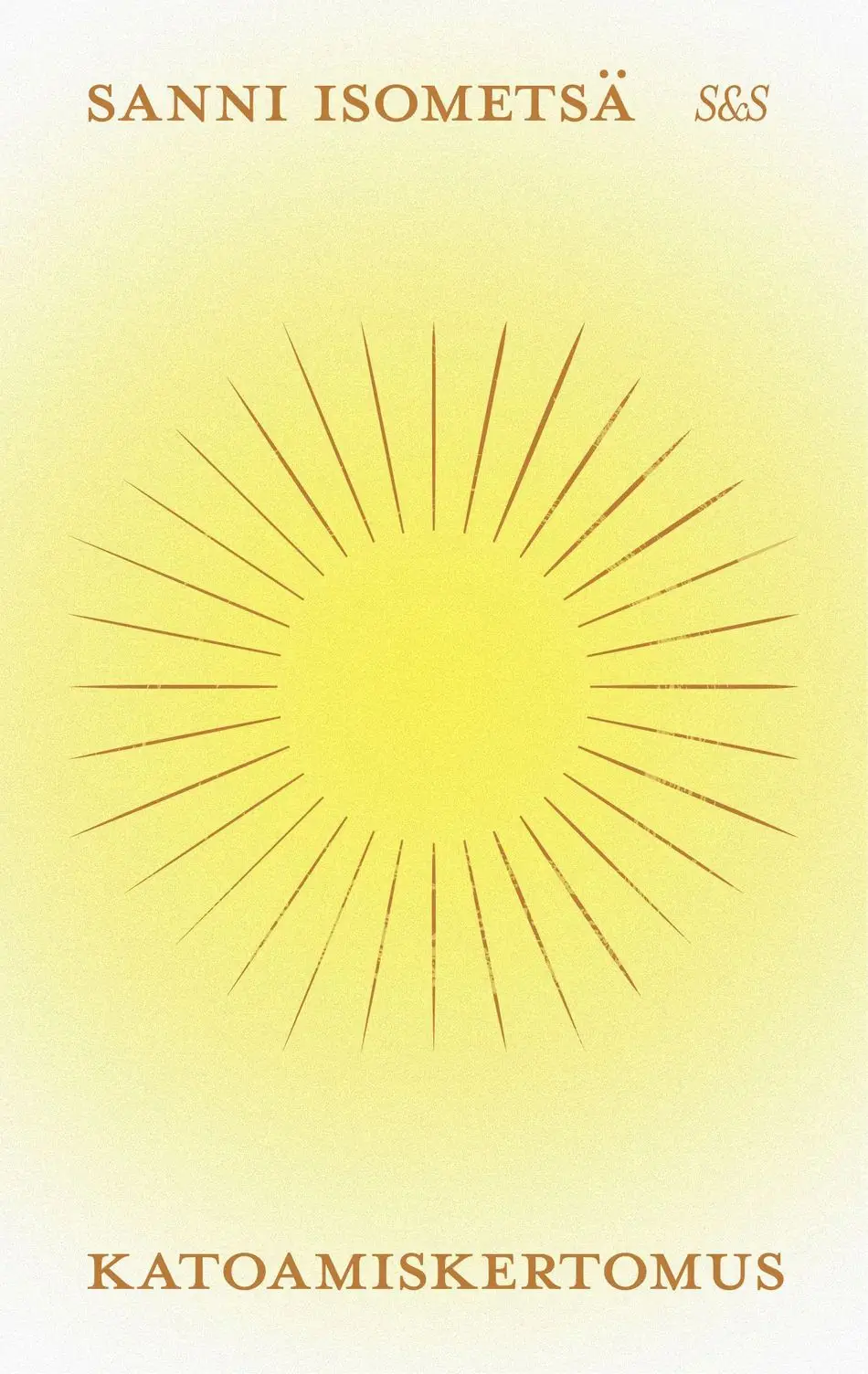
The jury also awarded an honourable mention to Sanni Isometsä for her debut novel “Katoamiskertomus,” published by S&S. The book explores grief following the death of a loved one and is also among the 2026 Finlandia Prize nominees.
“Marras” has received another nomination for the 2026 Aamulehti Tulenkantaja Prize, which recognises Finnish literary works considered to have strong potential for international readership. The winner is scheduled to be announced at the Tampere Book Festival on Nov. 29.
The novel’s recognition comes amid renewed interest in Finnish folklore and folk Gothic literature. In a November report, Yle highlighted the growing use of traditional beliefs, mythological figures, and supernatural themes in contemporary Finnish writing. The Finnish Literature Society’s publishing arm released three works drawing on folk Gothic traditions in 2026, reflecting this literary direction.
Established in 1995 by the Finnish newspaper Helsingin Sanomat as a successor to the J. H. Erkko Prize, the annual debut award was presented for the 32nd time in 2026. The 2025 winner was Mariia Niskavaara for her novel “Ester, teurastaja.”
As reported earlier, the 2026 Helsinki Book Fair attracted 112,214 visits from Oct. 22–25, with Ukrainian literature represented through books, translations, and events featuring authors including Kateryna Yegorushkina and Illarion Pavliuk.
Main image: SKS Kirjat
Читомо» — це медіа про книжки й літературу, що підтримувало українське книговидання задовго до того, як це стало трендом. Ставайте частиною історії — доєднуйтеся до Клубу Читомо!
the more you read, the greater the possibilities