* ESC - close the search window
children's books
From football clubs to rap: European study explores new ways to get children reading
18.11.2026
A new international study covering 20 countries highlights how unconventional approaches (such as combining books with children’s hobbies or organising interactive activities) can encourage young people to read. The research brings together practical examples and recommendations for bookshops seeking to reach children who rarely read for pleasure.
The RISE Reading Promotion Toolkit was developed by the European and International Booksellers Federation (EIBF) in partnership with Austrian research institute EDUCULT. It focuses on reading habits among children aged 9–15 and draws on existing research, surveys and interviews with booksellers, publishers, libraries and literacy organisations.
The toolkit brings together initiatives that connect reading with children’s existing interests, including football, music, gaming and creative activities.
EIBF Director Ewelina Oksiuta highlighted projects in Poland involving football clubs, Finnish workshops using rap lyrics and the French culture pass, which can encourage young readers to explore literature beyond their initial interest in manga.
In Poland, the BookStadion programme, launched by the Polish Book Institute in 2024, combines football and literature to encourage children and teenagers to read. The initiative works with football academies and clubs, using football biographies and interviews with athletes to introduce young people to books.
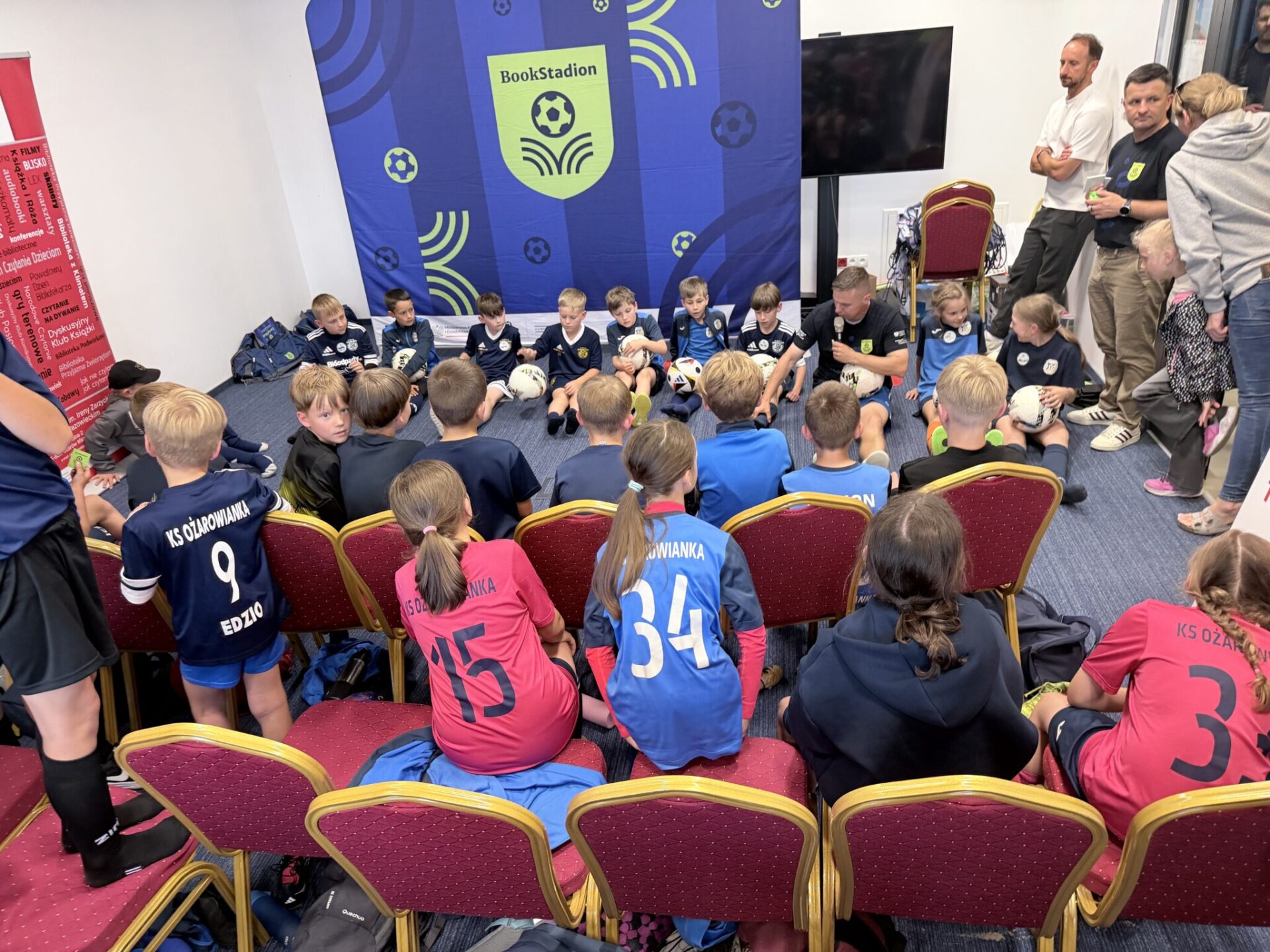
Photo: Biblioteka Publiczna im. Ireny Zarzyckiej w Ożarowie Mazowieckim
Reading events are also organised at stadiums. In April 2026, the Polish Book Institute announced an event in partnership with Wisła Kraków, featuring readings by footballers, literary competitions, a freestyle football performance and a stadium tour.
In Slovakia, the Kníhkupectvo na Korze bookshop in Humenné has taken a different approach. Since 2019, it has offered a reading scholarship to ten children aged 7–15 each school year. From September to June, participants can choose one free book per month in exchange for writing a review published on the bookshop’s website. The initiative encourages children to reflect on stories, characters and plots while expressing their own opinions. The bookshop has also organised writing workshops to help participants develop their skills.
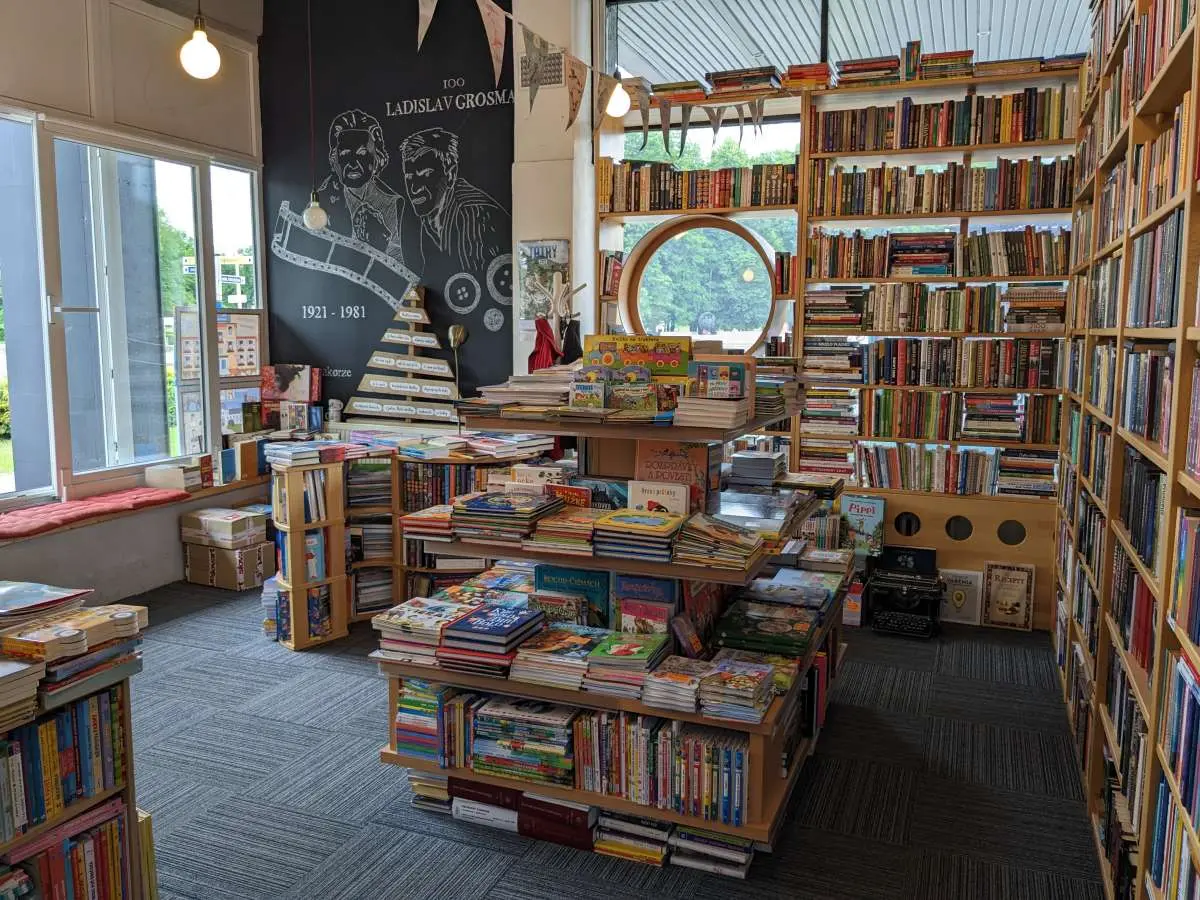
Photo: Nerobíme rozdiely / Kníhkupectvo Na korze
Latvia’s National Reading Aloud Competition offers another example of making reading a shared activity. Organised by the National Library of Latvia in cooperation with libraries and schools, the programme invites fifth- and sixth-grade pupils to choose books and read excerpts aloud.
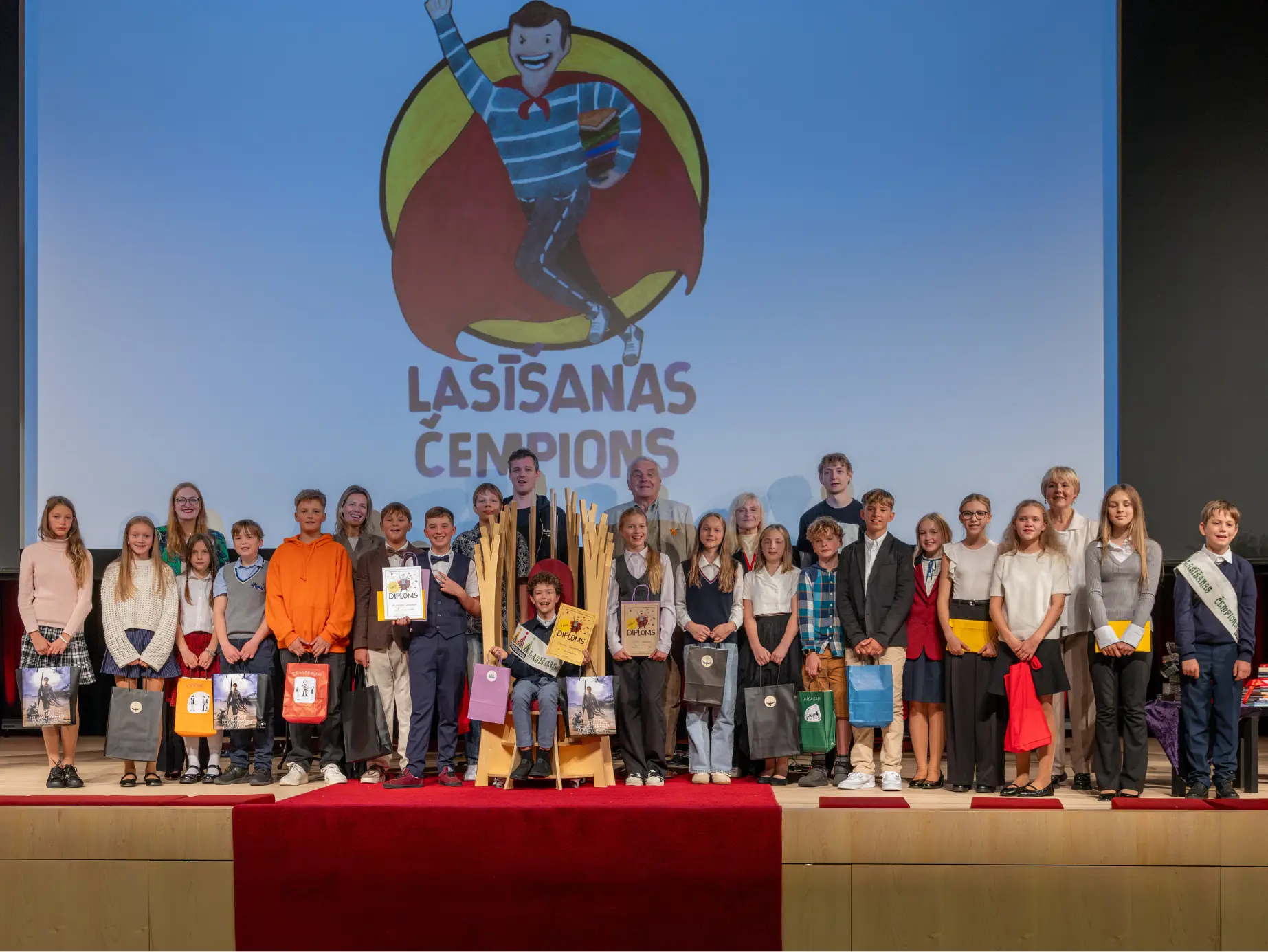
Photo: Kristians Luhaers / Latvijas Nacionālā bibliotēka
The 2026 competition involved 8,117 children from 269 schools across the country. Eighteen regional finalists competed at the National Library in Riga, with Emīls Trenmors from Kuldīga winning the national title. The competition has been running for nine years and forms part of Latvia’s wider efforts to encourage reading.
In Finland, the Words Matter project uses rap lyrics to develop literacy skills among young people who struggle with conventional reading activities. Launched in Helsinki in 2016, the programme initially targeted vocational students before expanding to special education and prisons.
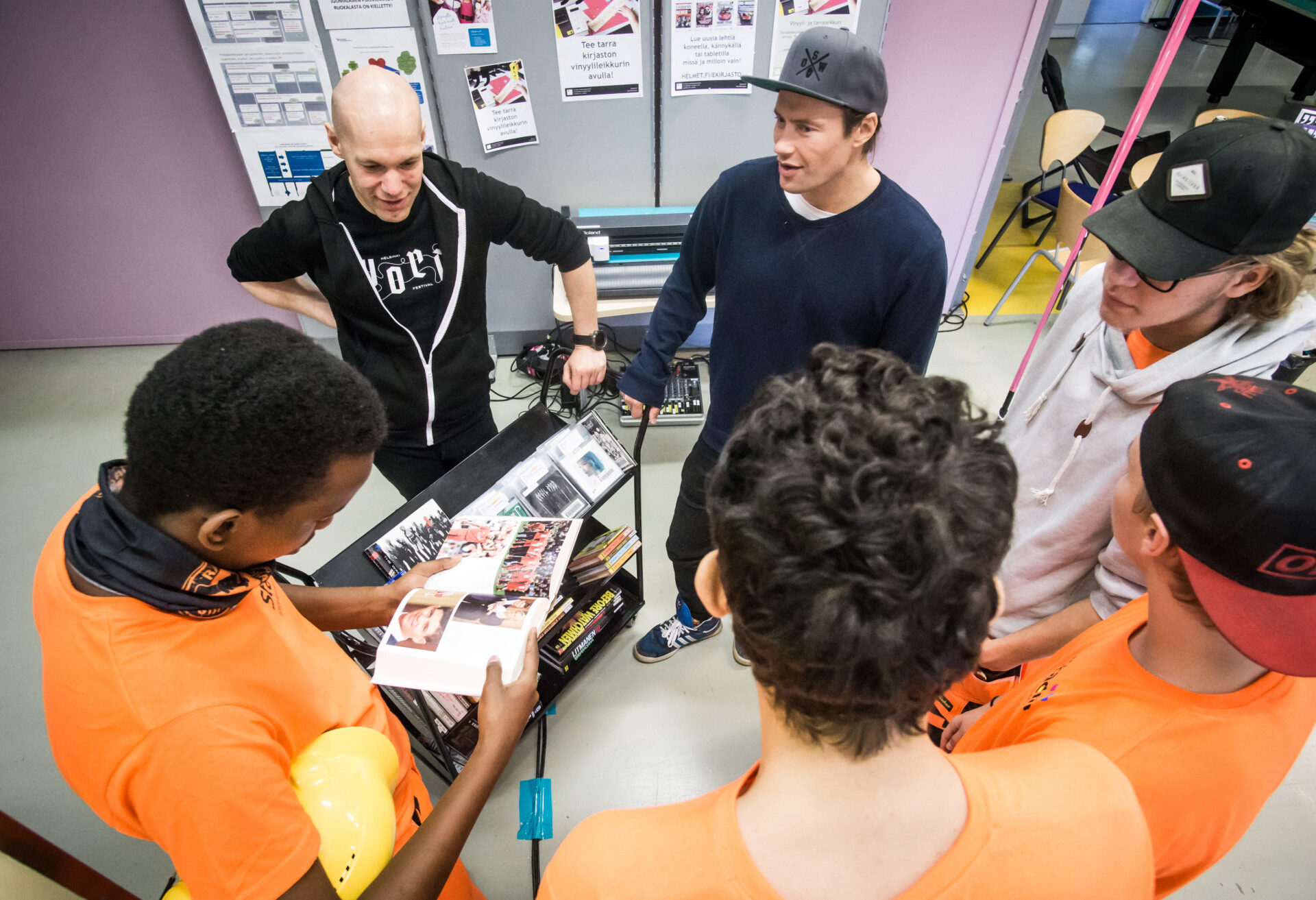
Photo: Finnish Reading Center (Lukukeskus)
By 2024, the workshops had reached nearly 10,000 young people aged 13–29. The initiative received the 2024 FELA Award for Innovative Literacy Promotion in Europe.
In Germany, the Eulennest bookshop in Baden-Baden organises Pokémon trading days to attract children who might not otherwise visit a bookshop. The activities use an interest in collecting and popular culture to create opportunities for reading and storytelling.
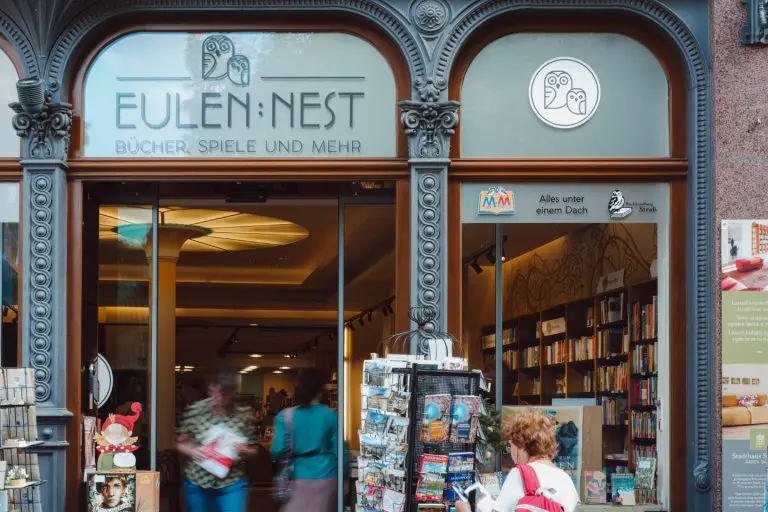
Photo: Buchhandlung Eulennest Baden-Baden
The research highlights how such initiatives can help bookshops reach children who do not identify as regular readers. It also emphasises that reading promotion does not necessarily require large budgets. Simple activities, such as displaying recommendations written by young readers or organising events with local schools, can provide opportunities for engagement.
Beyond individual projects, the research identifies the importance of stronger cooperation between organisations involved in reading promotion. The toolkit includes a catalogue of good practices, a practical checklist, a research report and policy recommendations. Its seven areas cover welcoming spaces, staff training, events, partnerships, interactive activities, sponsorship and connections between physical bookshops and digital platforms.
The federation recommends recognising booksellers as cultural and educational actors, involving them in reading policy development and providing better financial support for literacy initiatives.
The resources are available free of charge through the RISE Bookselling website. The project is co-funded by the EU’s Creative Europe programme.
The findings are relevant to ongoing discussions in Ukraine about access to books and the need to make reading part of everyday life. As reported earlier, a June 2026 study by Gradus Research, the Ministry of Culture and the Believe in Yourself Foundation found that communication campaigns alone are insufficient to establish lasting reading habits. The researchers emphasised the importance of accessible books, direct engagement and environments where reading becomes a regular social activity.
Main image: pexels
Читомо» — це медіа про книжки й літературу, що підтримувало українське книговидання задовго до того, як це стало трендом. Ставайте частиною історії — доєднуйтеся до Клубу Читомо!
the more you read, the greater the possibilities

22
book industry
Poland doubles funding for authors and publishers under public lending scheme
18.11.2026 -
43
BOOK MARKET
Polish publishers clash with Culture Ministry over proposed book pricing rules
12.11.2026 -