* ESC - close the search window
BOOK MARKET
Polish publishers clash with Culture Ministry over proposed book pricing rules
12.11.2026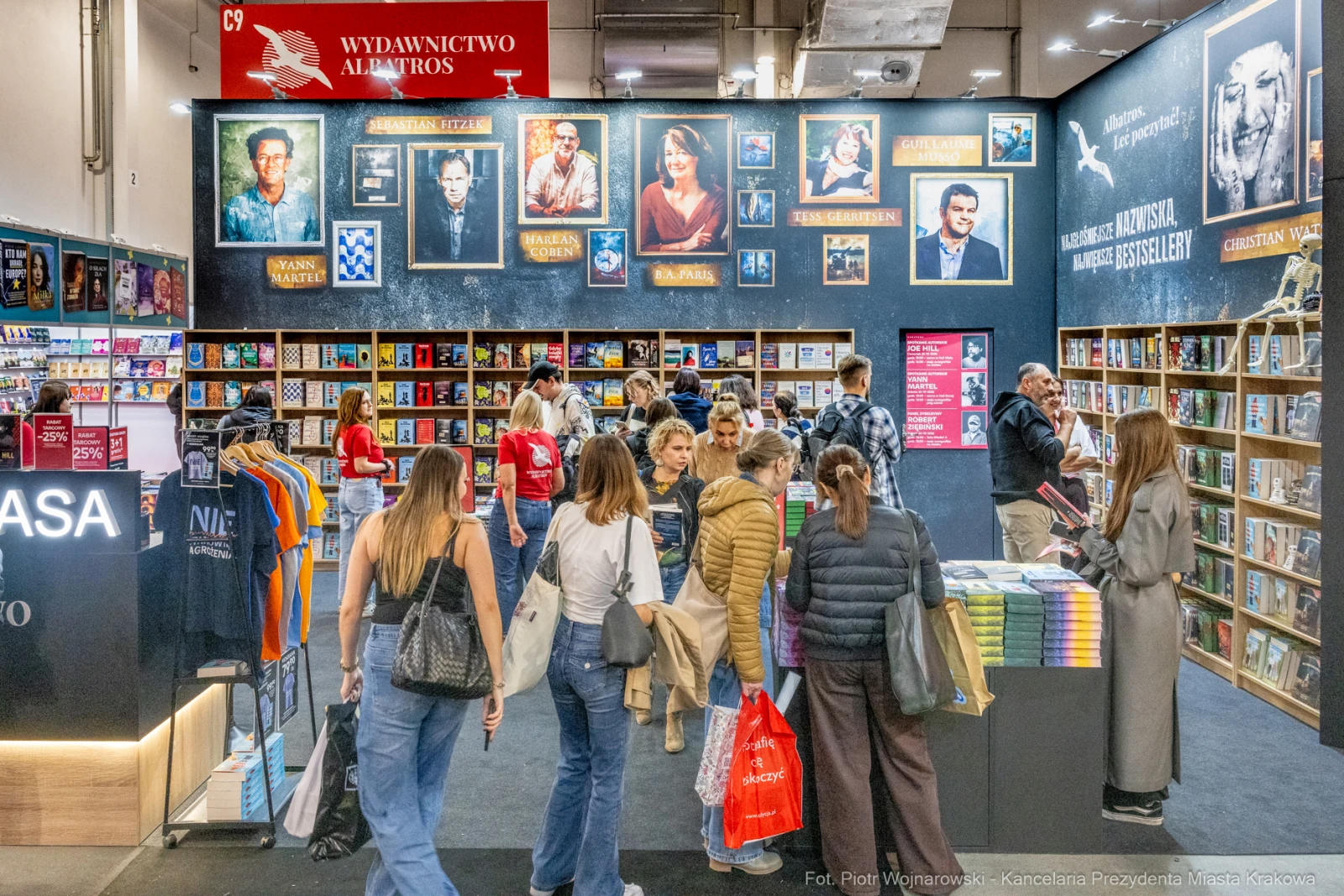
Plans to restrict discounts on newly released books have sparked a dispute in Poland, with publishers warning of higher prices for readers and the Culture Ministry arguing that the proposed regulations could help independent bookstores. The ministry has accused campaign organizers of spreading misinformation, a charge they rejected on Oct. 29. Culture Minister Marta Cienkowska says the legislation could be put to a vote around March 2027.
The dispute follows the launch of the “Nie podnoście Polakom cen książek” (“Don’t Raise Book Prices for Poles”) campaign on Oct. 22, ahead of the Kraków International Book Fair. Participating publishers include Znak, Rebis, Muza, Helion, Nasza Księgarnia, Media Rodzina, Zysk i S-ka, and others.
The campaign opposes Poland’s proposed Act on the Protection of the Book Market, particularly plans to introduce a uniform retail price for new books during their first 12 months on sale. Publishers argue that restricting discounts could make books less affordable, citing the example of a book with a cover price of around $12.70 that currently sells for approximately $8.90 after a 30% discount. They warn that readers could end up paying about $3.80 more for the same book and that new e-books and audiobooks might become unavailable through subscription services for up to a year.
The Polish Book Chamber responded, calling for a factual debate on the proposed legislation. The organization stressed that reforms were necessary as smaller publishers, independent bookstores, and distributors continued to disappear from the market. It encouraged the campaign organizers to participate in public consultations once the draft law becomes available.
On Oct. 23, 14 organisations representing Poland’s literary and publishing sectors, including groups supporting and opposing the proposed legislation, jointly called on Prime Minister Donald Tusk to release the full draft. They argued that access to the text was essential for an informed public debate on the future of the country’s book market.
Culture Ministry spokesperson Piotr Jędrzejowski accused several major publishers of conducting a misinformation campaign. He argued that some publishers artificially inflate cover prices to offer discounts of 35% to 40%, creating a misleading impression of savings. According to the ministry, uniform pricing could encourage more realistic prices while helping independent bookstores compete with large retailers.
The Book Publishers Association (Porozumienie Wydawców Książek) rejected the accusations on Oct. 29, disputing the suggestion that the campaign represented only large companies. It said its members were small and medium-sized publishers, while micro-publishers had also joined the initiative.
The association argued that cover prices reflect production, marketing, staffing, and distribution costs and cannot necessarily be reduced enough to offset the loss of discounts. Citing NielsenIQ BookData, it said the number of print books sold in Poland fell by 11.3% YoY in the first half of 2026, warning that further restrictions could weaken demand and reduce the number of titles published.
The debate continued into November. On Nov. 10, Marek Dobrowolski, vice president of publishing house Nasza Księgarnia and a member of the Book Publishers Association, published an economic analysis questioning the proposed 45% cap on wholesale discounts. He argued that maintaining publishers’ existing cost structures while reducing cover prices to current discounted retail levels could require distribution discounts of 26% to 38%, depending on the extent of the price reduction.
The proposed legislation would also cap wholesale distribution discounts at 45%, introduce a national system for reporting book sales data, and guarantee minimum royalties of 10% of a book’s cover price for authors and 3% for translators.
Cienkowska said the legislation was undergoing interministerial consultations. She emphasized the need to protect smaller bookstores and publishers while balancing the interests of different participants in the book market.
Public consultations are expected to follow the current review. The full draft has not yet been made public, and its provisions remain subject to change.
As reported earlier, the Book Publishers Association had already opposed fixed book pricing in March 2026, questioning research suggesting that the measure would help independent bookstores compete with larger retailers.
The debate comes amid mounting pressure on smaller publishing houses. At least five Polish publishers had closed, suspended operations, or stopped publishing literature since the beginning of 2026, citing challenges such as market concentration and distribution costs.
The proposed royalty protections also follow a campaign by Polish writers in August 2026 calling for statutory minimum payments amid concerns over low earnings in the country’s publishing industry.
Photo: Piotr Wojnarowski / City of Kraków
Читомо» — це медіа про книжки й літературу, що підтримувало українське книговидання задовго до того, як це стало трендом. Ставайте частиною історії — доєднуйтеся до Клубу Читомо!
the more you read, the greater the possibilities

24
ARTIFICIAL INTELLIGENCE
Oxford conference on the future of book publishing opens call for papers
12.11.2026 -
86
Comics
Poland’s comic book publishing output more than quadruples over 15 years, new report finds
05.11.2026 -