* ESC - close the search window
Poland
Poland’s largest journalism competition names 14 book award finalists, including a work on Russia’s war against Ukraine
25.11.2026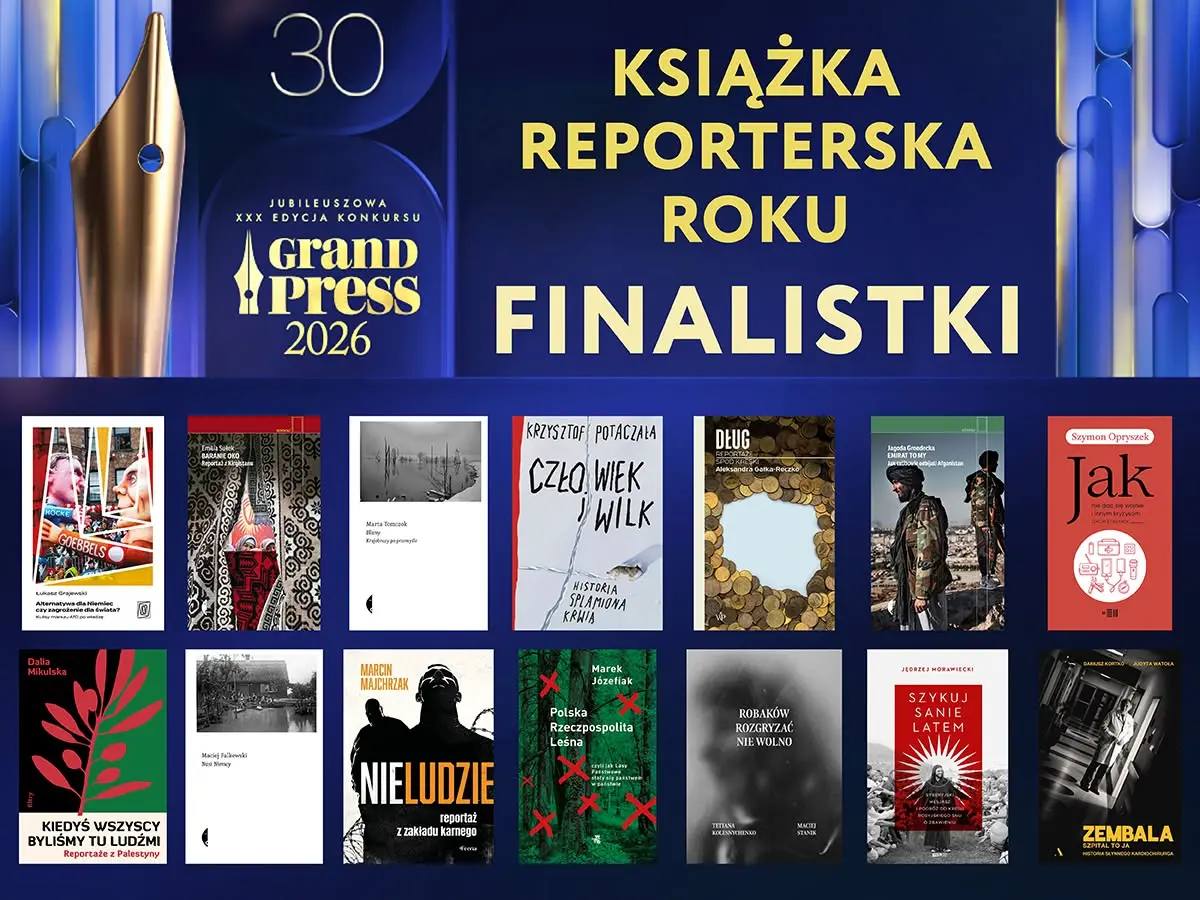
The jury of Poland’s Grand Press Reportage Book of the Year award (Książka Reporterska Roku) selected the finalists for its seventh edition on Nov. 18, following an evaluation process that began in August. The winners will be announced on Dec. 7 during the annual Grand Press awards ceremony.
The nominated books explore a range of international and domestic issues, from the Taliban’s return to power in Afghanistan and the rise of Germany’s far right to Russia’s war against Ukraine, environmental degradation, and social inequality.
The finalists for the 2026 award are:
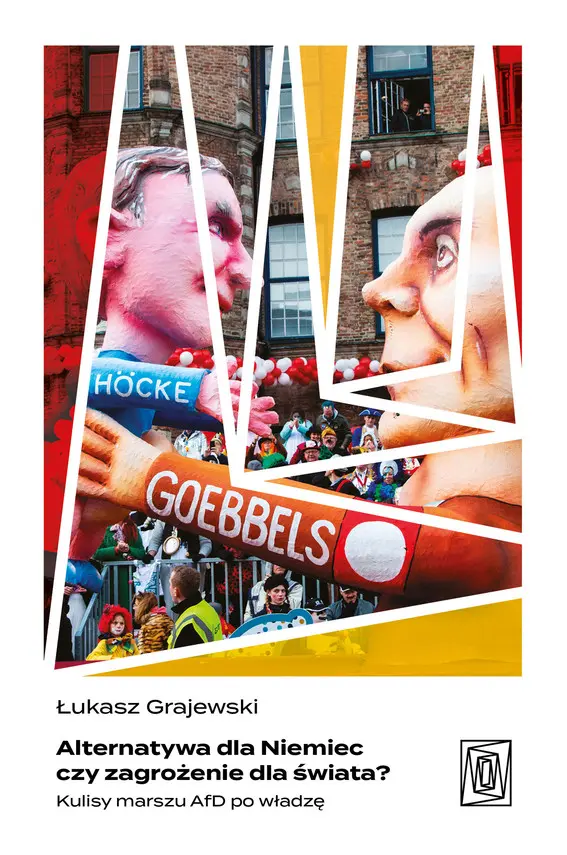
- “Alternatywa dla Niemiec czy zagrożenie dla świata? Kulisy marszu AfD po władzę” by Łukasz Grajewski (Szczeliny);
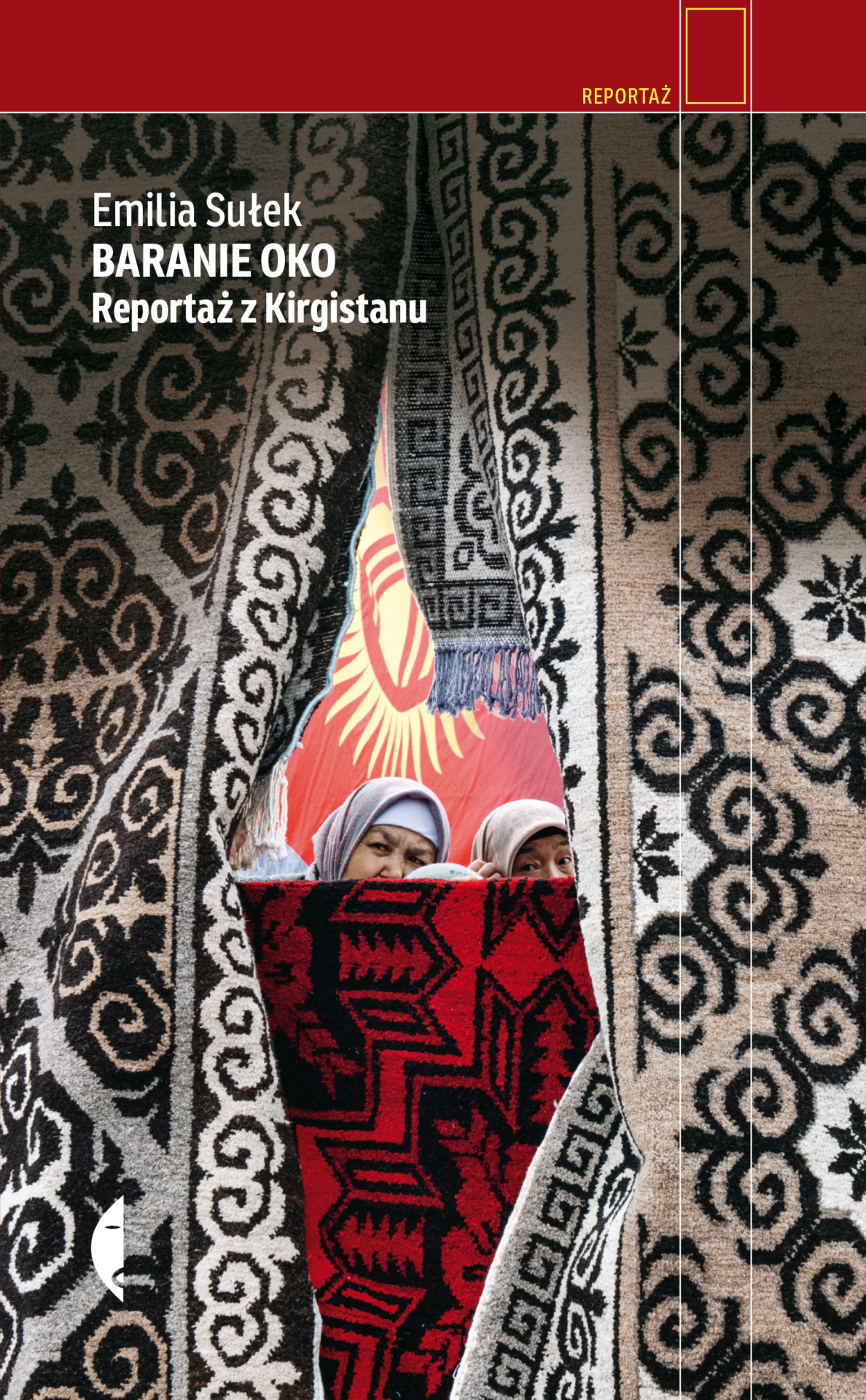
- “Baranie oko. Reportaż z Kirgistanu” by Emilia Sułek (Czarne);
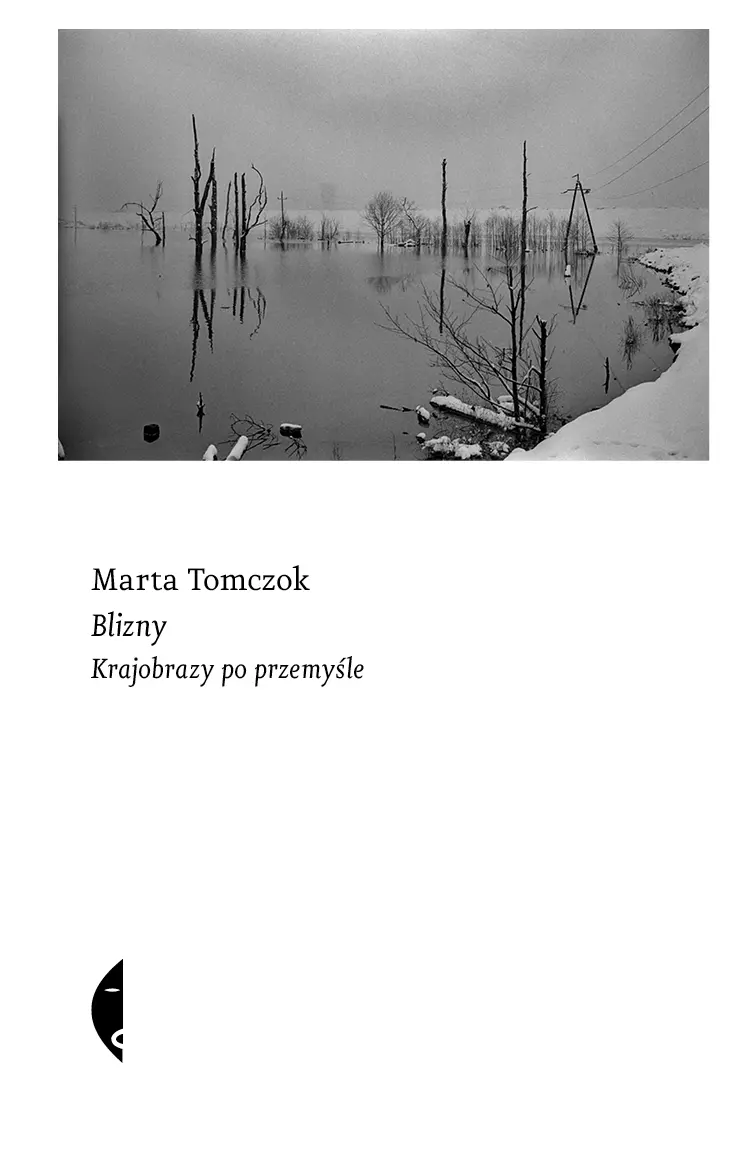
- “Blizny. Krajobrazy po przemyśle” by Marta Tomczok (Czarne);
- “Człowiek i wilk. Historia splamiona krwią” by Krzysztof Potaczała (Znak Horyzont);
- “Dług. Reportaże spod kreski” by Aleksandra Gałka-Reczko (Wydawnictwo Poznańskie);
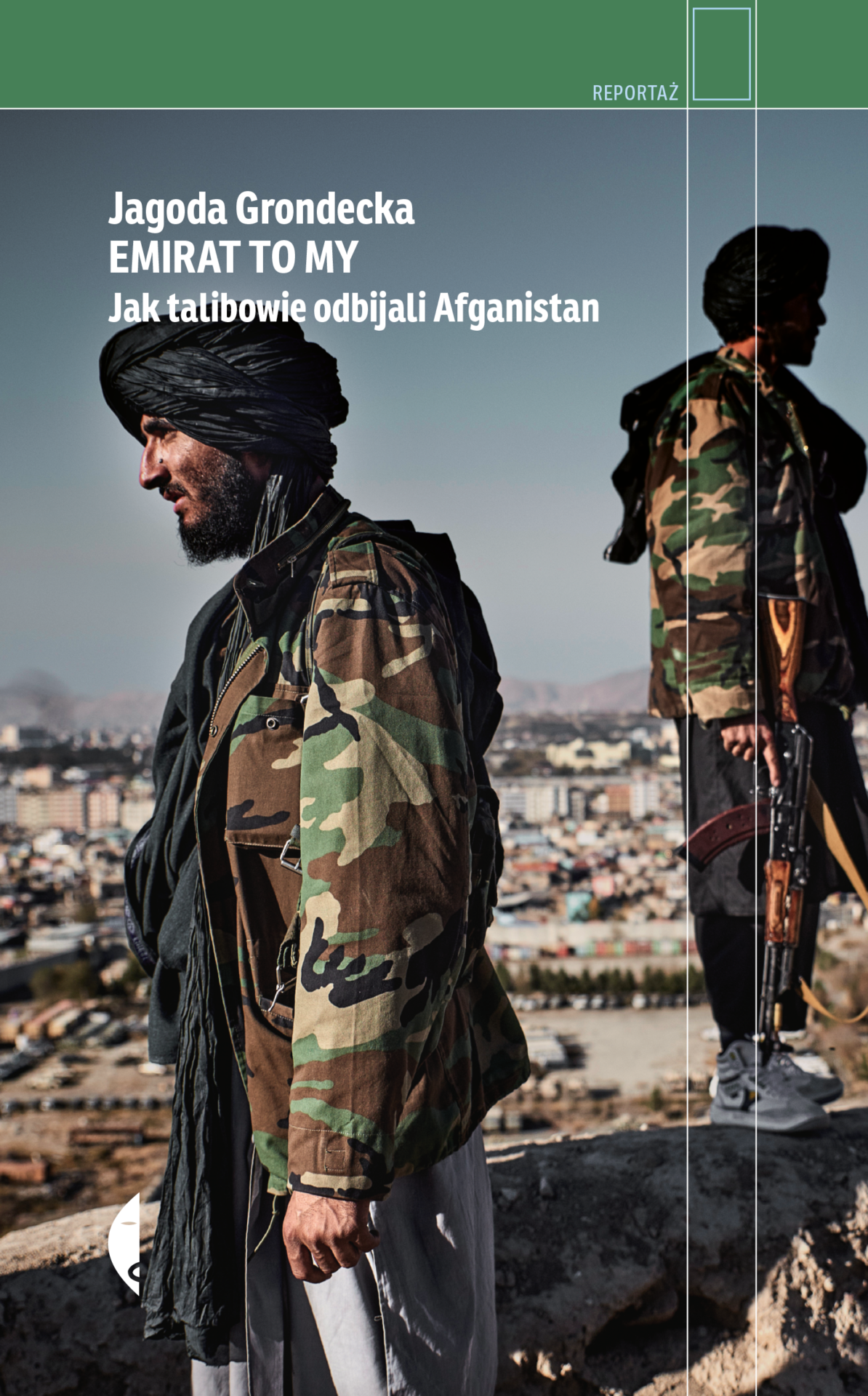
- “Emirat to my. Jak talibowie odbijali Afganistan” by Jagoda Grondecka (Czarne);
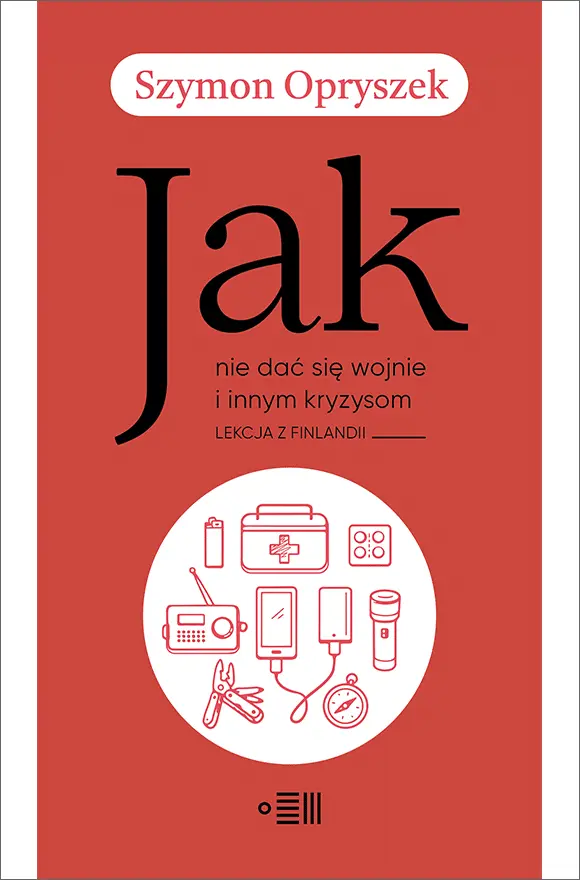
- “Jak nie dać się wojnie i innym kryzysom. Lekcja z Finlandii” by Szymon Opryszek (Dowody);
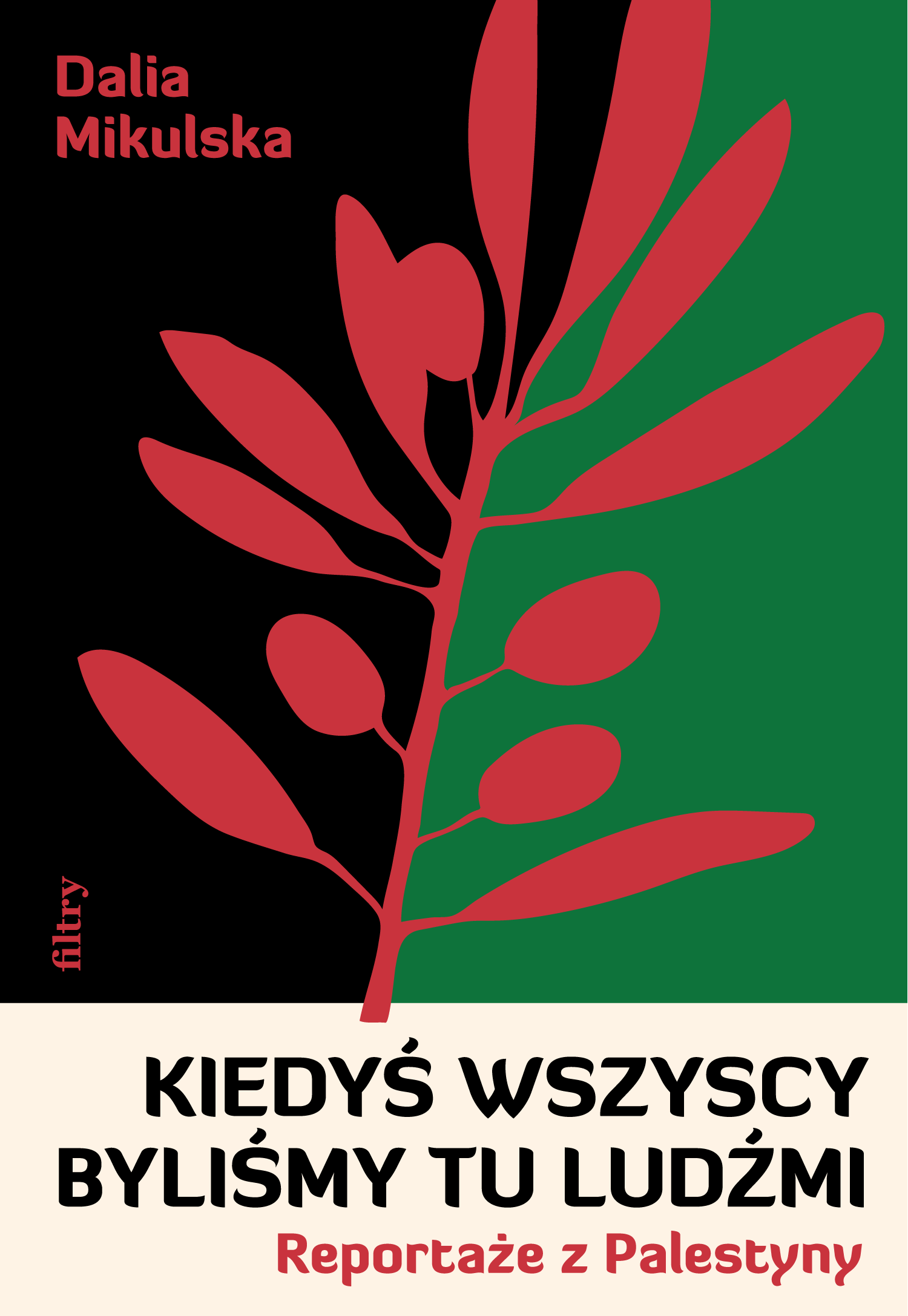
- “Kiedyś wszyscy byliśmy tu ludźmi. Reportaże z Palestyny” by Dalia Mikulska (Filtry);
- “Nasi Niemcy” by Maciej Falkowski (Czarne);
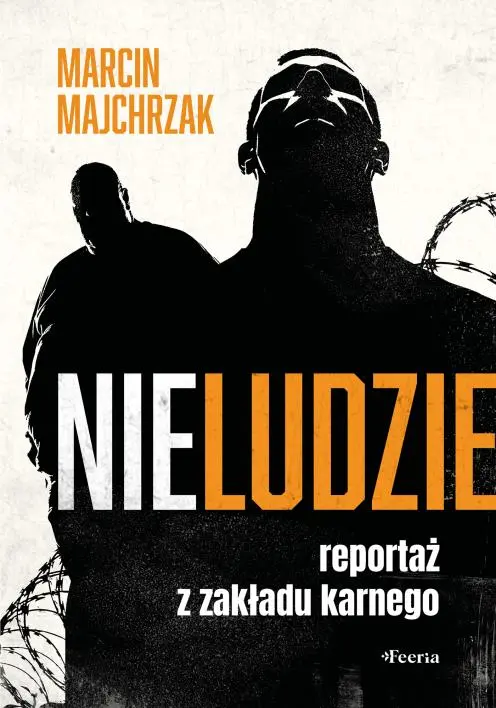
- “Nieludzie. Reportaż z zakładu karnego” by Marcin Majchrzak (Feeria);
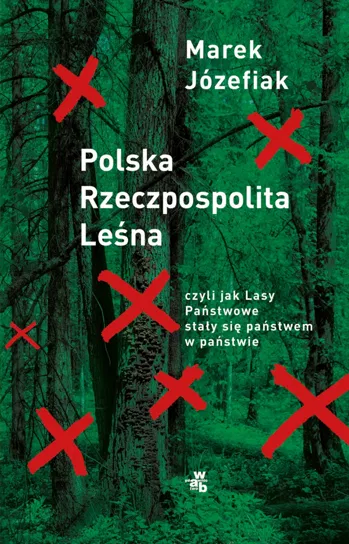
- “Polska Rzeczpospolita Leśna, czyli jak Lasy Państwowe stały się państwem w państwie” by Marek Józefiak (W.A.B.);
- “Robaków rozgryzać nie wolno” by Tetiana Kolesnychenko and Maciej Stanik (Mieroszewski Centre and Nowa Polszcza);
- “Szykuj sanie latem. Syberyjski mesjasz i podróż do kresu rosyjskiego snu o zbawieniu” by Jędrzej Morawiecki (Znak Literanova);
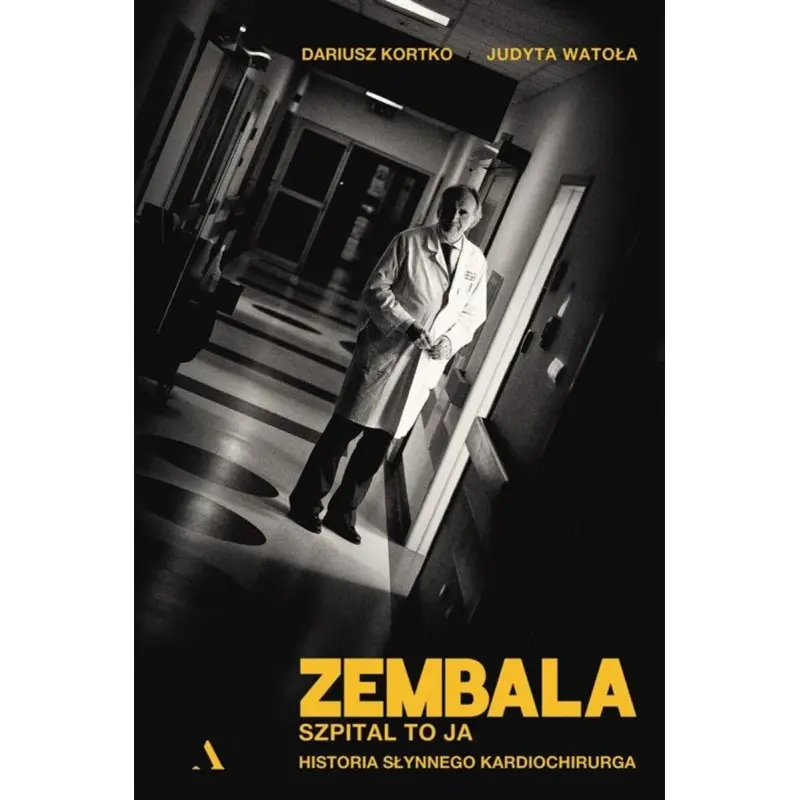
- “Zembala. Szpital to ja. Historia słynnego kardiochirurga” by Dariusz Kortko and Judyta Watoła (Agora).
Polish publishing house Czarne accounts for four of the nominated titles, more than any other publisher represented on the list.
In “Emirat to my. Jak talibowie odbijali Afganistan,” journalist Jagoda Grondecka examines Afghanistan following the withdrawal of US forces, exploring how Afghan society has responded to the country’s changing political circumstances.
Emilia Sułek explores contemporary Kyrgyzstan, its cultural traditions, and social transformations in “Baranie oko. Reportaż z Kirgistanu.”
Marta Tomczok investigates the social and environmental legacy of Poland’s industrial development in “Blizny. Krajobrazy po przemyśle,” while Szymon Opryszek examines Finland’s approach to crisis preparedness in “Jak nie dać się wojnie i innym kryzysom. Lekcja z Finlandii.”
Dalia Mikulska documents Palestinian experiences of conflict and occupation in “Kiedyś wszyscy byliśmy tu ludźmi. Reportaże z Palestyny,” while Marcin Majchrzak examines life within Poland’s prison system in “Nieludzie. Reportaż z zakładu karnego.”
Environmental policy expert Marek Józefiak investigates the financial and political influence of Poland’s State Forests in “Polska Rzeczpospolita Leśna, czyli jak Lasy Państwowe stały się państwem w państwie.”
In “Alternatywa dla Niemiec czy zagrożenie dla świata? Kulisy marszu AfD po władzę,” journalist Łukasz Grajewski traces the rise of the Alternative for Germany (AfD) party, drawing on interviews with its politicians, activists, supporters, and opponents.
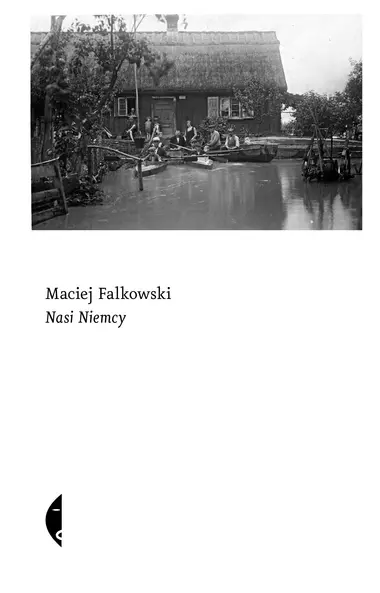
Polish-German relations are also explored in “Nasi Niemcy” by Maciej Falkowski, who traces the centuries-long presence of German communities in what is now Poland. The book recounts the experiences of those forced to leave after World War II and those who remained and became part of Polish society.
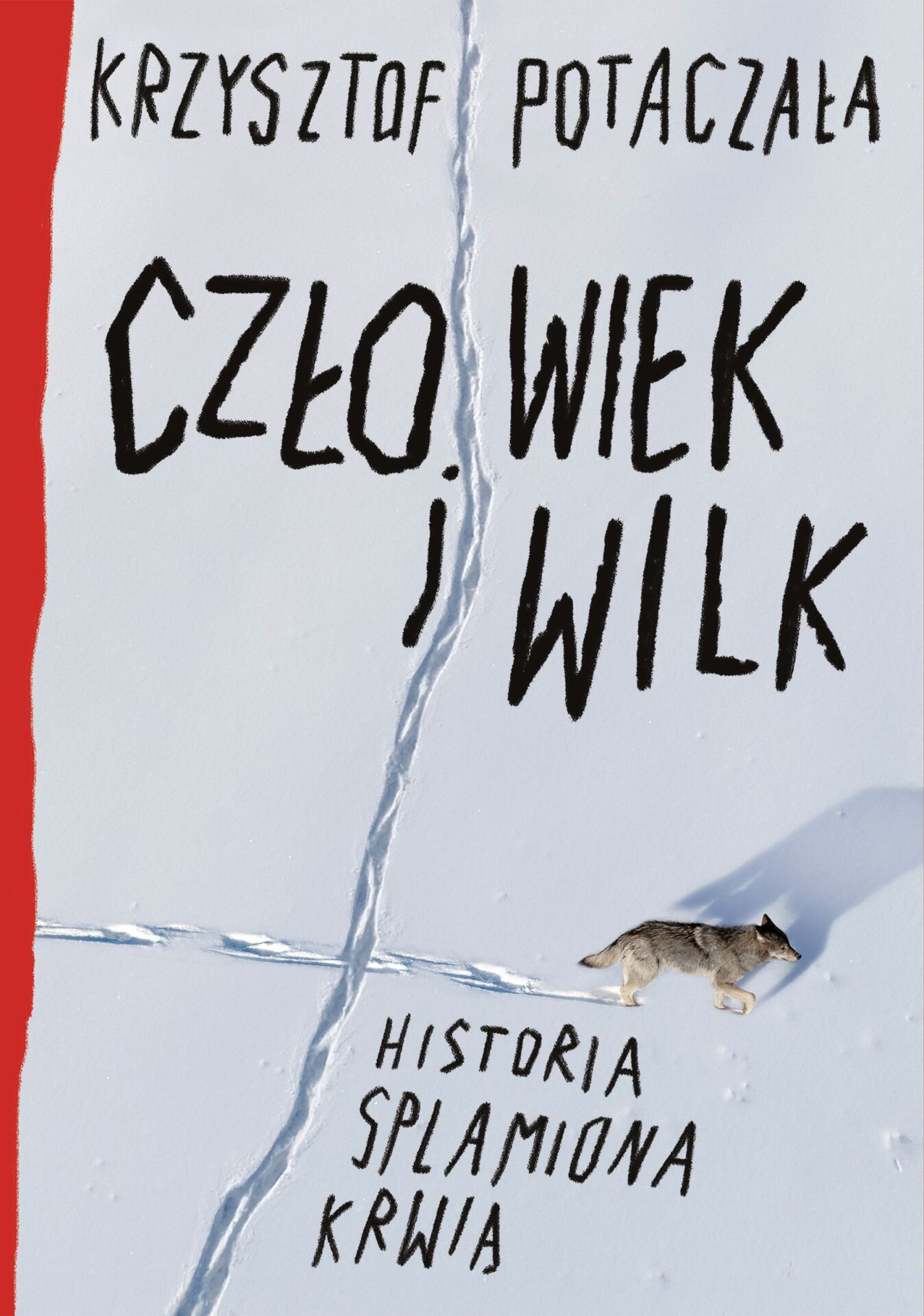
In “Człowiek i wilk. Historia splamiona krwią,” journalist Krzysztof Potaczała examines the persecution of wolves in Poland, focusing on a nationwide extermination campaign under the communist authorities and the tensions between wildlife conservation and human interests.
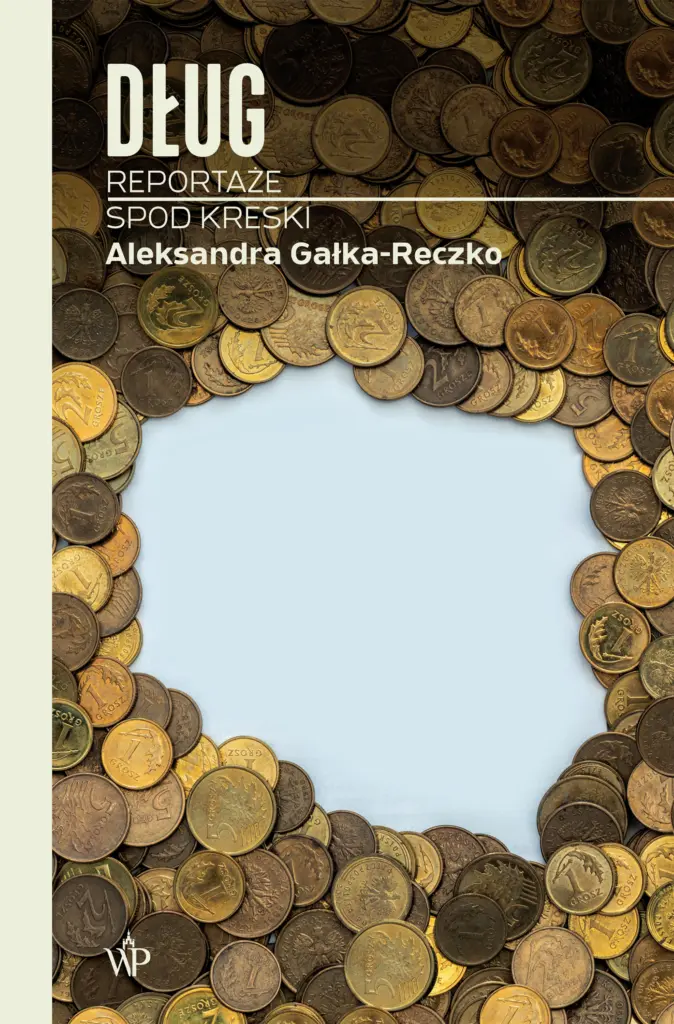
Aleksandra Gałka-Reczko explores the social and psychological consequences of debt in “Dług. Reportaże spod kreski,” drawing on the personal experiences of people in debt, a former debt collector, and a court enforcement officer.
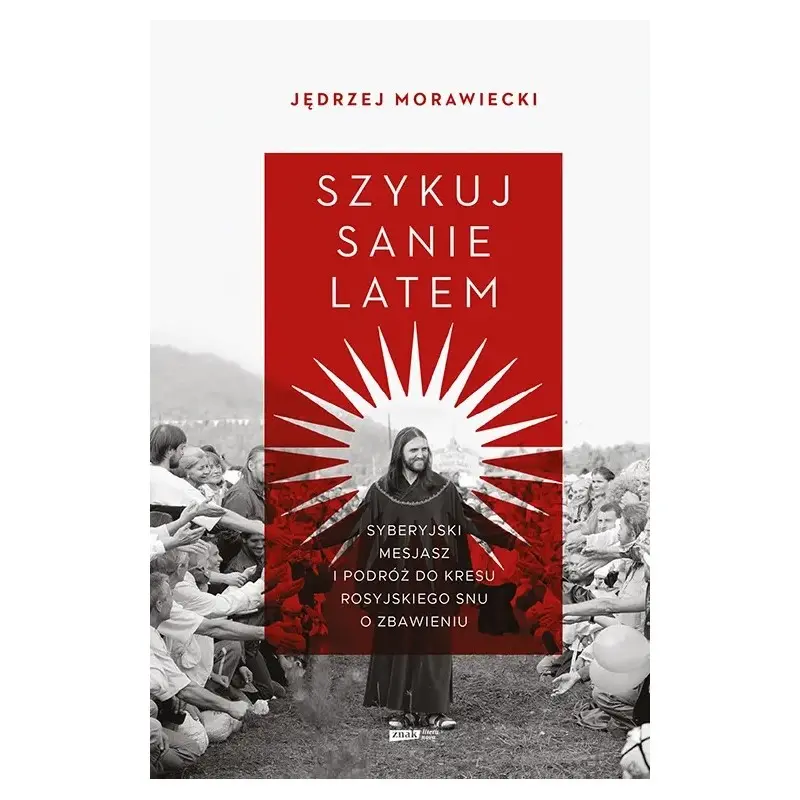
In “Szykuj sanie latem. Syberyjski mesjasz i podróż do kresu rosyjskiego snu o zbawieniu,” Polish journalist and researcher Jędrzej Morawiecki investigates a religious sect in Siberia whose followers sought to establish a utopian community. Having followed the lives of its members for more than two decades, Morawiecki examines the relationship between faith, manipulation, and authoritarianism.
The biography “Zembala. Szpital to ja. Historia słynnego kardiochirurga” by journalists Dariusz Kortko and Judyta Watoła recounts the life of Polish cardiac surgeon Marian Zembala, examining his contributions to transplant medicine, his professional ambitions, and the complexities of his leadership.
Another nominated work, “Robaków rozgryzać nie wolno” (“You Must Not Chew Worms”), combines reportage by Ukrainian journalist Tetiana Kolesnychenko with photographs by Polish photojournalist Maciej Stanik. Published in February 2026, the book documents the experiences of bereaved families, military personnel, former prisoners of war, and civilians rebuilding their lives following Russian attacks.
Among those featured in the book is Yaroslav Bazylevych, a resident of Lviv who lost his wife and three daughters in a Russian missile strike. Other chapters document the experiences of Ukrainian prisoners of war and the consequences of Russia’s destruction of the Kakhovka dam in June 2023. The book’s title comes from accounts of prisoners who were forced to eat worms because of extreme hunger in Russian captivity.
Kolesnychenko reports for the Polish news outlet Wirtualna Polska and has covered Russia’s full-scale war against Ukraine since 2022. She received the Dariusz Fikus Award in 2024 and 2025, a Grand Press award in 2024, and the Polish Press Agency’s Ryszard Kapuściński Award for Journalists in 2025 for her reporting on sexual violence committed by Russian soldiers against Ukrainian women.
Stanik, who has documented events in Ukraine, Syria, Afghanistan, and Nagorno-Karabakh, received second prize in the 2021 Grand Press Photo competition and both the Dariusz Fikus and Grand Press awards in 2024
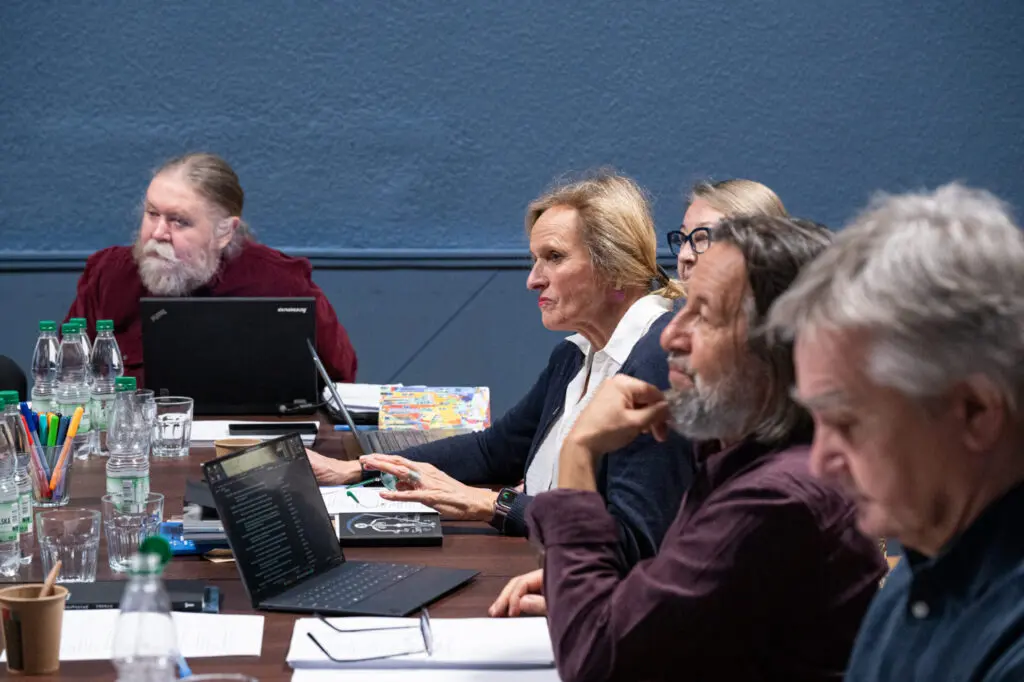
The jury consists of Marcin Kowalczyk, Roman Kurkiewicz, Weronika Mirowska, Beata Stasińska, and Małgorzata Szejnert.
In the next stage of the competition, the jury will narrow the selection to five books before choosing the winner. Readers will also be able to vote for their favorite among the five shortlisted titles, with a separate Readers’ Award presented to the winner of the public vote.
The awards ceremony will be broadcast on TVN24 and streamed on the Grand Press Foundation’s YouTube and Facebook channels.
Established in 2020, the Reportage Book of the Year award is part of Grand Press, Poland’s annual journalism competition, which has been held since 1997 and marks its 30th edition in 2026. The book award recognizes excellence in reporting and the depth and quality of journalistic research. The competition is organized by the Grand Press Foundation, with the city of Wrocław serving as a partner of the book award.
In 2025, the jury awarded the main prize jointly to Adam Zadworny for “Heweliusz. Tajemnica katastrofy na Bałtyku,” an investigation into a Baltic Sea maritime disaster, and Urszula Glensk for “Pinezka. Historie z granicy polsko-białoruskiej,” which documents the situation along the Polish-Belarusian border. Both books were published by Czarne. Glensk also received the Readers’ Award.
Another major Polish literary reportage prize is the Ryszard Kapuściński Award, which recognizes works by Polish and international authors published in Polish. As reported earlier, British journalist and writer Peter Pomerantsev won the 2026 award for “How to Win an Information War: The Propagandist Who Outwitted Hitler.” Ukrainian writer Myroslav Laiuk was also longlisted for the award for his book “Bakhmut.”
Image: Grand Press Foundation’s Facebook page
Читомо» — це медіа про книжки й літературу, що підтримувало українське книговидання задовго до того, як це стало трендом. Ставайте частиною історії — доєднуйтеся до Клубу Читомо!
the more you read, the greater the possibilities
39
European Poet of Freedom
Poland’s European Poet of Freedom Prize names first all-women shortlist for 2028
20.11.2026 -
61
children's books
From football clubs to rap: European study explores new ways to get children reading
18.11.2026 -