* ESC - close the search window
European Poet of Freedom
Poland’s European Poet of Freedom Prize names first all-women shortlist for 2028
20.11.2026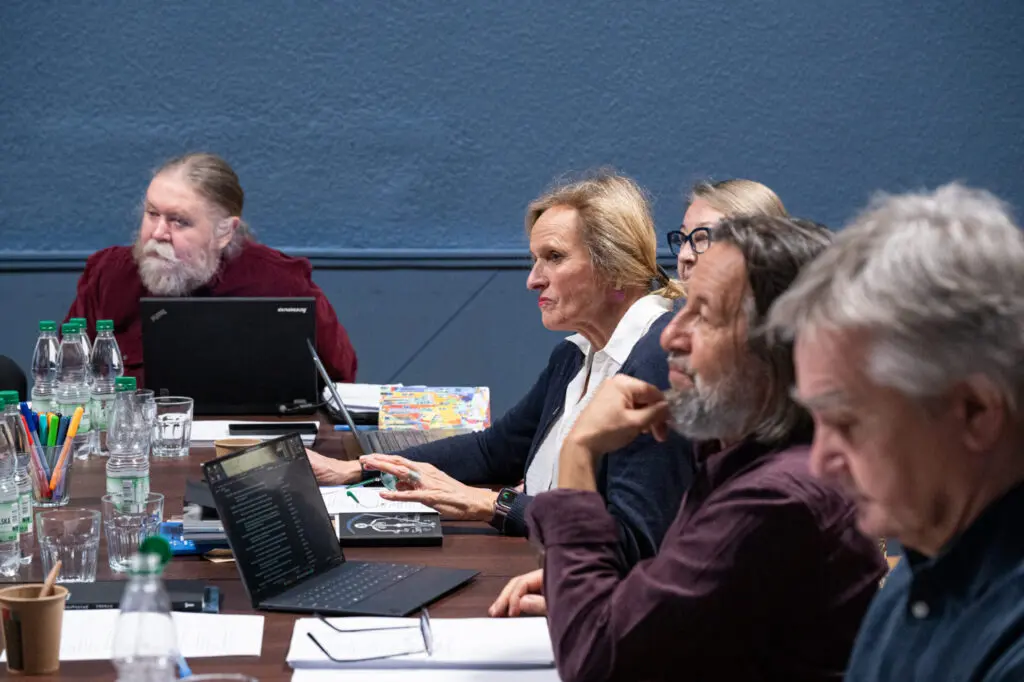
Six poets writing in Bosnian, Swedish, Castilian Spanish and Ladino will have their work translated into Polish for the next edition of Gdańsk’s international literary prize, which recognises translators alongside the authors whose work they bring to new audiences.
The European Poet of Freedom Literary Award announced its 2028 shortlist on Nov. 10, selecting six poets and eight translators from 20 submissions. For the first time in the prize’s history, all the shortlisted poets and translators are women.
The finalists and their Polish translators are:
- Selma Asotić (Bosnian) — Paulina Janssen and Magdalena Koch.
- Linnea Axelsson (Swedish) — Anna Mroczek.
- Lina Ekdahl (Swedish) — Justyna Czechowska.
- Olvido García Valdés (Castilian Spanish) — Marta Eloy Cichocka.
- Margalit Matitiahu (Ladino) — Agnieszka August-Zarębska.
- Cristina Peri Rossi (Castilian Spanish) — Małgorzata Kozek and Magdalena Szkwarek.
The shortlist includes writers whose poetry explores war, displacement, cultural identity and the preservation of endangered languages. In their published recommendations, the jurors highlighted several collections by the finalists, although the organisers have not yet specified all six works that will appear in Polish.
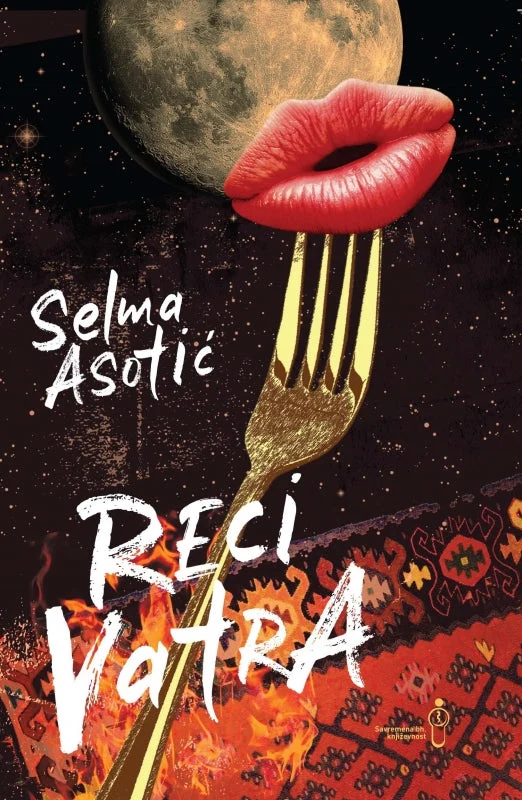
Bosnian poet Selma Asotić, born in Sarajevo in 1992 and now based in the United States, made her debut in 2022 with the collection “Reci vatra” (“Say Fire”). The jury highlighted its imagery of fire as a symbol of war and destruction, but also resistance, transformation and the preservation of memory. The collection also explores women’s experiences and inherited trauma.
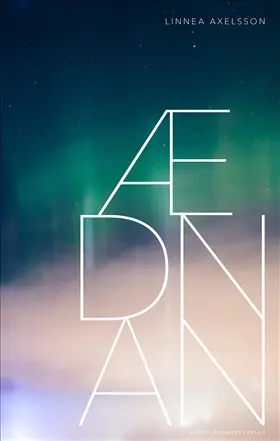
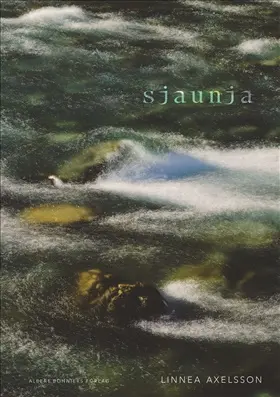
Swedish-Sámi poet Linnea Axelsson addresses the experiences of Sweden’s Indigenous Sámi people. Her acclaimed epic poem “Ædnan” (2018) explores forced displacement, racial discrimination and the consequences of Swedish colonial policies. The jury also underlined her 2024 collection “Sjaunja,” which draws on Sámi mythology and explores identity, the loss of ancestral language and the relationship between people and nature.
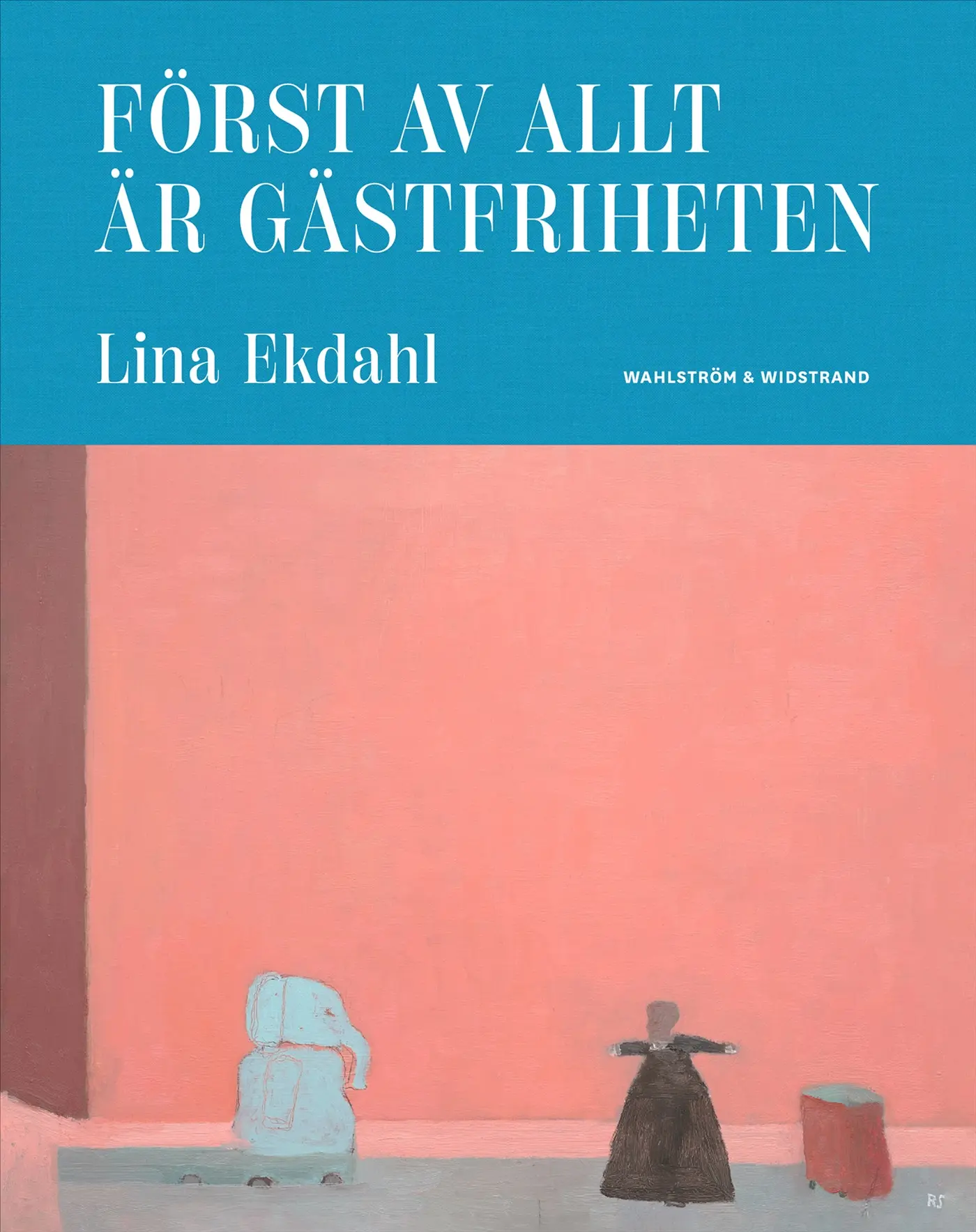
Another Swedish finalist, Lina Ekdahl, published her collection “Först av allt är gästfriheten” (“Hospitality Comes First”) in February 2026. The book examines how societies welcome or reject outsiders, using humour, absurdity and animal imagery to explore hospitality, migration and collective responsibility. The jury described the collection as a reflection on contemporary Europe, where some newcomers are welcomed while others are excluded.
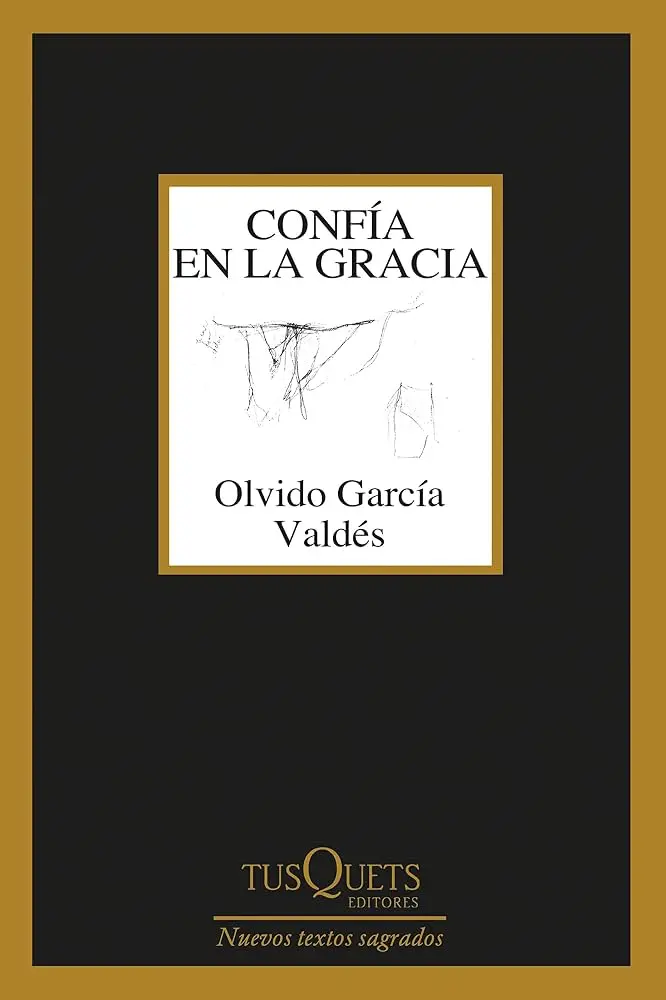
The jury also discussed Spanish poet Olvido García Valdés’s collection “confía en la gracia,” written between 2012 and 2019. Her poetry challenges conventional language and syntax, exploring perception, memory, nature and death while leaving readers room for their own interpretations.
Margalit Matitiahu writes in Ladino, an endangered Judeo-Spanish language historically spoken by Sephardic Jewish communities. Born to a family of Jewish immigrants from Thessaloniki, she initially published poetry in Hebrew before turning to Ladino in the 1980s. Her writing explores Sephardic history, the Holocaust, cultural memory and the preservation of linguistic heritage.
The shortlist also includes Cristina Peri Rossi, the Uruguayan-born writer who has lived in Spain since fleeing political repression in 1972. A recipient of the 2021 Miguel de Cervantes Prize, one of the leading honours in Spanish-language literature, she is known for exploring exile, identity, freedom and social exclusion.
The jury met in Gdańsk on Nov. 6 under the chairmanship of cultural activist Krzysztof Czyżewski. Its members included Nobel Prize-winning Polish writer Olga Tokarczuk, literary scholar Michał Rusinek and art historian Anda Rottenberg.
Czyżewski emphasised the importance of literary translators in making poetry written in lesser-used and endangered languages available to new readers. He also noted that many of the nominated translators are poets themselves.
Unlike prizes that recognise only the author, the European Poet of Freedom award honours both the winning poet and the translator or translators of the selected work. The winning poet will receive 24,900 US dollars, while the translator or translators of the selected work will share a separate prize of 4,980 US dollars.
The nominated Polish editions may be translations of existing collections or anthologies assembled by the translators. All six books are scheduled for publication between late 2027 and early 2028 in the “European Poet of Freedom — Nominations” series, which already includes 63 titles. The winners will be announced during the European Poet of Freedom Festival in Gdańsk in spring 2028.
The biennial prize is funded by the City of Gdańsk. Beginning with the 2026–2028 cycle, the House of Literature in Gdańsk is responsible for administering the award and publishing the nominated works, while the Institute of Urban Culture continues to organise the festival.
The previous edition, held in April 2026, was won by Danish poet Amina Elmi and her Polish translator Bogusława Sochańska.
Ukrainian poets have also been recognised by the award. As reported earlier, Marianna Kiyanovska was named one of the two winners in 2022 for her collection “The Voices of Babyn Yar,” translated into Polish by Adam Pomorski. The book addresses the mass executions of Jews at Babyn Yar during the Holocaust.
Ukrainian poet Kateryna Kalytko was also shortlisted in 2022 for “Nobody Knows Us Here and We Know Nobody,” translated into Polish by Aneta Kamińska.
Main image: Kornelia Głowacka-Wolf
Читомо» — це медіа про книжки й літературу, що підтримувало українське книговидання задовго до того, як це стало трендом. Ставайте частиною історії — доєднуйтеся до Клубу Читомо!
the more you read, the greater the possibilities
43
children's books
From football clubs to rap: European study explores new ways to get children reading
18.11.2026 -
35
book industry
Poland doubles funding for authors and publishers under public lending scheme
18.11.2026 -