* ESC - close the search window
Poland
Nearly one in four sales in Poland’s books-and-press retail category are now online
09.10.2026
The share of online sales in Poland’s retail category covering newspapers, books, and other sales in specialised stores rose by 4.9 percentage points year over year, reaching 23.2% in August 2026, according to Statistics Poland. The figure stood at 18.3% in August 2025.
Across Polish retail as a whole, e-commerce accounted for 9% of sales in August, compared with 8.1% a year earlier. The value of online retail sales at current prices increased by 17.5% year over year.
The broader category that includes newspapers and books also recorded growth in overall retail sales. At constant prices, sales increased by 2.7% year over year and by 0.7% compared with July 2026. Total retail sales in Poland grew by 3.8% year over year in August but declined by 0.3% from the previous month.
The official statistical category is broader than the book market alone: it covers “newspapers, books and other sale in specialised stores.” The 23.2% figure does not mean that nearly one-quarter of all book purchases in Poland are made online; rather, it shows the scale of e-commerce within the wider retail segment that includes books.
The figures come amid wider changes in Poland’s bookselling sector. As reported earlier, 675 of around 1,668 bookstores in Poland belonged to major chains, while independent booksellers often lacked their own distribution and online sales infrastructure. The study also identified consumers’ growing tendency to shop online as one of the pressures facing independent bookstores.
Pressure is also being felt by smaller publishers. As reported earlier, at least five Polish publishing houses had closed, ended publishing operations, or suspended literary publishing activity since the beginning of 2026. Independent publisher Dowody cited the concentration of sales, visibility, reader access, and market data among large chains and online platforms, alongside heavy discounting and expectations of rapid or free delivery, among the pressures affecting smaller market participants.
Main image: pexels
Читомо» — це медіа про книжки й літературу, що підтримувало українське книговидання задовго до того, як це стало трендом. Ставайте частиною історії — доєднуйтеся до Клубу Читомо!
the more you read, the greater the possibilities
39
Polish books
Ternopil-born Kornel Filipowicz’s Ukrainian edition among Polish Book Institute-supported translations
24.09.2026 -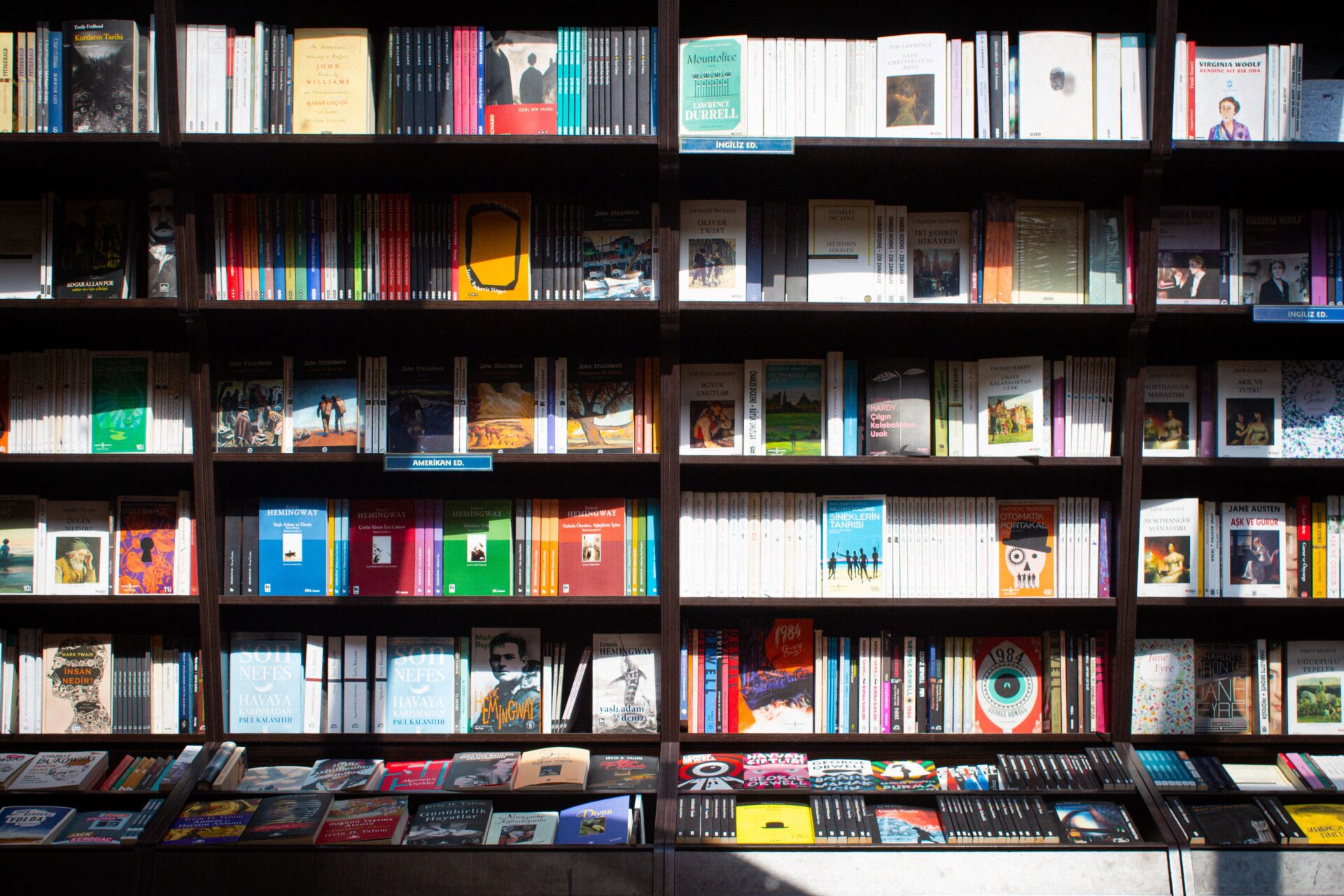
60
Poland
Independent Polish publishers close amid mounting pressure on smaller market players
16.09.2026 -