* ESC - close the search window
modern polish literature
Literary fiction is growing in Poland, with thrillers leading the way
01.09.2026
Polish publishing output increased in 2025, but the growth was concentrated in literary books and practical guides, while academic, professional, and school publications continued to decline, according to the latest report by the National Library of Poland.
The National Library received 31,595 book titles in 2025 across all categories in 2025, including school textbooks and academic publications, nearly 1,000 more than in 2024. The figure nevertheless remained below the levels recorded in 2021–2023 and below the 2016–2025 annual average of 33,346 titles.
For comparison, the Ukrainian Book Chamber received 15,069 book and brochure titles in 2025, among which were also school textbooks and academic publications, with a combined print run of 33.2 million copies, compared with 31,595 titles received by Poland’s National Library. The figures come from the two countries’ respective national bibliographic institutions and are not fully methodologically equivalent.
The increase was not evenly distributed across the sector. The report identifies two opposing trends: continued growth in books aimed at a broad readership, particularly literary titles and practical guides, and a sustained decline in academic, professional, and school publications.
Literary books accounted for 38% of all titles received by the National Library in 2025, up from 36% in 2024. Their share had also reached 38% in 2023, suggesting that the decline recorded in 2024 was temporary rather than a reversal of the longer-term trend.
The number of literary titles reached 12,133 in 2025, increasing from the previous year and continuing a growth trend that the National Library says has been visible for around two decades.
Popular fiction also remained strong. The National Library registered 1,020 crime and thriller titles, nearly 100 more than in 2024, while fantasy reached a record 873 titles, up by 112 year over year. Polish authors wrote 63% of the crime and thriller titles registered in 2025.
A similar emphasis on genre fiction is visible in Ukraine. As reported earlier, motivational nonfiction, serialized romance, dark romance, thrillers, and young adult fiction dominated Ukrainian publishers’ bestseller lists in 2025.
Children’s publishing in Poland expanded. The library received 3,132 children’s titles, compared with 2,829 in 2024. Comics increased by 90 titles to 1,579. Practical guides were another growing category, reaching 2,191 titles — 278 more than in 2024.
The two markets diverged in children’s publishing and sales signals. Poland registered 3,132 children’s titles in 2025, up by 303 from the previous year. In Ukraine, by contrast, children’s literature had largely disappeared from publishers’ bestseller lists compared with the period before the full-scale invasion, although the figures measure different aspects of the market and are not directly comparable.
The opposite trend continued in academic and professional publishing. The number of academic books fell by 360 to 6,516 in 2025, extending a decline that has lasted for nearly 15 years. Professional titles fell by 68 to 1,540.
School and educational materials also declined. The National Library received 665 such titles in 2025, compared with 724 in 2024 and 816 in 2023. Foreign-language learning books fell to 185 titles from 254 a year earlier.
The report suggests that these shifts are changing the composition of Poland’s publishing output rather than producing uniform growth across the market. While consumer-oriented categories have expanded, the continued contraction of academic, professional, and educational publishing has kept the overall number of titles below the levels recorded several years ago.
The statistics are based on legal-deposit copies submitted by publishers to the National Library and recorded in Poland’s official bibliography in 2025. Most were published that year, although the dataset also includes some titles published earlier — no earlier than 2021 — that reached the library with a delay. The figures refer to registered titles rather than print runs or book sales.
The growth in several literary categories coincides with strong reader interest in genres such as crime, thrillers, and fantasy. As reported earlier, 41% of people aged 15 and older in Poland read at least one book in 2025, unchanged from 2024, while 7% read at least seven books. Crime and thriller fiction was the most popular genre, cited by 27% of readers, followed by romance and non-fiction at 19% each and fantasy at 16%.
Libraries also became a more important source of books. Among people who read at least one book, 19% obtained one or more titles from a public library, up from 15% in 2024. At the same time, the share who bought the books they read fell from 50% to 43%.
The changes in publishing output come amid broader debate over the economics of Poland’s book sector. As reported earlier, Polish writers have called for a statutory minimum royalty of 10% of a book’s cover price. Poland’s Culture Ministry has said such a provision would be included in planned legislation regulating the book market, alongside a minimum 1% royalty for translators. The legislation has not yet completed the legislative process.
Poland’s public libraries are also facing funding pressure. Planned state support for new library materials in 2026 was set at 10 million zlotys (2.31 million euros), compared with around 30 million zlotys (6.93 million euros) annually in previous years. In 2025, 2,052 libraries received nearly 33 million zlotys (7.62 million euros) for printed books and access to digital and audio publications.
As reported earlier, 27% of adults in Poland said they usually read books in their free time. The figure measures reading as a usual leisure activity and is not directly comparable with the National Library’s finding that 41% of people aged 15 and older had read at least one book during the preceding 12 months.
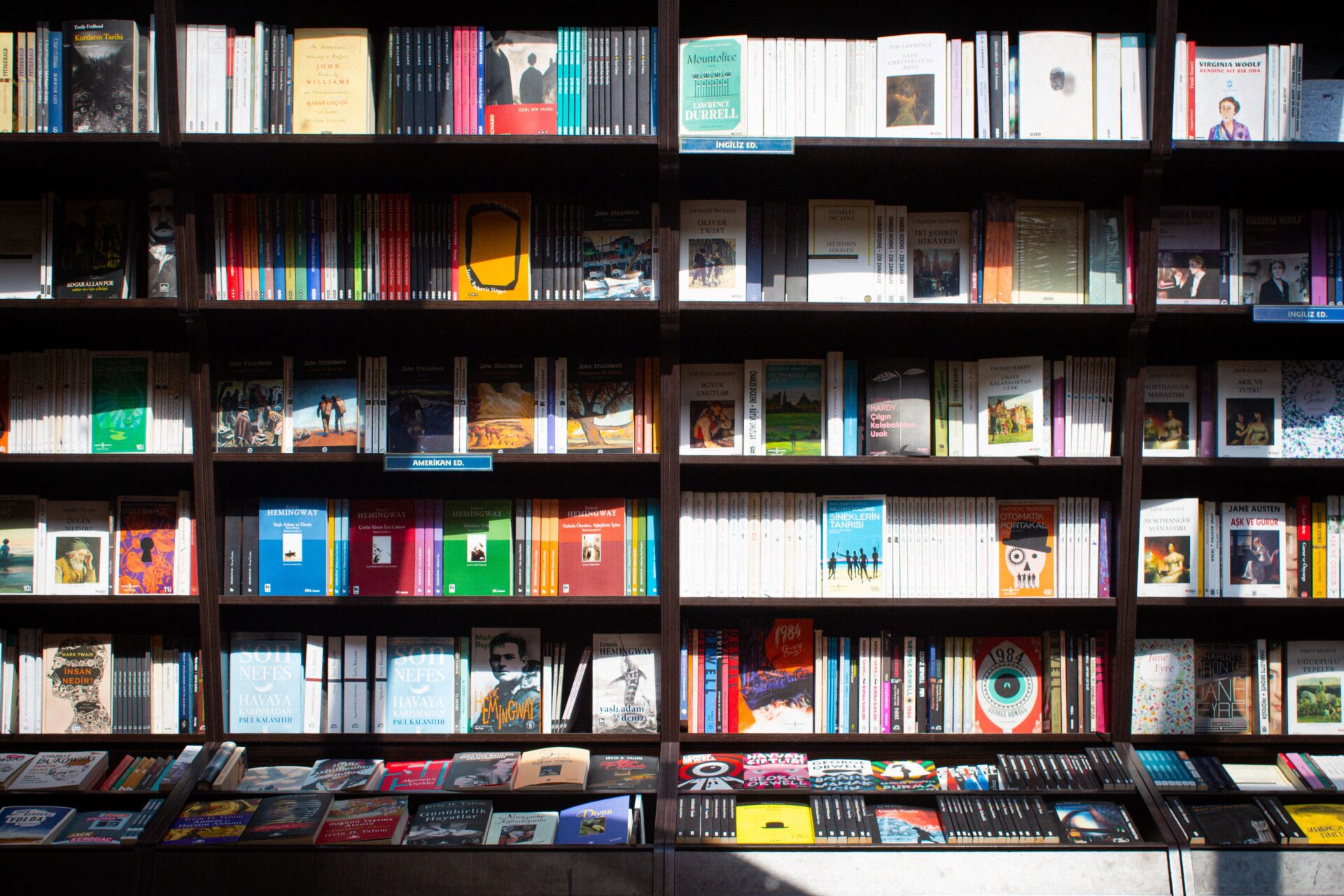
Main image: pexels
Читомо» — це медіа про книжки й літературу, що підтримувало українське книговидання задовго до того, як це стало трендом. Ставайте частиною історії — доєднуйтеся до Клубу Читомо!
the more you read, the greater the possibilities
26
Poland
Nearly one in four sales in Poland’s books-and-press retail category are now online
09.10.2026 -
39
Polish books
Ternopil-born Kornel Filipowicz’s Ukrainian edition among Polish Book Institute-supported translations
24.09.2026 -