* ESC - close the search window
Greece
Reading and publishing in Greece: without libraries and ‘resort literature’
04.10.2025

You see an error in the text - select the fragment and press Ctrl + Enter
Whatever question you ask Greek publishers, the answer will almost always consist of two parts – how it was “before the crisis” and how it became “after.” 2009 marked a turning point for Greece when the country’s GDP turned negative, the economic crisis led to the closure of many companies, the reduction of numerous government programs, and the shutdown of institutions.
The book industry also felt the significant impact of the crisis: the National Book Center was liquidated, and economic hardships led to the closure of over 2000 bookstores, according to experts’ estimates. Has Greece overcome the consequences of the crisis, what is its literature like, and how far-sighted are Greek publishers – read in our report.
“Did you really have over 2,000 bookstores?” That’s the first question we throw at one of the publishers.
“Yes, because, for example, we don’t have public libraries.”
On paper, that’s not entirely true. Statistics from 2022 show there are a few: for a country of 10 million people, around 40 state libraries exist, plus just over 100 municipal ones. But most of them haven’t been replenished in years. During our time in Greece, we didn’t meet a single person who had set foot in one recently.
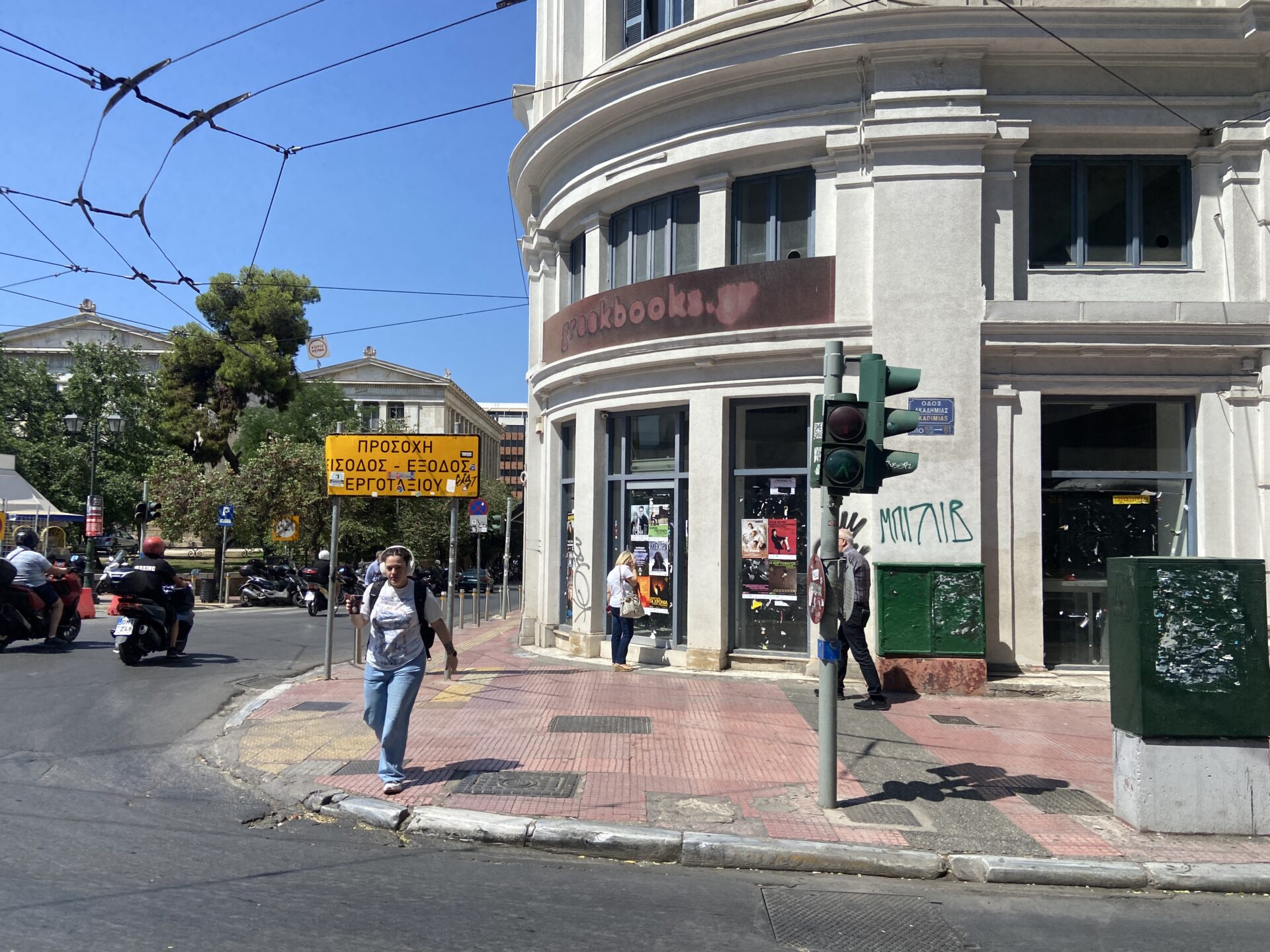
Photo: Chytomo
“I think it’s not in our culture to borrow books,” says the owner of a small Athenian bookstore. “People want to own them.” Yet publishers insist the lack of a functioning library network is a major handicap. They call for the creation of real libraries—“incubators of readers”—as one of their strongest demands to the authorities.
What’s happening in the Greek book market in 2025?
Whether change is on the horizon remains uncertain. But one notable shift has already taken place: in 2024, the Hellenic Foundation for Culture was restructured and reborn as the Hellenic Foundation for Books and Culture (HFBC). For the publishing community, this rebrand raised hopes that books might finally move higher up the cultural policy agenda.
The numbers outline the scale of the market. According to HFBC, there are 863 active publishers in Greece. Data from BookPoint indicates that 38 of them generate 45.78% of new book releases. In recent years, the market has largely “stabilized,” with roughly 11,000 new titles appearing each year. A third of them are translations.
Some genres shine particularly bright. 2024 marked a record year for children’s and young adult publishing, with 2,769 new titles. Poetry, too, continues to be a cornerstone of Greek publishing—fully one-third of all new books are collections of verse.
RELATED: Krystalli Glyniadakis: In Greek poetry, the political becomes personal
One of the new book releases in the summer of 2025 will be “Poetry From the Loop-hole,” by Maksym Kryvtsov (Ποιήματα από την πολεμίστρα), a bilingual Ukrainian-Greek edition that went on sale at the Politeia bookstore only a few months ago. According to a consultant, he has sold several dozen copies. “There is demand,” he states.

Photo: Chytomo
The percentage of e-books in the total volume of book production remains small. During the COVID-19 years, the volume of e-books hovered around 9%, and in 2022, this percentage began to decrease. In 2023, 977 books were published in e-format.
Books are primarily printed in Greece – among European countries, only Bulgaria offers cheaper printing.
How much does a book cost, and who pays the authors?
The Hellenic Foundation for Books and Culture notes generally positive trends in the book market, calling books “affordable.” However, according to 2024 report of the Greek Collective Management of Literary Works (OSDEL), drawing on data from the Organization’s bibliographic database BookPoint, the average cost of a book was €17.63. It seems roughly equivalent to the cost of lunch at an average Athenian café—at least at the time of the Chytomo trip.
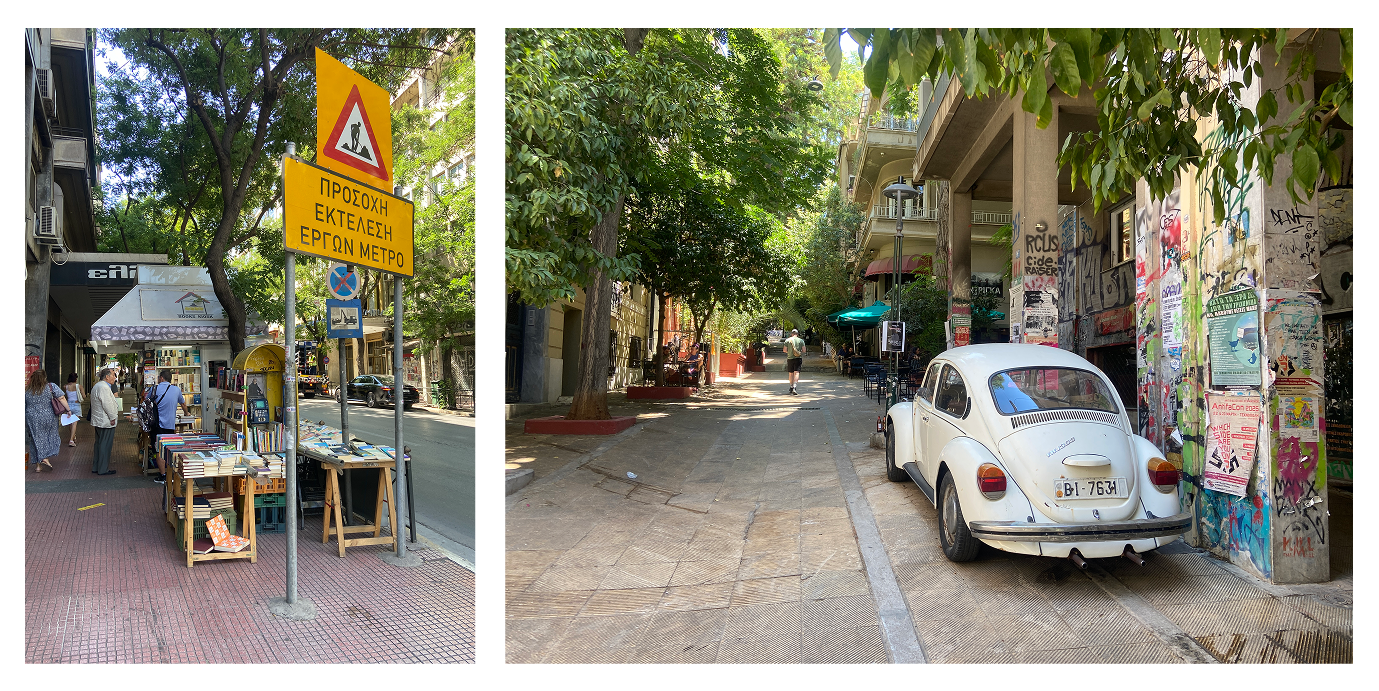
Photo: Chytomo
Piracy is a global concern in the arts — and particularly in the book sector. “It’s fueled by technological advances and is growing,” says Mirella Batziania, OSDEL’s BookPoint and Anti-Piracy Program manager.
OSDEL is part of the international organization IFRRO, which protects the rights of authors, translators, and publishers. The organization compiles statistics, monitors copyright infringements, and partially compensates creators of book content for “lost profit.” This is made possible by funds received from importers of devices with copying and/or content storage functions (scanners, photocopiers, tablets, phones, PCs) — in accordance with Greek legislation on the equipment levy related to intellectual property rights. Importers pay 2% to 4% of the device’s cost to all RROs.
Authors and translators particularly value this organization because guaranteed payments are received by everyone whose books were published during the year. At the same time, “creators” are the least protected in the Greek publishing market – as is often the case elsewhere. Royalties are insufficient to cover even modest daily expenses. However, there is a significant difference: even when entering into an agreement with a large and well-known publisher, authors do not know the print run of their book. This is the publisher’s “commercial secret,” which is not disclosed in agreements or personal arrangements.
“If a market vision isn’t there, translators will find other work to do”
Like other markets limited by the number of speakers, Greece faces a shortage of translators. While English and French are well covered—and indeed, a large portion of the population speaks these languages conversationally—there are no translators from Greek into, for example, Hindi. Translators into Arabic are also insufficient.
A positive shift in recent years has been the return of the GreekLit program, now overseen by the Hellenic Foundation for Books and Culture. At the same time, there are almost no support programs for translators from Greek. “If beginners are not supported in time and connections, or at least a vision for the market is not there—they will find other work to do,” says Nopi Chatzigeorgiou, coordinator of the Thessaloniki International Book Fair.
The majority of translations into Greek are from English: over 1,800 titles in 2023, followed by French, Italian, Spanish, and German (with the number of books translated from German declining as of 2023).
According to an HFBC survey (2024), only 32% of publishers participating in book fairs reported having experience selling rights abroad. These figures could probably be higher if the previous translation support program, along with its implementer—the National Book Center—had not been closed in 2013.
It was here that Nopi Chatzigeorgiou worked; during the decade-long forced hiatus in the Center’s operations, she became the coordinator of the Thessaloniki International Book Fair, where she continued the mission of representing Greece abroad.
In addition to the international program, which gathers about a hundred international participants annually, Thessaloniki has been running a Fellowship Program for the third consecutive year. In 2025, 30 publishers were selected from 300 applications. Another 20 came as free attendees. Applications for 2026 will open this autumn, with a deadline in December.
International outreach – and new publisher strategies
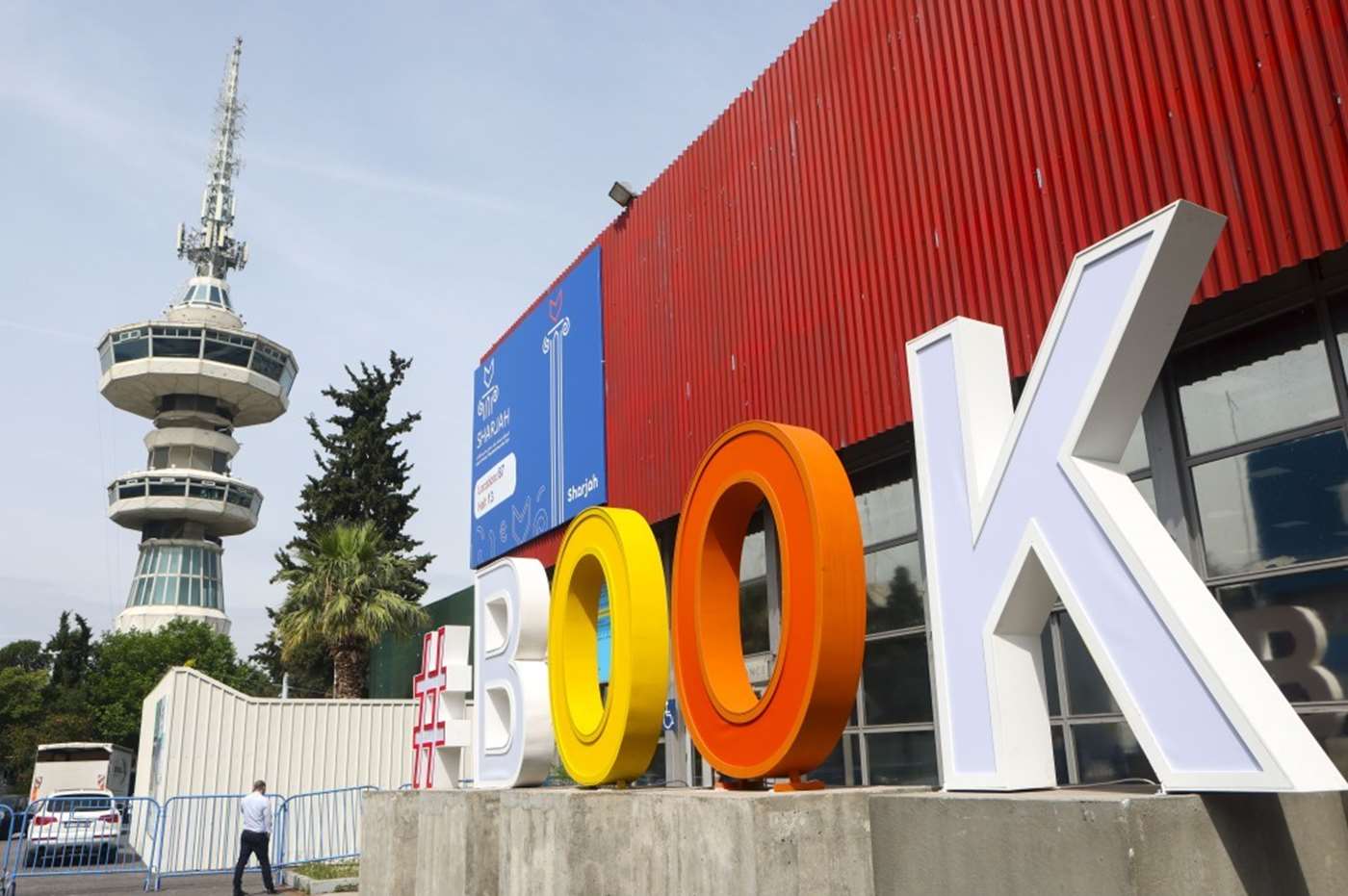
Literary life here is rich. There’s a book fair in Athens, there’s Thessaloniki, there are literary festivals. However, if one were to choose the “most international” among them, then clearly, for publishers and translators, the Thessaloniki Book Fair would be the strongest contender.
The organizers introduced the Guest of Honor format: this year, Italy held the honor. In 2023, they chose to highlight the USA — a country rarely featured in this role anywhere. The Book Fair announced a focus on American literature, organized by the Hellenic-American Chamber of Commerce. Thirty publishers came with stands, along with literary agents and other industry professionals. Thanks to the participation of the United States, the number of young people attending the fair increased dramatically. “They were never here before,” shares the festival organizer. International visibility also grew – articles appeared in the professional press of the USA and the UK.
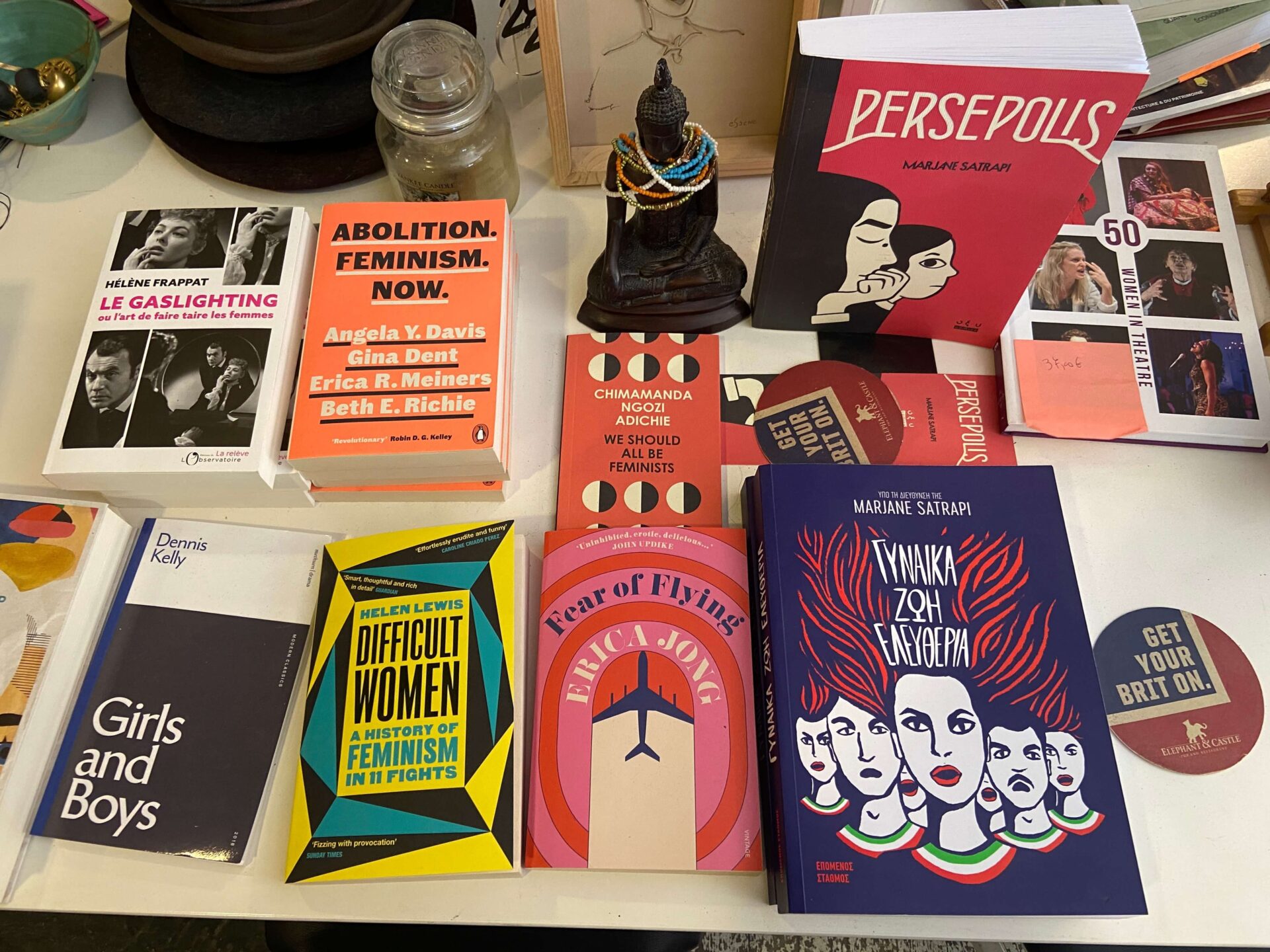
Photo: Chytomo
There’s also a flip side to the coin: Anglo-American culture can both attract new readers and “take a share of the market.” This is especially true for readers unwilling to wait for their favorite English-speaking author to be translated into Greek – they would rather buy the book on release day, in English, from Amazon or elsewhere.
One of those rethinking the market is Argyris Kastaniotis, General Manager of Kastaniotis (Καστανιώτης) – a publishing house proud of its 57-year history and of publishing Nobel laureates “even before they received the Nobel.” He is already negotiating with rights holders to secure English-language rights for publication in Greece. Kastaniotis notes that large German publishers are beginning to take over European rights for English-language titles. Despite the risks of disrupting the consumption chain, he also sees new opportunities: “This is also a chance to offer Greek authors in English, not just for tourists, but through distribution networks – for Europeans.”

Photo: Argyris Kastaniotis, General Manager of Kastaniotis / Chytomo
Pluralism of opinions and unification
They say, “where there are two Ukrainians, there are three organizations.” In Greece, the situation is somewhat similar. For example, there are as many as six publishers’ associations. They all try to interact with each other, but cannot always agree. Among them, only one association is academic; all the rest represent trade publishers. Yet, even after the crisis, this did not prevent publishers from uniting around several projects – particularly book fairs. “I think we survived mainly thanks to unity,” shares Nopi Chatzigeorgiou.
The ability to unite does not exclude constant debates. Even in communities that appear united by common ideas, disputes quickly arise: the Greek cultural community rarely shares a single perspective, instead offering diametrically opposite assessments on almost everything. Some might say that this culture of dialogue and rhetorical sparring is rooted in Ancient Greece. “Perhaps this is our mentality,” agrees Nestoras Poulakos, director of Vakxikon publishing house. Yet he leans toward a more recent explanation: “After the dictatorship of 1967–1974, we had complete freedom. We longed for it greatly, and now we are simply enjoying the result.”
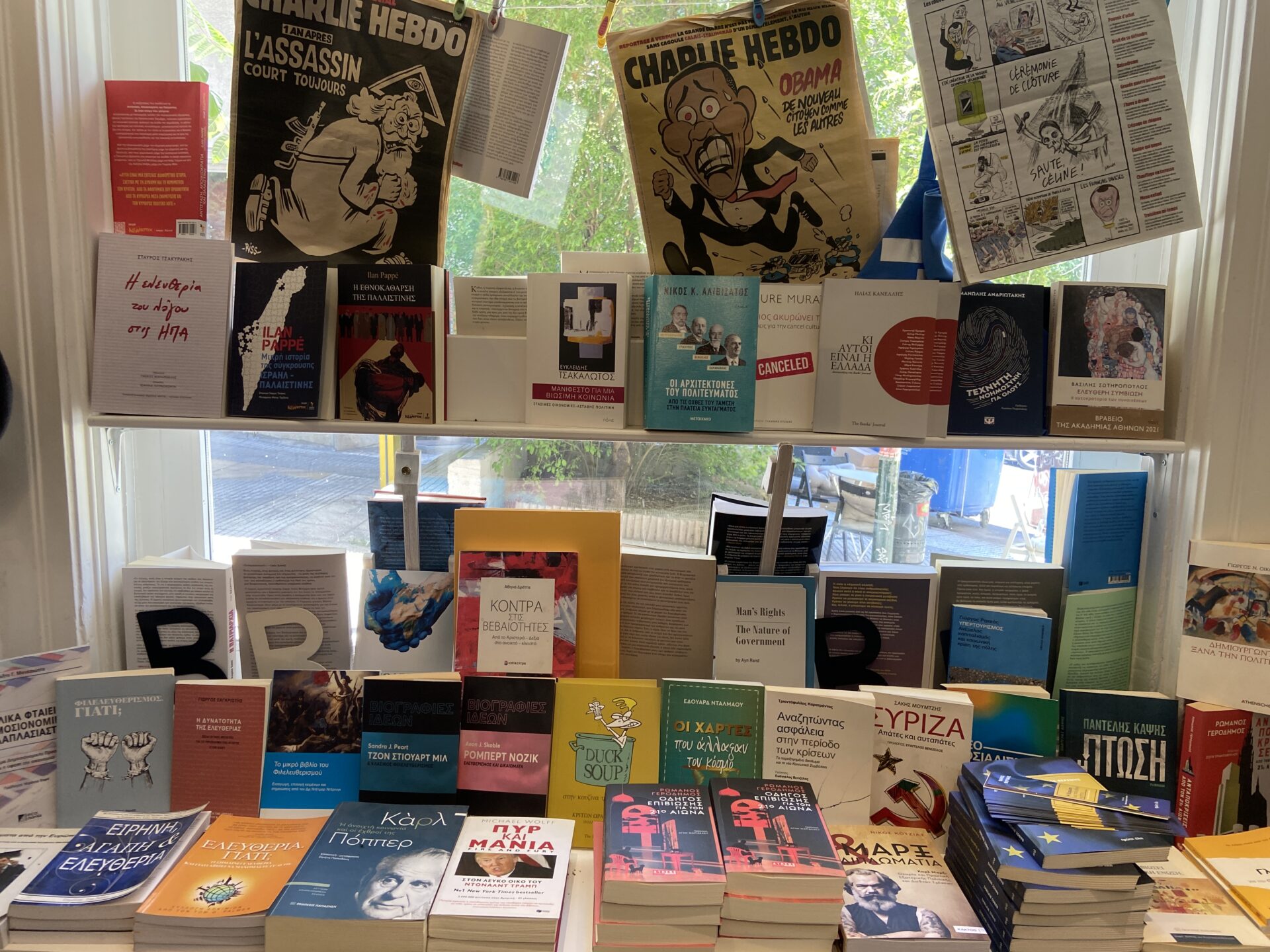
Photo: Chytomo
Greek literature: awaiting the “Greek summer”
Audience expectations often boil down to light, sunny literature – perfect for one of Greece’s charming beaches. And such literature exists, though it is often not written by Greeks, but by popular writers or bloggers who move to live in Greece – and, naturally, write a book there. Take, for example, Rebecca Hall, who released “Girl Gone Greek” this spring.
“I think Greek literature is much ‘darker,’ more existential, and more complex than people imagine,” says Vasiliki Tzanakari, a writer and translator of Margaret Atwood.
“It’s very human to fall into cliché. But literature is a way to break those clichés and offer a different view of reality, different from the resort view,” adds Nopi Chatzigeorgiou.
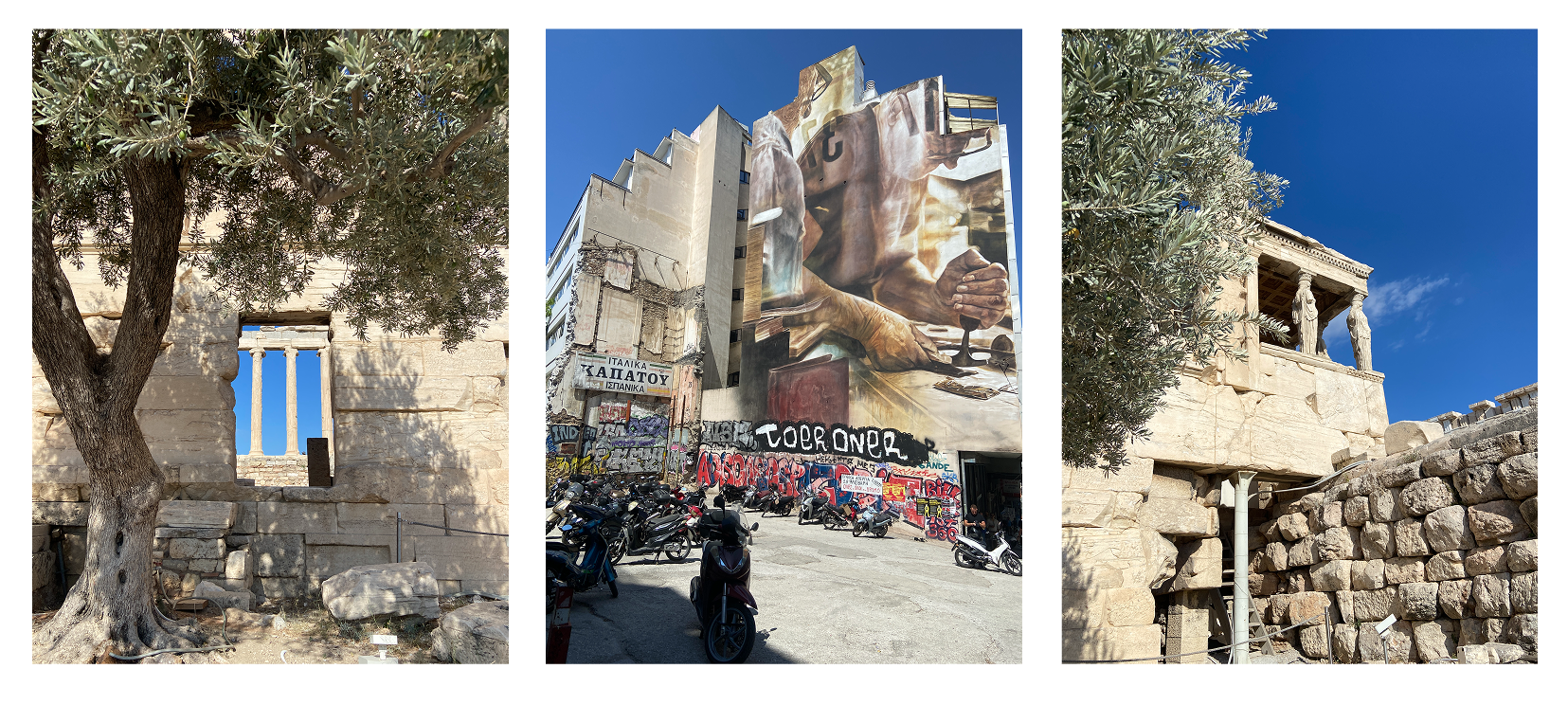
Photo: Chytomo
After World War II, for almost half a century, Greek writers reflected on the civil war – the confrontation between communists and right-wing forces remained one of the most prominent themes in Greek literature until 2010, when economic troubles took center stage.
The crisis, the sense of hopelessness, and emigration left a significant mark on both life and literature. Perhaps it is thanks to this that Greek literature, beyond history and mythology, has become increasingly compelling abroad – often highlighted in negative yet popular news feeds.
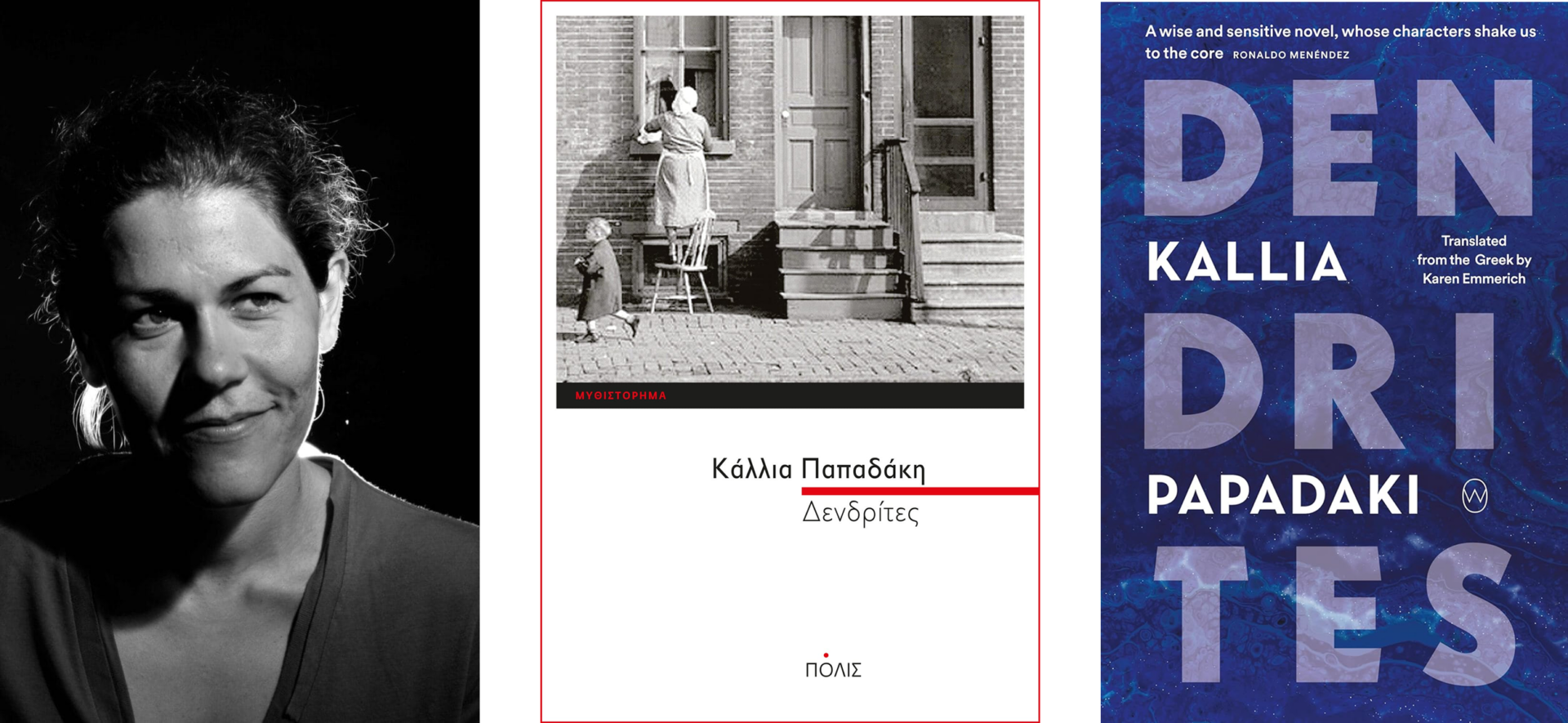
On the wave of the post-crisis period, and after extensive research, writer and screenwriter Kallia Papadaki wrote “Dendrites”, which won the EU Literary Prize. The novel explores the desire to belong, despite personal and collective crises, telling a story of emigration and the search for a meaningful life.
Translated literature from less-represented languages is not widely available in the Greek market. One of the most daring publishers in this space is Vakxikon, which publishes both Greek authors and international voices. Vakxikon holds the largest catalog of Ukrainian books in Greek translations, with an average print run of 500 copies per title. Even with these volumes, promoting books remains a challenge.
Two years ago, Vakxikon published a series of novels dubbed by the press as the “anti-communist trilogy” – “Shadows in the Tundra” by Lithuanian writer Dalia Grinkevičiūtė, “My Bessarabia” by Moldovan writer Nicolae Dabija, and “Mother’s Milk” by Latvian author Nora Ikstena. Later, this series was supplemented by “The Beauty of History” by Estonian writer Viivi Luik.
Anti-communist sentiments are not widely embraced in Greece. Communism is closely associated with Russia, and the country cannot easily separate its interest in communist ideas from Russian imperialism. Criticizing Russia sharply is uncommon, even after its attack on Ukraine. That is why the series sparked a significant reaction in the press. “I can publish whatever I want. Because that is freedom of speech,” says Nestoras Poulakos, Managing Director of Vakxikon Media & Publishing Group.
It is no surprise that their catalog also includes “The Longest Journey” – Oksana Zabuzhko’s essay on the origins of today’s Russian-Ukrainian war, spanning thirty- and three-hundred-year perspectives (the translation supported by a House of Europe grant). The publisher himself visited Kyiv last year to participate in the Book Arsenal Fellowship program.
In general, Athenian bookstores offer a very wide selection of literature. Greek literature includes historical novels, publications on social issues, feminist works, and LGBTQ+ books. Greece was one of the last European countries to adopt a law on same-sex marriage, signed last year under a “right-wing government.” “Yes, we have a right-wing government, but it is dominated by diverse views,” explains Nestoras Poulakos.
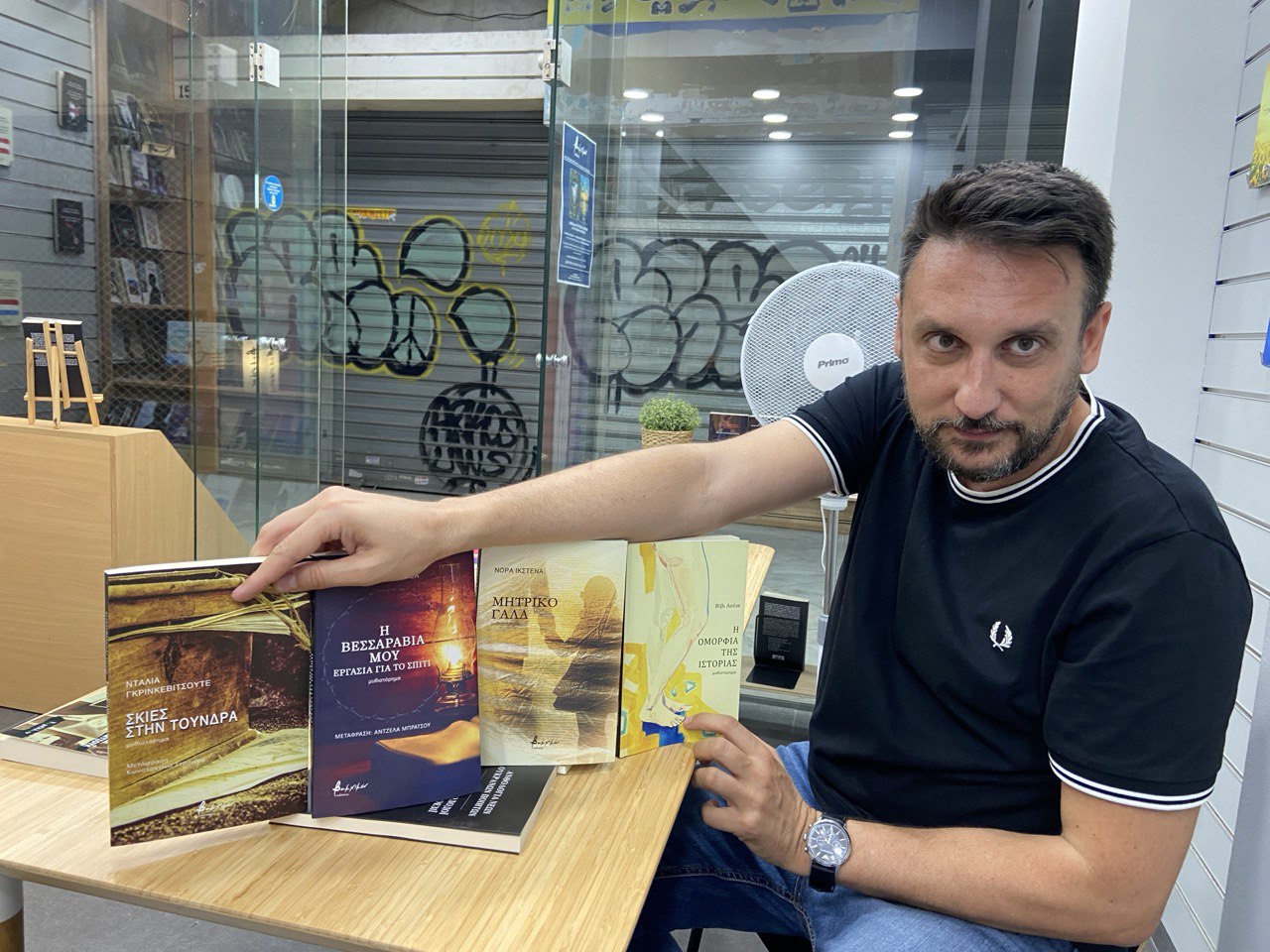
Photo: Nestoras Poulakos, Managing Director of Vakxikon Media & Publishing Group / Chytomo
Whatever the prevailing views, the field for literary interaction is broad. Greece is ready to listen – provided one avoids mythologizing, embraces a culture of dialogue, and finds “its” publisher, author, translator, literary agent, or audience.
The most interesting voices of Greek literature have been sought by Vasiliki Tzanakari, Viktoriia Feshchuk, and Iryna Baturevych.
This publication was prepared as part of the project Cultural Journalism Exchange (Greece Edition), supported by the European Union through the House of Europe programme.

This publication is sponsored by the Chytomo’s Patreon community
the more you read, the greater the possibilities