* ESC - close the search window
UK/UA Cultural Journalism Exchange
Second testimony: Four children’s books that speak in the voices of the disappeared and the voiceless
08.12.2025

You see an error in the text - select the fragment and press Ctrl + Enter
Spaces, people, and other living beings may disappear, but they continue to resonate in our memory, becoming part of our background, continuing to shape and guide our culture. They turn into cultural codes, unhealed wounds, and negative space, ultimately.
During the war, we, Ukrainians, feel this lost space more than ever — perhaps even as an entire parallel reality. To comprehend it, give it a second voice, bear witness to it — is far more than a duty; it’s an urgent need that comes from within.

In this selection, you will read about Ukrainian children’s books that bear witness to the disappeared, ignored, or forgotten. In the form of fairy-tale adventures, witty stories, and artistic drawings, they unobtrusively help children learn about phenomena that are important to our culture, authenticity, and, ultimately, humanity.
“Five Peaks” by Olha Silakova
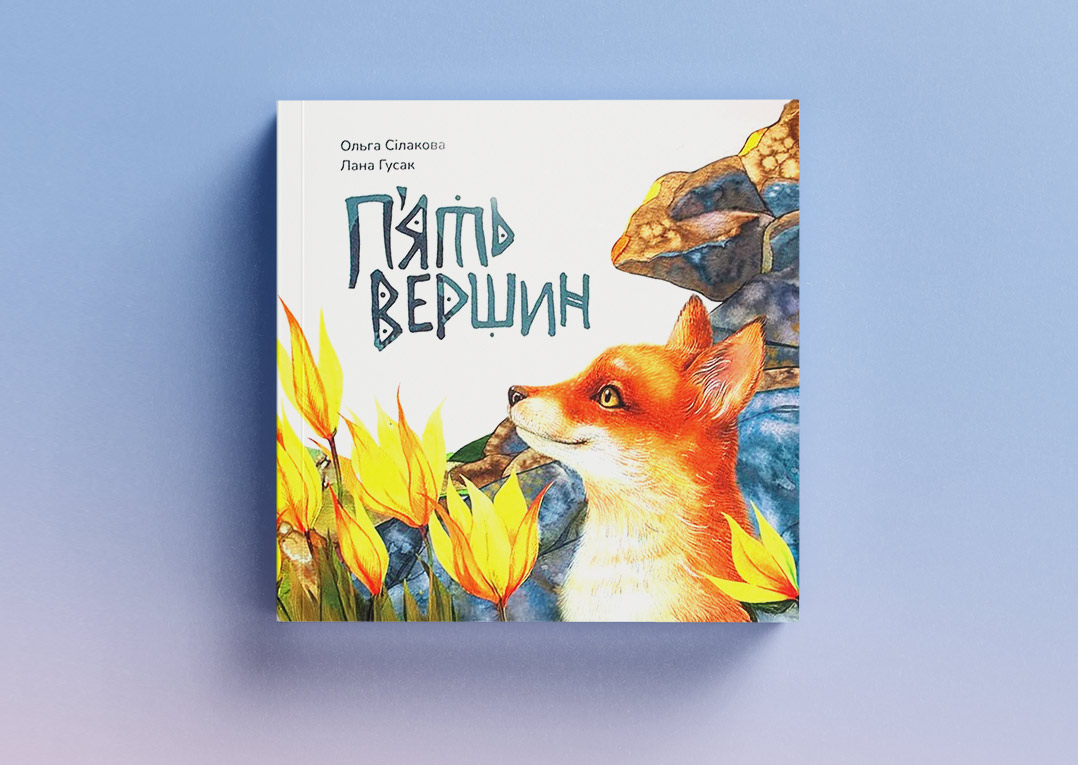
This picture book tells the story of the Kam’yani Mohyly Nature Reserve in Donetsk Oblast.
The main character of the story is a fox cub born in the nature reserve. When his mother goes hunting, the cub is left alone and begins to explore the world around him for the first time. He visits the peaks of mountains that once towered over the ancient sea, meets cranes, vipers, and lizards, and wanders among endemic plants that grow only here. Readers travel with him, getting acquainted with the unique nature and incredible landscapes of the reserve.
The illustrations in the book are filled with tenderness and awe with the mystery of wild nature and the enigmas of ancient times. And looking at them, it is infinitely difficult to realize that this natural beauty and historical uniqueness now live only in photographs and on the pages of books: in August 2024, Russian occupiers destroyed the reserve, setting up a military training ground on its territory. “Five Peaks” is a book that preserves beauty that no longer exists, but whose memory has become part of our national memory.
“Evil Forces” by Ivan Andrusiak
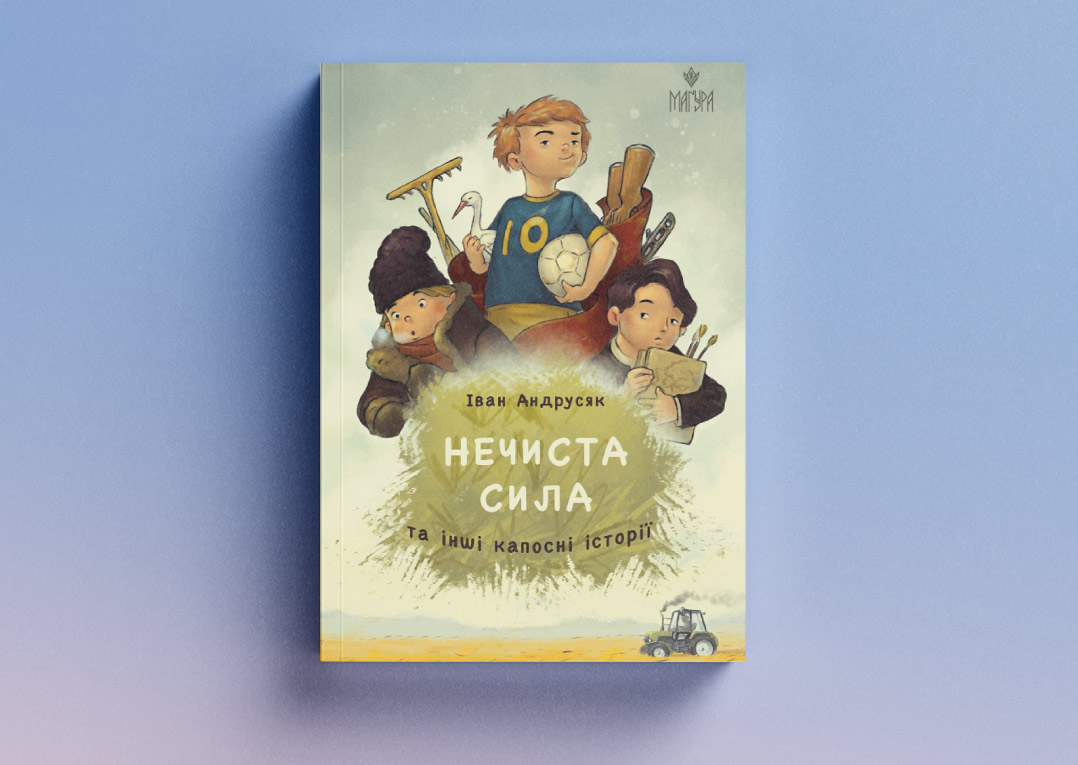
This book consists of two parts: The first part contains four “vintage” stories about “mischievous” children – actually ordinary children who, like all normal children, cause trouble and get on their elders’ nerves. These are witty and lively characters from the pre-gadget era, true and uncompromising portraits of adults and children written with gentle irony.
The second part of the book brings together historical stories about episodes taken from the lives of famous Ukrainian writers and artists, young Taras Shevchenko and the mature Hryhorii Skovoroda and Nil Khasevych. But the new edition also includes a text that was not in the previous one. And this novella, “Shmarkata Baba” (The Old Woman with the Handkerchief), in our humble opinion, is perhaps the most powerful work in the collection.
After Stalin’s death in 1953, some Ukrainians who had been sent to concentration camps or deported to the Far East were allowed to return home. The writer describes the reunion of such a family that lived in the Kosiv district of Hutsulshchyna (south of Ivano-Frankivsk). “Shmarkata Baba” ends like a Christmas Eve story, reminding us that even in the darkest times, there is room for hope and unfathomable wonder.
“The Lion Doesn’t Laugh in the Circus” by Hanna Bulhakova
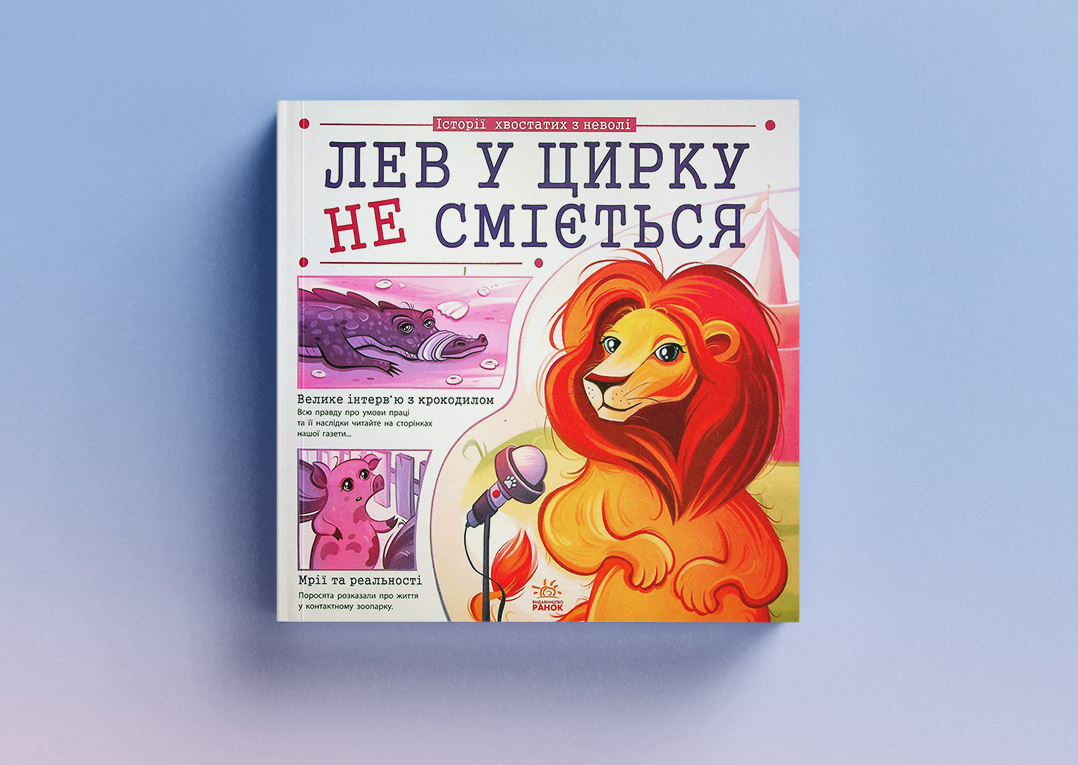
The plot of this story is simple: A magpie journalist interviews the inhabitants of the zoo: panthers, raccoons, crocodiles, monkeys, elephants, and others. All of them are captives, living not in rehabilitation centers, but in tiny cages for the entertainment of others.
The animals’ desires are simple: the monkey wants to live with his monkey family, the crocodile wants to dive into the cool river, and the dolphin wants to hunt fish. However, it is so difficult to change people’s worldviews and the laws of society.
“The Lion Doesn’t Laugh in the Circus” is a useful book for adults to read to children. It will help develop empathy – in particular, to not ignore the pain and fears of others. It can be used in lessons and thematic storytimes devoted to ecology, rights, and humanistic values.
“Strawberry Boys” by Yuri Sosnytsky and Hanna Khomenko
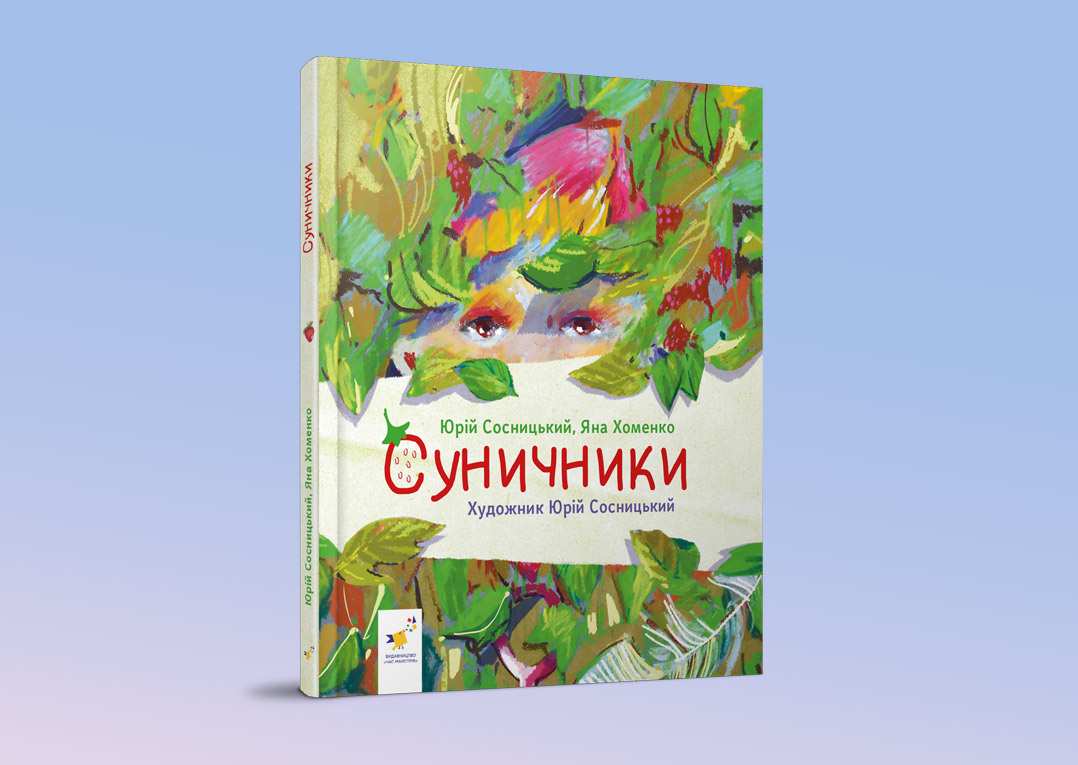
Imagine a bright-green June forest, where nature’s exuberance reaches its peak. If you have ever experienced the magic of natural microcosms, then “Strawberry Boys” will resonate with you and your children with a sense of something mysterious and magical.
According to the plot, little Jojo has appeared out of nowhere, as if he has fallen from the sky. At least, that’s how his squirrel friend sees it. This tiny boy, who looks like a gnome, is looking for answers: Where did he come from? Who is he? What is his family like? Where are his relatives?
To find the answers to these questions, he will have to embark on a journey, avoid dangers, and dare to do something truly crazy.
This is a book about finding oneself, about the desire to rediscover a lost connection and find what seems to have disappeared forever. It is about the possibility of hearing the lost and silent when your heart calls you. It is about the restlessness that leads to the goal, about the courage with which people emerge victorious from.
This article was created by a mentor of an intensive course in book journalism and literary criticism of Chytomo and Litosvita. The UA/UK Cultural Exchange course is supported by the British Council’s Support for Cultural Activity in Ukraine with UK Involvement programme.
This publication is sponsored by the Chytomo’s Patreon community
the more you read, the greater the possibilities
70
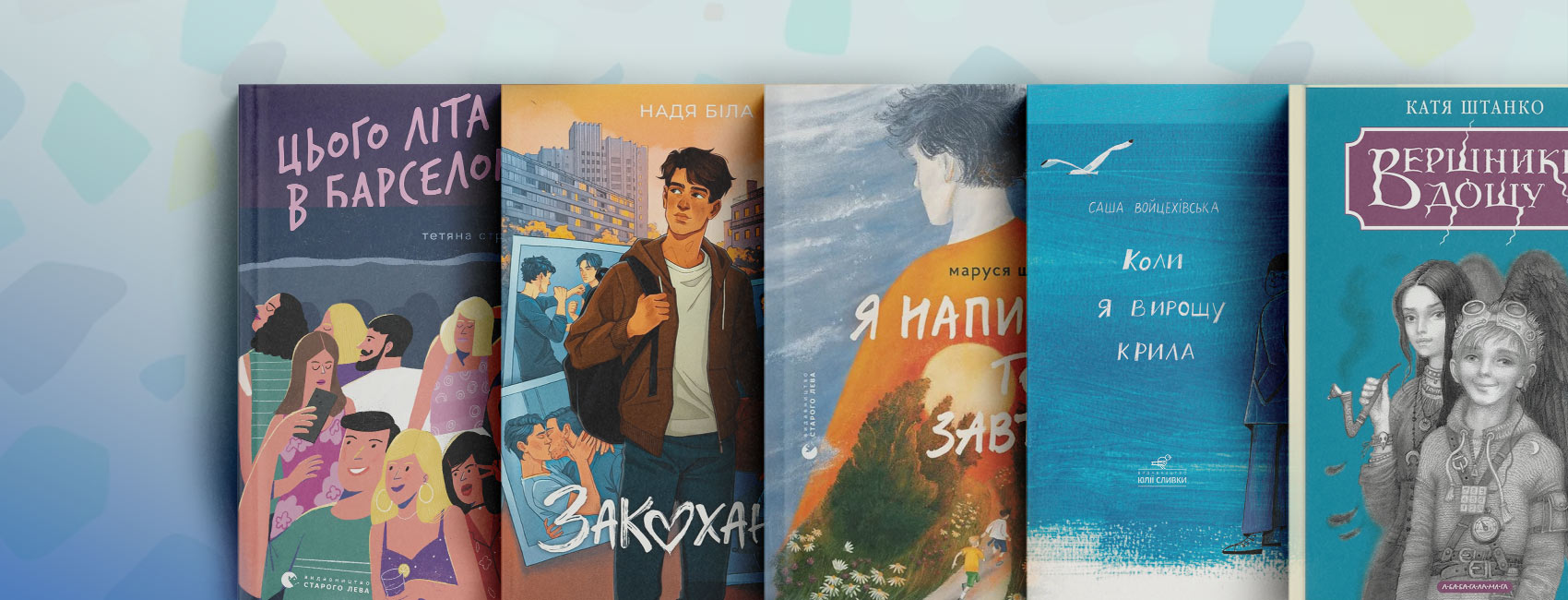
top five Ukrainian books for teenagers
Top five new teen books by Ukrainian authors
12.12.2025 - Vitalina Makaryk
68
UK/UA Cultural Journalism Exchange
Suffering hero-victims and alcoholism in the middle of nowhere: 6 stereotypes in writing about Ukraine
12.12.2025 - Chytomo