* ESC - close the search window
UK/UA Cultural Journalism Exchange
Suffering hero-victims and alcoholism in the middle of nowhere: 6 stereotypes in writing about Ukraine
12.12.2025

You see an error in the text - select the fragment and press Ctrl + Enter
After Russia’s full-scale invasion, Ukraine became a subject of urgent global reflection. In 2022, the topic was not only painfully relevant — it was also suddenly in high demand. Many writers turned to Ukraine with commercial ambition, seeing it as a new field to build their expertise. Others approached it out of genuine solidarity and a desire to help.
The result was an impressive wave of publications about Ukraine written both by Ukrainians and by international authors. Alongside many remarkable texts, however, an even larger number of books emerged that often relied on stereotypes, oversimplifications, romanticised fantasies, or outright propaganda.
Ganna Uliura, one of Ukraine’s foremost literary critics, read dozens of these foreign-authored works. We talked to Ganna and identified seven recurring stereotypes that continue to shape — and often distort — the way Ukraine is portrayed in contemporary literature.
-
Ukraine is Chernobyl
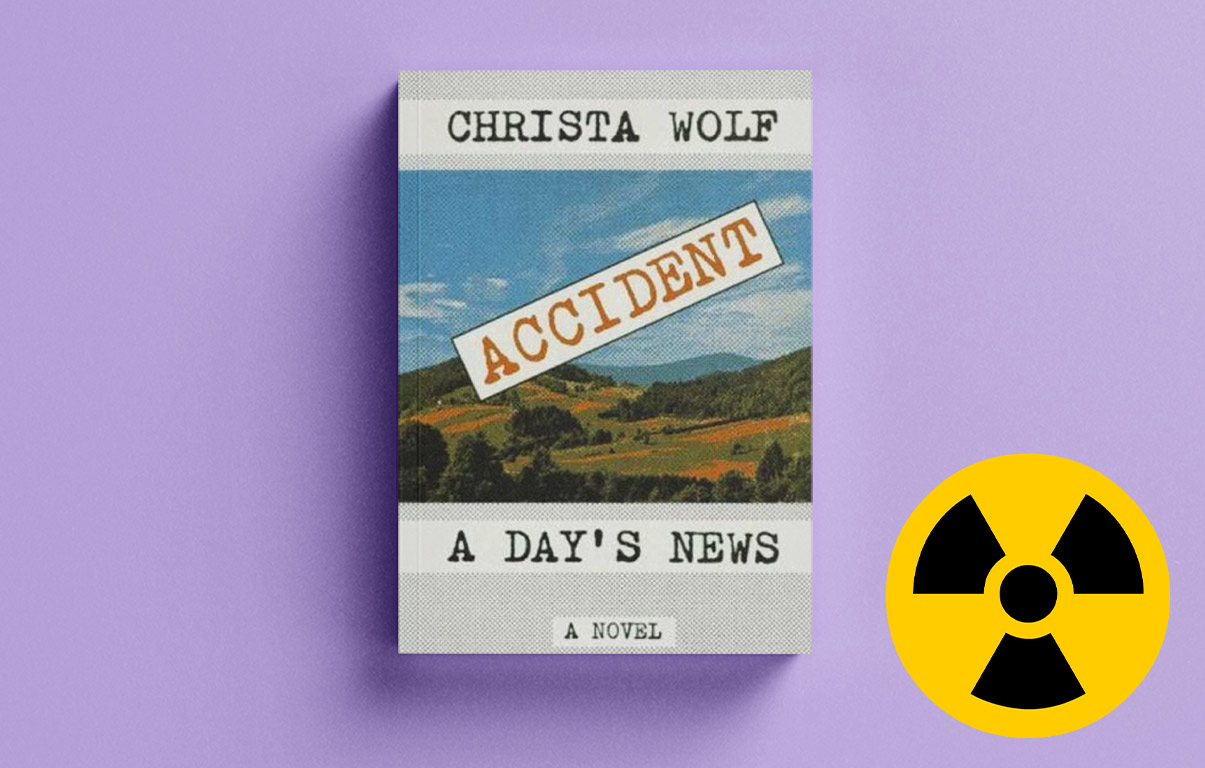
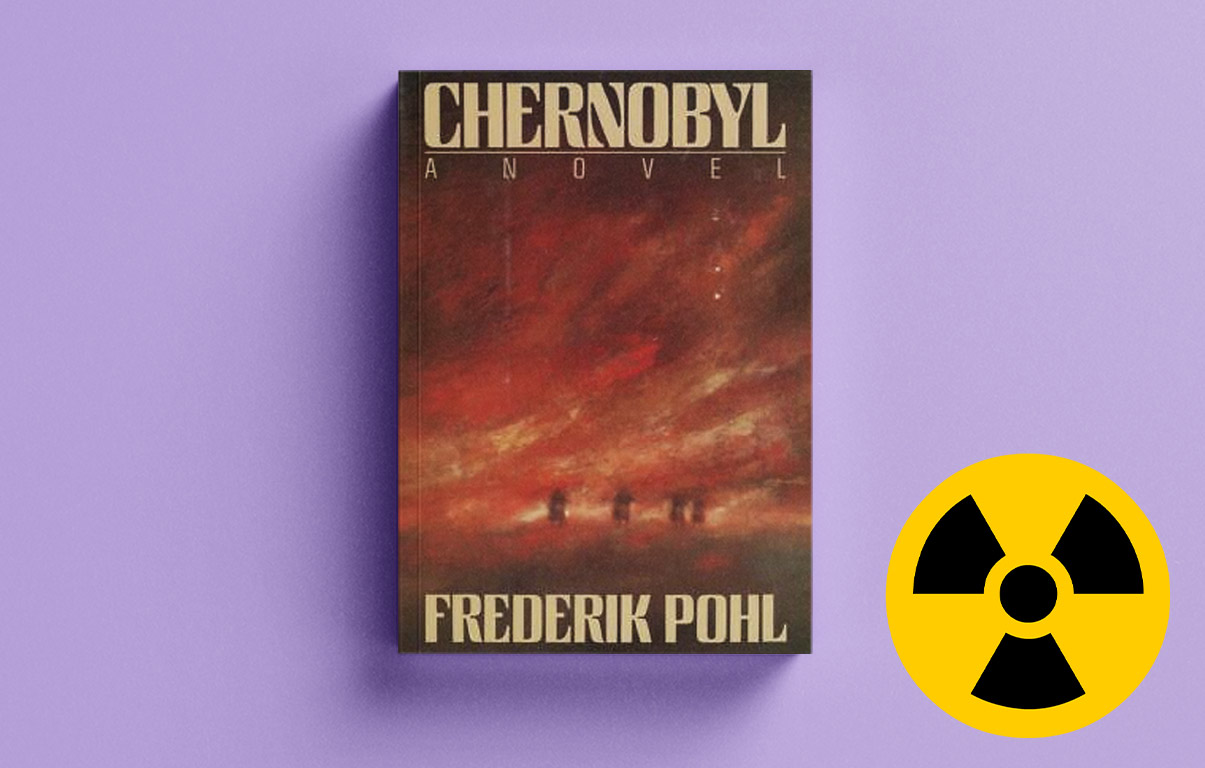
Writers reacted to the Chornobyl disaster immediately. The first novel about Chornobyl was written in East Germany and published as early as September 1986: “Accident” by Christa Wolf. At the same time, the first English-language novel on the subject also appeared: “Chernobyl” by Frederik Pohl. Until 2014, Chornobyl was the main reference point by which the world identified Ukraine (now much less so — first the Maidan, and now the full-scale war, have taken its place). Yet this identification was largely superficial.
As Ganna Uliura notes, “Chornobyl is mentioned in almost every book about Ukraine; in some of them, people still live in Pripyat, and children drop by to visit them on weekends, coming straight from the barricades of the Revolution of Dignity. But for the most part, Chornobyl is not perceived as a specific geographical location within Ukraine, nor is the explosion at the Chornobyl Nuclear Power Plant understood as a national tragedy.”
And although most books about Chornobyl have come to be associated with Ukraine, Ukraine itself is often missing from them — as is the Ukrainian SSR. This is the case, for example, in Britta Stenberg’s novel “Kvar.”
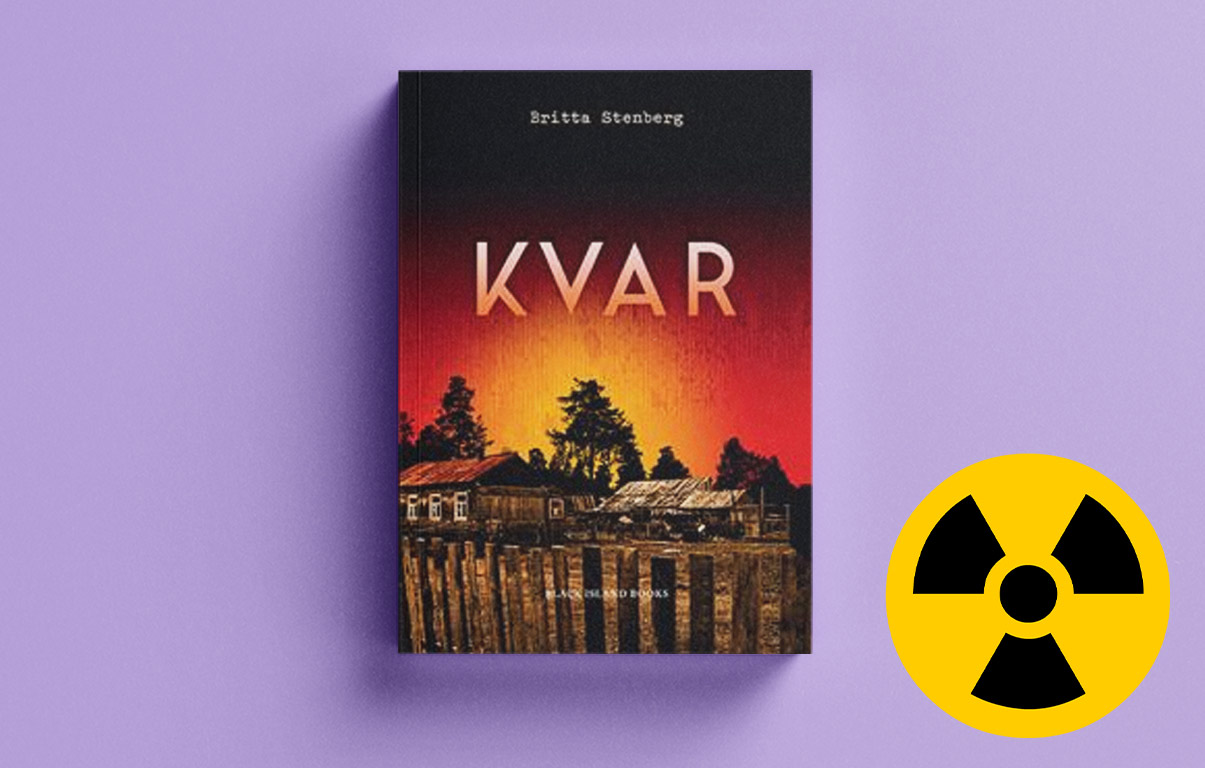
In her review of the book, Hanna Uliura focuses on one of its characters, Joseph. His name is the same as Stalin’s. Yet the character “hates Stalin so fiercely that he cannot bring himself to say his own name out loud. However, the novel never explains why Ukrainians would hate Stalin: the characters’ thoughts contain no mention of the Holodomor, no mention of the deportations. It is like hating Hitler because he painted poorly.”
2. Some country on the edge — or beyond it
Some books deliberately avoid naming Ukraine — not because this “category” is absent from the characters’ worldview, but because the country simply does not exist in the author’s mind. One reader review of such a book perfectly summarizes the impression left by novels in which Ukraine appears as some land beyond the boundaries of the normal world, an essentially unidentifiable territory: “For a long time I hoped the book would give me some sense of the country and what life there is like, but after a while I stopped feeling that the book was authentic at all.”
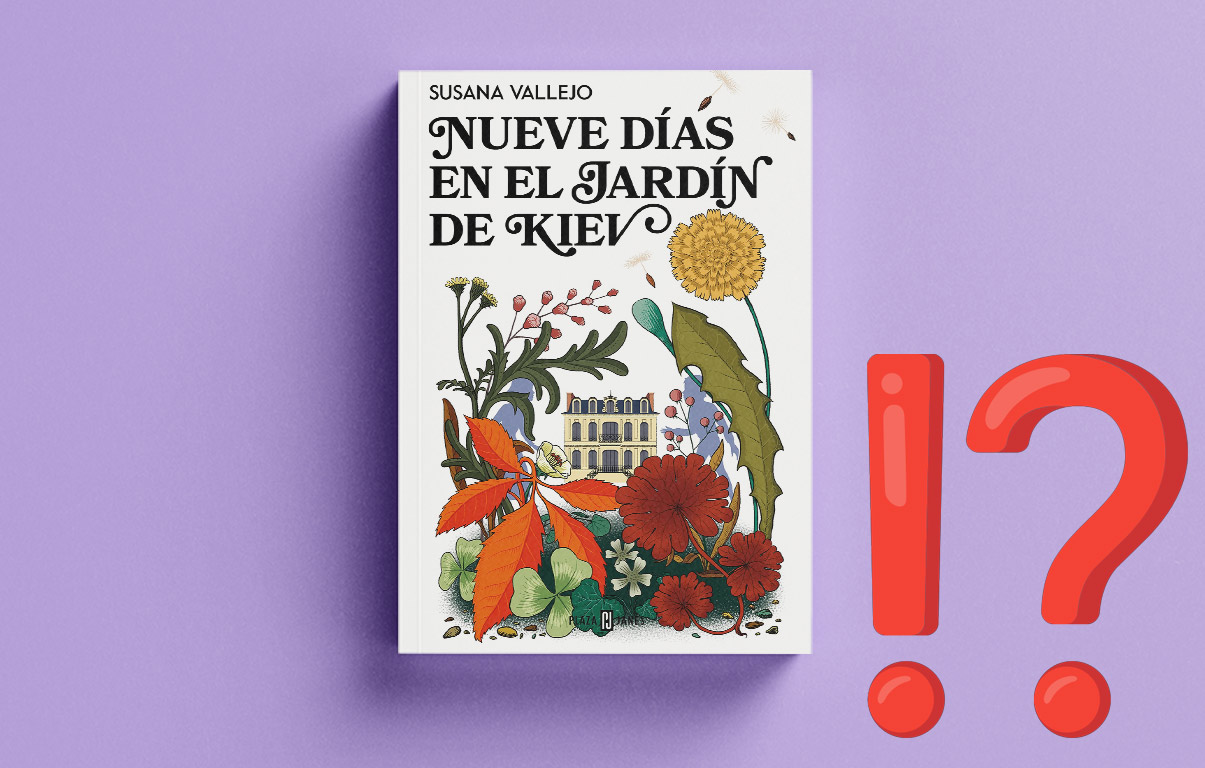
In this case, the book is Susana Vallejo Chavarino’s eco-fantasy “Nine Days in the Kyiv Garden” (Nueve das en el jardn de Kiev). The author has never been to Kyiv, but in 2011 she dreamed the novel’s title and one of its scenes. The book was published in 2022 — an extremely unfortunate moment, since Kyiv had suddenly become globally recognized, gaining meanings and connotations that were never intended in the novel.
“Kyiv here is not Ukraine at all. It’s right in the middle of nowhere, in a sort of Lost Land. The author chose a location that was insignificant for herself and her readers, and suddenly — Kyiv is in all the news. Unlucky,” explains Ganna Uliura.
Another example: in 2015, a novel by Alina Bronsky, “Baba Dunja’s Last Love,” was published in Germany. It was quickly translated into English, both versions becoming popular.
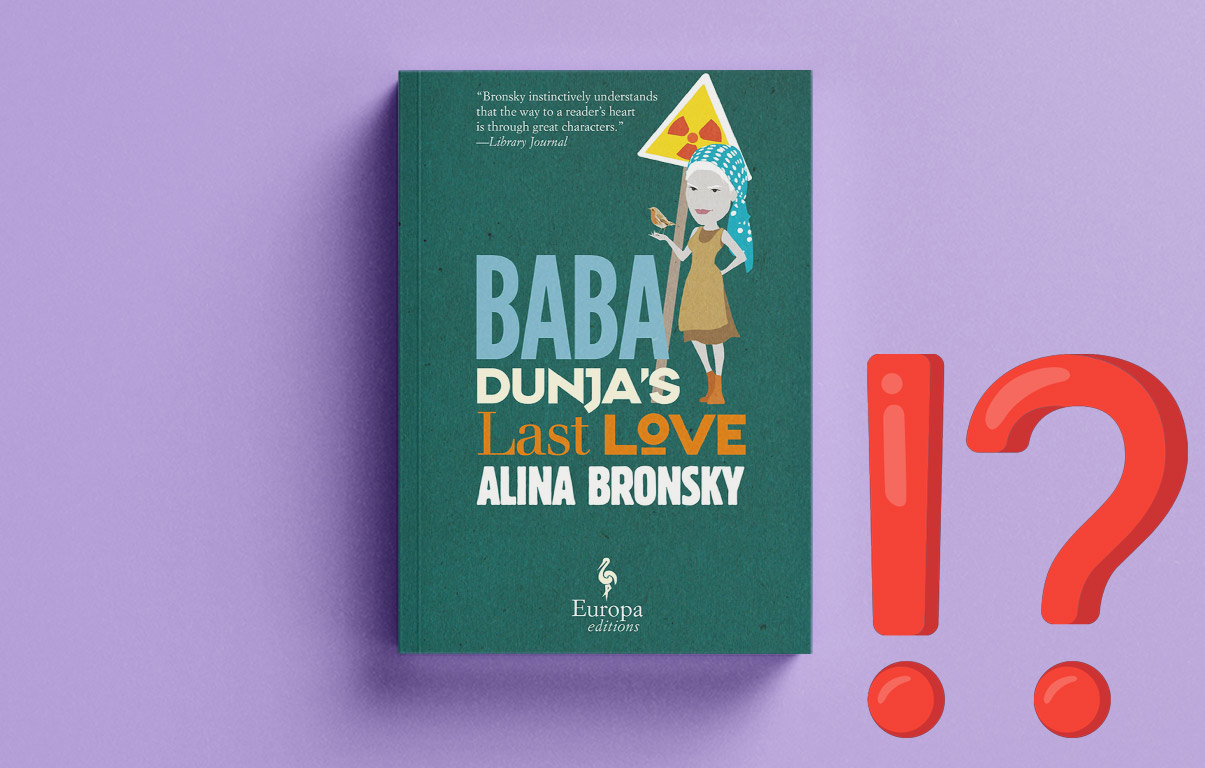
The story is set in the Chornobyl Exclusion Zone, and the protagonist is one of the self-settlers. The novel covers a week in Dunja’s life in the mid-2010s: her relationships with neighbors, her trip to the nearby “legal” town. Yet all the characters have extremely Russian-sounding names — Dunja, Lyosha, Petrov, Sidorov, Glasha, Lyuda, Gavrilov. Children born in the 2000s are also given rare Russian names. There is no mention of Kyiv, the government, the currency — nothing that would help identify the country or the state. “The country of Chernobyl,” Uliura concludes.
3. The inability to distinguish between the Soviet and post-Soviet experience
A recurrent problem in Slavic studies departments is that they continue to center Russian studies, using it as the primary lens for understanding other cultures and countries. The same happens with literature. Look at Sasha Marianna Salzmann’s novel “Glorious People” (“Im Menschen muss alles herrlich sein”) for example.

The story is about Lena Platonova and her family, which was privileged by Soviet standards, her pioneer childhood, and her later adult life. The reader may be confused that Lena lives in a Ukraine that restored its independence, but often says “my country,” meaning a place that includes Petersburg and Sochi. She also says “the capital” when referring to Moscow.
The events that shaped the Ukrainian generation Salzmann tries to write about — taking an epigraph from Zhadan — are not mentioned here. “What is Ukraine to that German author? Something that is part of the USSR, no different from the other parts. This is a Russian optic. Why is Ukraine in this novel at all?” Ganna Uliura asks.
The answer is probably for the sake of this fragment when the author shows how Ukrainian school tortured students with a language: Lena excels at school yet struggles only with Ukrainian, a language she never hears spoken and constantly mixes with Russian. What frustrates her most is being penalized for tiny differences — sometimes a single letter is enough to lower her grade. Eventually, her mother decides to put an end to the Ukrainian classes altogether, dismissing the language as unnecessary and outdated.
RELATED: A guide to the history of oppression of the Ukrainian language
4. Alcoholism and its accompanying social problems
The most vivid example is “Love and Vodka: My Surreal Adventures in Ukraine” by R.J. Fox. The book was published in 2015, one year after Russia began its occupation of Ukraine, but the events take place in the early 2000s. The reviews were surprisingly enthusiastic: “Imagine a world where people think, act, and react differently from anything you’ve known before. Far too little has been written about everyday life in the former Soviet Union — here it is perfectly portrayed,” writes Tony Hawks, who made his name with travel books.
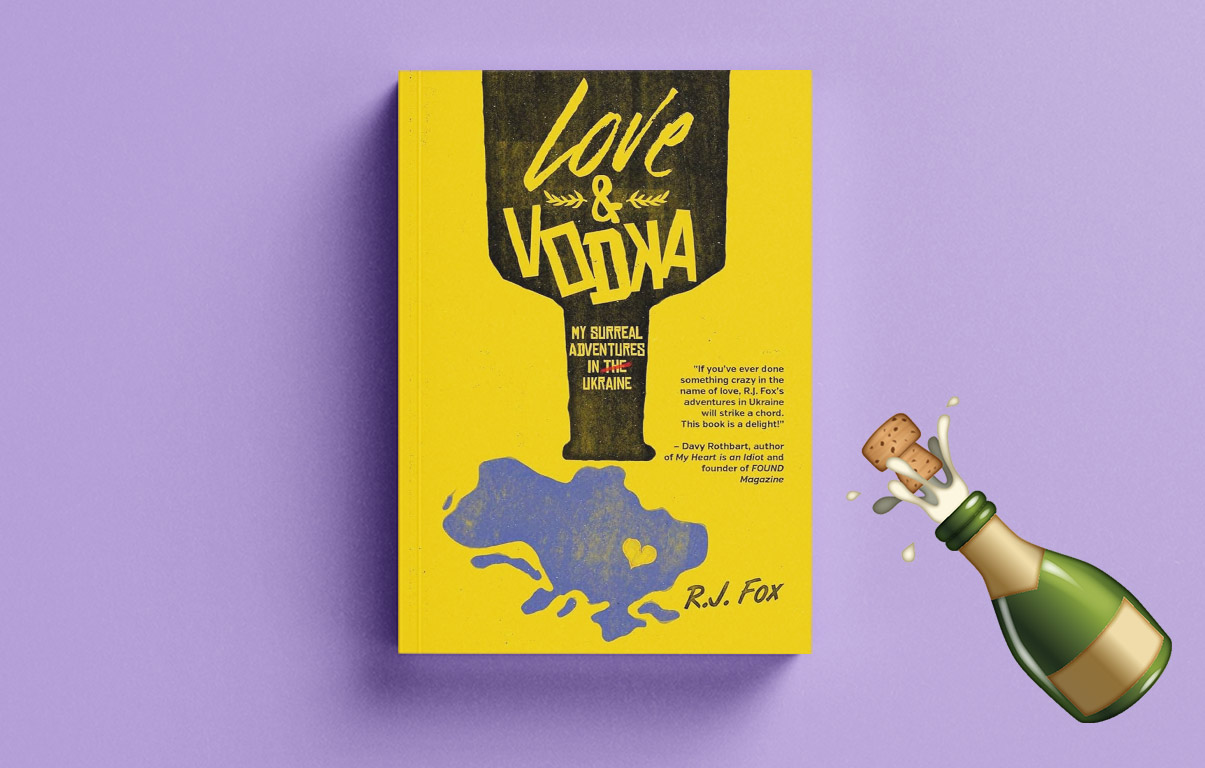
A screenwriter named Bobby meets a beautiful and reserved girl, Katya, during a tour. It turns out she is Ukrainian. They exchange letters for a long time, until he decides she is “the one” and it’s time to propose. So he buys a ring and a plane ticket to Dnipropetrovsk (Dnipro) — though everyone tries to talk him out of it.
Bobby arrives to meet Katya and ends up witnessing her family’s endless drinking. Katya also brings a bottle of homemade horilka (vodka) to their date — a walk along the riverside. Everyone drinks vodka straight from the bottle, and this happens on every page. Spoiler: Katya married Bobby and emigrated.
5. Sextourism
Some books seem to follow this formula: “A foreign man saves a Ukrainian woman from a Ukrainian man.” In such novels, a beautiful Ukrainian woman is typically accompanied by an unattractive man. “Because in Ukraine, women are uniquely beautiful while men are uniquely ugly, and they are all alcoholics,” explains Uliura sarcastically. “In every third case, this Ukrainian woman is a sex worker; in every second, she dreams of marrying a foreigner and demands gifts from him.”
Some novels explore the topic of Ukrainian sex workers and “mail-order brides” through the problem of the buyer’s market (rather than the seller’s market). Instead it could be focused on the foreigners who sustain human trafficking and enact their fantasies of possession — as in Johannes Liteman’s novel “Calling Ukraine” (2023).

However, a more illustrative example of sex trafficking themes from Ukraine is “Moonlight in Odessa” (2009) by Janet Skeslien Charles (best known for the bestseller “The Paris Library” published in 2020). The book appeared during the wave of popularity of “A Short History of Tractors in Ukrainian,” when many writers began exploring the trafficking of women from the post-Soviet space and the social phenomenon of “mail-order brides.” A particularly popular genre choice for such reflections is dark comedy.
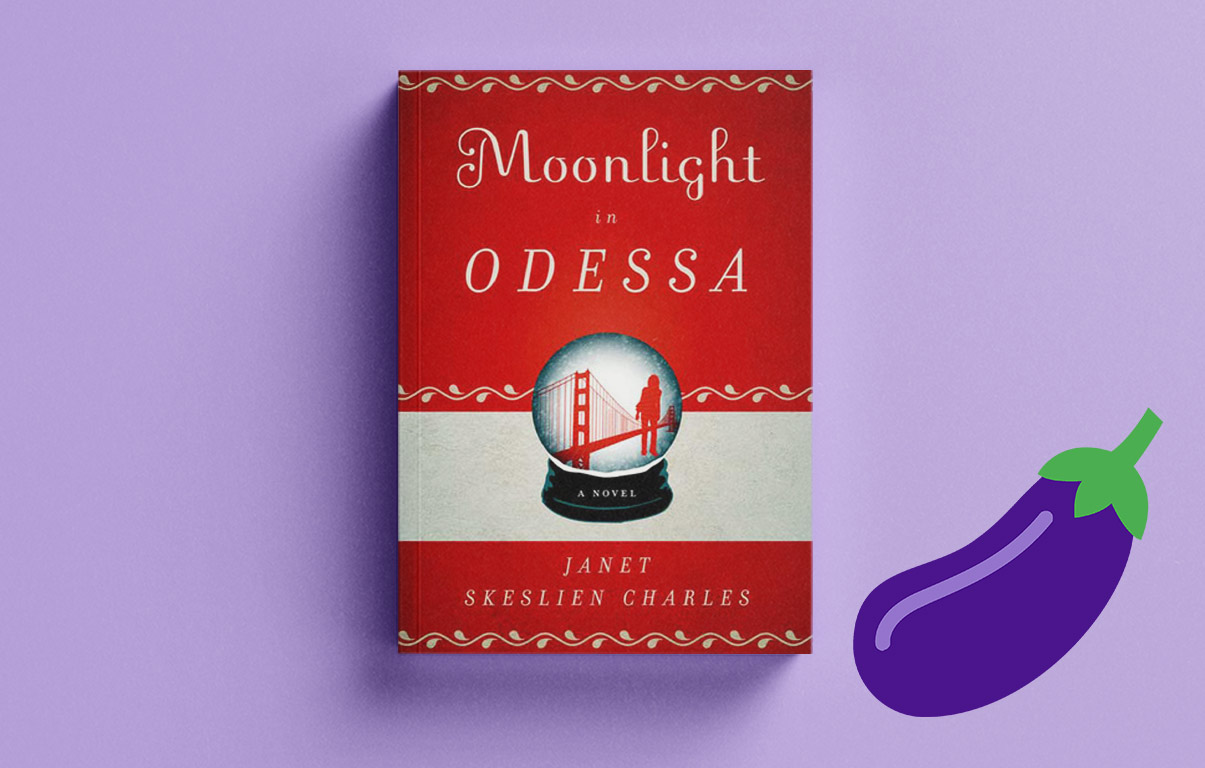
Skeslien Charles also writes a dark comedy, choosing Odesa — the capital of humor — very deliberately, as she warns the reader upfront. According to Ganna Uliura, this prose is far more intelligent and sensitive than the openly chauvinistic books on sextourism; she chooses the perspective of a woman forced into marriage, but the genre itself inevitably brings a degree of cringe.
The protagonist of the novel is Dasha Kyrylenko, a secretary in the Odesa office of an Israeli company. A Russian-speaking fan of Tolstoy and Akhmatova, she has excellent English, strong ambitions, and beauty. Dasha takes a side job as a translator in a “mail-order bride” agency and falls in love with a local gangster named Vlad, but ends up marrying Tristan and moving to the U.S.
Tristan is 49 and introduces himself as a teacher from a small town in California, but turns out to be a school janitor. He presents Dasha as “a Russian woman he rescued” and treats her “like a refugee.” Dasha is not his first attempt to “order” a submissive young wife. After a year of abusive marriage, she escapes, pregnant with Vlad’s child.
6. Historical tortures and the suffering hero-victim
Yes, every protagonist in every novel about Ukraine suffers devotedly. There’s little point in retelling the plot. This is how not only Ukraine is written, but any exotic country within the framework of a multicultural novel. When the Other — the one whom the “respectable” reader is supposed to discover — is miserable, it becomes easier to sympathize. One example is a book written with the purest intentions — it was meant as counter-propaganda against Russian narratives. Marsha Forchuk Skrypuch, “Kidnapped from Ukraine.”
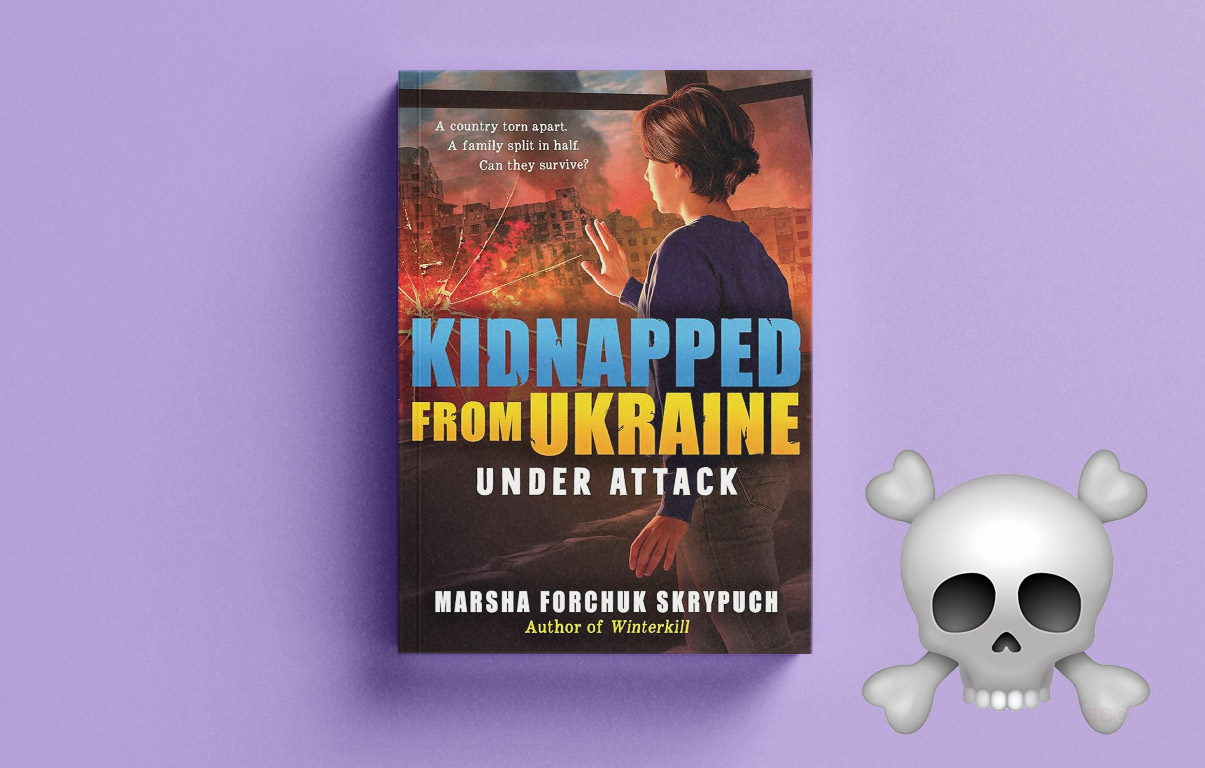
Mariupol, February 24, 2022. Twin sisters: Rada and Daria Popkov, twelve years old. Their father, Ivan, works at Azovstal. A reservist, he is mobilized first thing in the morning. Their mother, Yaroslava, is a manicurist who decides to barricade the family inside their apartment on the 4th floor of a Khrushchev-era building; the father convinced her that civilians would not be targeted.
Daria and her mother go down to the small shop on the first floor when a strike hits the building. Rada and the father stay on the fourth floor. Yaroslava says, “They’ll have to take care of themselves.” The shop owner lies trapped under the counter and shelves — her throat cut by a shard of glass, she is covered in blood. The mother shouts not to touch the shard in the throat and to call an ambulance. But when she can’t find a pulse, she announces the woman is dead and that they must run to the basement. Daria grabs a cloth and covers the dead woman’s face in a pool of blood, saying a quick prayer… a brief summary of the novel’s first 10 pages.
In her review of this novel for Chytomo, Ganna Uliura explains: “There are interviews with public Ukrainians that always begin with the questions: ‘Whom among your loved ones have you lost in the war? Maybe your home was destroyed?’ This book operates within the same paradigm, if you know what I mean. The book turns Ukrainians into little animals in a cage surrounded by fire, to be watched from afar with interest.”
Every one of these narrative clichés is rooted in a cultural stereotype — and that is a good thing, because stereotypes in literature tend to evolve in one of two ways: they either explode or transform into their opposite. In other words, these stories can and should be influenced — and sooner or later, they reach their conclusion. The way foreign authors write about Ukraine is changing right before our eyes, as both the image of Ukraine in their cultures and readers’ awareness undergo a radical transformation.
The adaptation of the text is made by Chytomo editorial based on Ganna Uliura’s article.
This article is published in terms of the UA/UK Cultural Exchange project supported by the British Council’s Support for Cultural Activity in Ukraine with UK Involvement programme.
Copy editing: Terra Friedman King
This publication is sponsored by the Chytomo’s Patreon community
the more you read, the greater the possibilities
70
top five Ukrainian books for teenagers
Top five new teen books by Ukrainian authors
12.12.2025 - Vitalina Makaryk
112
Eugenia Kuznetsova
A manual for interacting with Ukrainians. Three bestsellers from Eugenia Kuznetsova
11.12.2025 - Tetyana Petrenko