* ESC - close the search window
Russian attack
‘There should be room for anger, but never too much to ruin love.’ Everyday life of Ukrainian women in Kyiv’s cultural sector amid the shelling
25.11.2026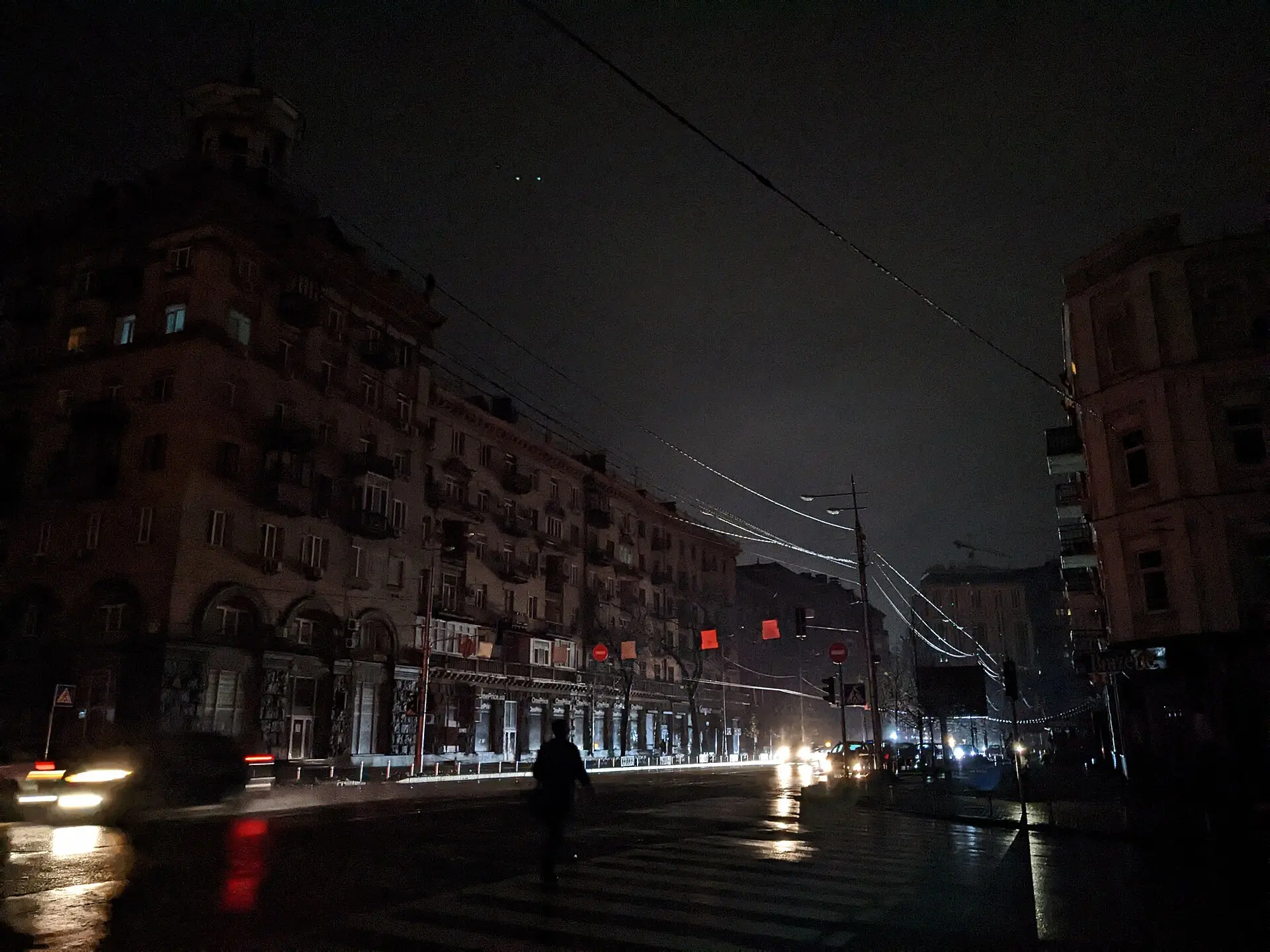
Generators humming, power cuts, water shortages, and endless air raid alerts — these are part of everyday autumn life in Kyiv. The Chytomo team has compiled posts by Ukrainian female writers, filmmakers, and cultural managers sharing their experiences of Russian shelling and daily challenges while finding the strength to live and work in the capital.
Lyuba Yakimchuk, Kyiv-based poet and author of the collection “Apricots of Donbas,” originally from the Luhansk Oblast, wrote about her life in Kyiv. Yakimchuk read her poetry at events in Europe, the United States, and Canada. She has spoken to international audiences about the war in Ukraine since the outbreak of the full-scale invasion. In 2022, Yakimchuk read her poem “Prayer” at the Grammy Awards ceremony. In 2026, the Latvian translation of “Apricots of Donbas” was also shortlisted for the Latvian Literary Award in the poetry translation category.
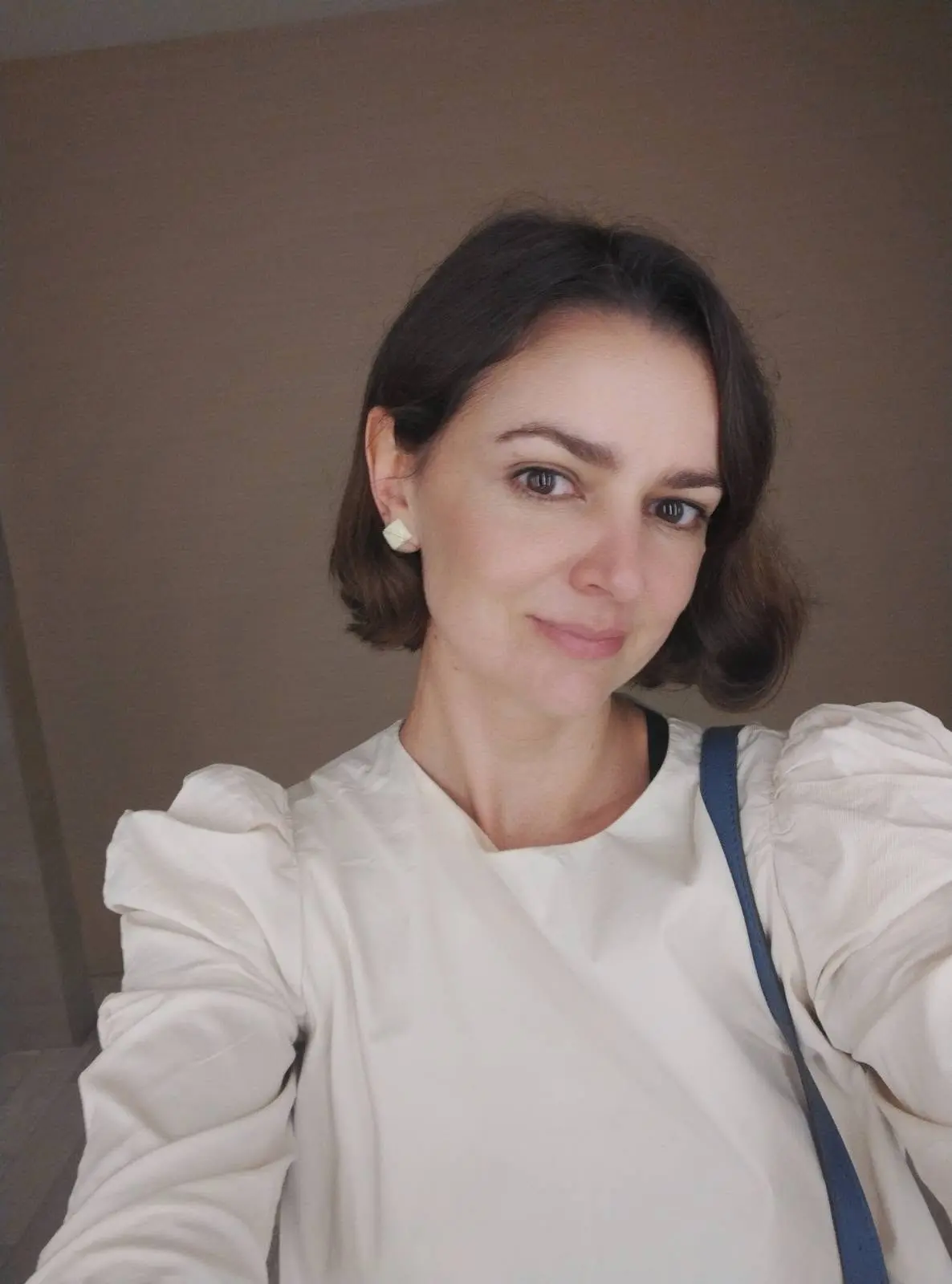
Photo: Lyuba Yakimchuk’s Facebook page
“It’s dark outside. I’ve started to think the North Pole has shifted to Kyiv. At this time of day, even Oslo gets more light than my street. You wake up and it feels like twilight has already set in,” Yakimchuk wrote.
“I’m heading home and the darkness is already here. It is thick, unbearable. I take kids for a walk down to the river, but they believe we’re going to the store for jelly gummies. We walk through the dark streets with a flashlight, strolling along the dark, quiet waters of the Dnipro. I try to go there every day, even though someone was murdered there recently. They didn’t even need a Shahed (drone), like the one for the building we just passed. I probably shouldn’t be walking here if you think about all my traumas from the 1990s. Well, after the 2020s, I couldn’t care less about my 1990s traumas.* They’ve faded, and I walk wherever I please. What I want is to walk around Kyiv.
“The autumn darkness rustles beneath our feet as we walk on.
“Every day is made up of silly little things like this, and we live through them. Jelly gummies are our goal, and the lights are already flickering at home.
“When the lights flicker, how can you tell if it’s flirting or a power surge that’ll burn out the fridge? It’s out of love. The electricity we have now often costs the lives of the people who repair what had been damaged and die while doing so. They do it out of love. We live in Kyiv out of love. Everything around us, everything that’s still alive, that sprouts in the spring and falls in the fall, lives out of love. And a little bit out of anger. There should be room for anger, but never too much to ruin love. Not everyone manages to do that.”
*In the 1990s, Ukraine experienced a severe economic crisis, hyperinflation, a rise in organized crime, and social instability. A gradual economic recovery began in the early 2000s.
Oksana Khmeliovska, editor-in-chief and co-founder of Chytomo, described how, with winter approaching, she began organizing her days around the gas cooker.
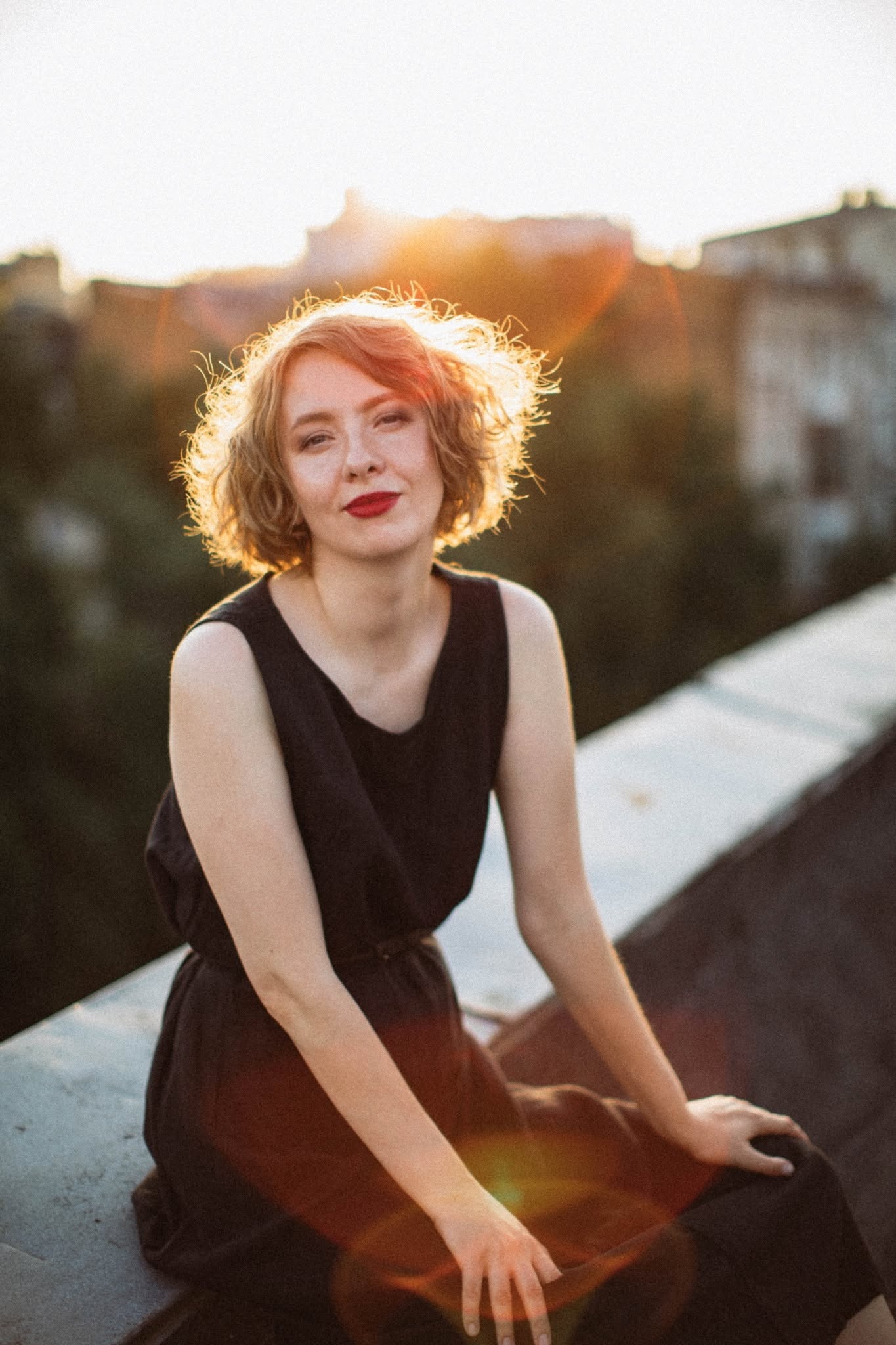
Photo: Nastia Telikova, via Oksana Khmeliovska’s Facebook page
“For the past few weeks, my thoughts have been revolving around what I can bake or cook. I’m experimenting with various combinations of vegetables, meat, sour cream, and spices, and counting out the sheets of parchment paper. Turning on the gas cooker for heating is not recommended, but it seems to serve a broader purpose. I turned it on an hour before cooking and turned it off later, once the dish was ready. You can lean against the oven and watch as the coffee slowly comes to a boil.
“Sitting down to draft agreements, edit documents, and join Zoom meetings feels nicer when there’s something warm behind you. The gas burner hisses, sets the pace for work, and rouses you from your pre-winter slumber.
“Touching something warm is pretty much like touching something that’s alive. I’d like to thank my gas cooker and Kyivgaz” (Kyiv’s natural gas distributor).
In the same post, Khmeliovska mentioned a book by writer, TED speaker, and member of PEN Ukraine Kateryna Yegorushkina about a pich (traditional masonry heater, oven, and stove) in a Ukrainian home. She borrowed the book from the library for her son Marko.
“In the book, the pich is the central figure around which everything and everyone revolves. One can keep warm when it gets cold, cook a meal, regain strength when sick, drift off into a warm and restorative sleep, dry herbs, mushrooms, and berries, warm hands, find peace, or draw. Pich, bestowing warmth and meaning, grants renewal to the family and the village, destroyed in a previous war that left Ukraine severely weakened.”
Maria Prydma, a cultural manager and co-founder of Litosvita (a school for creative and professional writing) and the educational project Cultosvita, wrote about her morning routine.
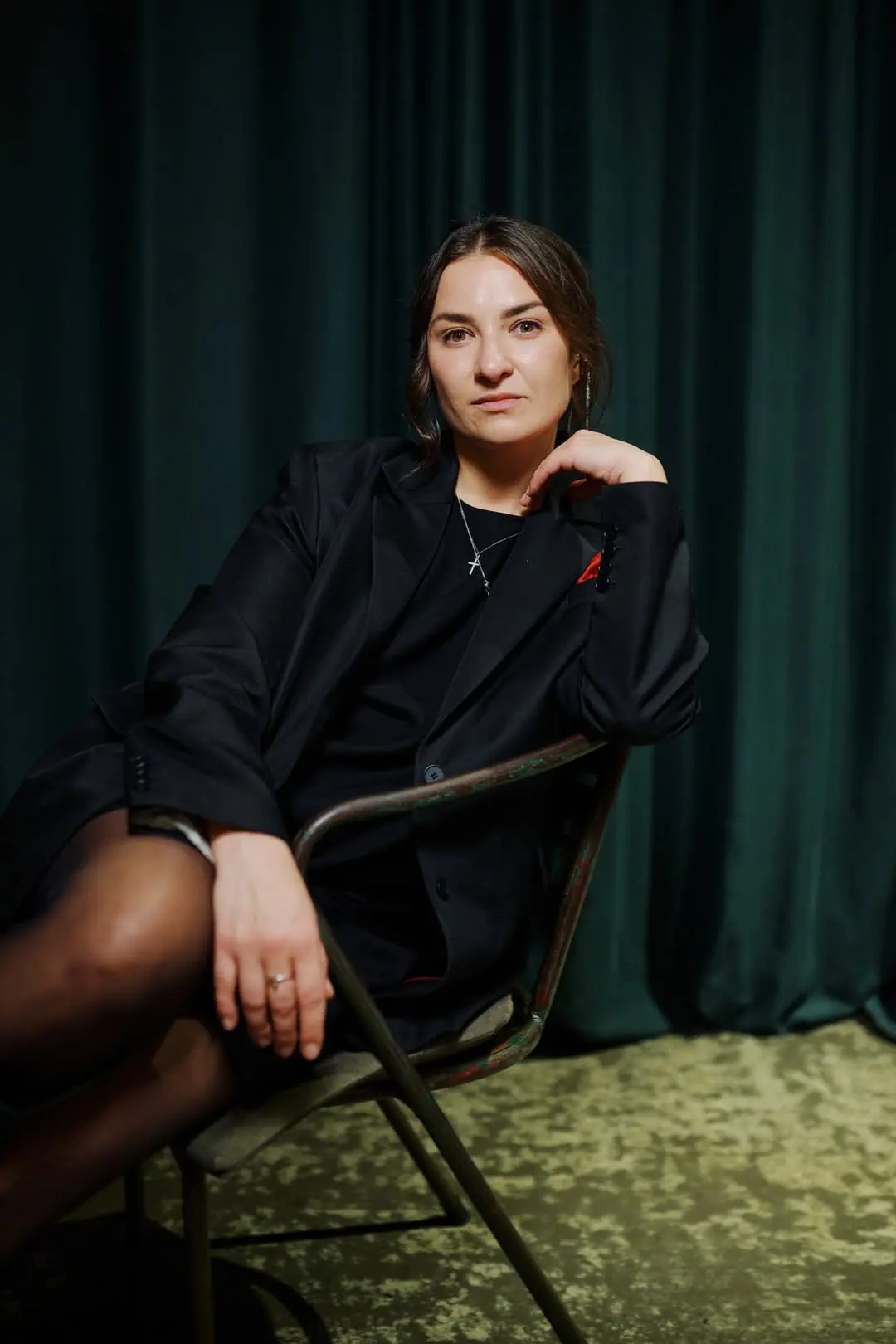
Photo: Maria Prydma’s Facebook page
“No electricity at home for two days straight. The morning began with the generator starting up, and it feels like the best gift I’ve received this year.
“I check my messaging apps in the morning. Work chat is the most active. We’re planning the launch of a course on theater.
“My second active chat is with friends, where we discuss how to proceed with Mykhailo Tkach’s investigation (as head of Ukrayinska Pravda investigations department, Tkach focuses on exposing corruption, abuse of power, and the extravagant lifestyles of Ukrainian officials, politicians and oligarchs during the full-scale war).
“All this is unbelievably surreal, I think to myself. It would seem we’re living in times when only the essentials matter. Entertainment and culture should become a lower priority, just like our art classes. I want to believe that’s not the case.
“Despite power outages and endless worries, no matter how much effort it takes, theaters continue to operate, directors continue to stage productions, and audiences continue to hunt for hard-to-find tickets, travel to other cities for premieres, and support the theater arts.”
Tetyana Ogarkova is a literary scholar, essayist, and co-founder of the podcast: Kult. She is embarking on a promotional tour of France and Canada. There, Ogarkova will present the French translation of her book of essays, “La vie à la lisière. Être ukrainien aujourd’hui” (Life on the Edge: Ukraine, Culture, and War). The book, which she co-authored with philosopher, writer, and president of PEN Ukraine Volodymyr Yermolenko, was published in French by Gallimard in February 2026.
Ogarkova also shared a video of her 10-year-old daughter Yaryna Yermolenko performing the prelude “Lockdown” during a blackout. The piece is by Ukrainian-Turkish composer, pianist, and teacher Myroslava Tereshchuk-Şentürk (also known as Mira Şentürk).
Video: Tetyana Ogarkova’s Facebook page
At the time the post was published, the power had been out for nine hours.
Despite increasingly difficult conditions and the persistent threat of shelling, many Ukrainians are deciding to return to Kyiv. Among them is children’s author and poet Olesya Mamchych, who wrote about her first year back in the capital after returning from Poland.
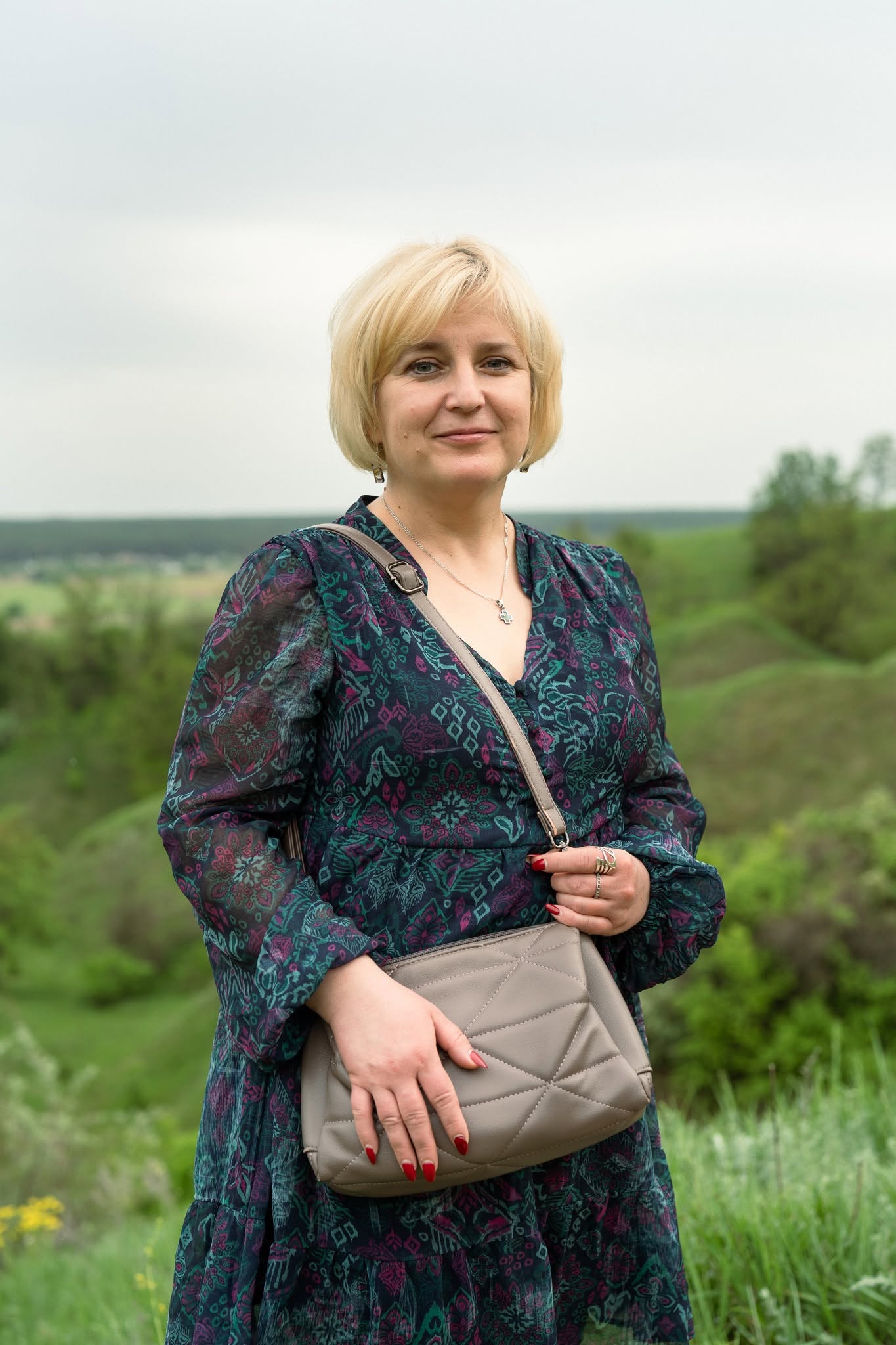
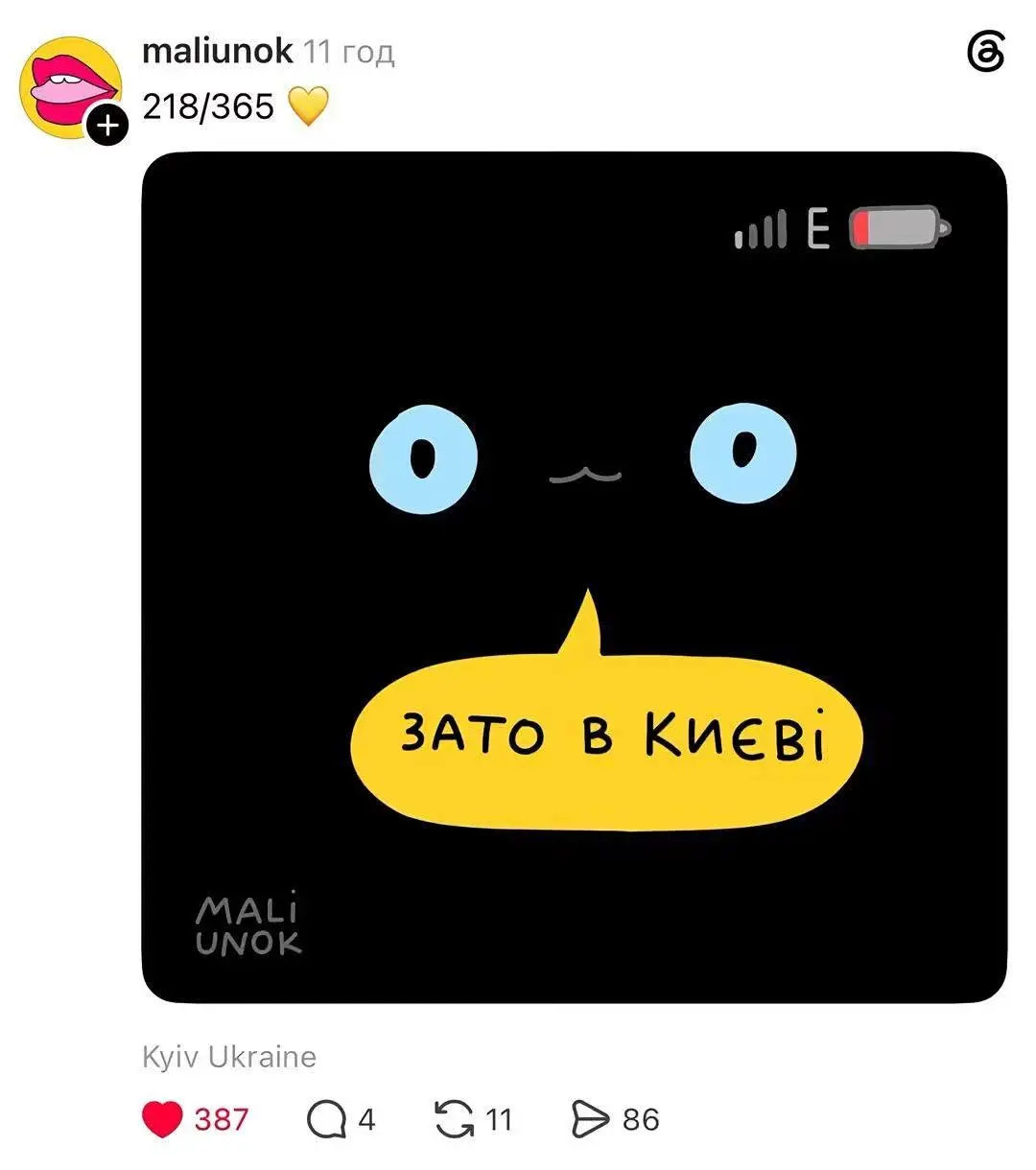
Photos: Olesya Mamchych’s Facebook page
“I’m happy to have made it through another year. Life in Kyiv fosters fatalism and leaves little room for expectations beyond the present day. I was scared so many times. I was scared in May when there was shelling nearby and explosions were very loud. Our friends lost their apartment but miraculously everyone survived. That really scared me, and we started heading down to the shelter under the building. But now the projectiles are faster than our descent to the shelter.
“It had been terrifying since the end of August, when jet-powered drones flew nonstop. Not only did they fly, but the sound of explosions would ring out roughly every twenty minutes. My basic sense of security was shattered, and I was afraid to leave kids even for a few hours, clinging to the illusion that I was in control and that they were safe in my presence. The map of my city suddenly became dotted with more or less likely targets, and I’d plan my routes to avoid shopping malls, gas stations, government buildings, and universities. Every time I drove to the dentist, I’d hoped that nothing would hit me while I was sitting in the chair with my mouth open. After all, this is the industrial district of Pochayna, and when going to the shower or the bathroom, I’d first check how many drones were currently over the city and whether I’d make it in time.”
However, alongside her recollections of danger, Mamchych’s post also includes reflections on what her return has brought her.
“I’m very, very happy that I’ve spent this year in Kyiv. As a meme I came across on social media put it, I feel that I’m living life to the fullest. It might seem strange from the outside, and it’s nearly impossible to explain it to my foreign colleagues. Foreigners have asked me if I regret coming back and every time I try to explain it sounds less convincing than how I feel inside. I fit in perfectly here. Here, with the dark, shelled city, with the exhausted people around me, with the soft Ukrainian accent, with the signs on the stores, and with the otherworldly eyes of the veterans, which you can’t mistake for anything else. Here, everything unfolds through some gentle inner impulses. I expend a great deal of energy just on routines of daily life and on the simple effort to stay sane, but connections with people are being restored and formed, as if we’d been on the same wavelength our whole lives, and hugs, hugs, hugs at gatherings, over coffee, at literary readings, after liturgy, at picnics — they’re so effortless and deeply healing.
“Shattered windows are becoming an increasingly common sight, and some neighborhoods in Kyiv are black and scorched ruins. Poems are written, books are read whenever there’s a moment, as long as there’s strength left, and books bring boundless joy.”
Thinking about winter, Mamchych does not exclude the possibility of leaving Ukraine temporarily. However, she would prefer to stay at home.
“So many times, when my children said things that were unimaginably painful, I’ve clutched my head and my heart. They said things that should never have happened to them, things that are painful even to put into words, because children shouldn’t have to dream of surviving, distinguish between air raids and air defense sounds, or watch drones through the window. But this is the reality, and it is my pain and my responsibility, and I’m still going over various ‘Plan Bs’ in my head in case of a very harsh winter, but spending a month or two abroad is still at the very bottom of the list.
“The first and foremost on the list is the desire to spend this winter at home as well. I love being in Kyiv surrounded by its scents and sounds, its atmosphere, and the friendly handshakes.
“The golden domes, the Baroque whiteness of the old walls, and the sweeping view of the parks along the Dnipro bring tears of joy to my eyes. I’m right here, I’m right in the middle of it all. I feel good here. I want to be here. I’m scared, and yet I want to be here. I’m so happy that we spent this year at home.”
Main image: Photo: Bektour / Wikimedia Commons / CC BY 4.0
Translation: Iryna Savyuk
Copyediting: Sheri Liguori
Читомо» — це медіа про книжки й літературу, що підтримувало українське книговидання задовго до того, як це стало трендом. Ставайте частиною історії — доєднуйтеся до Клубу Читомо!
the more you read, the greater the possibilities
801
book industry in the times of war
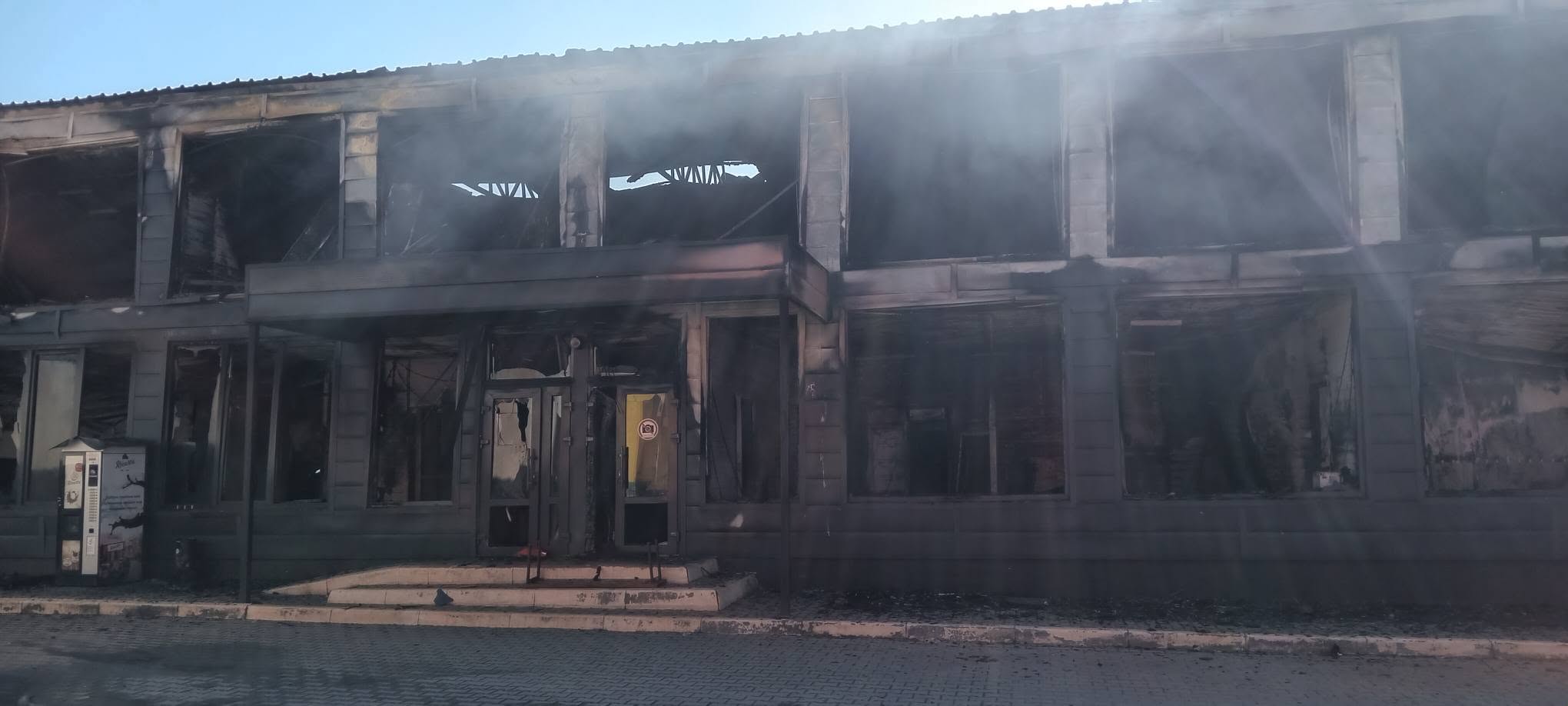
Russian drone attack hit book warehouses amid losses for Ukraine’s publishing industry surpassing 10 million copies
31.08.2026 -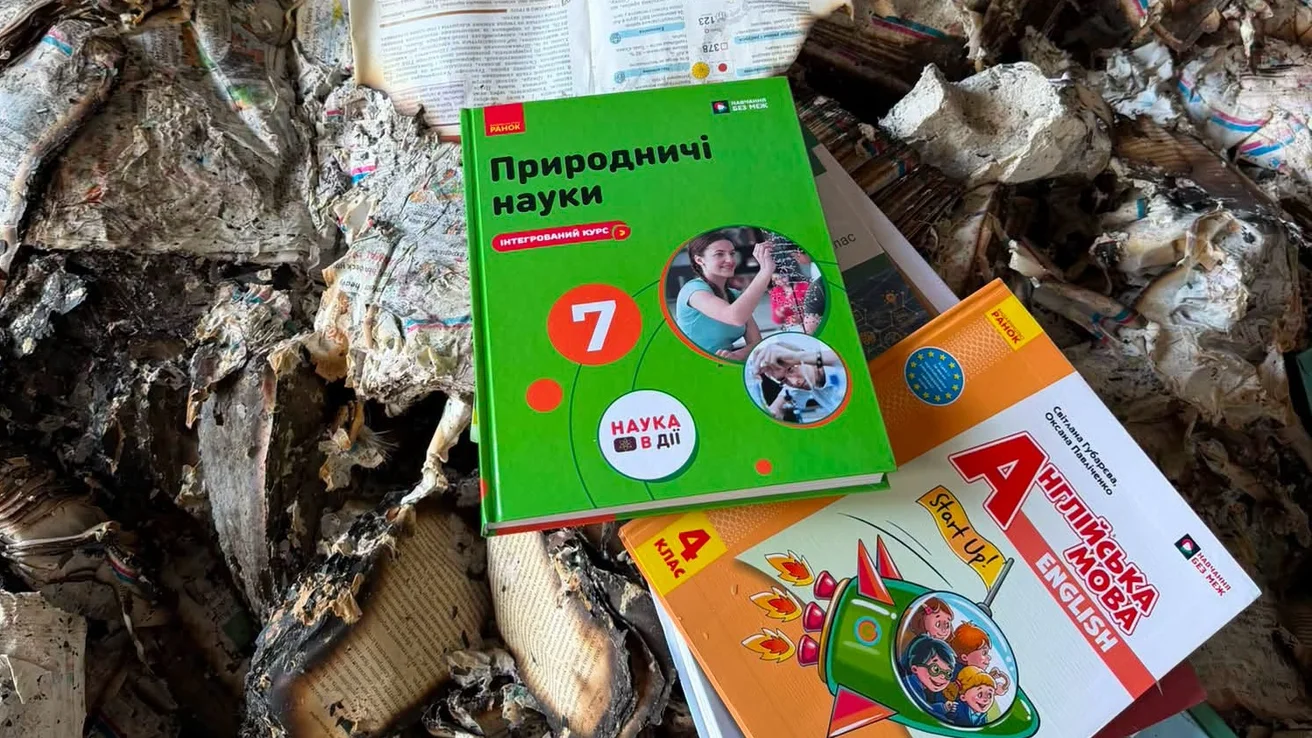
161
destroyed books
Russian attacks destroyed more than 1.1 million school textbooks planned for 2026
19.08.2026 -