* ESC - close the search window
book industry in the times of war
Russian drone attack hit book warehouses amid losses for Ukraine’s publishing industry surpassing 10 million copies
31.08.2026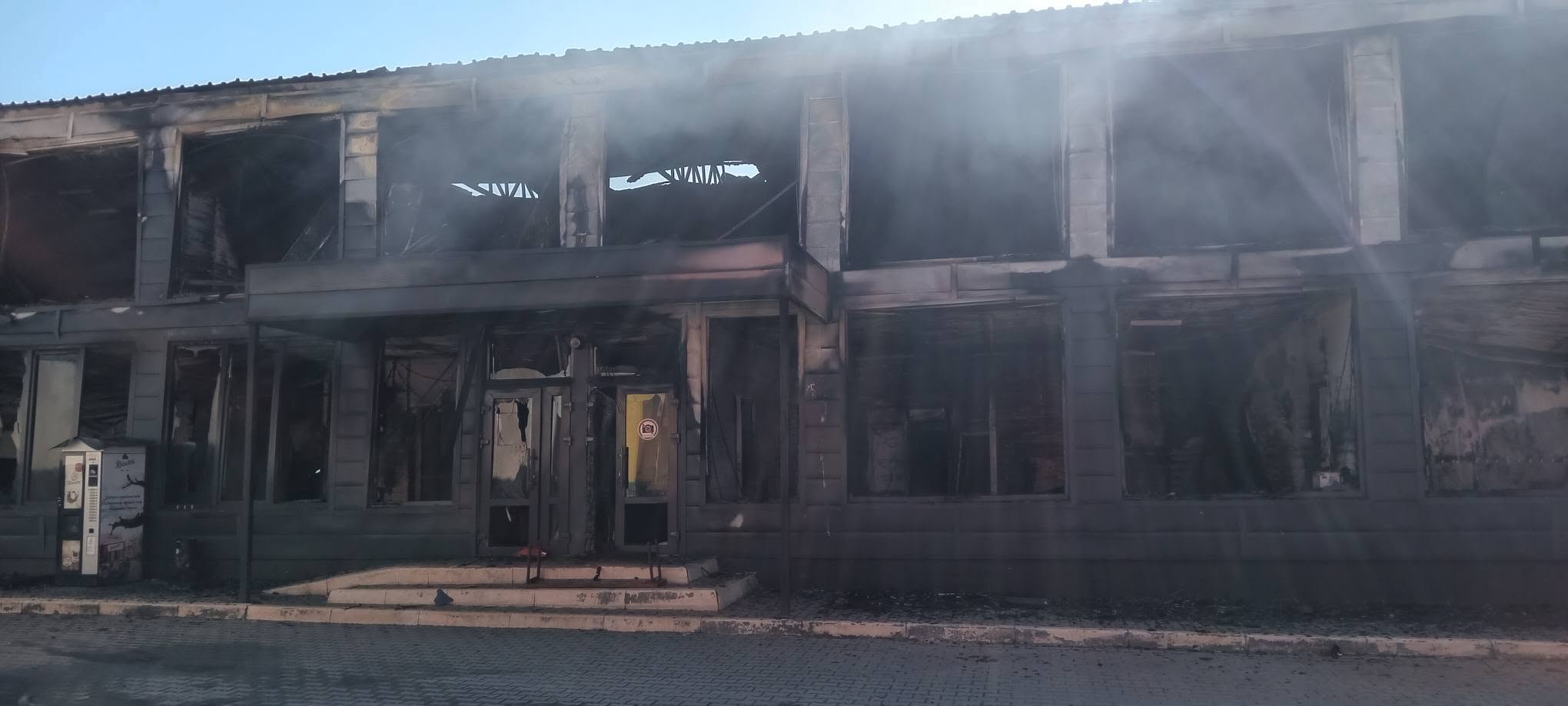
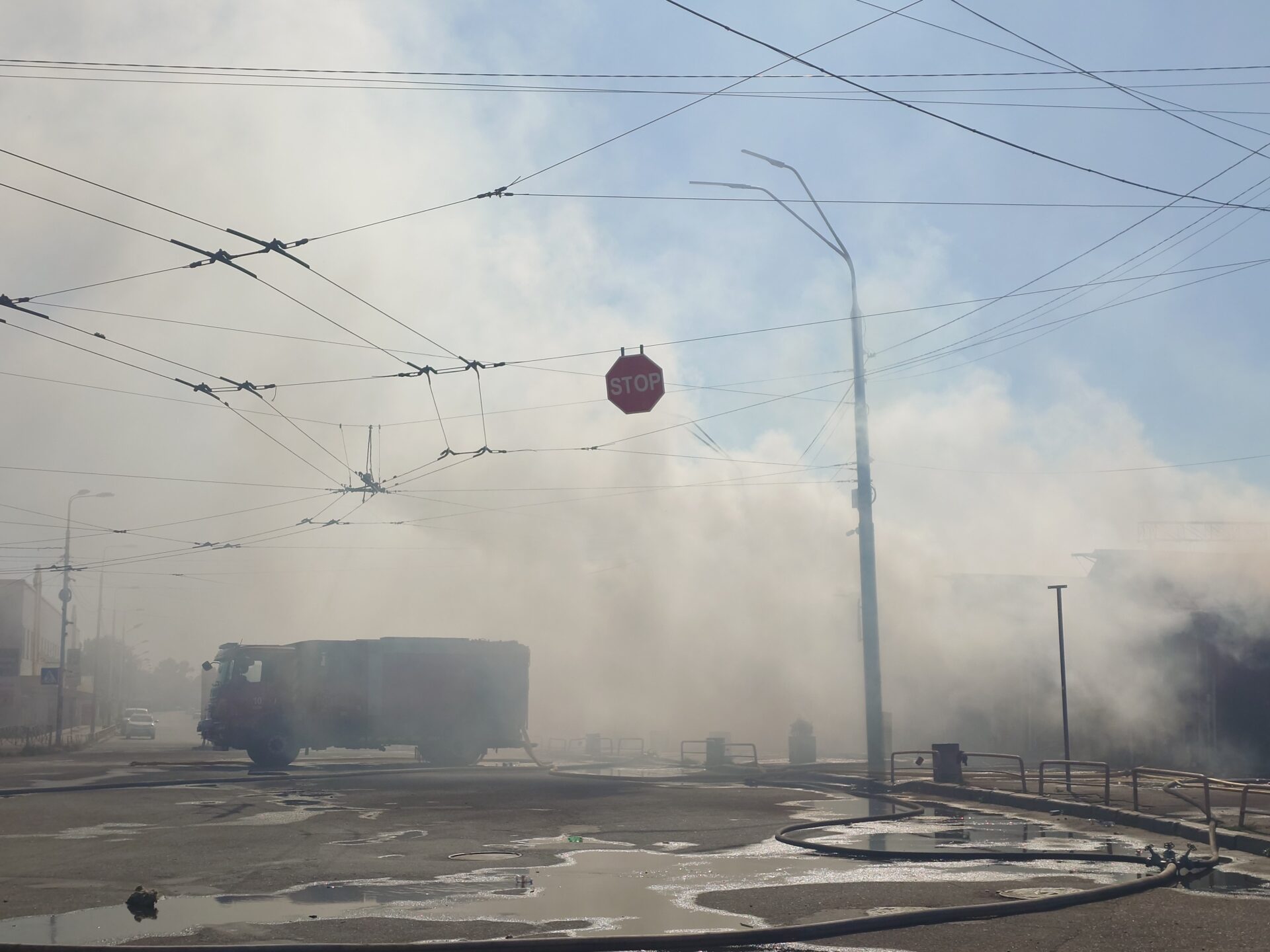
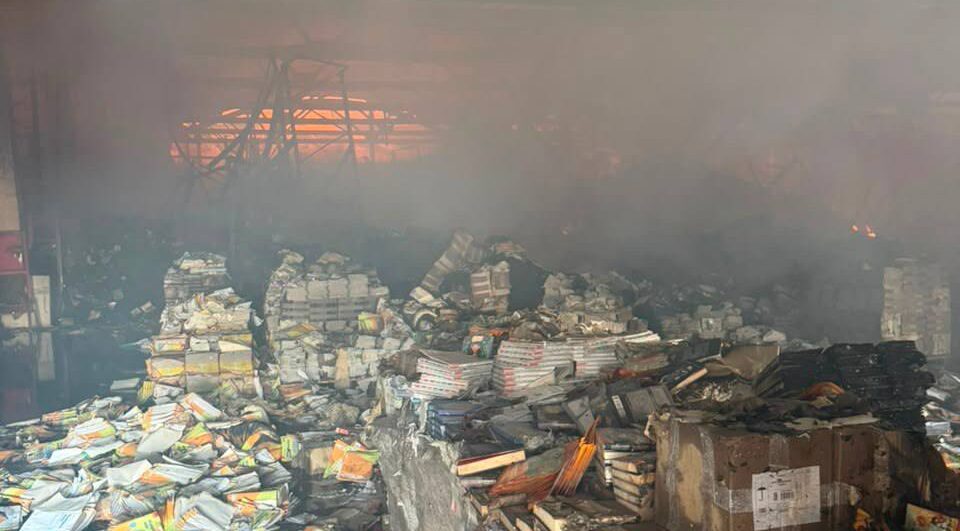
A Russian drone struck warehouses storing books belonging to several Ukrainian publishers and bookstores, including Vivat, Readeat, Ouroboros, Book.ua and Osnovy, during an overnight attack on Aug. 28.
Readeat founder Dmytro Feliksov said a Shahed drone directly hit the warehouse containing books belonging to Readeat, Book.ua and other publishers. Readeat suspended order shipments for the day following the attack.

Vivat CEO Yuliya Orlova said the publisher’s warehouse in Kyiv burned down during the attack. Vivat had already begun relocating part of its stock to avoid keeping all its books in one location. Some print runs had been moved to Lviv, while stocks at the publisher’s own bookstores had also been increased.
However, many new releases and books by Ukrainian authors remained at the Kyiv warehouse, including books being prepared for the upcoming Knyzhkova Kraina, Ukraine’s largest book festival. Its spring edition drew more than 71,000 visitors and saw over 85,000 books sold. The next festival is scheduled for Sept. 17–20 in Kyiv, and Orlova said Vivat’s participation was now also uncertain.
The full scale of Vivat’s losses is still being assessed. According to Orlova, books belonging to the publisher burned at three warehouses — Vivat’s own warehouse and facilities operated by its partners.
Osnovy, Nash Format, Krapky, Murkit, Kit publishing, Bearded Tamarin publishing, Nebo Booklab publishing, ist publishing, Glimmer publishing and Vydavnytstvo publishing also reported that books stored at the affected warehouse were damaged or destroyed. Stiletto and Stylus publishing, Vidkryttia publishing were also affected by the attack. Well Books said it was assessing its losses and warned that some physical-book orders could not be shipped temporarily. Verba publishing also reported damage to its stock at the Nova Poshta fulfillment warehouse, where a substantial portion of its physical books was stored. Hto tse? publishing confirmed that 100% of their books were lost.
Among the publishers affected was Creative Women Publishing, which received the Frankfurter Buchmesse Special Award as part of the 2024 Chytomo Award.
IPIO publishing reported particularly severe losses. IPIO founder and director Olga Ivanova said the company had lost almost its entire stock of books after the warehouse in Sviatopetrivske burned down. Only a small portion of its print runs, which had been kept at the publisher’s office, remained.
Markobook also communicated that almost its entire available stock of books had been destroyed at the warehouse. The publisher said it would have to rebuild its inventory from scratch and temporarily suspend order deliveries.
A-ba-ba-ha-la-ma-ha, one of the oldest Ukrainian publishing houses, also suffered losses. Its founder, Ivan Malkovych, said Russian attacks had previously destroyed the publisher’s books at different locations and blown out windows and doors at its main warehouse. In the Aug. 28 attack, a warehouse used to ship the publisher’s books directly to customers was destroyed.
Malkovych said many of the publisher’s books burned in the warehouse, causing substantial financial losses, and warned that A-ba-ba-ha-la-ma-ha would face delays in fulfilling orders in the near future.
Stretovych publishing narrowly avoided losing most of its stock. Publisher Dmytro Stretovych said the company had stored its books at the Nova Poshta fulfillment warehouse since the publishing house was founded but urgently relocated them about six weeks before the attack. The relocated books remained intact, while copies left at the warehouse with partners Readeat and Book.ua were destroyed.
Book.ua confirmed that the damaged Nova Poshta fulfillment center had contained the entire stock of physical books for its online store. Part of the stock was damaged or destroyed. No warehouse employees were injured. Book.ua founder Ivan Bohdan said the consequences went beyond the loss of a single warehouse or the financial losses of one business, describing the attack as part of Russia’s systematic destruction of Ukrainian books.
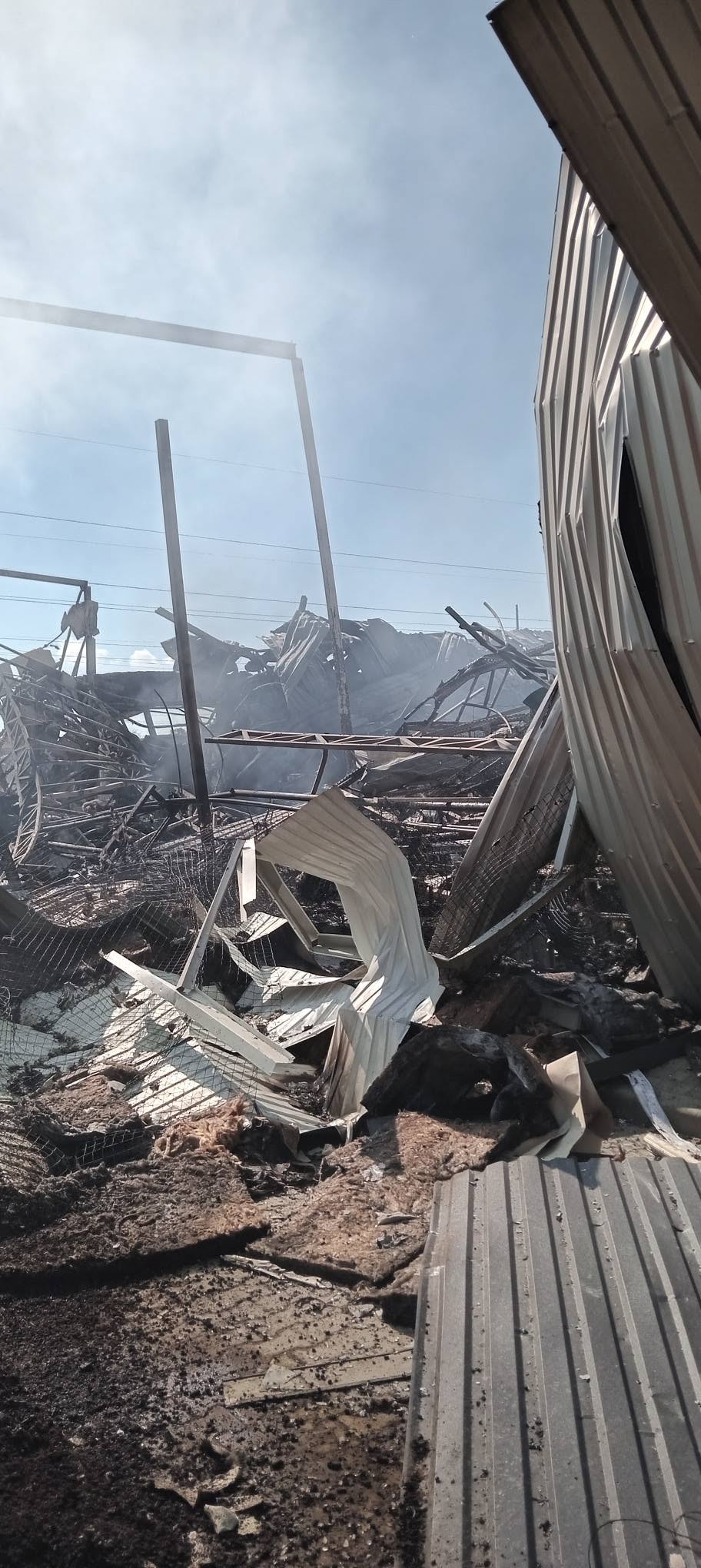
Online bookstore Arfa also warned customers of delays in deliveries from most publishers and in the shipment of some orders. It said the disruptions were caused by Russian attacks on logistics infrastructure, including Nova Poshta sorting terminals and publishers’ warehouses. The bookstore asked customers to expect possible delays as book deliveries along some logistics routes remained disrupted.
Laboratoria Publishing also reported new losses, less than two weeks after being affected by the Aug. 16 Russian attack on Kyiv, which damaged offices and warehouses belonging to several publishers, including Nash Format, Laboratoria, BookChef and RM publishing, and burned almost all book stalls at the Petrivka, one of Ukraine’s largest book markets.
In the Aug. 28 attack, many Laboratoria books stored at partners’ warehouses at the Nova Poshta fulfillment center were destroyed. The publisher is still assessing the extent of the losses.
Artbooks also reported that it had lost more than 14,000 books worth around 6.5 million hryvnias (145,900 U.S. dollars) over the course of the month.
Support for publishers expands after Aug. 28 attack
Following the Aug. 28 attack, Ukraine’s Culture Ministry announced measures to support the book industry following the series of attacks, including plans to restore state-funded library acquisitions, introduce rapid grants for small publishers, and develop war-risk insurance for finished print runs.
Nova Poshta, a major Ukrainian postal and logistics company, said it would compensate publishers and bookstores whose stock was destroyed at its fulfillment center. The company confirmed that it was supporting affected businesses and developing support mechanisms, including restoring lost stock and printing new runs. Nova Poshta also announced a shift from large centralized warehouses to a decentralized network of local storage facilities to reduce the risk of similar losses in future attacks.

Photo: Anton Ovsiienko / Facebook
The Ukrainian library association, a nationwide professional organization representing libraries and library workers, launched the #supportukrainianpublishers campaign, encouraging readers to buy a book from a Ukrainian publisher, read it, and then donate it to a library.
Ahead of Sept. 1, the start of the school year in Ukraine, Liudmyla Fit, founder of the Cherkasy Book Festival, proposed that children bring teachers books instead of flowers, a traditional gift for teachers among many Ukrainians, turning the custom into another way to support Ukrainian publishers.
Ukrainian brands also joined calls to support publishers following the Aug. 28 attack, encouraging customers to buy Ukrainian books, gift certificates, or preorder books as ways to support the industry.
Chytomo also launched “Reading to Endure” campaign to support publishers affected by Russian attacks. The initiative highlights books that remain available in bookstores and online, encouraging readers to support affected publishers through purchases. The campaign began with #knygolove, which lost more than 200,000 copies and reported 25 million hryvnias (561,800 U.S. dollars) in losses after a Russian missile attack destroyed a warehouse storing its books in July.
How the international publishing community can help
There are many ways to support Ukrainian publishers directly — and every one of them can make a difference right now:
- Acquire rights from Ukrainian publishers.
- Buy books directly from Ukrainian publishers. Some publishers already offer books in English, making it possible to purchase and support them from abroad.
- Include Ukrainian books in your distribution. If you are a distributor, bookstore, or bookseller, consider adding Ukrainian titles to your catalogue and making them available to your readers.
- Buy Ukrainian e-books directly from publishers’ websites. Many are available only in Ukrainian, but purchasing them can be a fast and secure way to support Ukrainian publishers financially from abroad.
The Aug. 28 attack comes amid a series of Russian strikes that have damaged Ukraine’s publishing and bookselling infrastructure this summer.
As reported earlier, a Russian attack on Kyiv on July 2 destroyed approximately 800,000 BookChef books stored at a warehouse operated by Denka Logistics. The same attack damaged the Megapolihraf printing house while it was producing books and school textbooks for Ranok. Following subsequent strikes, BookChef reported that Russian attacks had destroyed nearly 1 million of its books over the summer.
Another Russian missile-and-drone attack on Kyiv overnight on July 18–19 destroyed or damaged around 850,000 books. The attack devastated the Konvi printing facility, destroyed a warehouse belonging to #knygolove and the office of the newly established Mison publishing house, and damaged the Arc.ua office.
On Aug. 1, a Russian attack caused a large fire at RNK-Ranok’s logistics center in Kharkiv, destroying around 8 million book copies, including approximately 600,000 school textbooks. By Aug. 3, books damaged or destroyed in Russian attacks that summer amounted to nearly one-third of Ukraine’s entire 2025 book print run. Ukrainian publisher Zhorzh alone lost around 400,000 books in the strike, with its financial losses exceeding its annual sales. By Aug. 19, more than 1.1 million school textbooks intended for 2026 had been destroyed in Russian attacks on Ukrainian publishers and printing facilities.
Main image: Ivan Bohdan
Читомо» — це медіа про книжки й літературу, що підтримувало українське книговидання задовго до того, як це стало трендом. Ставайте частиною історії — доєднуйтеся до Клубу Читомо!
the more you read, the greater the possibilities
316
Russia's attack
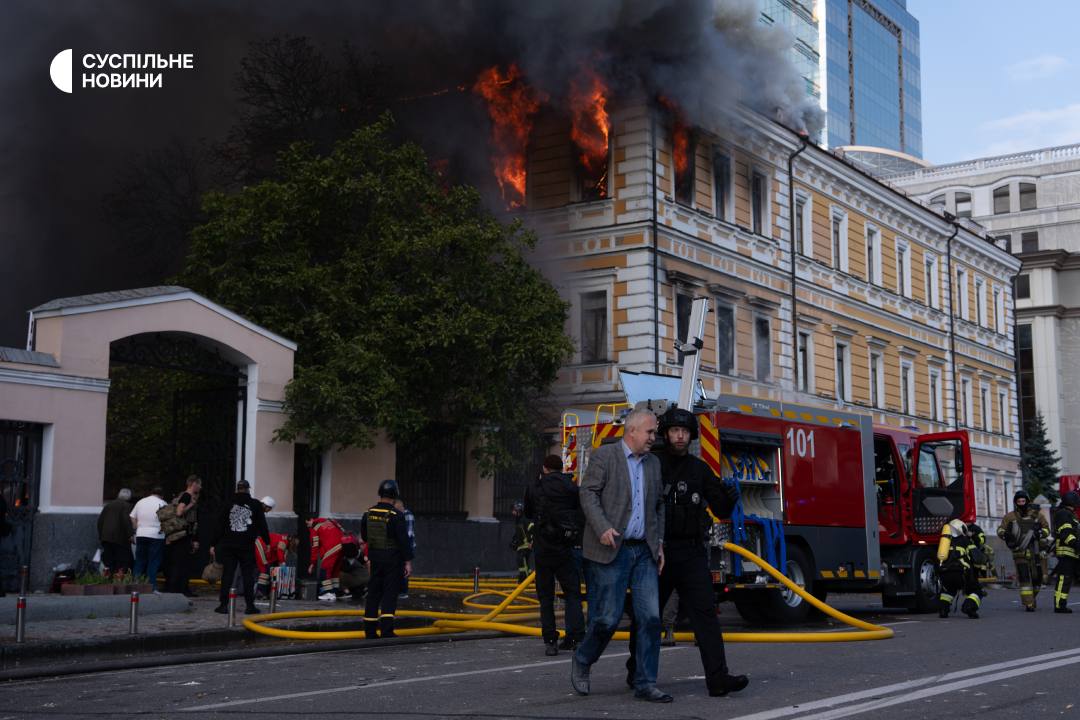
Russian drone strikes Ukraine’s National Academy of Sciences in Kyiv, killing two and damaging historic headquarters
30.09.2026 -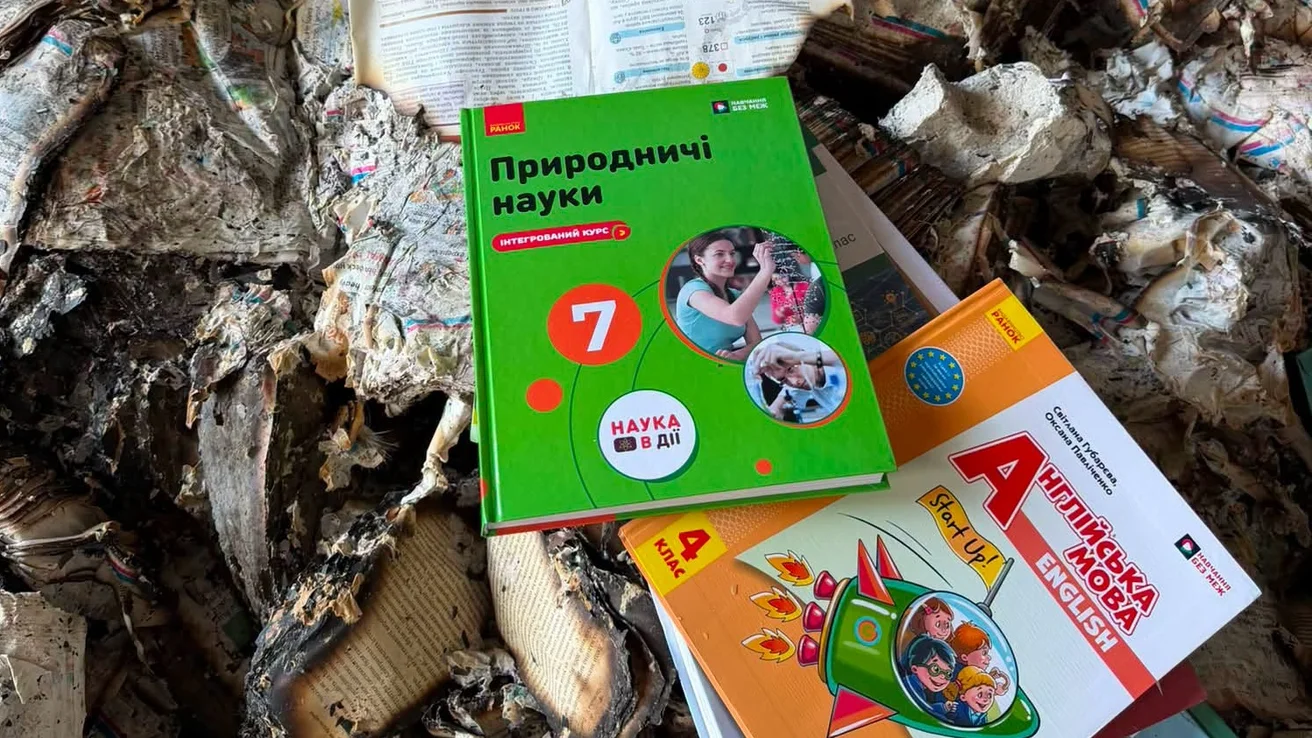
153
destroyed books
Russian attacks destroyed more than 1.1 million school textbooks planned for 2026
19.08.2026 -