* ESC - close the search window
Finland
Helsinki takes action to reverse the reading decline
17.03.2026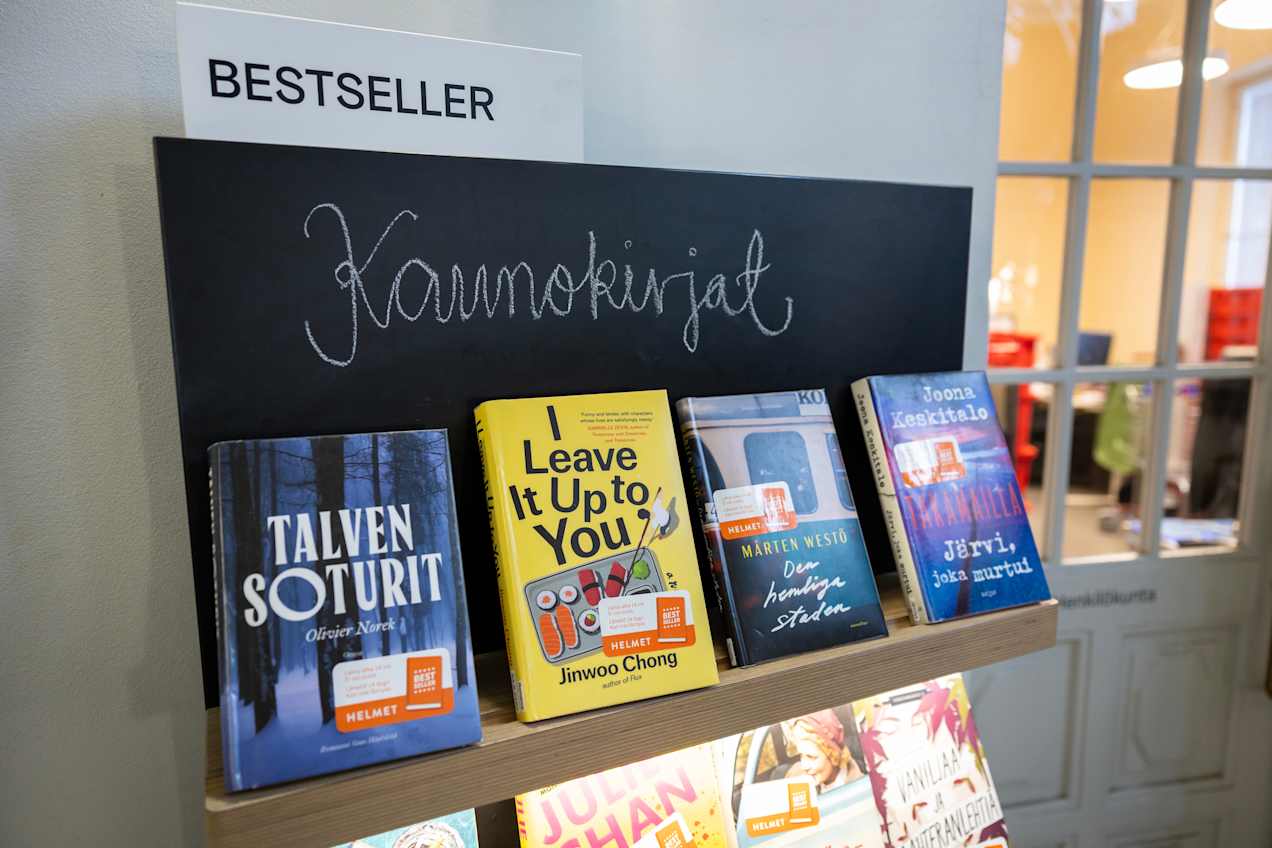
Helsinki is working to address the decline in interest in reading among children, teenagers, and adults through initiatives that encourage early reading and improved language teaching in schools.
City officials say that the nationwide trend of declining reading levels is also evident in Finland’s capital. Reetta Vanhanen, Deputy Mayor for Education in Helsinki, points to research on reading literacy showing that two-thirds of 15-year-olds read only when necessary. According to Vanhanen, reading and reading literacy are important not only for cultural life but for education, careers, and public engagement.
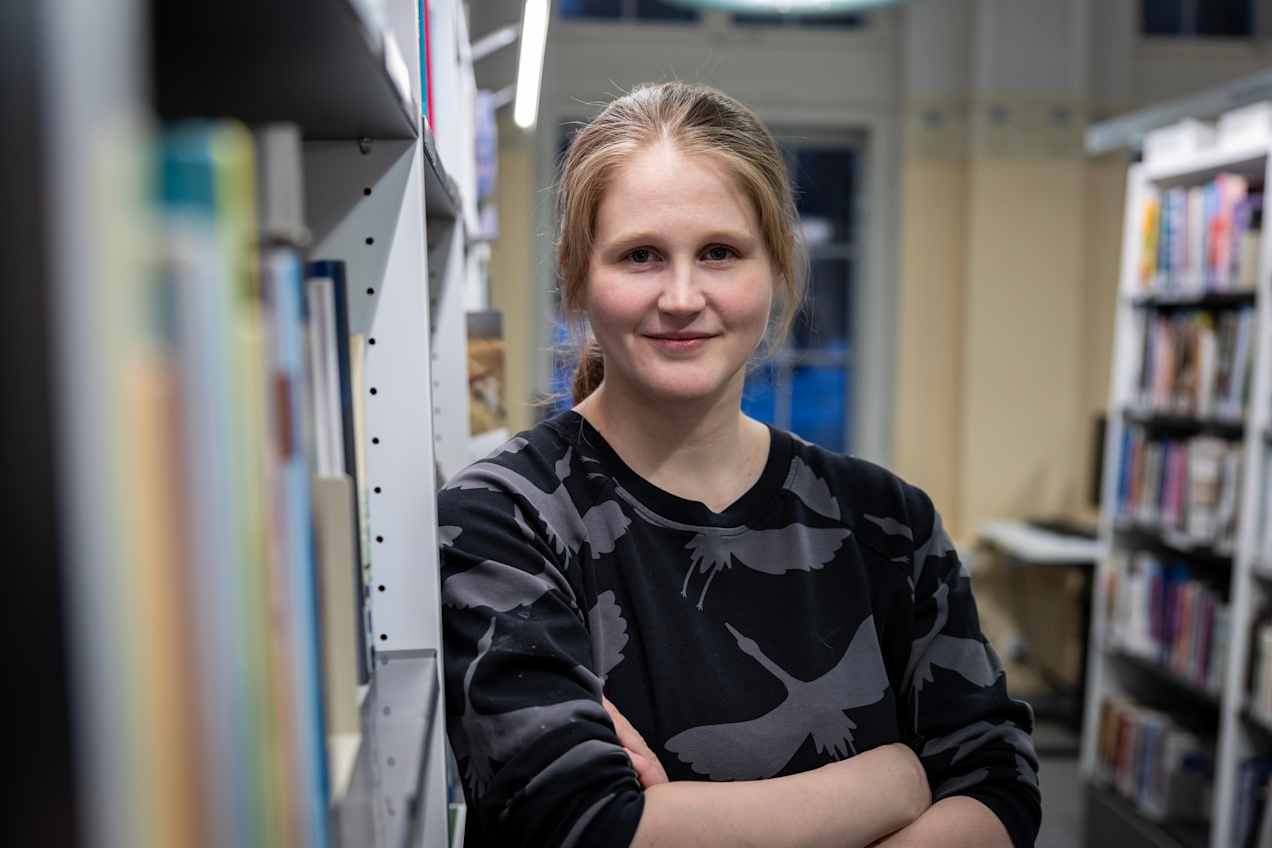
Author Leena Lehtolainen views the decline in reading habits as a problem that extends beyond the culture. She sees language as the primary tool through which people understand one another. “Serious tension and chaos can be caused if we don’t understand one another,” said Lehtolainen.

Both Vanhanen and Lehtolainen emphasize that it matters not what people read; rather, it is important to foster the habit of reading itself. “We shouldn’t judge what people read. The priority is making people want to start reading,” said Vanhanen.
According to Lehtolainen, encouraging young people to read could involve better book recommendations, more literature aimed at teenagers and young adults, and shorter forms of prose, especially short stories.
One of the ways to promote reading is the new international literature festival Helsinki Noir, held in February-March 2026. It is dedicated to crime fiction — one of the most popular genres in Finland — and takes place in libraries, museums, and other public spaces. All of the city mayors have joined the program and are hosting their own book clubs.
“Appearing on stage will be some of the most exciting crime, police procedural, and true crime authors, discussing themes such as evil, international crime, pivotal human choices, police work, and crime solving. Step into the dark – it’s never been this attractive!” reads the description on the festival’s website.
RELATED: Finland shows highest library activity level in nearly 20 years
A new program has been launched to encourage children to read from an early age, offering free book packs (“Lukulahja lapselle”) for children under one year of age, distributed at health clinics. The program aims to encourage parents to read to their children as early as possible.
Kindergartens in the city have also stepped up their reading-aloud programs. In addition, book carts are being set up to make books more noticeable.
Also, elementary schools plan to strengthen Finnish language instruction. Vanhanen names an example of the Keinutie Primary School in the Kontula neighborhood of Helsinki as a case of a systematic approach. According to her, students in one of the classes there have read more than 17,000 books in the course of their schooling.
City officials highlight the importance of both school and public libraries. Vanhanen notes that libraries are often the most accessible places for children to get a book. Lehtolainen stresses that funding for libraries and bookmobiles should not be reduced.
At the same time, Helsinki is seeing positive progress. In 2025, city libraries were visited 9.2 million times, and 5.9 million books were checked out — a 4% increase from 2024. The popularity of children’s and young adult literature in libraries rose by 8%.
As reported, Finns read an average of 16 books a year. 85% of Finns read or listen to books in any format during their free time.
RELATED: Eero Balk: Our elders warned us that the KGB might try to recruit us
Main image: Antti Kolppo /Yle
Copy editing: Joy Tataryn
Читомо» — це медіа про книжки й літературу, що підтримувало українське книговидання задовго до того, як це стало трендом. Ставайте частиною історії — доєднуйтеся до Клубу Читомо!
the more you read, the greater the possibilities

53
books for libraries
Cafés, e-lending and book lockers: Estonia studies what could draw more people to libraries
16.07.2026 -
47
books
What Lithuanians read in 2025: The country’s most-borrowed library books and authors revealed
13.07.2026 -