* ESC - close the search window
Journalism
Peter Pomerantsev won Ryszard Kapuściński Award for book on information warfare
04.06.2026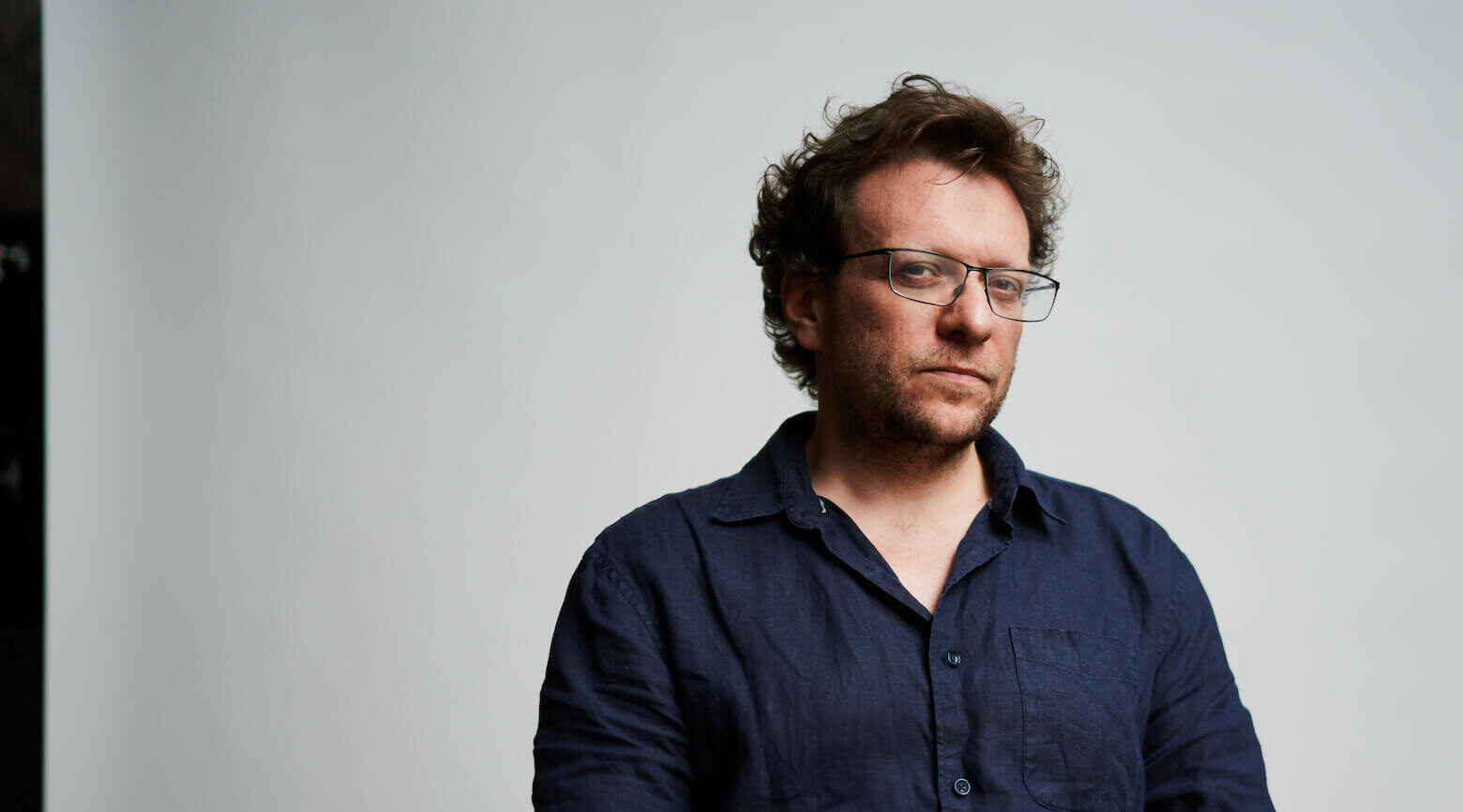
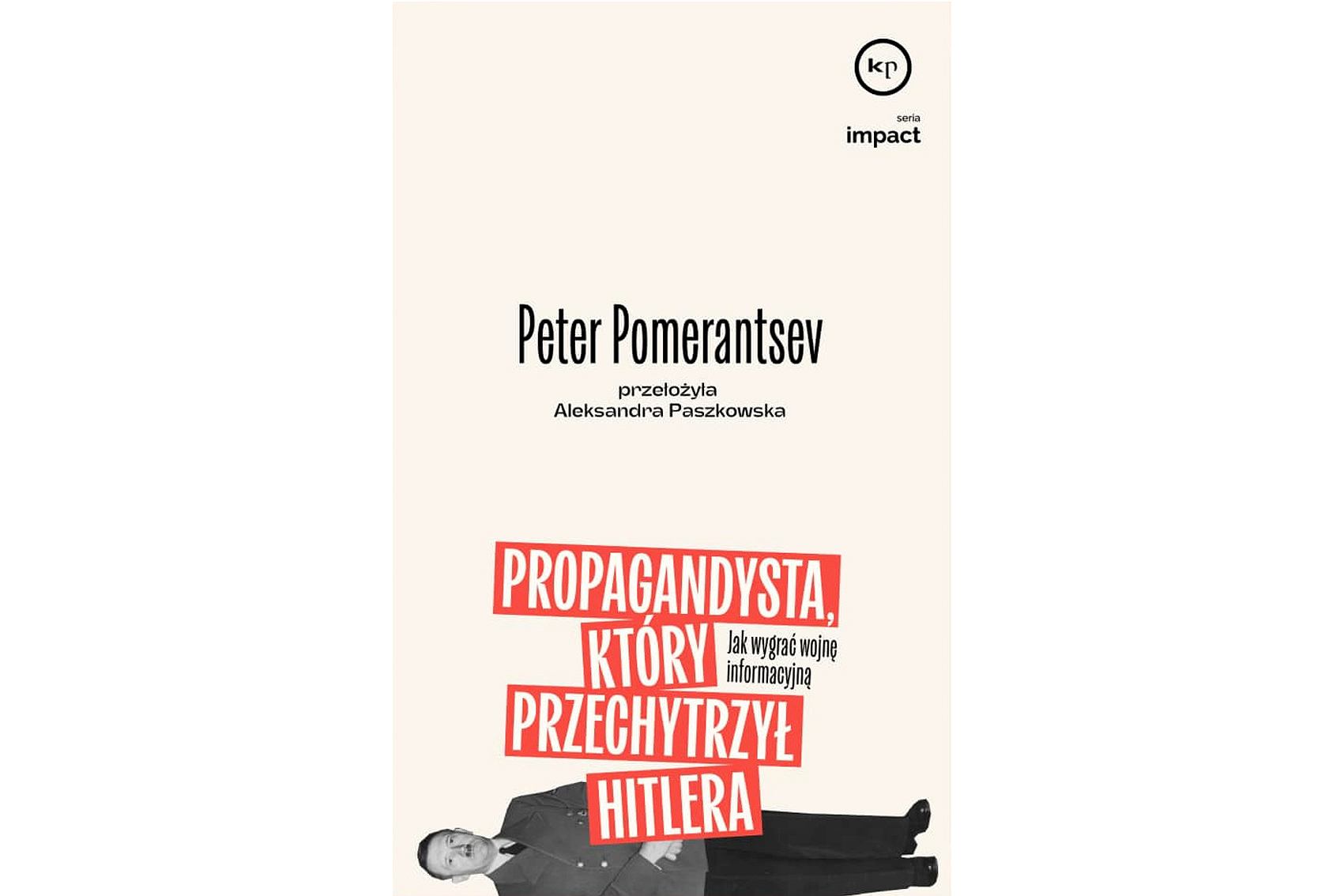
British journalist, writer and propaganda researcher Peter Pomerantsev has won the Ryszard Kapuściński Award, Poland’s prize for best literary reportage, for his book “How to Win an Information War: The Propagandist Who Outwitted Hitler.”
The book, translated into Polish by Aleksandra Paszkowska and published by Krytyka Polityczna, received the award during a ceremony held as part of the Warsaw Book Fair. A Ukrainian edition was published by Meridian Czernowitz.
“In the summer of 1941, Britain and its allies were struggling to combat Hitler’s powerful propaganda machine, which boasted of his inevitable victory and smeared his enemies as liars. British claims to the contrary had little impact―except for the broadcasts of Der Chef, a German who questioned the Nazi Party. Der Chef galvanized Hitler’s opponents across the globe with damning intel on high-ranking Nazi officials and rumors of internal rebellion. Yet all the while, he was a fictional persona created by the British propagandist Sefton “Tom” Delmer,” reads the annotation to the book.
Pomerantsev received PLN 120,000 as the winner of the award, while Paszkowska received PLN 25,000 for the translation. The remaining finalists each received PLN 15,000, and the translators of the finalist books received PLN 8,000.
Ludwika Włodek, chair of the award jury, described the book as a work that addresses the most pressing issues of the present day. She noted that the author repeatedly argues that propaganda is rooted not in persuasion but in fostering a sense of belonging.
“Pomerantsev repeatedly emphasizes that true propaganda is not about persuasion, but about creating a sense of belonging. This book raises the most urgent problems of our time. It was written to make us think. Wise, but not overloaded with facts; terrifying, but also full of hope,” said Włodek.
Accepting the award, Pomerantsev said he had recently returned from Kyiv, where he took part in Book Arsenal.
“We are at the epicenter of a war that will shape the future for generations to come. This is our war. What do I mean by ‘our war’ as a British author? Russia is at war not only with Ukraine but with the entire world through sabotage and disinformation. My book shows how to win the war through information. If we want to do the same with Russian propaganda, we must join forces across the borders of our countries,” he said.
A total of 137 books were submitted for this year’s Ryszard Kapuściński Award. Of those, 96 were written in Polish and 41 were translations from 11 languages. English accounted for the largest number of translated submissions, with 24 titles. Three books each were translated from French, Spanish and Ukrainian, two from Italian, and one each from Arabic, Hebrew, Dutch, Norwegian, Slovak and Swedish. The submitted works were published by 35 publishers, while three books were self-published by their authors.
Five books have made it to the finals of the award:
- “Poznań kolonialny. Rodzinna historia z Tanzanią w tle” by Kasper Bajon;
- “Nie koniec, nie początek. Powojenne wybory polskich Żydów” by Anna Bikont;
- “Nasz mały sekret. Graficzny pamiętnik Emily Carrington” by Emily Carrington;
- “Ciszę nad stepem. Kazachstan i pamięć o Rosji” by Joanna Czeczott;
- “Propagandysta, który przechytrzył Hitlera. Jak wygrać wojnę informacyjną” by Peter Pomerantsev.
The winner was selected by a jury consisting of Ludwika Włodek, Søren Gauger, Łukasz Grzymisławski, Elżbieta Sawicka, and Katarzyna Surmiak-Domańska. Maria Kravchik served as the jury secretary.
The Ryszard Kapuściński Award for Literary Reportage is an annual Polish literary prize established in 2010 by the Capital City of Warsaw in cooperation with Gazeta Wyborcza. Honorary patronage over the award was assumed by Alicja Kapuścińska, the wife of its patron. The award honours the legacy of Ryszard Kapuściński — one of the greatest Polish reporters and writers of the twentieth century — and recognises the finest works of literary reportage published on the Polish market, by both Polish and foreign authors.
It is given in two categories: for literary reportage and for translation of reportage into Polish. Publishers submit nominations; a five-member jury selects a long list of ten titles and then a final shortlist of five. The award ceremony takes place annually in Warsaw.
Ryszard Kapuściński was a Polish reporter, essayist, poet, and photographer. Kapuściński’s reports gained widespread recognition not only as investigative journalism but also as literature. He became the most widely translated Polish author after Stanisław Lem. Kapuściński was nominated for the Nobel Prize several times.
In 2020, a book by Ukrainian writer Artem Chekh was shortlisted for the Kapuściński Award. As reported earlier, in 2025, Ukrainian author Tetiana Kolesnichenko received the Kapuściński Award for Journalists for her reporting on crimes committed by the Russian military.
RELATED: Myroslav Laiuk shortlisted for the Ryszard Kapuściński Award
Main image: Valentyn Kuzan/The Ukrainians media
Читомо» — це медіа про книжки й літературу, що підтримувало українське книговидання задовго до того, як це стало трендом. Ставайте частиною історії — доєднуйтеся до Клубу Читомо!
the more you read, the greater the possibilities