* ESC - close the search window
authors’ compensation
27 Estonian authors to receive maximum public lending compensation in 2025
07.07.2026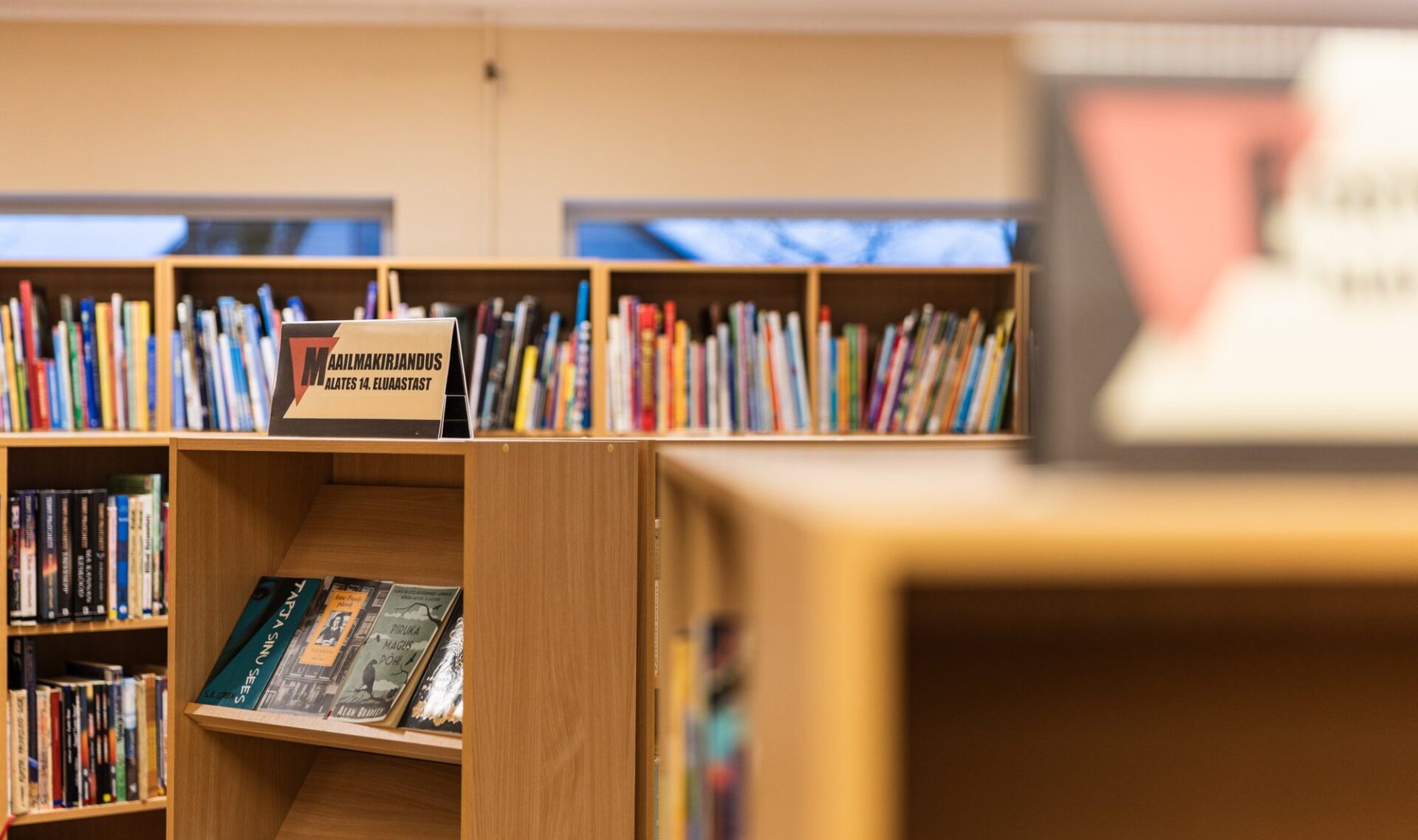
At the end of June, the Estonian Authors’ Compensation Fund will pay writers, translators and illustrators public lending compensation for 2025. This year, 27 authors earned the maximum amount of 8,368 euros, according to ERR.
The 2025 compensation was calculated based on 4,051,004 electronically registered loans in Estonian public libraries. The total compensation budget amounted to 1,412,360 euros. Of this, 1,402,041 euros was distributed among 2,115 authors and rights holders, while 10,319 euros was allocated to collective management organisations for audio and video loans.
In Estonia, authors cannot prohibit libraries from lending their books to readers, but they are entitled to compensation for such loans. Payments are calculated using funds allocated from the state budget and data on electronically registered loans in public libraries during the previous calendar year.
To receive compensation, an author or rights holder must submit an application and list the works for which they are claiming payment. The Authors’ Compensation Fund also receives the necessary lending data from public libraries.
The compensation budget for printed publications is divided between different categories of authorship. According to ERR, 59% goes to authors of original texts in the original language, 1% to authors of original texts in translated publications, 30% to translators and 10% to authors of artistic design.
The amount paid per loan depends on the type of publication. For a book without illustrations, 96% of the payment goes to the author of the text and 4% to the author of the artistic design. If illustrations make up roughly half of the book, the payment is divided equally between the text author and the artist. If illustrations account for more than half of the volume, the artist receives 80% and the text author 20%.
Translators receive half of the amount assigned to the author of the text, while compilers and authors of forewords or afterwords receive one third of that amount. The maximum compensation is capped by law and cannot exceed four times Estonia’s average gross salary for the previous year. In 2026, the maximum payout rose by 444 euros: from 7,924 euros in 2025 to 8,368 euros this year.
The full unit value for authors of original-language works, including authors of forewords, afterwords and compilers, increased from 1.42 euros to 1.48 euros. For authors of original works in translation, the unit value rose from 2.39 euros to 3.28 euros. Translators received 0.34 euros per unit, while authors of artistic design received 0.71 euros.
The authors receiving the maximum payout included Marje Ernits, Andrus Kivirähk, Kadi-Riin Haasma, Indrek Hargla, Siiri Julge Alvemyr, Ülle Jälle, Kristiina Kass, Leelo Kassikäpp, Mika Keränen, Ain Kütt, Heli Künnapas, Tõnu Lember, Piret Lemetti, Lilli Luuk, Katrin Pauts, Aino Pervik, Ketin Priilinn, Raili Puskar, Piret Raud, Reeli Reinaus, Urve Tinnuri, Erik Tohvri, Ilmar Tomusk, Eet Tuule, Urmas Vadi and Tõnu Õnnepalu. Aino Pervik received the maximum amount in two separate categories.
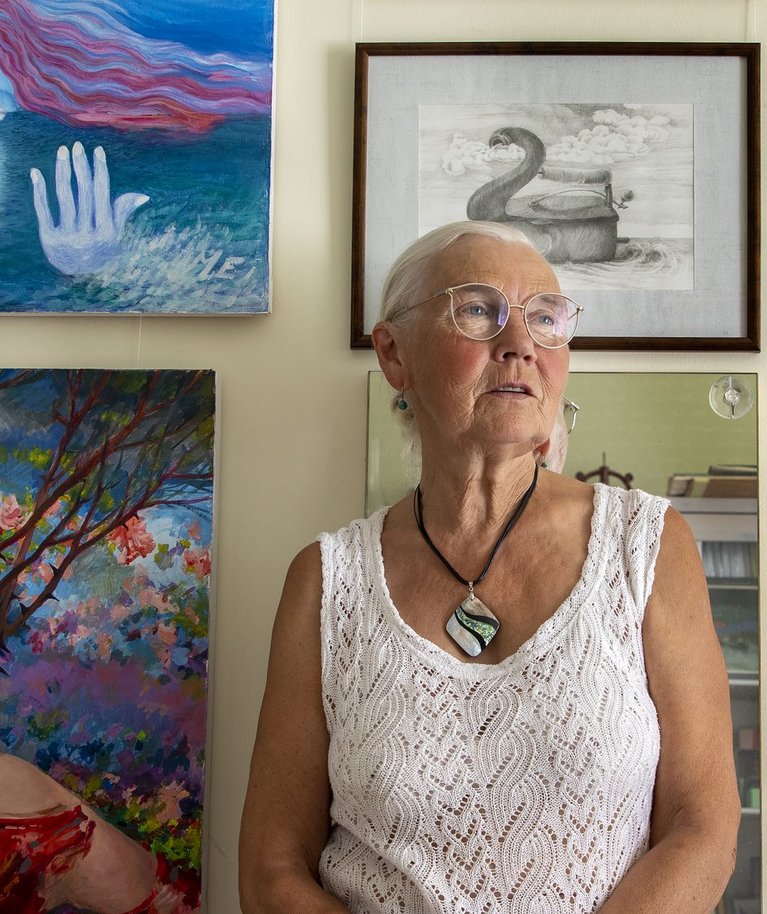
Photo: Marje Ernits, Kairit Leibold / ERR.
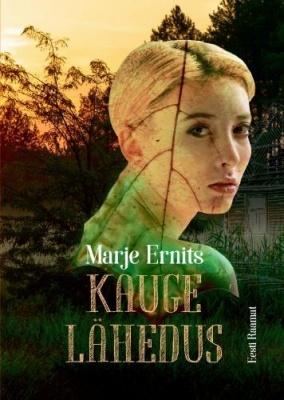
Image: Marje Ernits, “Kauge lähedus” (“Distant Closeness”) / Eesti Raamat
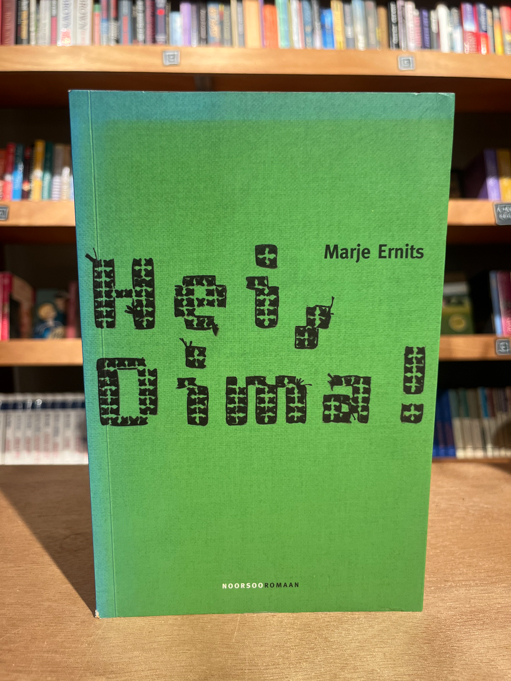
Image: Marje Ernits, “Hei, Dima!” (“Hey, Dima!”), Eesti Raamat.
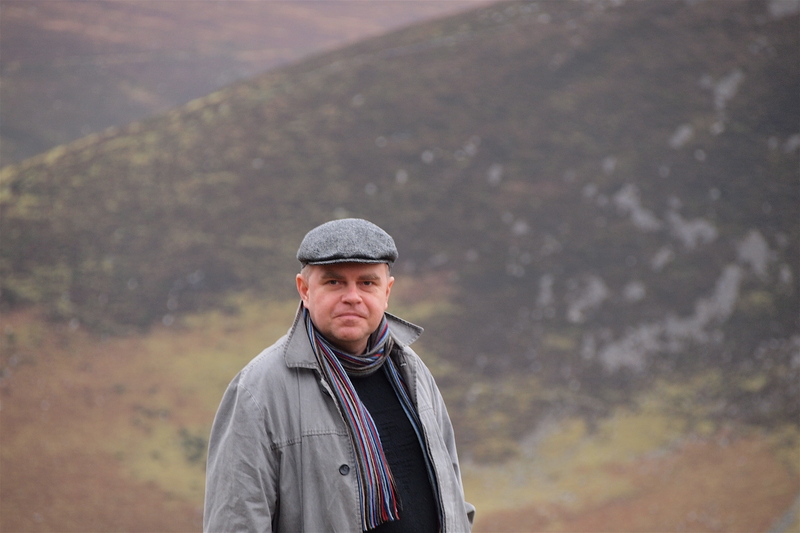
Photo: Andrus Kivirähk, Dmitri Kotjuh / Estonian Children’s Literature Centre.
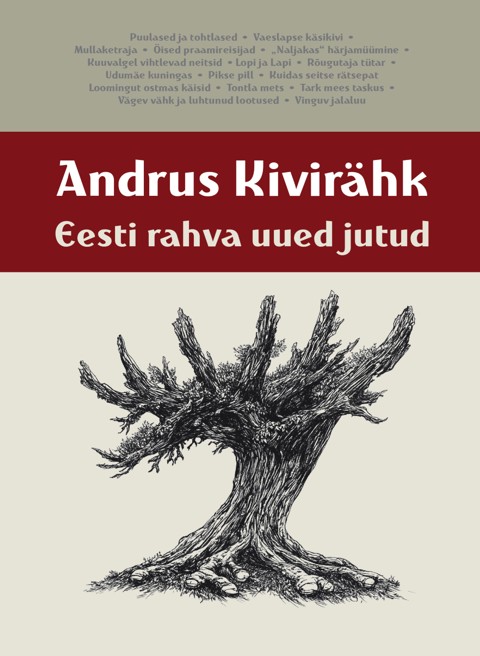
Image: Andrus Kivirähk, “Eesti rahva uued jutud” (“New Tales of the Estonian People”) / EKSA
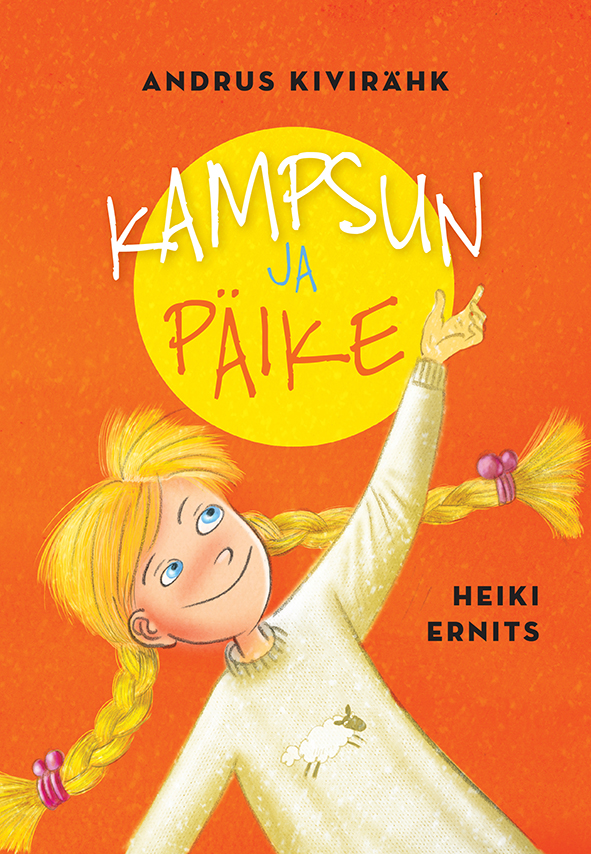
Image: Andrus Kivirähk, “Kampsun ja päike” (“The Sweater and the Sun”), Varrak, 2024.

Photo: Kristiina Kass / Estonian Children’s Literature Centre.
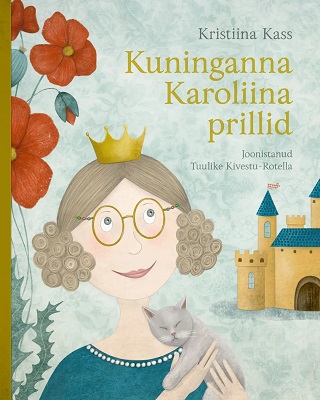
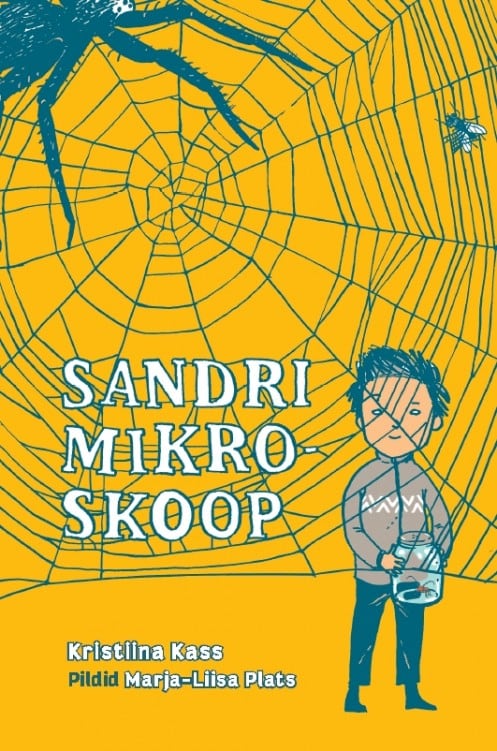
Images: Kristiina Kass, “Kuninganna Karoliina prillid” (“Queen Karoliina’s Glasses”), Päike ja Pilv, 2023; and “Sandri mikroskoop” (“Sander’s Microscope”), Tänapäev / Estonian Children’s Literature Centre.
The highest number of loans was recorded by designer Villu Koskaru, whose works were borrowed 118,086 times in 2025. Writer Kairi Look, whose books were borrowed 6,238 times and who will receive 6,409 euros in compensation, said Estonia’s system genuinely helps authors. According to her, lending compensation forms an important part of a writer’s annual income.
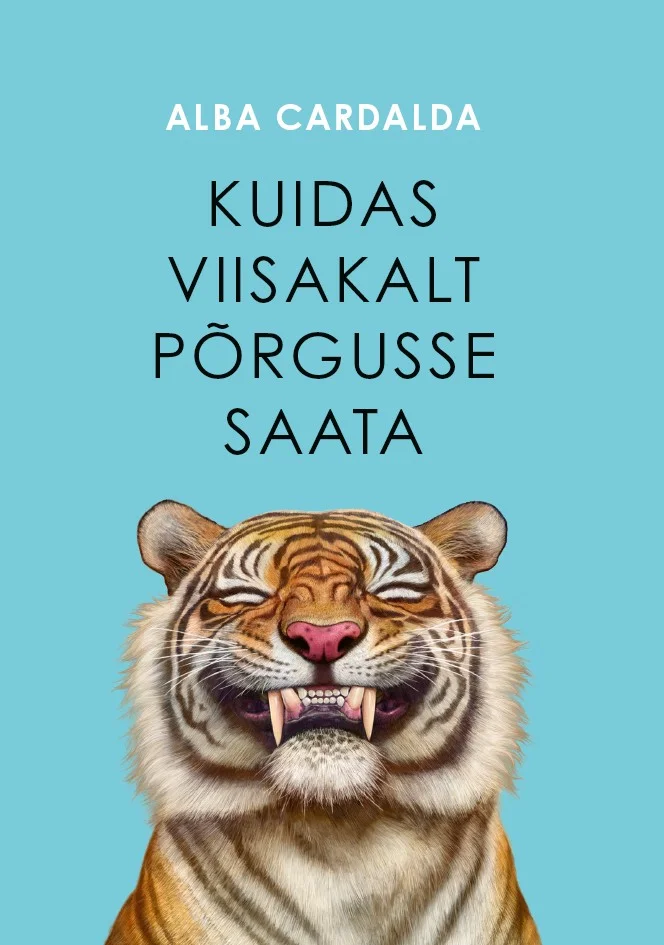
Image: Alba Cardalda, “Kuidas viisakalt põrgusse saata” (“How to Politely Tell People Off”). Cover design: Villu Koskaru. Tänapäev / Apollo
At the same time, Look cautioned against using library lending statistics as a complete measure of the state of Estonian literature. She said such figures primarily reflect public taste and the needs of library users, who often look for entertainment literature. Library borrowers also include schoolchildren with required reading lists and readers seeking more demanding works.
Rain Siemer, CEO of the bookstore chain Rahva Raamat, also noted that library lending rankings and bookstore sales rankings differ significantly. According to him, they overlap by only around 30–40%. He said library readers tend to borrow lighter fiction, while bookstore rankings are more diverse and include fiction, crime, nonfiction and self-help.
The news comes shortly after Chytomo reported that the Estonian Librarians Association had appealed to the Ministry of Culture over insufficient funding for public libraries to purchase new materials. According to ERR, state support for library acquisitions has remained unchanged for five years at 1.9 million euros, while book prices have risen and municipal support varies by region.
Similar compensation mechanisms exist in other European book markets. The Greek collective management organisation OSDEL also compensates authors, translators and publishers for the use of their works, drawing on funds collected from importers of devices used for copying or storing content. Importers pay 2% to 4% of the device cost to rights management organisations, while authors and translators value the system because it provides guaranteed payments to creators.
RELATED: Estonian public libraries lack funds to buy enough books
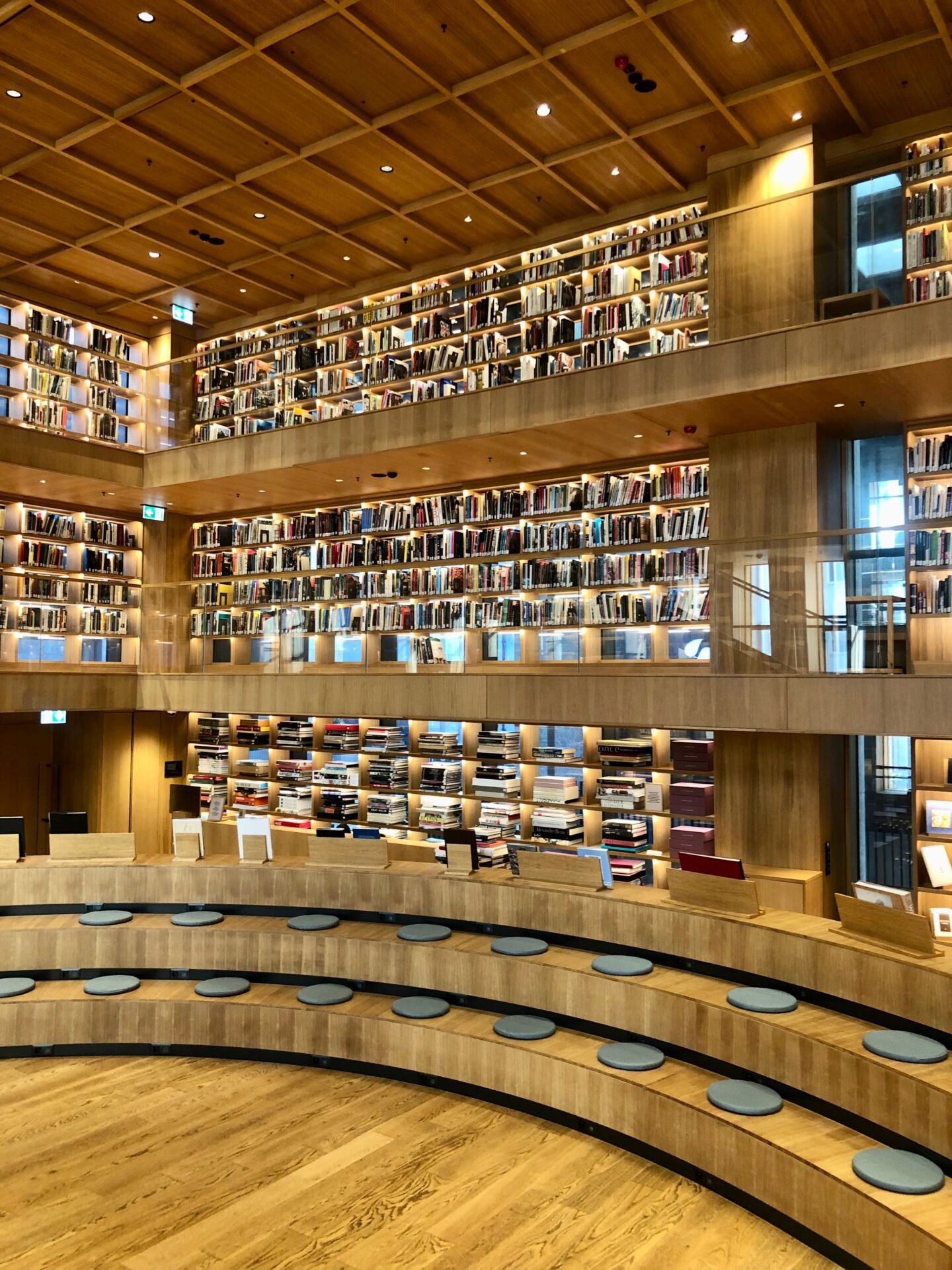
Main image: kultuur.delfi.ee
Читомо» — це медіа про книжки й літературу, що підтримувало українське книговидання задовго до того, як це стало трендом. Ставайте частиною історії — доєднуйтеся до Клубу Читомо!
the more you read, the greater the possibilities