* ESC - close the search window
Lithuania
Lithuanian poet, whose work inspired over 100 songs, dies at 85
30.09.2026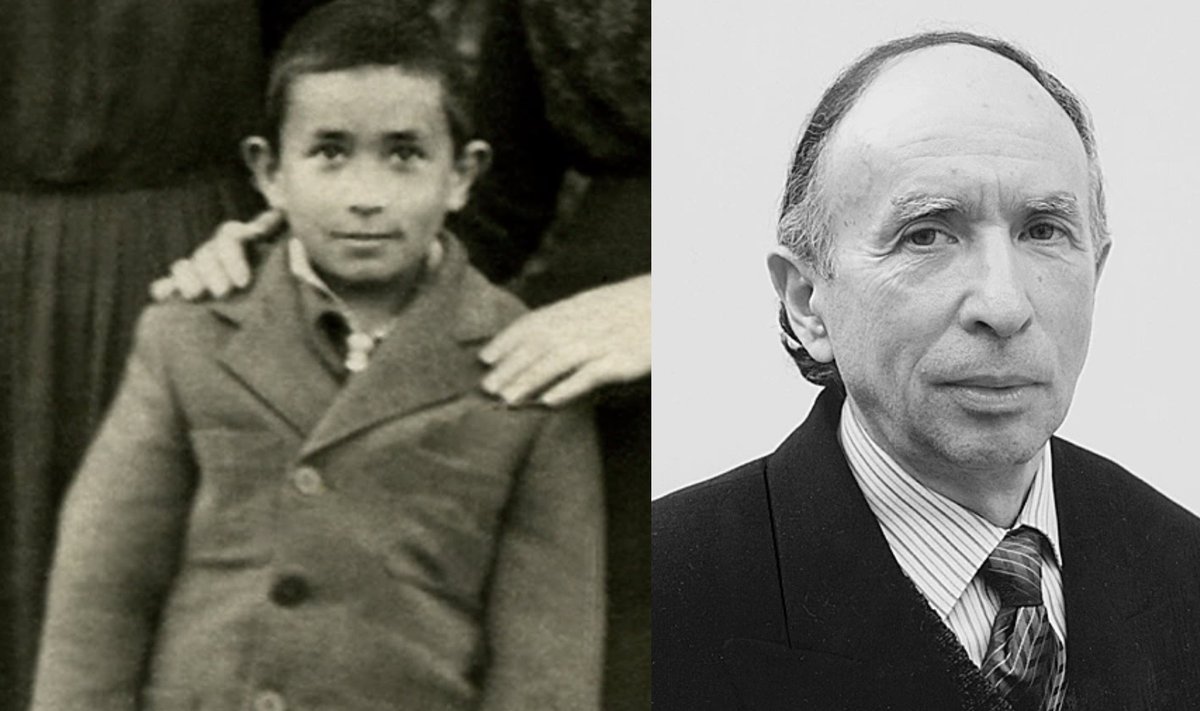
Lithuanian poet and translator Alfonsas Bukontas, whose poetry was translated into Ukrainian and numerous other languages and inspired more than 100 songs, died on Sept. 23 after a long illness. He was 85.
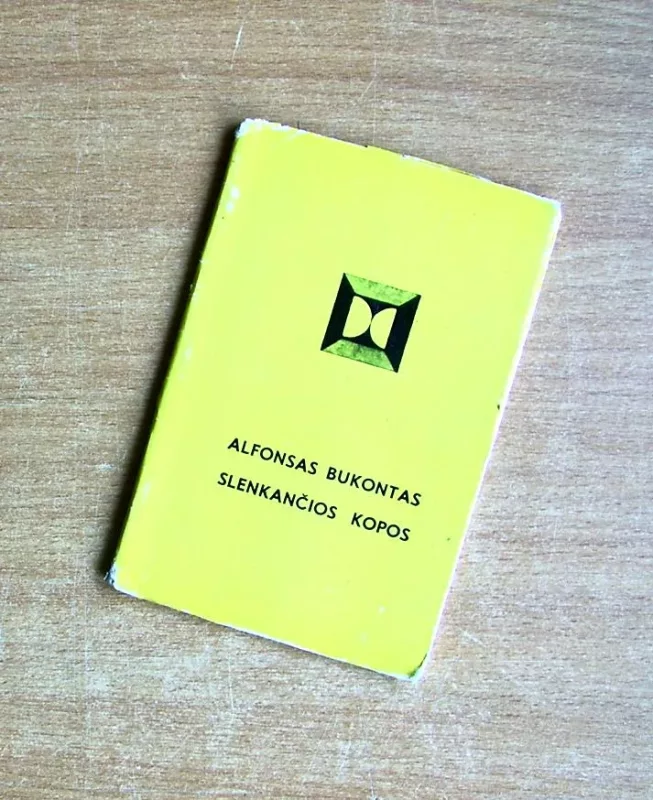
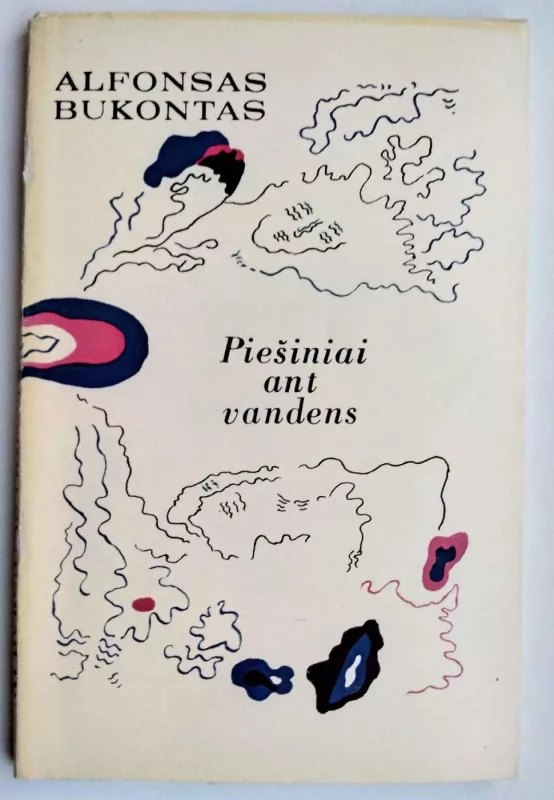
Bukontas’ literary career spanned nearly six decades. His first poetry collection, “Slenkančios kopos” (“Shifting Dunes”), was published in 1967. It was followed by “Piešiniai ant vandens” (“Drawings on Water”), “Mėnulio takas” (“Moon Path”), “Penktas metų laikas” (“The Fifth Season”), “Pirštų atspaudai” (“Fingerprints”), and “Dapšių kelio žaltvykslės.” Personal experience, his childhood in rural Lithuania, and the Holocaust were recurring themes in his poetry.
Images: Sena.lt
His poems were translated into Ukrainian, English, German, Latvian, Georgian, Azerbaijani, Moldovan, and other languages. Professional Lithuanian composers also set his texts to music, creating more than 100 songs based on his poetry.
Bukontas was also a prolific literary translator. He brought poetry by Johann Wolfgang von Goethe, Rainer Maria Rilke, Konstanty Ildefons Gałczyński, Tadeusz Różewicz, Moishe Kulbak, Avrom Sutzkever, Lev Karsavin, and other writers into Lithuanian. He also translated the ancient Indian text “Bhagavad Gita.”
His work extended beyond writing and translation. Bukontas compiled and prepared books by other authors, among them a multilingual edition of Kulbak’s poem “Vilnius,” published in 1997 in Yiddish, Lithuanian, English, French, German, Polish, and Russian and reissued in 2008.
Bukontas was born on Sept. 11, 1941, in Dapšiai in Lithuania’s Mažeikiai district. He graduated in Lithuanian philology from Vilnius University in 1964 and later worked as a teacher and for literary and cultural publications, including “Literatūra ir menas” and “Jaunimo gretos.” He became a member of the Lithuanian Writers’ Union in 1972.
The Holocaust was also closely connected to Bukontas’ personal history. In an autobiography written nearly two decades before his death and republished following his death, Bukontas recounted the story of his Jewish biological family, who were killed during the Holocaust, and his own rescue as an infant. He was raised by a Lithuanian family and learned more about his origins later in life.
Bukontas received several literary and state honors for his poetry and translation work. In 1993, he received the Povilas Gaučys Prize for the best literary translation into Lithuanian. In 2000, he received the Jotvingiai Prize for his poetry collection “Penktas metų laikas” and his translations of the “Bhagavad Gita” and poetry by Lev Karsavin and Moishe Kulbak. He received a Poetry Spring award for poetry translations into Lithuanian in 2001 and the Medal of the Order for Merits to Lithuania in 2018.
As reported earlier, three Lithuanian books were selected for translation into Ukrainian in 2026 with support from the Lithuanian Culture Institute. They include Marius Burokas’ poetry collection “Seismografas” (“Seismograph”), to be translated by Kateryna Mikhalitsyna; Kristina Sabaliauskaitė’s “Vilnius. Wilno. Vilna. Three Short Stories,” translated by Beatričė Beliavciv; and Kostas Strielkūnas’ “Mieste nebetiki velniais. Kaimelio detektyvas,” translated by Vira Gubariva.
Literary exchange has also continued in the opposite direction. Lithuanian translator Donata Rinkevičienė received the 2026 “Metų vertėjo krėslas” award for her Lithuanian translation of Ukrainian writer Vasyl Shkliar’s novel “Zayachyi kostel” (“The Hare’s Church”). Rinkevičienė has spent six years translating Ukrainian literature into Lithuanian, including works by Tania Piankova, Andriy Lyubka, Artem Chekh, Oleksandr Mykhed, Halyna Vdovychenko, Romana Romanyshyn, and Andriy Lesiv.
Main photo: Delfi
Читомо» — це медіа про книжки й літературу, що підтримувало українське книговидання задовго до того, як це стало трендом. Ставайте частиною історії — доєднуйтеся до Клубу Читомо!
the more you read, the greater the possibilities