* ESC - close the search window
cultural heritage
Against the threat of Russian aggression – Lithuania digitizes cultural heritage and connects collections from over 170 institutions
06.11.2026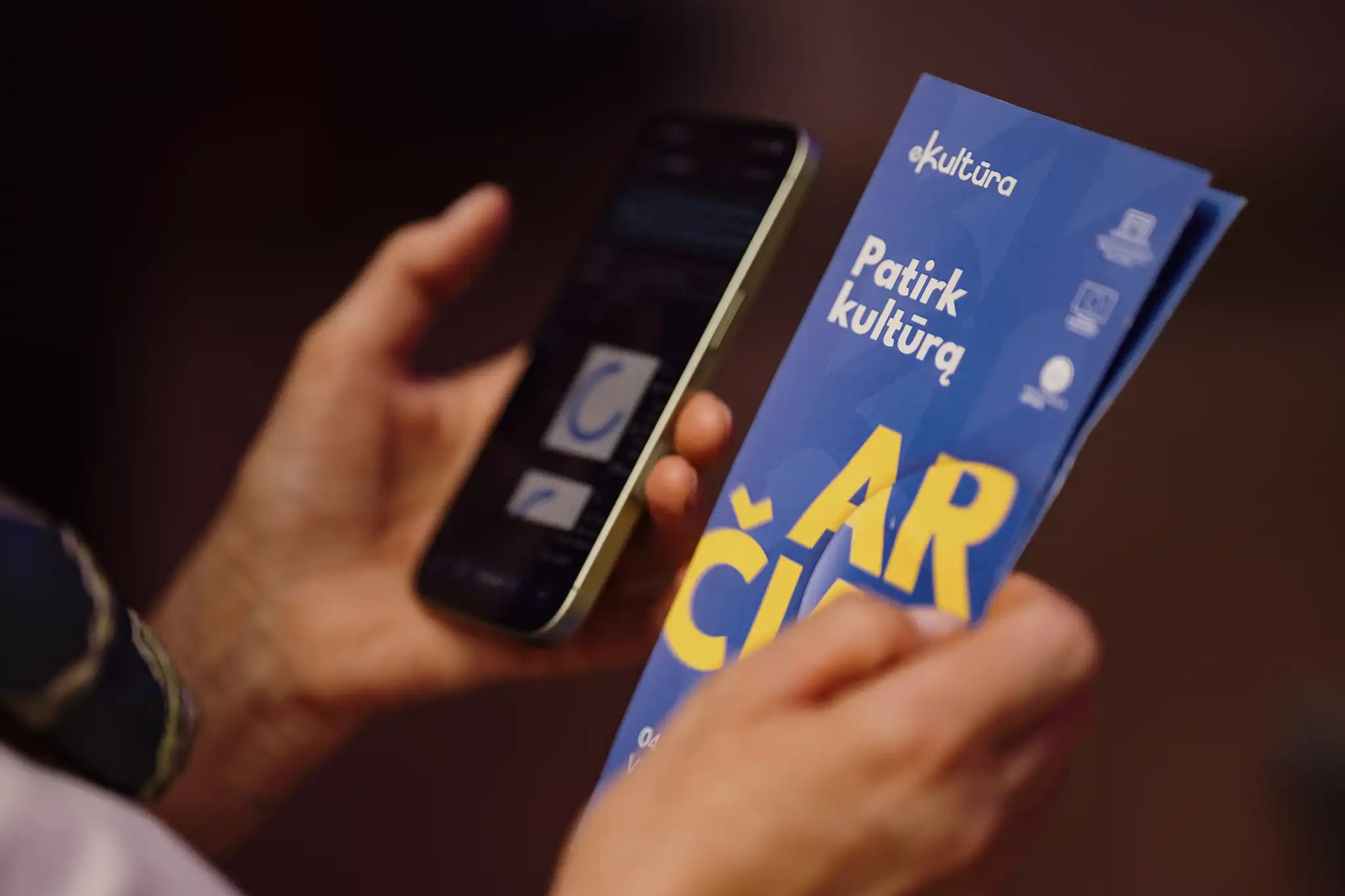

You see an error in the text - select the fragment and press Ctrl + Enter
Lithuania is bringing together digital collections from more than 170 cultural institutions through its national eKultūra platform, in a major effort to preserve and make its cultural heritage accessible. The initiative is driven, not least, by concerns about safeguarding cultural heritage amid the threat posed by Russia’s aggression against Ukraine. Developed by the Martynas Mažvydas National Library of Lithuania and 22 partners, the project recently won the Culture and Heritage category of Lithuania’s 2026 Digital Book Carrier competition.
According to the National Library of Lithuania, the competition, known in Lithuanian as “Skaitmeninis knygnešys,” serves as the national selection stage for the World Summit Awards, an international competition recognizing digital solutions with social and cultural impact.
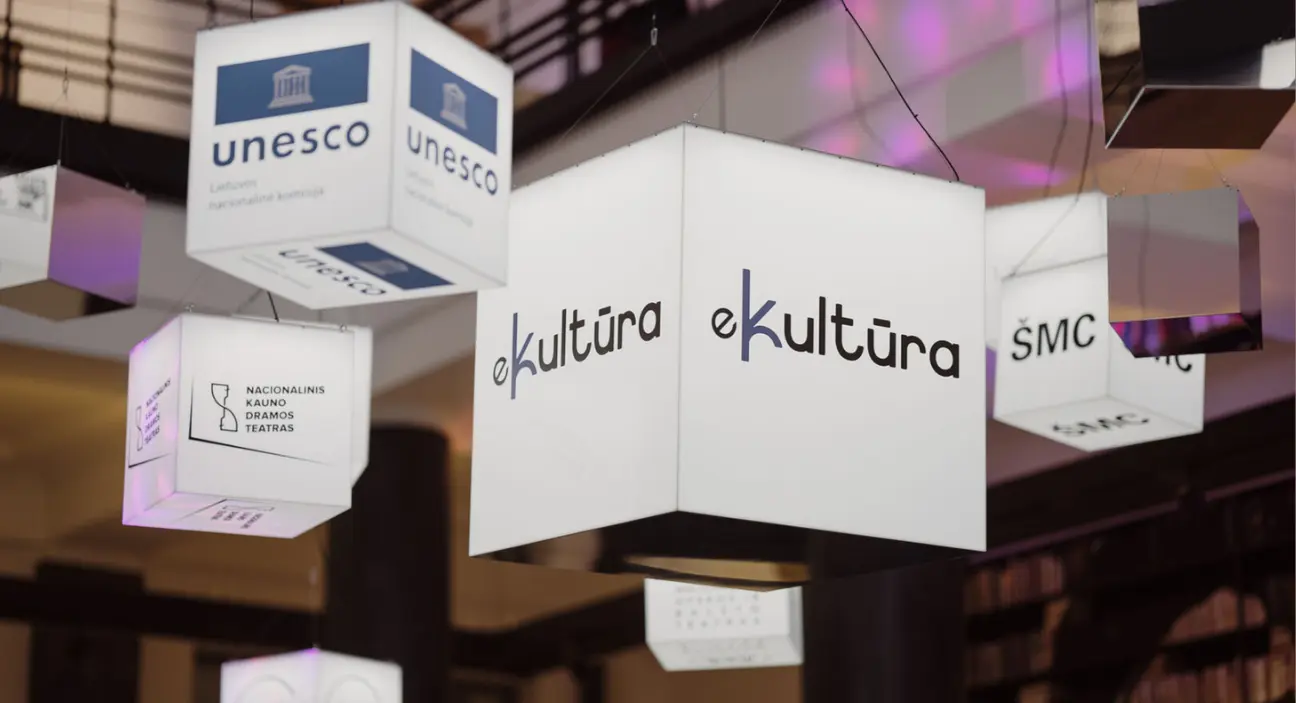
Photo: T. Juknevičius / esinvesticijos.lt
Introduced in May 2026, eKultūra connects the information systems and databases of Lithuanian libraries, museums, archives, and other cultural organizations. It brings together digitized cultural heritage, contemporary cultural works in different formats, and user-generated content, making resources from different institutions accessible through a single platform. eKultūra is more than a digital collection portal. It serves as national cultural infrastructure, connecting institutions and their data to improve public access to Lithuania’s cultural resources. The platform’s first months of operation were devoted to testing and further development.
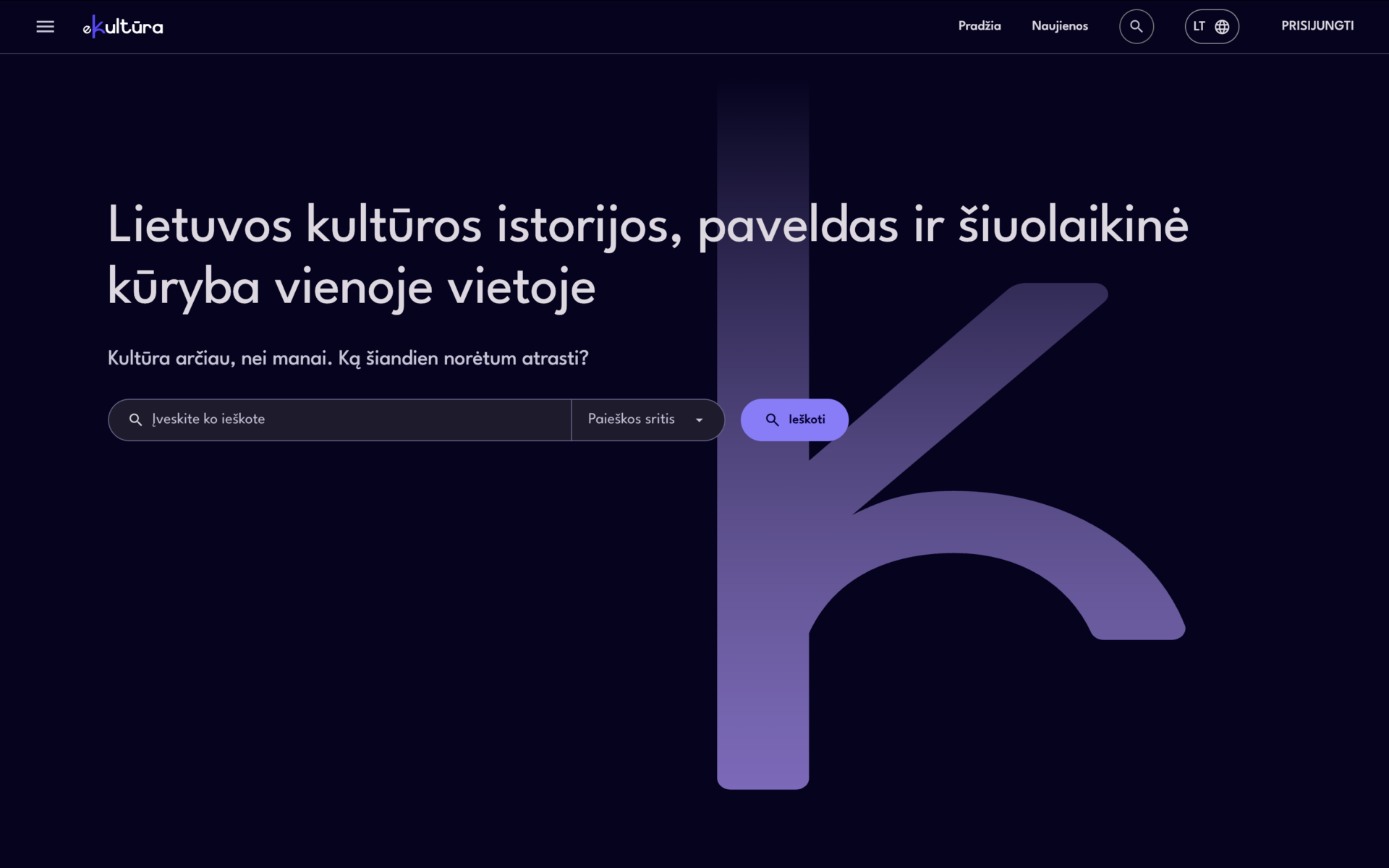
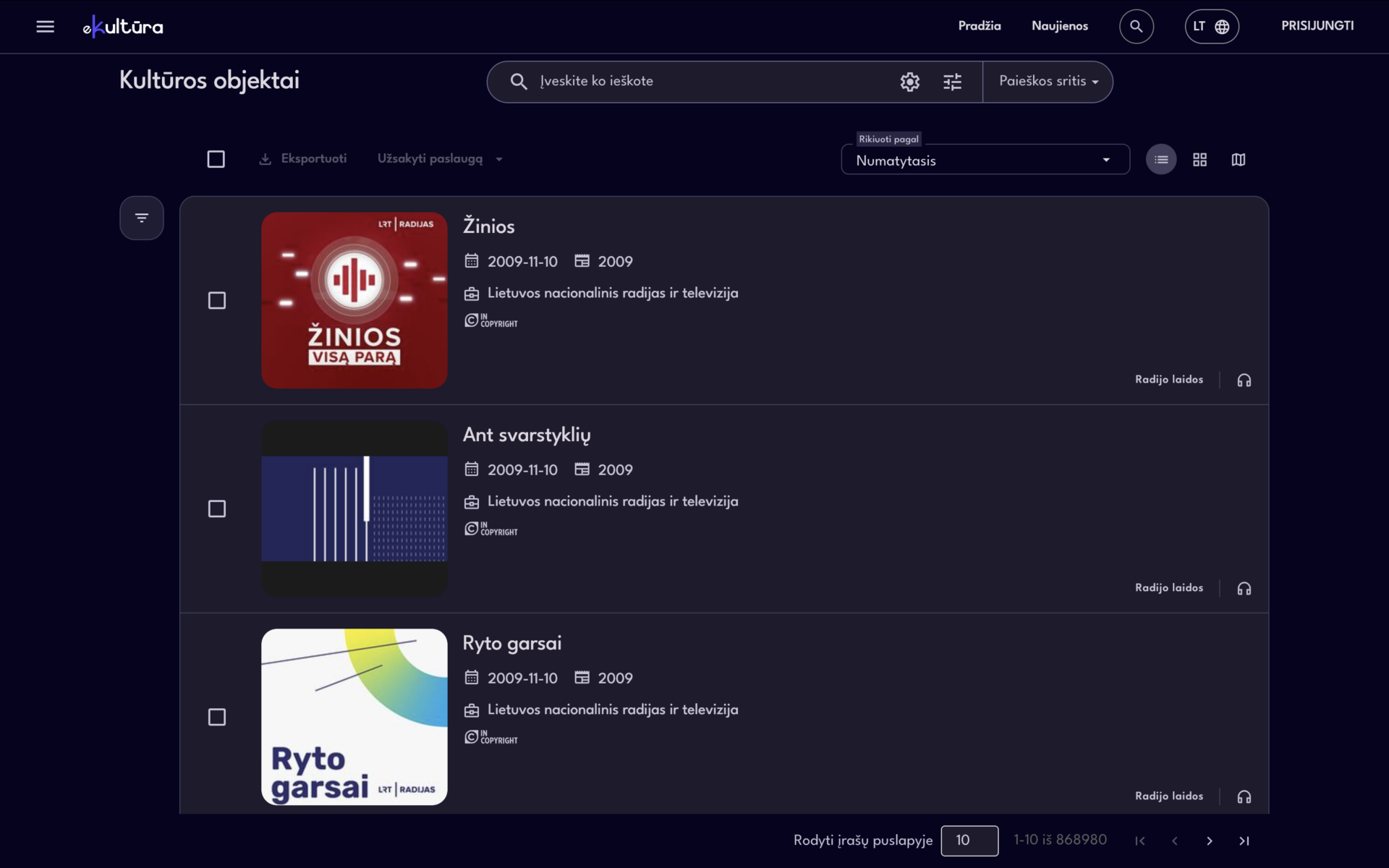
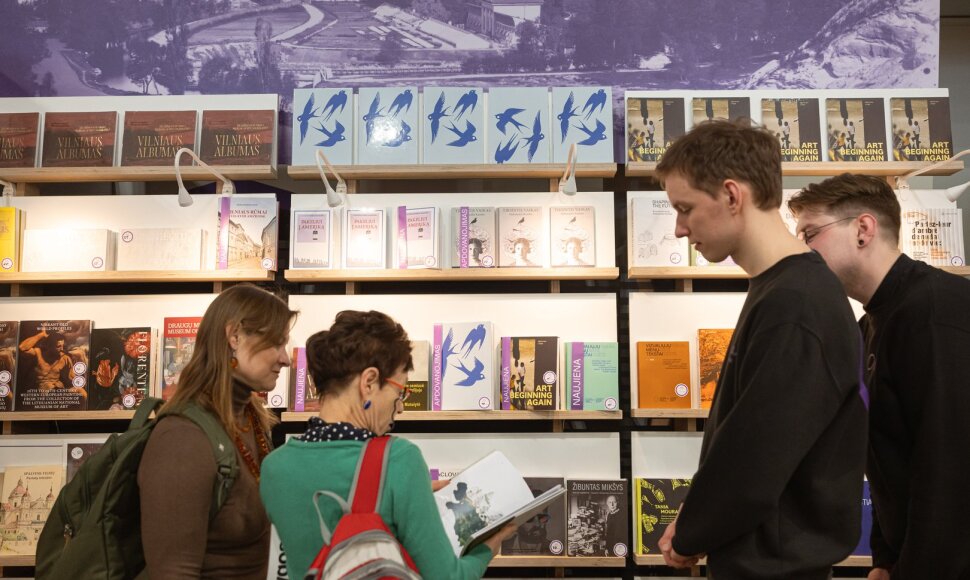
Screenshots: eKultūra website
In comments to Chytomo, Aidas Sinkevičius, deputy director general for infrastructure at the National Library of Lithuania, explained that integrating collections developed using different information systems, cataloguing practices, and metadata standards has been one of the project’s greatest challenges.
“The central challenge of eKultūra has been transforming a fragmented cultural digitisation landscape into a coherent, interoperable and sustainable national digital ecosystem,” Sinkevičius said.
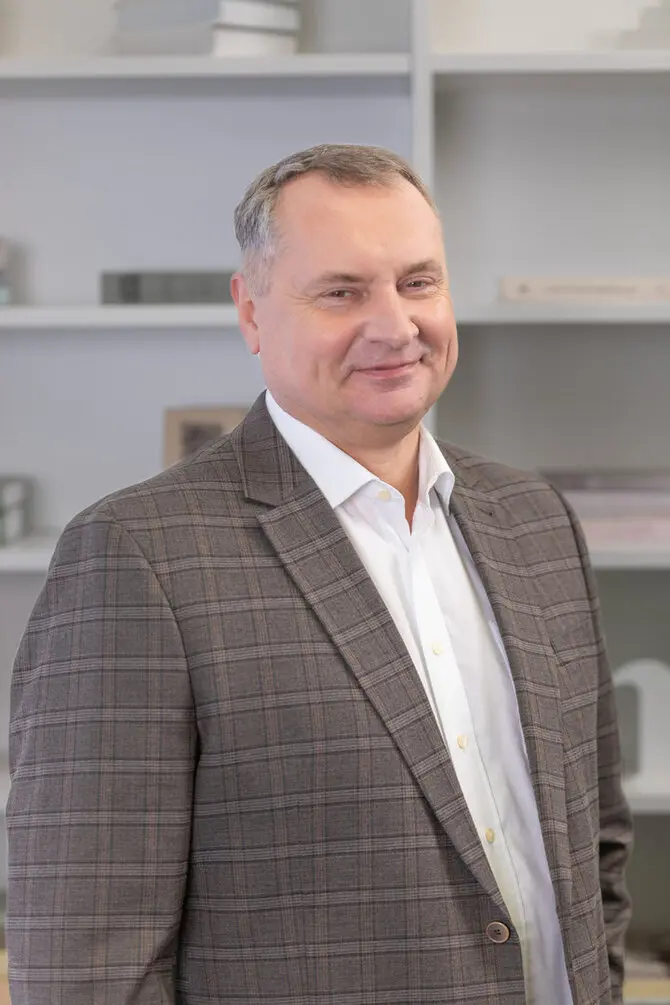
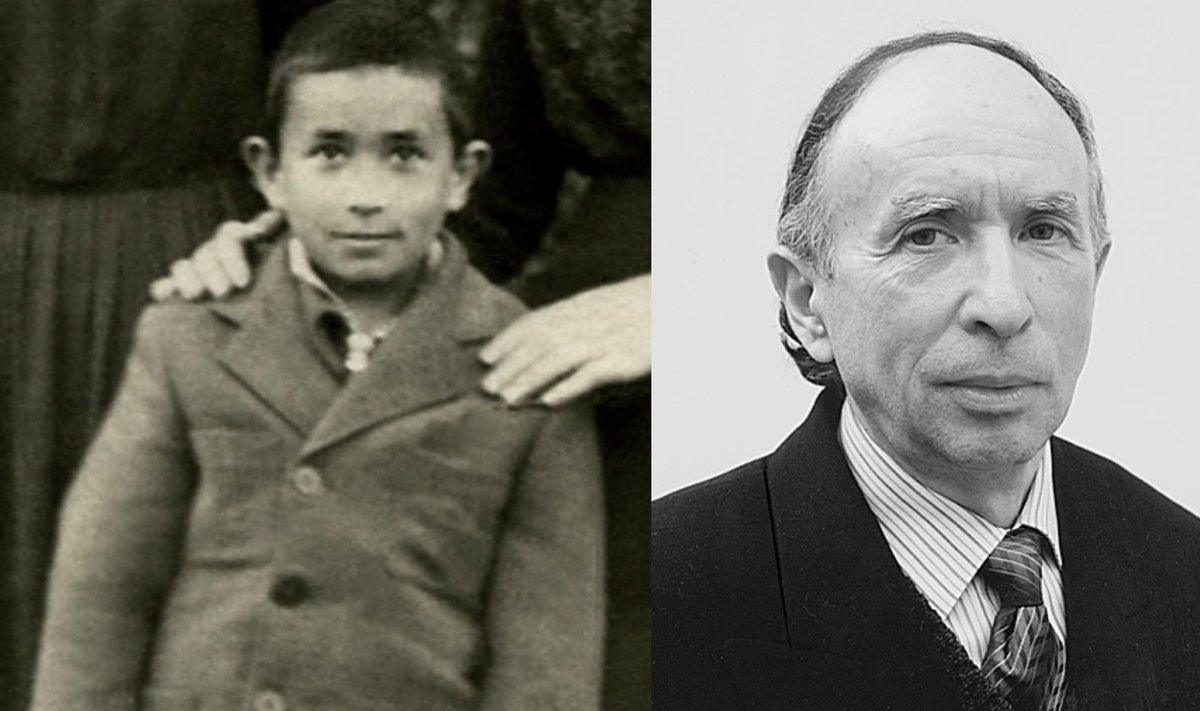
Photo: Aidas Sinkevičius / Martynas Mažvydas National Library of Lithuania
To address these challenges, the project developed an extended metadata model based on the Europeana Data Model, alongside shared vocabularies and persistent identifiers. The framework is designed to describe different types of cultural objects, from historical manuscripts and museum artifacts to films, music recordings and contemporary digital artworks. According to Sinkevičius, these solutions help establish connections between collections, improve search accuracy and reduce duplication. He also highlighted differences in institutions’ technical capabilities, metadata quality and available resources. Sinkevičius also pointed out that ensuring that cultural objects are accurately described, easily discoverable and connected to their historical and cultural contexts requires common classification systems, authority data, automated validation and links to international knowledge resources, including VIAF, Getty AAT and Wikidata.
Sinkevičius described the shift from institution-centered digitization to a collaborative national approach as an important achievement of the project. Making the platform accessible to different audiences has also presented challenges. The project adopted WCAG 2.1 AA accessibility requirements, although Sinkevičius noted limitations in existing international metadata standards for describing accessibility features.
Copyright and related rights present another significant challenge, particularly when integrating contemporary cultural works, audiovisual materials, and performances. Sinkevičius explained that owning a physical cultural object does not necessarily give an institution the right to publish or distribute its digital representation. The project must also navigate questions of licensing, permissions, access restrictions, and reuse rights. Its aim is to make digitized cultural materials available for education, research, creative industries, and other legitimate uses wherever rights permit.
Aušrinė Žilinskienė, director general of the National Library of Lithuania, said the award demonstrated the importance of bringing the country’s cultural content together and making it more accessible. She emphasized that much of Lithuania’s cultural heritage has yet to be digitized and made available to the public.
The platform also connects Lithuania’s cultural resources to the wider European digital heritage network. The National Library coordinates Lithuania’s contributions to Europeana, a European digital cultural heritage platform. According to the library, eKultūra also serves as a gateway connecting Lithuania’s cultural resources with the wider European digital cultural space.
Asked about accessibility for international audiences, including Ukrainian researchers, Sinkevičius explained that the platform offers search and navigation functions in Lithuanian and English.
“The platform’s search and navigation functions are available in Lithuanian and English, making it easier for foreign researchers, students, and cultural heritage professionals to discover relevant materials,” he told Chytomo.
Sinkevičius noted that much of the platform’s content is primarily described in Lithuanian, although users can also find materials in other languages, including documents, publications, photographs and maps from different historical periods and cultural communities.
Sinkevičius also expressed interest in cooperating with Ukrainian cultural institutions, particularly in digitization, digital preservation, and protecting cultural heritage threatened by Russia’s war.
“Russia’s war against Ukraine has also highlighted the importance of digitization not only for providing access to cultural heritage, but also for safeguarding cultural memory when physical heritage is under threat,” he said.
Potential areas of cooperation include exchanging knowledge on digitization methods, metadata standards, long-term digital preservation, and the development of platforms connecting collections from multiple cultural institutions. Sinkevičius noted that Lithuania’s experience with digitizing contemporary cultural content and creating 3D models of historic buildings could be particularly relevant.
Lithuania’s plans for cultural heritage digitization: what comes next?
According to Sinkevičius, the eKultūra project aims to expand its network of participating institutions and increase the volume and diversity of digital cultural heritage available through the platform. Digitization priorities are determined both nationally and by individual institutions, taking into account the significance, preservation needs, and public value of their collections.
Among the National Library’s ongoing initiatives is a long-term project launched with researchers from Vilnius University to digitise the archival heritage of Mstislavas Dobužinskis, an artist and stage designer who created one of Lithuania’s heraldic symbols. Running until 2030, the project will also produce new research and curated digital content.
The National Library also plans to digitise documentary heritage related to Lithuanian Jewish history and culture, alongside developing digital storytelling initiatives to make these collections more accessible to researchers and the wider public. Work is continuing on the archive of Jonas Šliūpas, an influential figure in Lithuania’s cultural and political life around the turn of the 20th century. Sinkevičius added that future development of eKultūra would also focus on improving the discoverability and interoperability of its collections, as well as the overall user experience.
The Digital Book Carrier competition received 49 applications in 2026. Winners in eight categories earned the right to represent Lithuania at the international World Summit Awards.
Ieva Žilionienė, chair of the competition jury and Lithuania’s national expert for the World Summit Awards, said the evaluation considered not only technological innovation but also the problems digital projects address and the benefits they provide to users. She highlighted the importance of preserving cultural and linguistic diversity online, particularly for smaller countries seeking to make their heritage more accessible internationally.
The award is not the National Library’s first recognition in the competition. Three years earlier, its Cultural Education System received two awards, including Best Solution for Lithuania and the audience choice award.
As reported earlier, Ukraine’s Museum of Book and Printing has also developed digital tools to make cultural heritage more accessible. Its project includes an online collection of rare Ukrainian and European printed books, manuscripts, and graphic works, alongside a 3D virtual tour of the museum housed in the historic Kyiv-Pechersk Lavra printing house. The initiative aims to expand public access to the museum’s collections and support research into Ukraine’s bookmaking heritage.
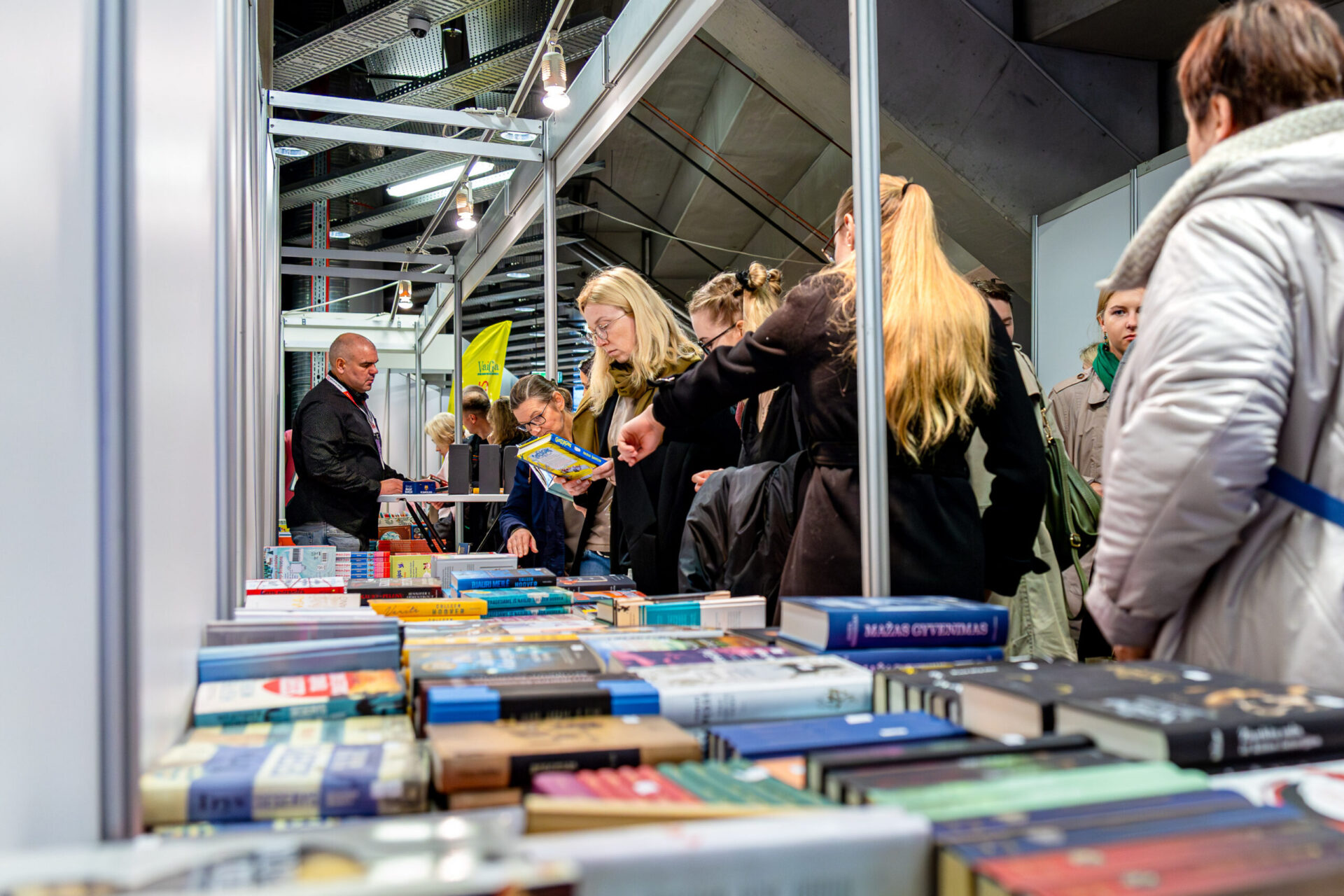
Main photo: via eKultūra
Читомо» — це медіа про книжки й літературу, що підтримувало українське книговидання задовго до того, як це стало трендом. Ставайте частиною історії — доєднуйтеся до Клубу Читомо!
the more you read, the greater the possibilities