* ESC - close the search window
historical books
Historical books see rising interest among Lithuanian readers, publishers say
24.09.2026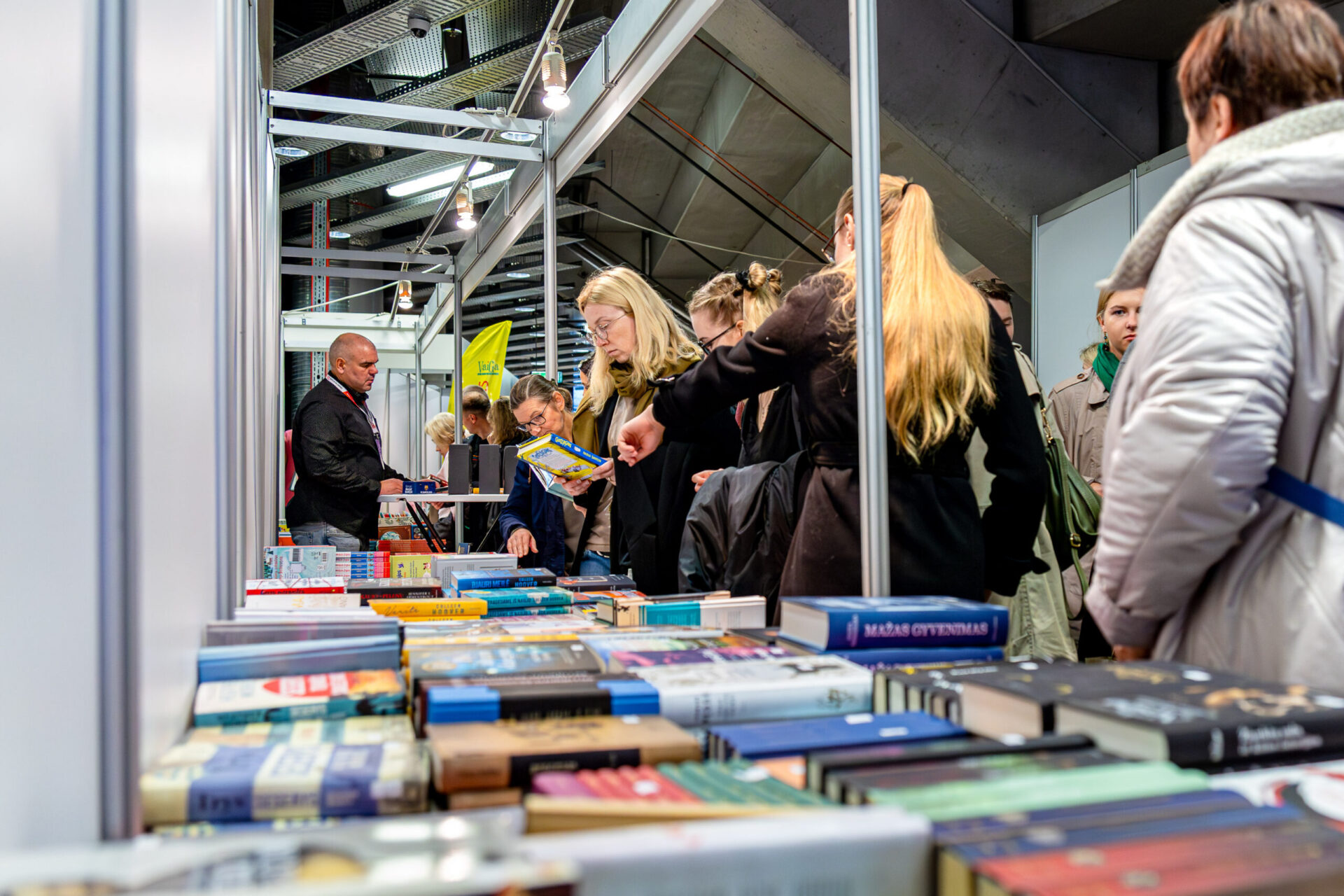
Historical books become more popular among Lithuanian readers, with publishers reporting demand for works about major turning points in the country’s history, personal testimonies, family histories, and urban memory. The Lithuanian Publishers Association (LLA) said that historical books were experiencing a surge, with diaries, memoirs, documentary narratives, histories of cities and everyday life, and historical novels increasingly appearing alongside academic studies.
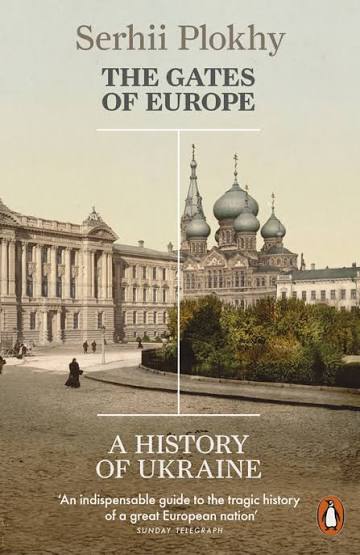
A similar trend has been observed in Ukraine since Russia’s full-scale invasion. As reported earlier, Yakaboo recorded a 24% increase in sales of history publications compared with 2020–2021, while Bookstore Ye said sales of historical literature had increased tenfold over two years. Family Leisure Club also reported that sales of Serhii Plokhy’s “The Gates of Europe”, a broad history of Ukraine from antiquity to the modern era, doubled in 2023 compared with 2022.
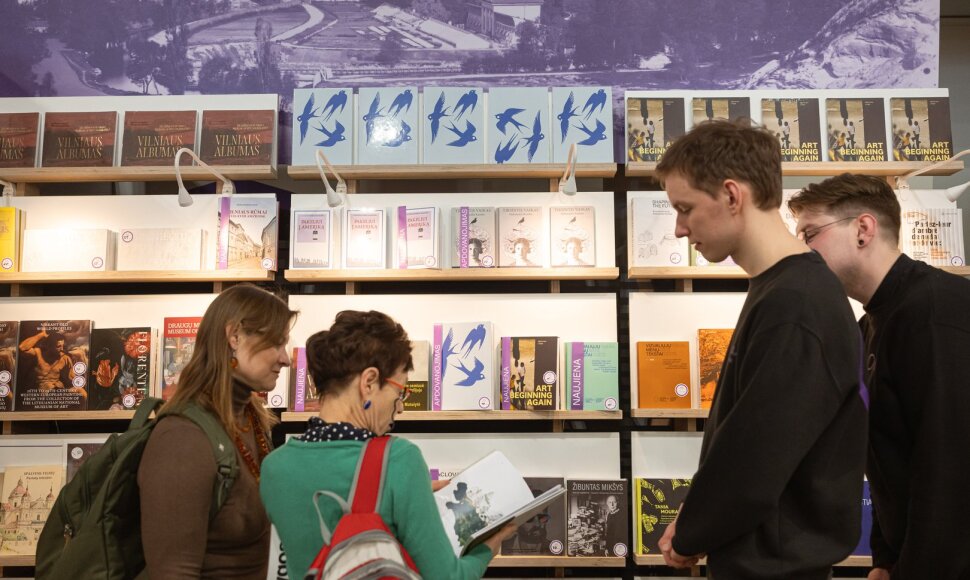
The trend was also visible at the second Kaunas Book Fair, held Sept. 18–20. Visitors of different ages sought historical publications, while books about deportations, the Holocaust, and partisan resistance attracted particular interest at the stand of the Genocide and Resistance Research Centre of Lithuania.
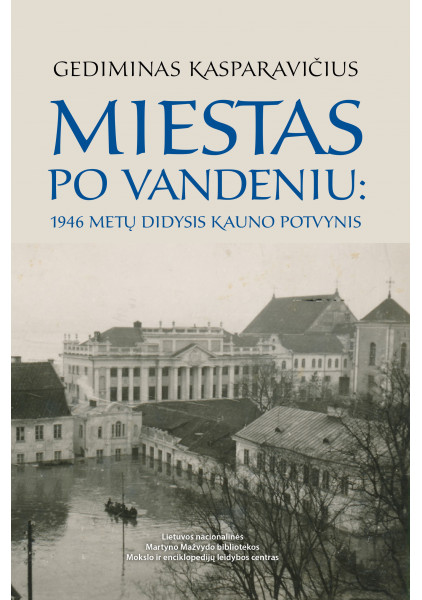
Historian Gediminas Kasparavičius’ “Miestas po vandeniu: 1946 metų didysis Kauno potvynis,” about the 1946 Kaunas flood, sold out during the fair. Arturas Mickevičius, head of the Science and Encyclopaedia Publishing Centre, said the results demonstrated demand for substantial historical and philosophical books and announced another print run.
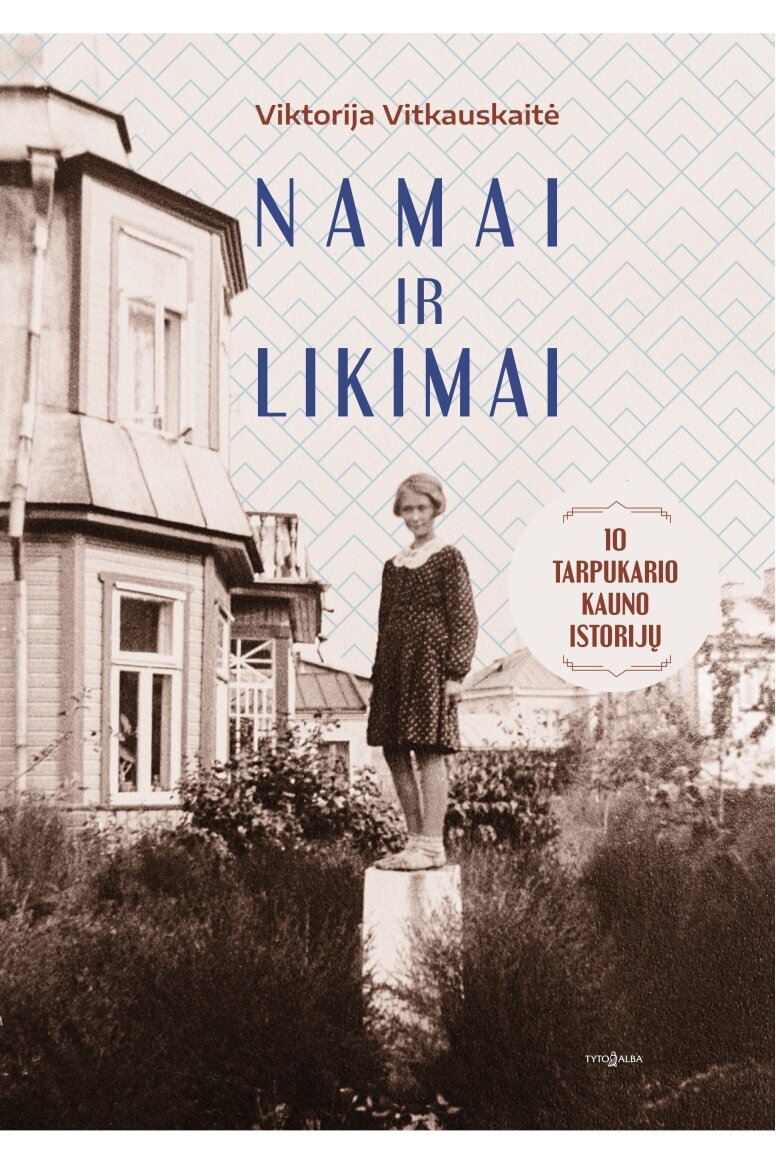
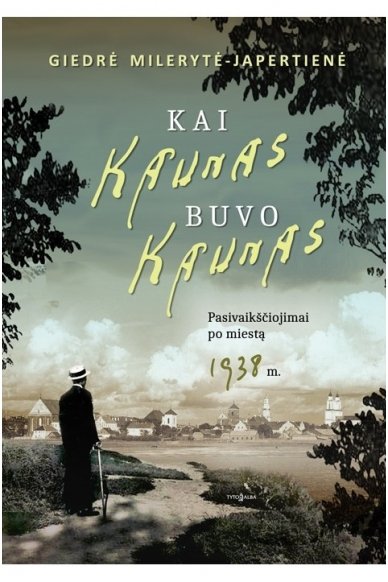
Books connected with Kaunas (Lithuania’s second-largest city and a major centre of the country’s interwar cultural and political life) and its history also performed strongly. Viktorija Vitkauskaitė’s “Namai ir likimai” (“Homes and Destinies”), which explores houses in interwar Kaunas and the people connected with them, was among the most purchased titles at the Tyto alba stand. Readers also bought Giedrė Milerytė-Japertienė’s “Kai Kaunas buvo Kaunas” and two books devoted to former Lithuanian President Valdas Adamkus.
National library lending data provides further evidence of demand for historical nonfiction. In 2025, the two most-borrowed books in Lithuania’s academic and popular nonfiction category were historical titles by historian Eimantas Gudas and journalist Žilvinė Petrauskaitė. “Ambicingos ir įtakingos: ryškiausių istorinės Lietuvos didikių likimai” (“Ambitious and Influential: The Lives of the Most Prominent Noblewomen of Historical Lithuania”) ranked first, while “Gedimino kraujas” (“The Blood of Gediminas”) ranked second.
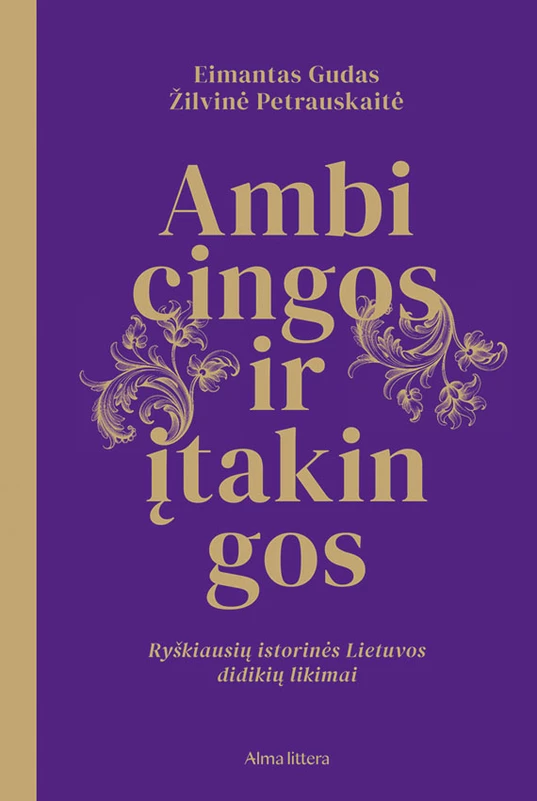
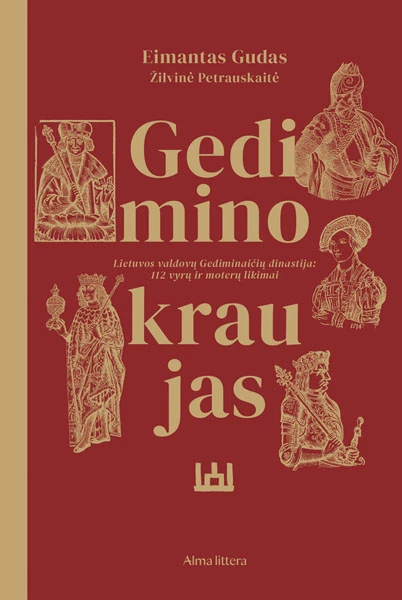
Overall, books registered with LATGA (Lithuania’s non-profit collective management organisation for copyright and related rights) were borrowed 4,334,272 times from Lithuanian libraries in 2025 — 115,734 more loans than in 2024, when the total stood at 4,218,538. As reported earlier, historical nonfiction performed strongly in the rankings, with Petrauskaitė also becoming the most-borrowed author in the nonfiction category.
History was consequently one of the main themes of this year’s Kaunas Book Fair program, covering periods and subjects ranging from the heritage of the Grand Duchy of Lithuania and 19th-century serfdom to postwar deportations, the Soviet period, and the restoration of Lithuanian independence. The fair brought together more than 90 participants, hosted over 100 literary and cultural events, and attracted 15,000 visitors over three days.
As reported earlier, historical nonfiction has long held an important position in Lithuania’s book culture. “Lithuanian Accent” project described historical nonfiction as a core part of Lithuanian nonfiction, highlighting works dealing with postwar resistance, the Holocaust, deportations, Soviet occupation, and historical memory.
Main image: Martynas Kievišas / Lithuanian Publishers Association
Читомо» — це медіа про книжки й літературу, що підтримувало українське книговидання задовго до того, як це стало трендом. Ставайте частиною історії — доєднуйтеся до Клубу Читомо!
the more you read, the greater the possibilities