* ESC - close the search window
Lithuania
Lithuanians’ weekly reading habits revealed in new study
21.09.2026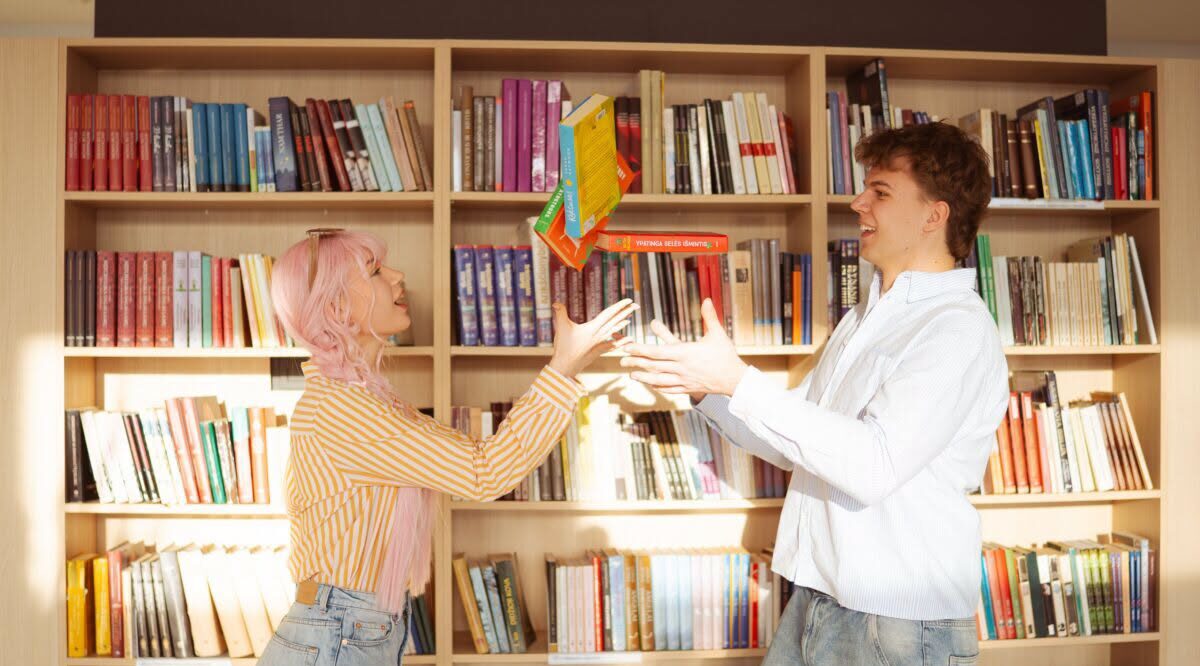
Lithuanians aged 30–49 spend more than 15 hours a week reading in Lithuanian across different types of content, according to a 2026 study by researchers at Kaunas University of Technology (KTU).
Ramunė Kasperė, a professor at KTU’s Faculty of Social Sciences, Arts and Humanities, and her colleagues surveyed 200 respondents of different ages about what they read, how much time they spend reading, and which languages they read in. The study covered different forms of reading — not only books, but also online content, academic texts, emails, and other materials.
Respondents aged 30–49 recorded the highest amount of reading in Lithuanian, averaging more than 15 hours per week across all types of reading included in the study. Those under 29 spent around nine hours a week reading in Lithuanian, while respondents aged 50–59 spent nearly 10 hours.
The differences between age groups became more apparent when researchers examined what people were reading. Respondents under 29 spent the most time reading Lithuanian-language online content — around three hours per week. Among those aged 30–49, email accounted for a significant share of reading, at approximately 3.5–4 hours per week in Lithuanian.
Reading in English was also widespread across several age groups. Respondents under 29 spent around 7.5 hours per week reading different types of English-language content. The figure reached approximately 8.5 hours among those aged 30–39 and nearly eight hours among respondents aged 40–49.
According to Kasperė, books remain part of people’s everyday reading but now compete for attention with numerous other types of text. Online content and email were among the largest reading categories across most age groups.
Kasperė also drew attention to what she described as an “illusion of reading.” People may consume numerous emails, headlines, social media posts, messages, and online texts throughout the day and feel that they have processed a substantial amount of information. However, the volume of material read does not necessarily indicate how much a person has understood, retained, or critically assessed.
At the same time, Kasperė cautioned against assuming that reading on a screen is inherently superficial. Digital texts can range from brief social media posts to academic papers and long-form analysis, meaning that the type of content and the way it is read matter more than the medium itself.
The researcher compared short-form social media content to a sprint and reading a book or lengthy analytical text to an endurance race. Both constitute reading but train different modes of attention. Problems can arise when the rapid reading habits associated with short-form content are applied to complex texts that require sustained concentration and patience.
Algorithms have also changed how readers encounter texts. While readers previously selected a newspaper, magazine, book, or website before choosing a particular text, social media algorithms increasingly determine the pool of content from which users make their choices. Kasperė argued that contemporary reading literacy should include not only the ability to assess whether information is reliable, but also an understanding of why particular content has been presented to a user.
As reported earlier, Lithuanian libraries recorded millions of book loans in 2025. In 2025, readers borrowed books registered with the country’s copyright association LATGA 4,334,272 times through Lithuania’s integrated library system — 115,734 more loans than in 2024. Lithuania allocated 600,000 euros in public lending remuneration to 2,426 authors, translators, illustrators, and book designers.
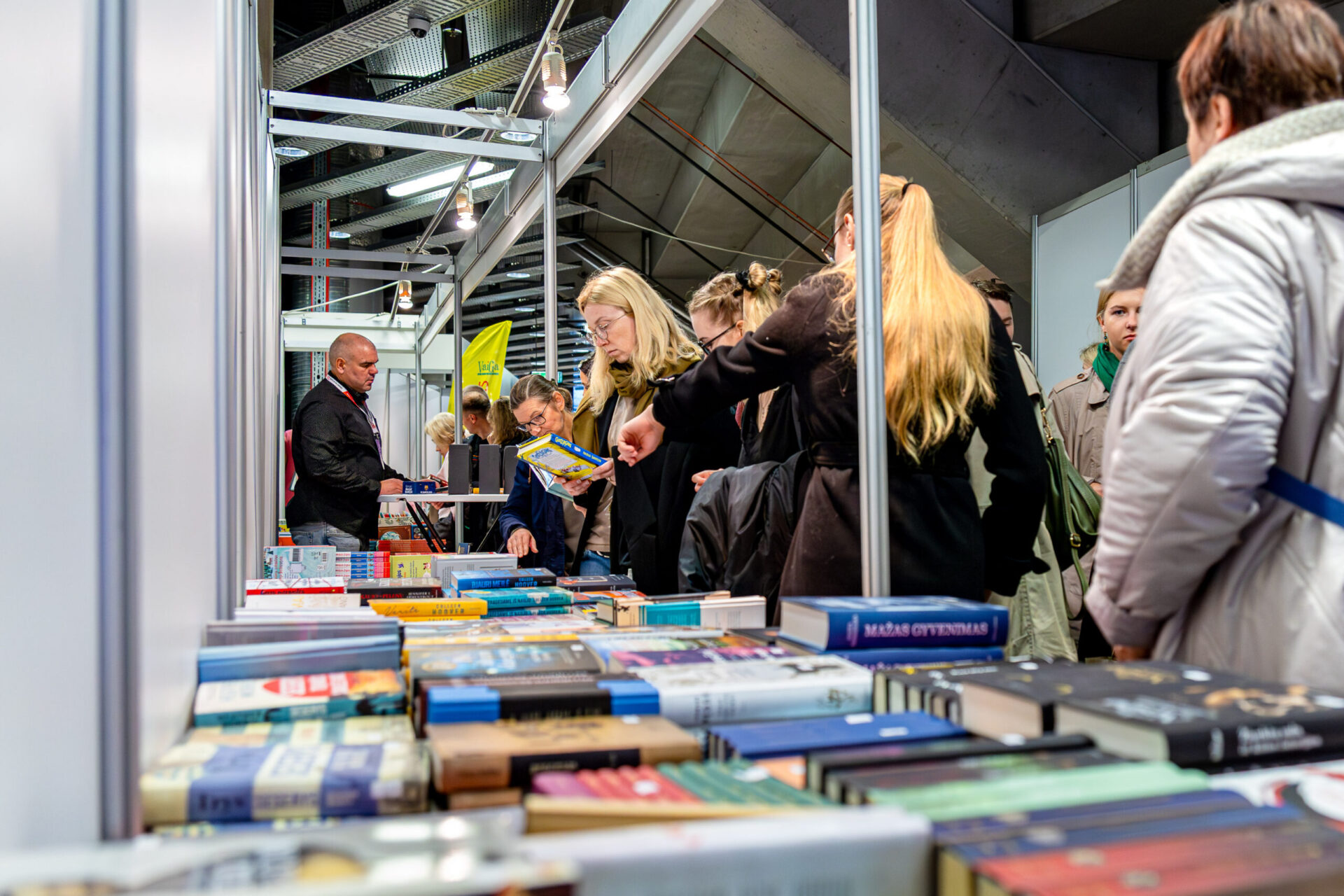
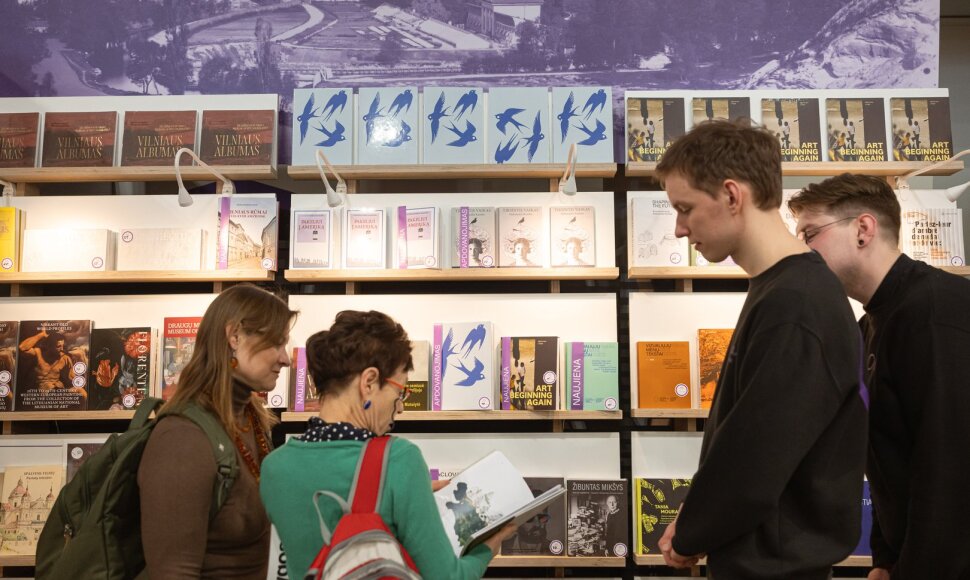
Lithuanian literature, publishing, and reading culture were explored in Chytomo’s “Lithuanian Accent” special project, created with the support of the Lithuanian Culture Institute. As part of the project, reporting from the Vilnius Book Fair highlighted the strong position of the Lithuanian language in the country’s book culture: the vast majority of books presented at the fair were in Lithuanian, while English-language books were relatively limited.
Main image: Rokiškio rajono savivaldybės Juozo Keliuočio viešoji biblioteka
Читомо» — це медіа про книжки й літературу, що підтримувало українське книговидання задовго до того, як це стало трендом. Ставайте частиною історії — доєднуйтеся до Клубу Читомо!
the more you read, the greater the possibilities