* ESC - close the search window
war losses
Oleh Pavlenko, soldier and volunteer featured in Yevhen Lir’s “The Flood” killed in Kherson
28.09.2026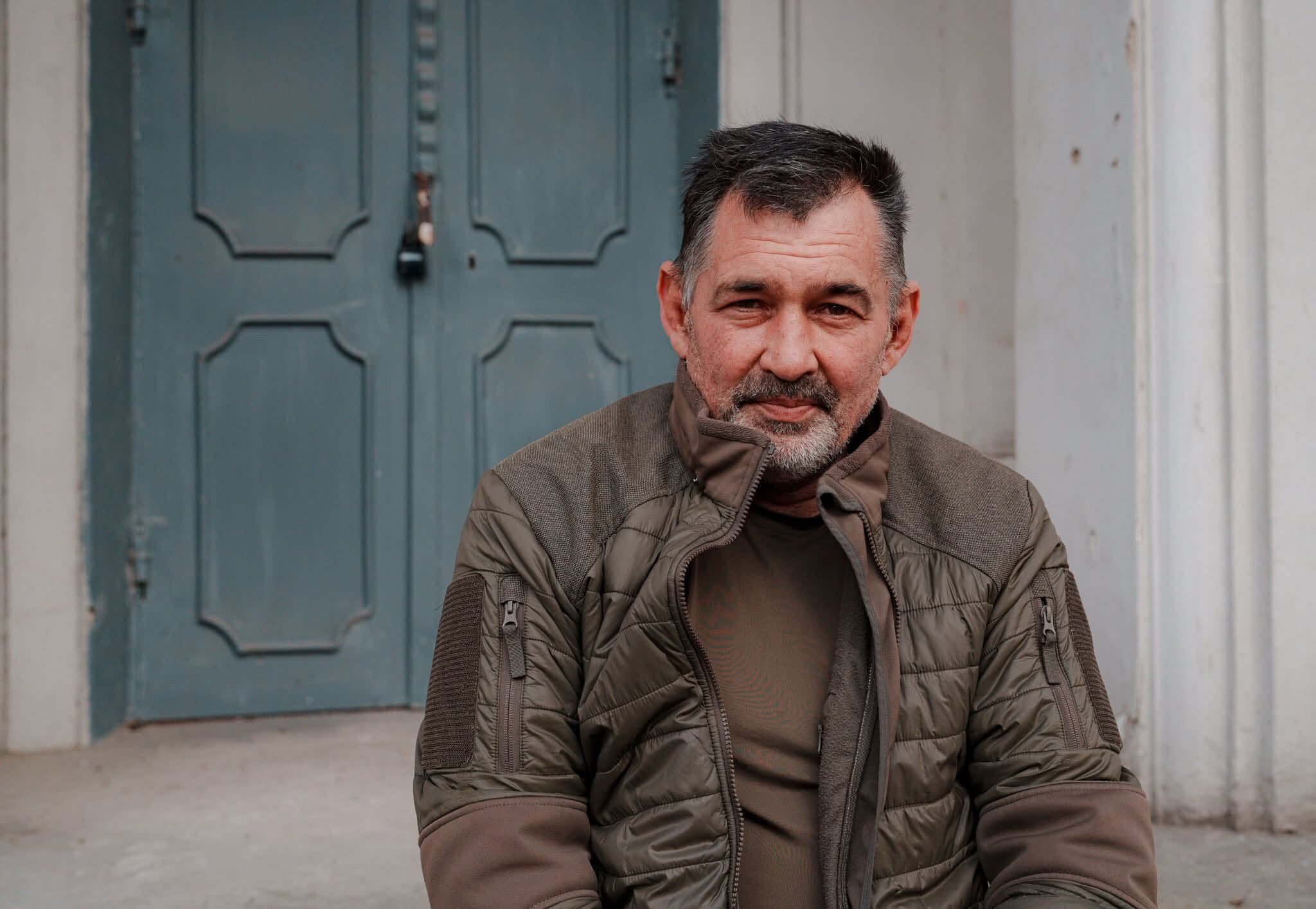
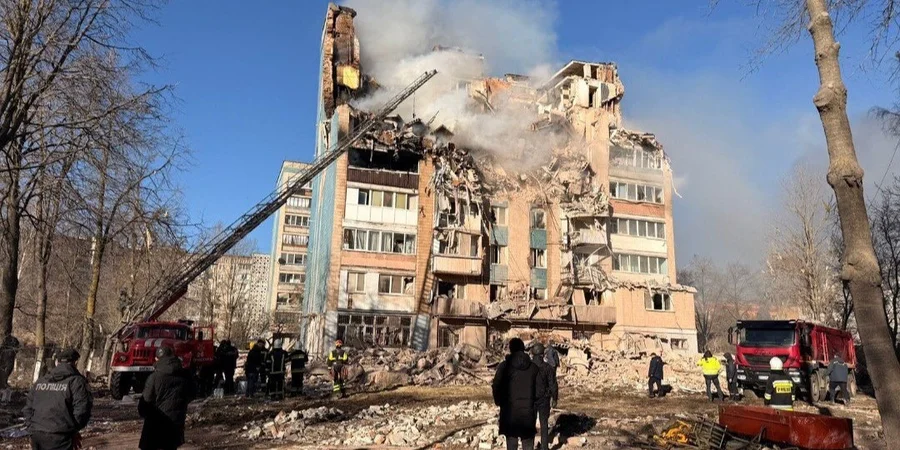
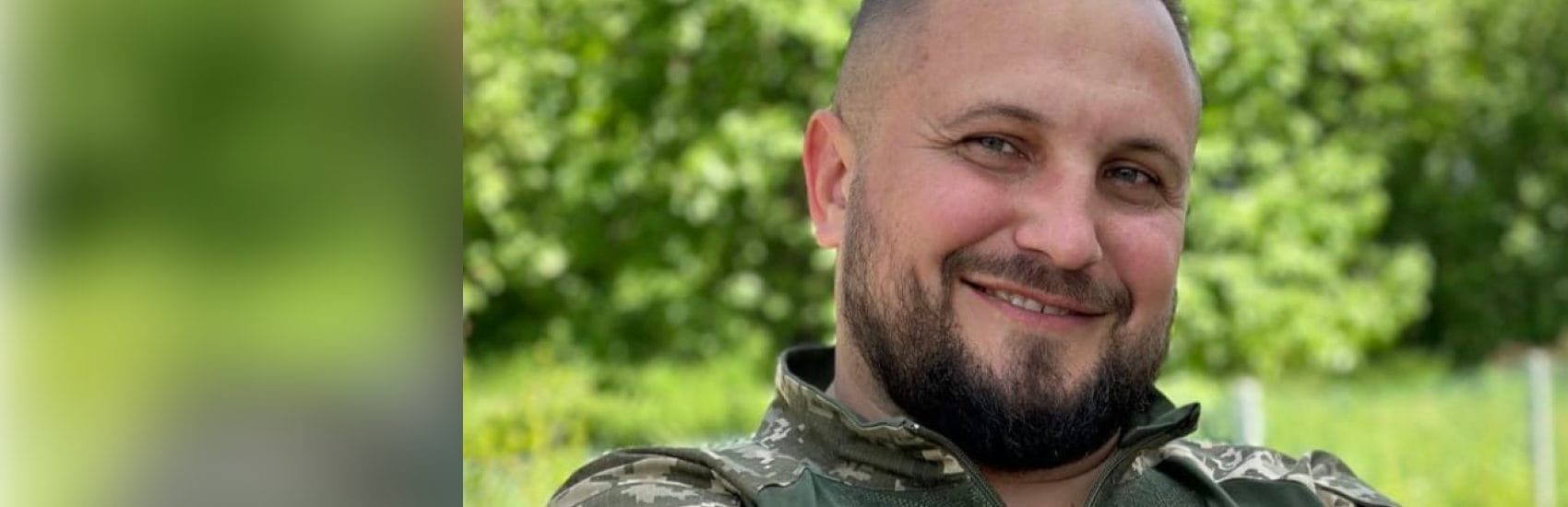
Ukrainian servicemember and volunteer Oleh Pavlenko, whose story was featured in Yevhen Lir’s narrative nonfiction book “The Flood,” was killed in Kherson on Sept. 23, 2026.
News of Pavlenko’s death initially circulated on social media and was confirmed on Sept. 24. The circumstances of his death have not been disclosed.
“Oleh was killed. The same Oleh, the soldier from ‘The Flood.’ The one who evacuated civilians from the left bank of the Kherson region during the Great Flood. The one who, despite having four children, continued to serve in a combat position. With Oleh watching over us, it felt like Kherson would definitely be all right,” Lir wrote.
Following the destruction of the Kakhovka Dam, Pavlenko helped evacuate people from flooded areas of the Kherson region.
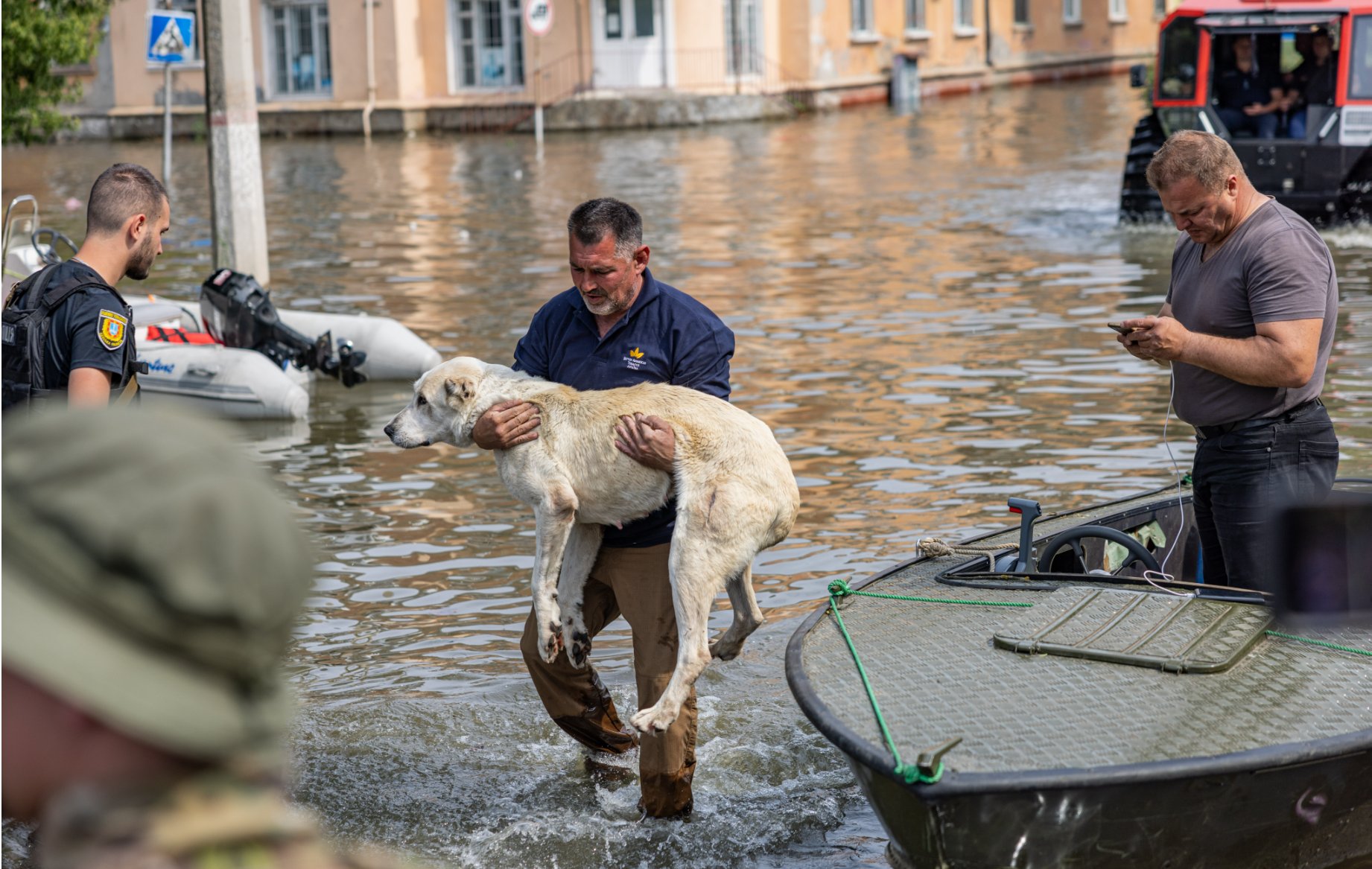
Photo by Stas Kozliuk.
“One journalist asked me, ‘What do you feel when you rescue people?’ I didn’t have an answer. Instead, I asked, ‘What do you feel when you don’t? When you know you could’ve saved someone and didn’t?’ We rescued both humans and animals. One day, I found an Alabai dog stranded on the roof. He looked so lonely. I couldn’t have left him there. One journalist made a photo of us, and it went viral,” Pavlenko recalled.
Before Russia’s full-scale invasion, Pavlenko worked in water passenger transportation and owned five boats. He is survived by his wife and four children.
Pavlenko’s story became one of those on which Lir based “The Flood,” a narrative nonfiction book about the Kherson region told through the accounts of people who experienced Russian occupation and the aftermath of the destruction of the Kakhovka Dam. The English-language edition was published by Ukraїner in 2025.
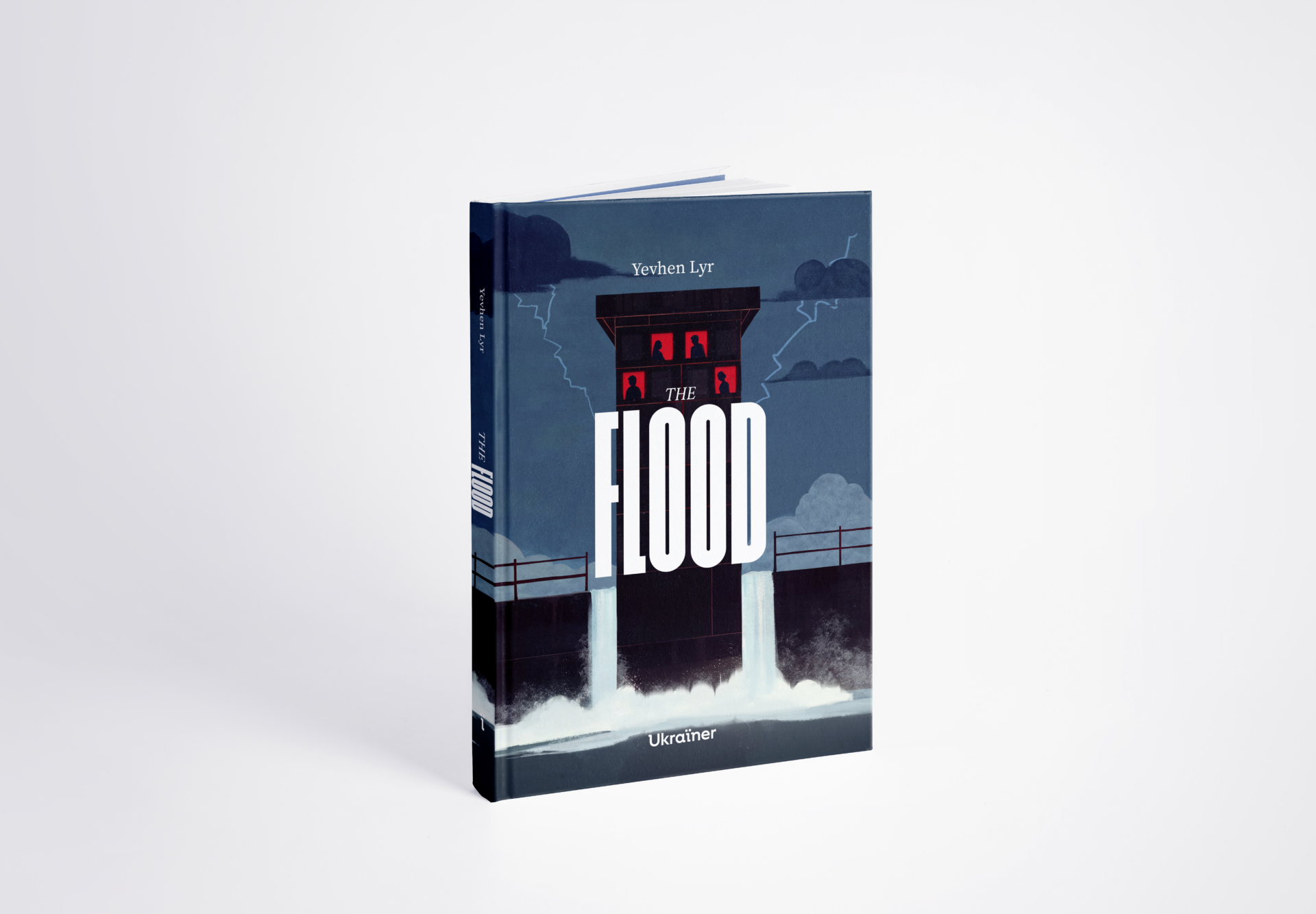
Below is “Oleh the Boatman’s Story,” an excerpt from “The Flood.”
Oleh the Boatman’s Story
I knew something was off. We all did. Those bastards had threatened to blow up the Kakhovka Hydroelectric Power Plant too many times before. Not openly, of course — not their style. They’re cowards. They’ve never owned up to any of their terror. Instead, they used their propaganda machines, anonymous Telegram chats, and veiled warnings. They didn’t just threaten Kakhovka; they’d hinted at targeting the Enerhodar Nuclear Power Plant too. With them, you neverknow — are they bluffing, are they serious? Sometimes, I think even they don’t know it themselves.
On Monday, June 5th, 2023, my squad and I were on a logistics mission. Our task was to help relocate soldiers from the small isles near Kherson, where our Armed Forces had a vanguard. But we got pinned down under the heavy enemy fire. Things got so bad we had to abandon the mission and head back to Kherson. I’m no general, but it seemed like our high command suspected the Russians might blow the dam. Relocation felt like a precaution.
That night, I barely slept. By 6 a.m. on June 6th, my squad and I were back at it, trying to finish what we couldn’t the day before: evacuating our soldiers from the isles. The shelling was relentless. It felt like the enemy deployed everything they had. The water was boiling with gunfire. Our boys were stuck, hiding in the remains of shattered houses. Reaching them was nearly impossible. And even in the early morning, the dam breach was evident: roofs, trees, broken bridges, and debris were rushing downriver.
Our soldiers had no choice but to jump into the water and swim toward us — there was no other way to get them out. The enemy knew exactly what we were doing. Their drones and bombs were everywhere, as if it were all part of some twisted plan. Two soldiers died right in front of me. At one point, my boat neared a building where six soldiers were waiting. I managed to evacuate four of them, but when I went back for the last two, a massive explosion hit their building. It was only a thousand feet away from me. The ruins were so dense, I couldn’t even find their bodies. The day was filled with chaos, and it was just the beginning.
As the water levels kept rising, the calls for help started flooding in. The civilians trapped in their homes, clinging to the rooftops, begged for rescue. Most were on the Left Bank, still under the Russian occupation. On June 6th, I couldn’t help them. We were focused on military evacuations and bracing for possible enemy landing on the Right Bank. I reported the civilian pleas to my commanders, but no one wanted to take the risk.
By the second day, June 7th, everything got worse. Two-story homes were submerged up to their rooftops. I couldn’t ignore desperate messages any longer. When I pushed my commanders again, one of them finally gave me the green light: “Under your own responsibility. At your own risk.”
The first civilian I rescued was a woman who had spent the night in a boat tied to a tree with a metal chain. The chain had snagged on something, and her boat was tilting dangerously. She had her pets with her — she couldn’t abandon them. I picked her up, and before I knew it, my boat was crammed with thirteen people, not the planned three. It was so heavy I had to use another boat as a tug. What used to be a 15‐minute trip took nearly three hours against the current.
Some journalists even asked to come along on my routes. I refused. It wasn’t safe. But they didn’t understand — some offered me money, as if I were doing this for profit. I had to set them straight: “This isn’t a circus. People’s lives are on the line.”
One of the most harrowing missions was to Kardashynka, a village on the Left Bank teeming with Russian soldiers. We had to strip ourselves of military gear and pretend to be civilians. Navigating there was a nightmare. Dead animals floating everywhere — cows, goats, hens. Drip irrigation systems tangled in the water, jamming our boat’s screws. The narrow paths were like a maze, and every corner felt like a trap.
The most heart-wrenching rescue was an elderly couple. The husband was paralyzed from a stroke and couldn’t walk. Their house was surrounded by obstacles that made it impossible to reach by boat. My teammate had to wade through the water to carry the man out while I held the boat steady. We got them out just in time. We kept going until the nightfall, completing six evacuation runs that day. But even after all that, it felt like we’d barely scratched the surface.
The Big Water changed everything. All familiar landmarks were gone, swept away by the flood. The roads disappeared under water. Sometimes, I tried navigating by memory alone, only to find the landscape unrecognizable.
By June 10th, we had evacuated over 100 people. But the Russians were catching on. They saw the disaster as a military opportunity, not a humanitarian crisis.
The evacuation points became their targets. They didn’t care that civilians were onboard.
One journalist asked me, “What do you feel when you rescue people?” I didn’t have an answer. Instead, I asked, “What do you feel when you don’t? When you know you could’ve saved someone and didn’t?”
We rescued both humans and animals. One day, I found an Alabai dog stranded on the roof. He looked so lonely. I couldn’t have left him there. One journalist made a photo of us, and it went viral.
Lir and Ukraїner announced work on “The Flood” in 2024. The project was conceived as a way to tell international readers about the consequences of the destruction of the Kakhovka Dam, the response to the disaster, and the experiences of volunteers, servicemembers, and local residents.
As reported earlier, Ukrainian poet and soldier Maksym Kryvtsov was killed on the front line in January 2024. Writer, lawyer, and servicemember Vasyl Palamarchuk was killed in action in July 2024.
Main image: Yevhen Lir’s Facebook page
Читомо» — це медіа про книжки й літературу, що підтримувало українське книговидання задовго до того, як це стало трендом. Ставайте частиною історії — доєднуйтеся до Клубу Читомо!
the more you read, the greater the possibilities