* ESC - close the search window
freedom of speech
Georgian prison blocks political novel from reaching prisoner, PEN Georgia calls it censorship
10.09.2026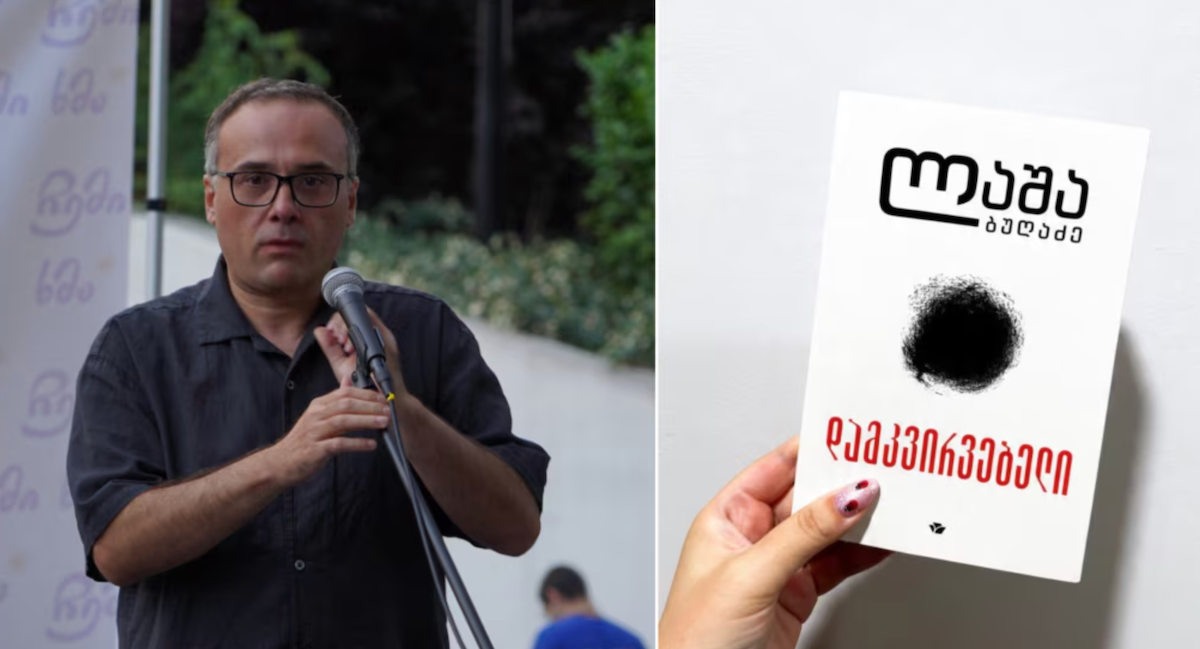
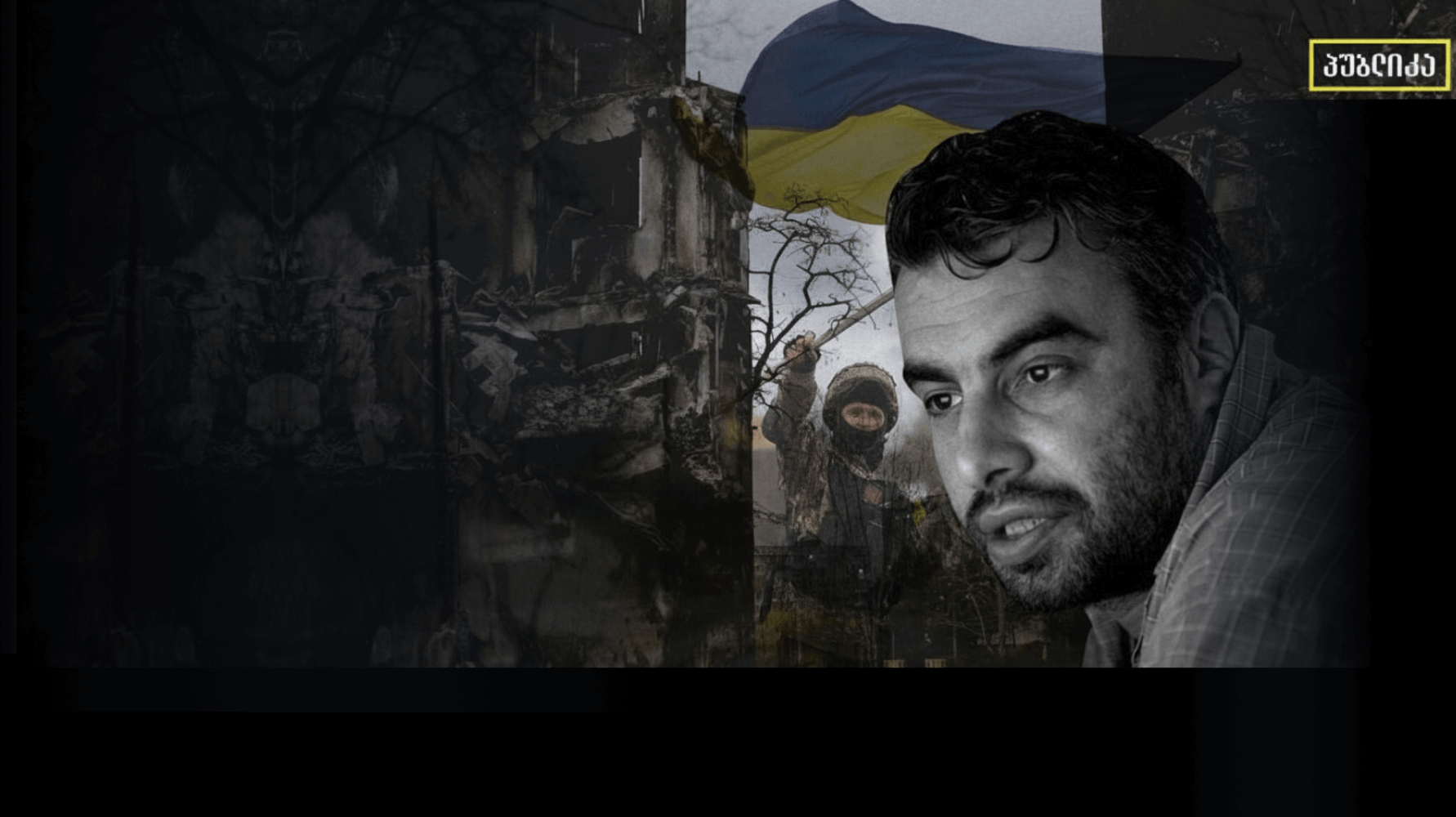
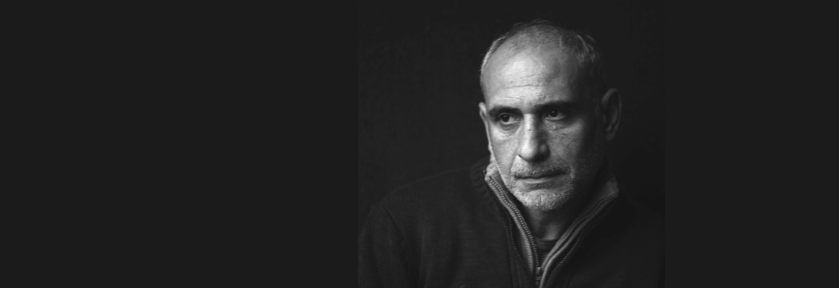
Georgia’s penitentiary authorities refused to deliver Georgian writer and playwright Lasha Bugadze’s dystopian novel “The Observer” (“დამკვირვებელი”) to imprisoned activist Nana Sander. Copies of the writer’s books were later vandalized at a Tbilisi bookstore. PEN Georgia described the decision as an “alarming case” of literary censorship.
Sander has been imprisoned since 2025 in connection with the events of Oct. 4 in Tbilisi. In early August, a copy of Bugadze’s novel intended for her was not accepted at Women’s Penitentiary Facility No. 5 in Rustavi. Prison officials initially said the book was “political” and could not be given to a prisoner.
Georgia’s Special Penitentiary Service later provided a written explanation for the decision. In its Aug. 24 response, the service said the title “The Observer” (“დამკვირვებელი”) created “ambiguity” regarding the novel’s content and “does not allow for an unambiguous interpretation,” particularly in relation to a penitentiary institution.
The service referred to regulations allowing prisoners to receive books unless publications could threaten their safety or the normal functioning of the penitentiary institution. It said literature of “unclear content” that could potentially pose such a threat could not be admitted to the facility.
Baia Pataraia, head of the Georgian women’s rights organization Sapari, which is defending Sander’s rights, said her right to receive information had been restricted. The organization said it planned to challenge the decision in court.
PEN Georgia condemned the decision, saying the case was connected not only to the novel’s content but also to Bugadze’s political and civic position.
“Censorship of fiction as an attempt to restrict freedom of expression is unacceptable in a democratic society,” the organization said.
The Georgian Young Lawyers’ Association (GYLA) also criticized the restriction, arguing that the Penitentiary Service’s justification contradicted international human rights standards, including the case law of the European Court of Human Rights. According to GYLA, authorities restricting prisoners’ access to publications must provide specific grounds related to their content, such as incitement to violence or a threat to prison security. The organization said an abstract reference to the ambiguity of a book’s title did not meet that standard.
“The Observer” (“დამკვირვებელი”) is a dystopian novel set in a future Georgia after decades of authoritarian rule. Twenty-four years after the country’s last elections, a despot who abolished voting announces a referendum in which citizens must decide whether elections should be held again. Georgians who have left the country are invited to return as observers.
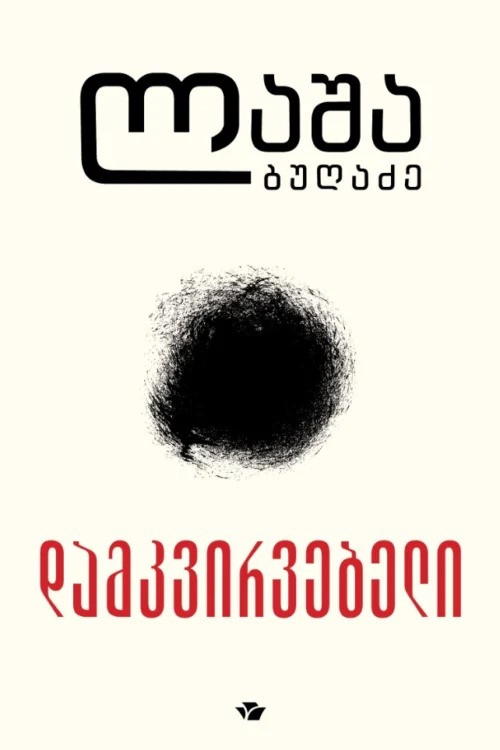
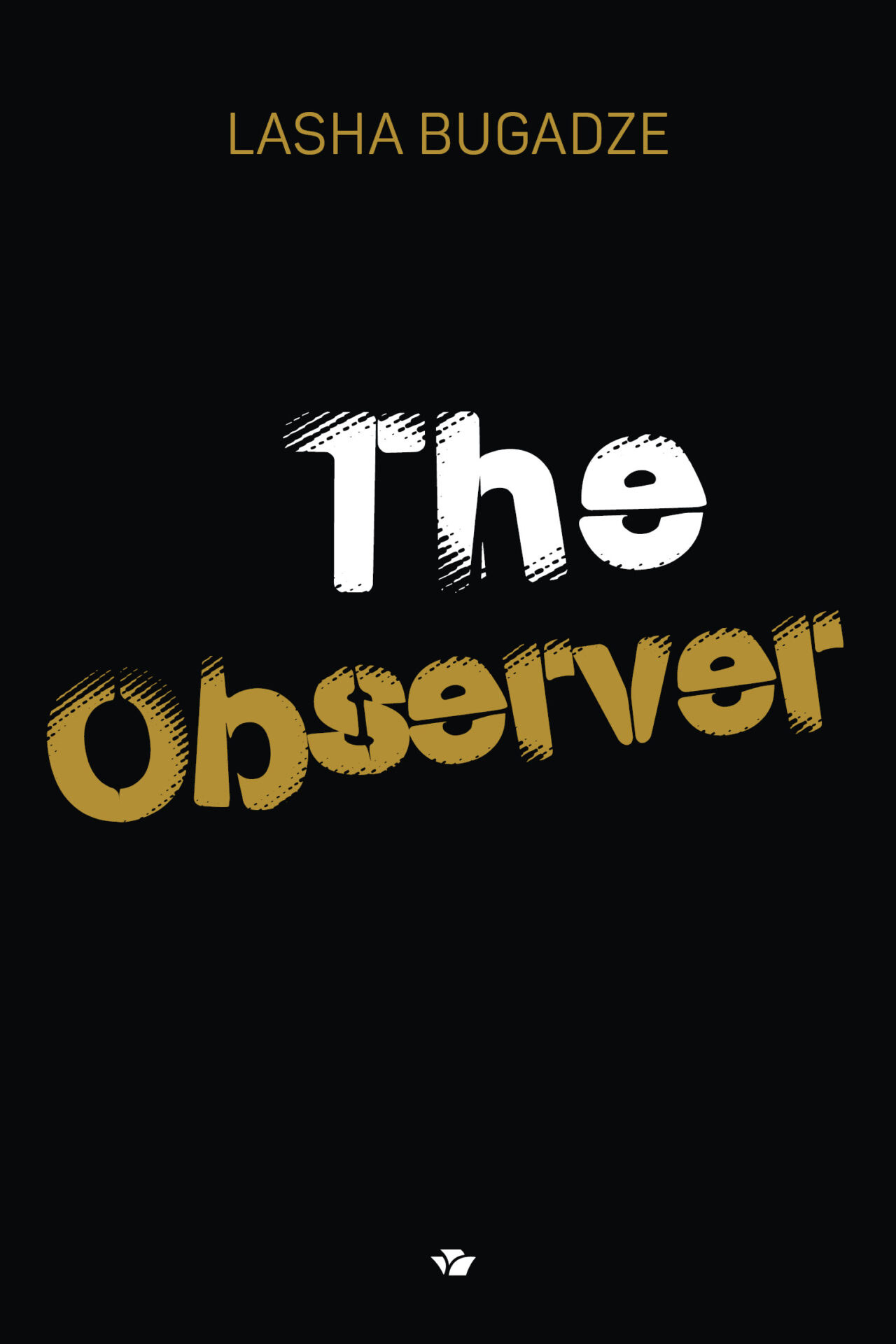
Sulakauri Publishing is presenting “The Observer” to international publishers through its foreign-rights catalogue, where an English-language sample and an English-language cover are available.
The controversy surrounding the novel was followed by another incident. Biblusi and Sulakauri Publishing responded to reports that copies of Bugadze’s books had been deliberately damaged at the Gldani branch of the Biblusi bookstore chain in Tbilisi.
Biblusi condemned the vandalism, removed the damaged copies from sale, and said it was investigating the circumstances of the incident.
Sulakauri Publishing warned about the possible implications of the vandalism.
“We fear that this may turn out to be a step that encourages censorship, although we hope that it will not be repeated and will remain an isolated incident,” the publisher said.
There is currently no confirmed information identifying who damaged the books or establishing a direct connection between the vandalism and the prison’s refusal to accept the novel.
The incidents come amid tensions between Georgian authorities and parts of the country’s independent literary and publishing community.
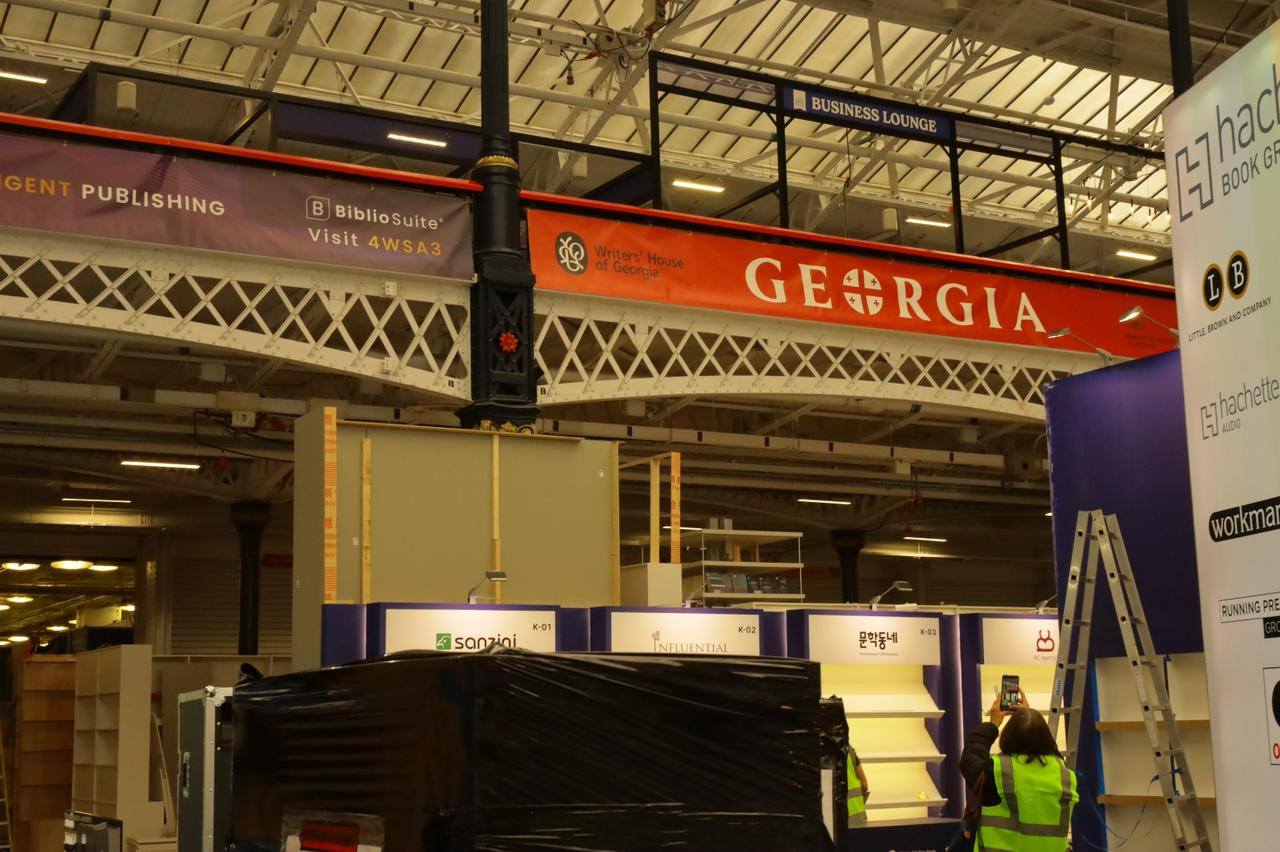
As reported earlier, Georgian publishers and writers protested following the disputed October 2024 parliamentary elections. Independent publishers also rejected state support amid concerns over government pressure on the cultural sector. At the 2024 Frankfurt Book Fair, they presented a “rebel stand,” with International Publishers Association President Gvantsa Jobava telling Chytomo that the publishers refused funding from Georgia’s Ministry of Culture because they did not want to legitimize its actions against independent culture.
In December 2024, writers, publishers, and other cultural figures protested at the Writers’ House of Georgia in support of demonstrators who had been detained or assaulted. Protesters displayed photographs of cultural figures affected by the crackdown, including poet Zviad Ratiani and translator Data Kharaishvili.
In March 2025, British Kartvelologist Donald Rayfield refused an award from the Writers’ House of Georgia, citing the country’s political situation and the actions of the ruling Georgian Dream party.
Ratiani was sentenced to two years in prison in October 2025 following an incident with a police officer during a protest. That same month, Georgian writer and war correspondent Beka Kurkhuli received eight days of administrative detention for blocking a street during protests in Tbilisi.
Main image: JAMnews
Читомо» — це медіа про книжки й літературу, що підтримувало українське книговидання задовго до того, як це стало трендом. Ставайте частиною історії — доєднуйтеся до Клубу Читомо!
the more you read, the greater the possibilities