* ESC - close the search window
Poland
Independent Polish publishers close amid mounting pressure on smaller market players
16.09.2026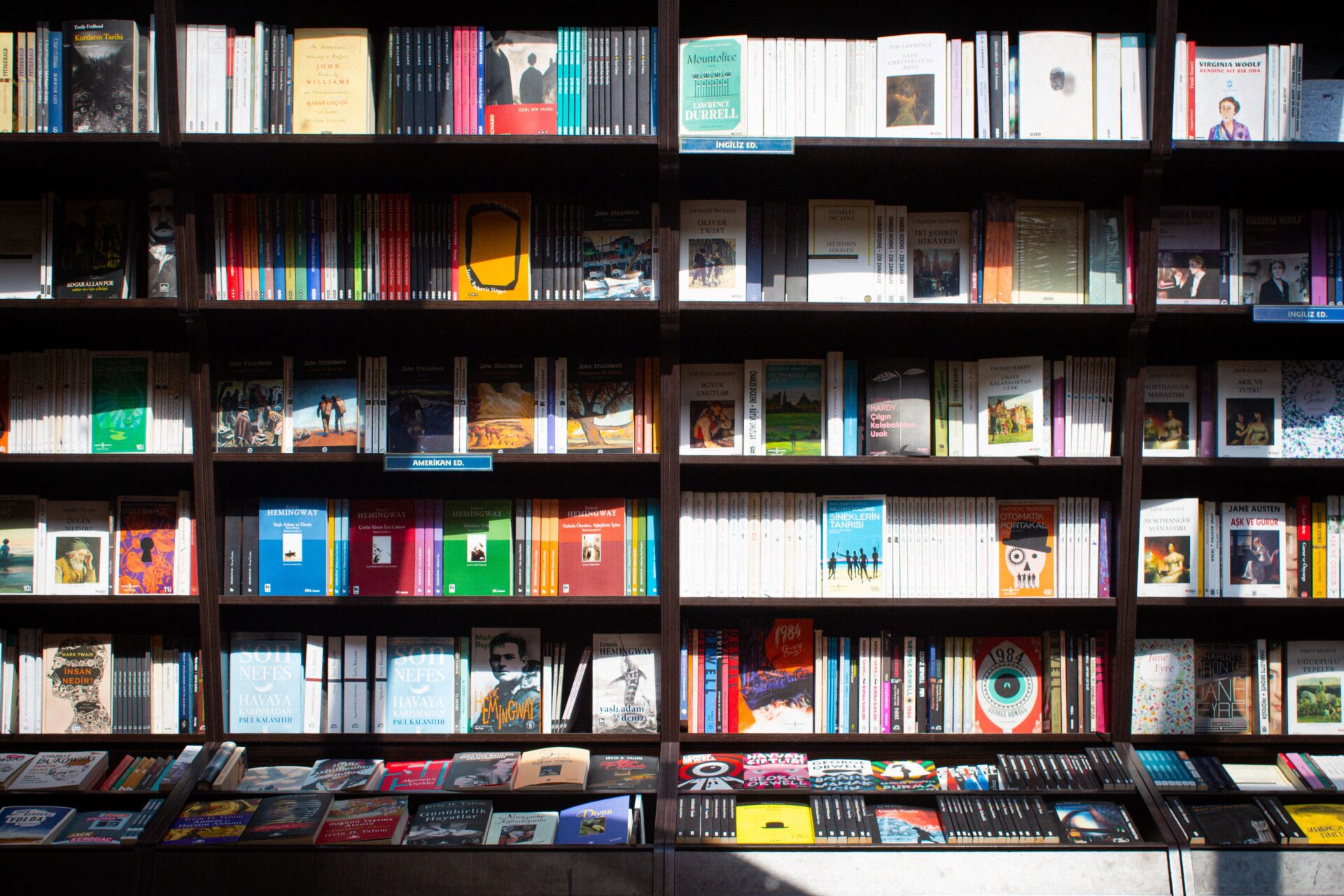
At least five Polish publishing houses have announced closures, ended publishing operations, or suspended literary publishing activity since the beginning of 2026, as smaller players face increasingly difficult conditions in the country’s book market. The publishers include Drzazgi, Fame Art, Wydawnictwo MS, Skład Papieru, and Dowody.
In January, Drzazgi announced that it was ending its publishing activity after five years. The independent publishing house specialised in literary fiction, nonfiction, and socio-political essays and was a member of the Independent Publishers Section of the Polish Book Chamber. Its owners, Agata Chmielecka and Filip Fierek, said that no new titles would be released from 2026.
In February, Fame Art announced that it had been forced to suspend its literary publishing activity. Founded by Natalia Moskal in 2015, the publishing house released 19 books over a decade.
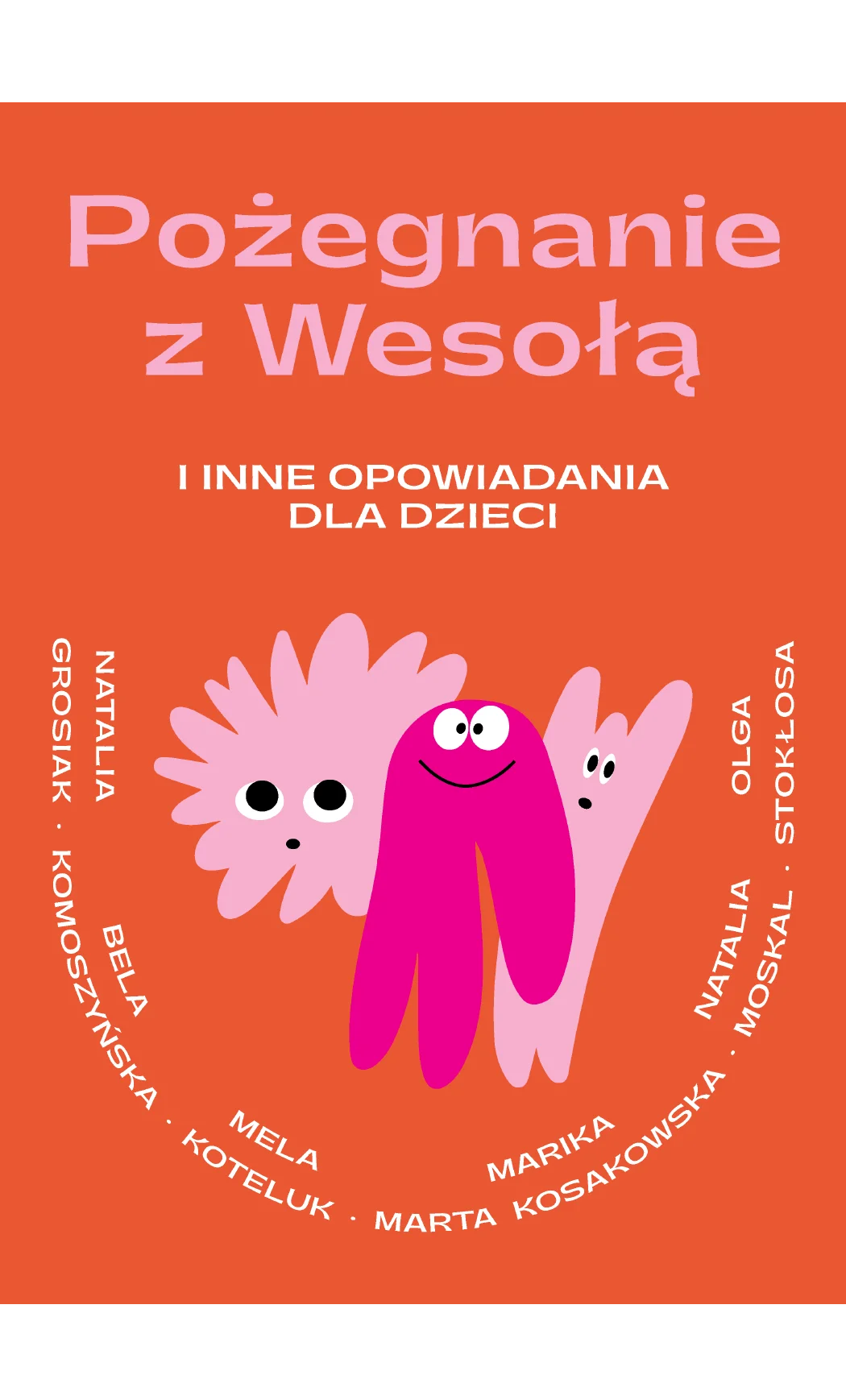
Fame Art also published in Ukrainian. In 2022, it released the first Ukrainian-language edition of “Прощання з Веселою та інші оповідання для дітей” (“Pożegnanie z Wesołą i inne opowiadania dla dzieci”), a collection of stories by six Polish authors: Natalia Grosiak, Bela Komoszyńska, Marta “Marika” Kosakowska, Mela Koteluk, Natalia Moskal, and Olga Stokłosa.
Wydawnictwo MS in Opole ended operations after 29 years. Founded in 1997, the publishing house specialised in regional history, archival photography, maps, postcards, and illustrated historical publications. It left a catalogue of around 300 books and albums and was removed from the register in 2026.
In August, Skład Papieru announced that it was ending operations. The publishing house began releasing books in 2021 and focused primarily on selected international titles.
Dowody also announced that it would stop publishing new titles after 12 years. Established in 2014 as an imprint of Fundacja Instytut Reportażu, the independent publishing house became known primarily for literary reportage, Czech literature, and essays. It published more than 100 books and provided publishing debuts to more than 20 reportage writers. The publishing house will continue selling books from its existing catalogue but will no longer publish new titles or accept new publishing proposals.
Dowody linked its decision directly to changes in the structure of the Polish book market. The publisher pointed to the growing concentration of sales, visibility, reader access, and data in the hands of a small number of major chains and online platforms. It also cited heavy discounting and consumer expectations of rapid and often free delivery, saying that smaller publishers could not sustain such conditions indefinitely.
The company said the collapse of the Matras bookstore chain had also had a lasting financial impact. After attempting different sales models, Dowody concluded that its existing business model was no longer economically sustainable.
The closures and suspensions come amid a broader debate over the structure of Poland’s book market. In an August analysis for Rynek Książki, publisher and book industry manager Zbigniew Czerwiński described the crisis as systemic, pointing to persistently low readership, concentration in distribution and retail, long payment periods, limited access to reliable sales data, and the release of more than 30,000 titles annually despite limited demand.
Czerwiński said average print runs for many publications had fallen to around 2,000–3,000 copies, while payments from wholesalers and retail chains could take more than 90–180 days. He also noted that many books remain on bookstore shelves for only two to four weeks before being returned. He also pointed to commercial margins of around 50%–65% of a book’s cover price, arguing that the combination of high distribution costs, market concentration, and short sales cycles leaves publishers with little room for financial error.
As reported earlier, research found that four distributors control around 80% of Poland’s wholesale book supply, while only 51 of more than 11,000 registered publishers generated 82% of the sector’s profit as of 2023. The report also found that 675 of Poland’s approximately 1,668 bookstores belonged to major chains.
Independent bookstores operate under less favourable purchasing conditions than major chains. Chain bookstores can receive discounts of 50%–70%, while independent stores typically receive 20%–50%. Nearly a third of Polish bookstores closed between 2010 and 2020 amid rising operating costs, unequal access to books and limited systemic support.
The difficulties facing smaller market participants do not, however, reflect a uniform decline in Poland’s publishing output. The National Library of Poland received 31,595 book titles in 2025, nearly 1,000 more than in 2024. Literary books accounted for 38% of all registered titles, reaching 12,133, while academic, professional and school publishing continued to decline.
The figures indicate that the current problems concern the structure and economics of the market rather than a straightforward fall in the number of books being published.
The debate has also prompted proposals to regulate the sector. One concerns fixed book prices. Supporters argue that the measure could reduce the competitive advantage gained by large chains and online retailers through aggressive discounting, while the Book Publishers Association has opposed the proposal, warning that it could result in fewer books being published and higher prices for readers.
Polish writers have meanwhile called for a statutory minimum royalty of 10% of a book’s cover price. Poland’s Culture Ministry has said that the planned Act on the Protection of the Book Market would include a minimum 10% royalty for authors and 1% for translators, alongside proposals for a uniform book price and limits on wholesale discounts. The legislation has not yet completed the legislative process.
Main image: pexels
Читомо» — це медіа про книжки й літературу, що підтримувало українське книговидання задовго до того, як це стало трендом. Ставайте частиною історії — доєднуйтеся до Клубу Читомо!
the more you read, the greater the possibilities