* ESC - close the search window
children's books
35 books from Ukraine and Central and Eastern Europe selected for international children’s and young adult literature catalogue The White Ravens 2026
01.10.2026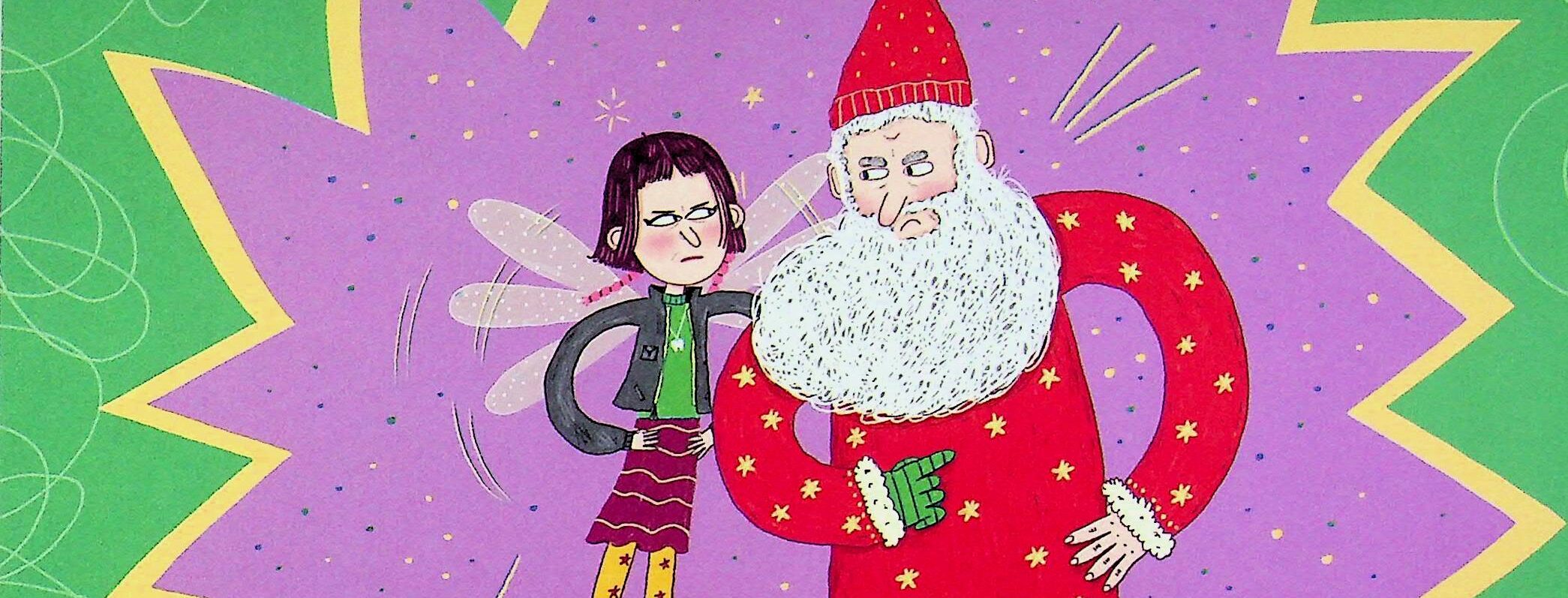
Thirty-five books published in Ukraine and 15 other Central and Eastern European countries have been included in The White Ravens 2026, the International Youth Library’s annual catalogue of notable children’s and young adult literature.
The full 2026 catalogue features 216 books in 46 languages from 62 countries and territories. Around 20 children’s and young adult literature experts contributed to the selection, reviewing thousands of books received by the International Youth Library. Books are selected based on factors such as the universal relevance of their themes, literary and visual qualities, and innovative approaches or design.
Three Ukrainian books included in the catalogue
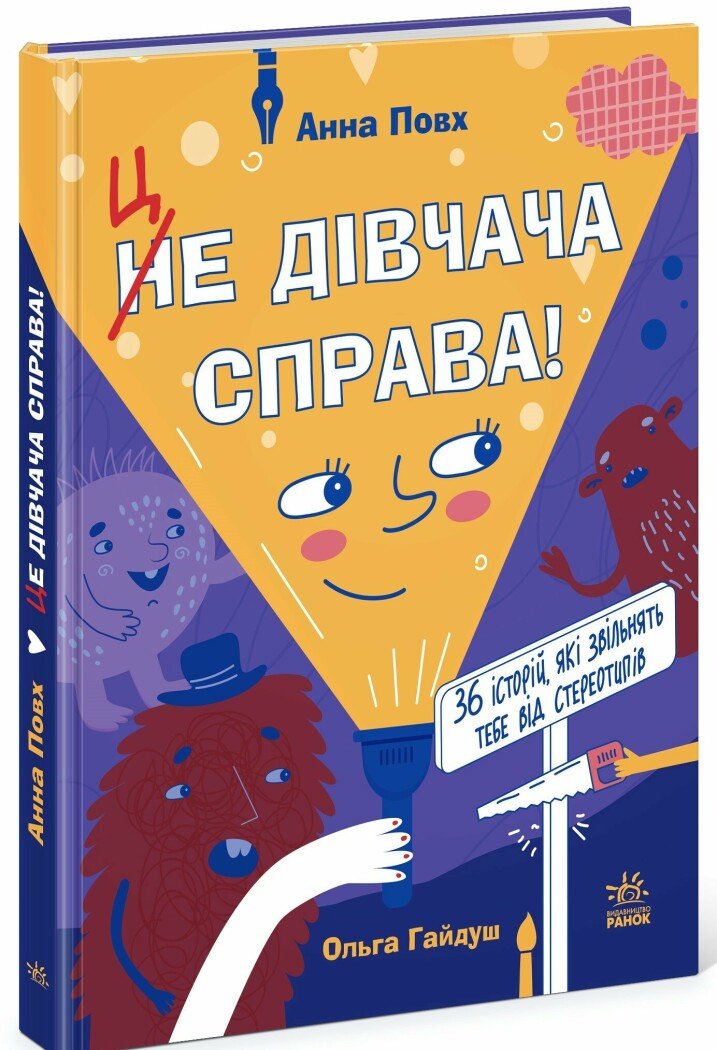
Ukraine is represented by three books: Oleksiy Kovalenko’s “Хто такі хижі рослини?” (“What Are Carnivorous Plants?”), illustrated by Dariya Filippova and published by the Old Lion Publishing House; Anna Povkh’s “Це дівчача справа! 36 історій, які звільнять тебе від стереотипів” (“These Are Girls’ Rights! 36 Stories About Freeing Yourself from Stereotypes”), illustrated by Olha Haydush and published by Ranok; and Sasha Voycekhivska’s “Святкове бінго” (“Holiday Bingo”), illustrated by Olha Rebdelo and published by Murkit.
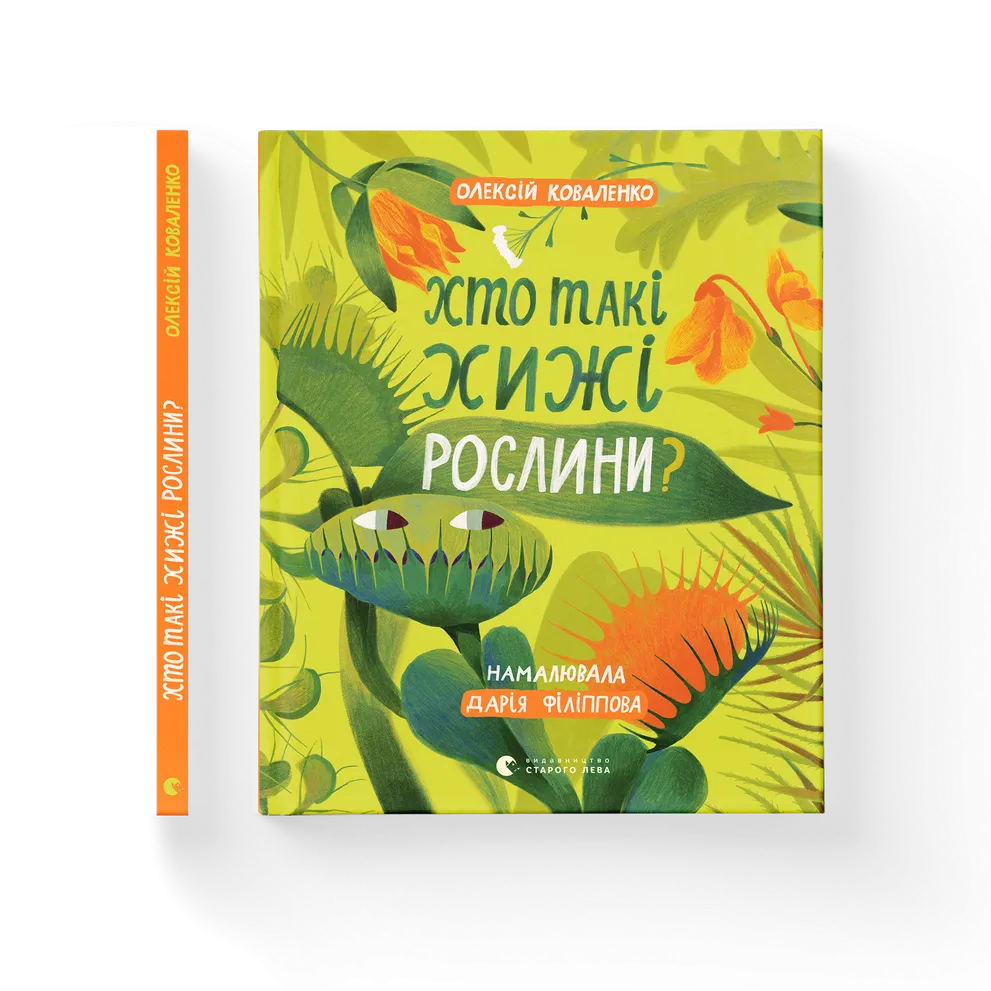
Kovalenko and Filippova’s nonfiction book introduces readers to carnivorous plants and the different ways they attract, capture, and consume prey. It covers species ranging from sundews and Venus flytraps to bladderworts and tropical pitcher plants and includes episodes from the history of their study, including Charles Darwin’s research. The International Youth Library recommends the book for readers aged 9 and older.
Povkh’s book examines gender stereotypes through 36 stories. Across six chapters, women describe experiences with stereotypes related to appearance, personality, relationships, career choices, and other areas of life. The author then examines their origins and mechanisms and suggests ways readers can respond to them. The catalogue recommends the book for readers aged 11 and older.
Voycekhivska’s “Holiday Bingo,” recommended for readers aged 5 and older, begins when St. Nicholas and the Tooth Fairy unexpectedly arrive in Viktoriya’s bedroom at the same time and argue over who has a greater right to leave the girl a present. Viktoriya eventually helps resolve their dispute through a “holiday bingo.” The catalogue particularly notes the story’s situational humor, ironic tone, and Rebdelo’s illustrations.
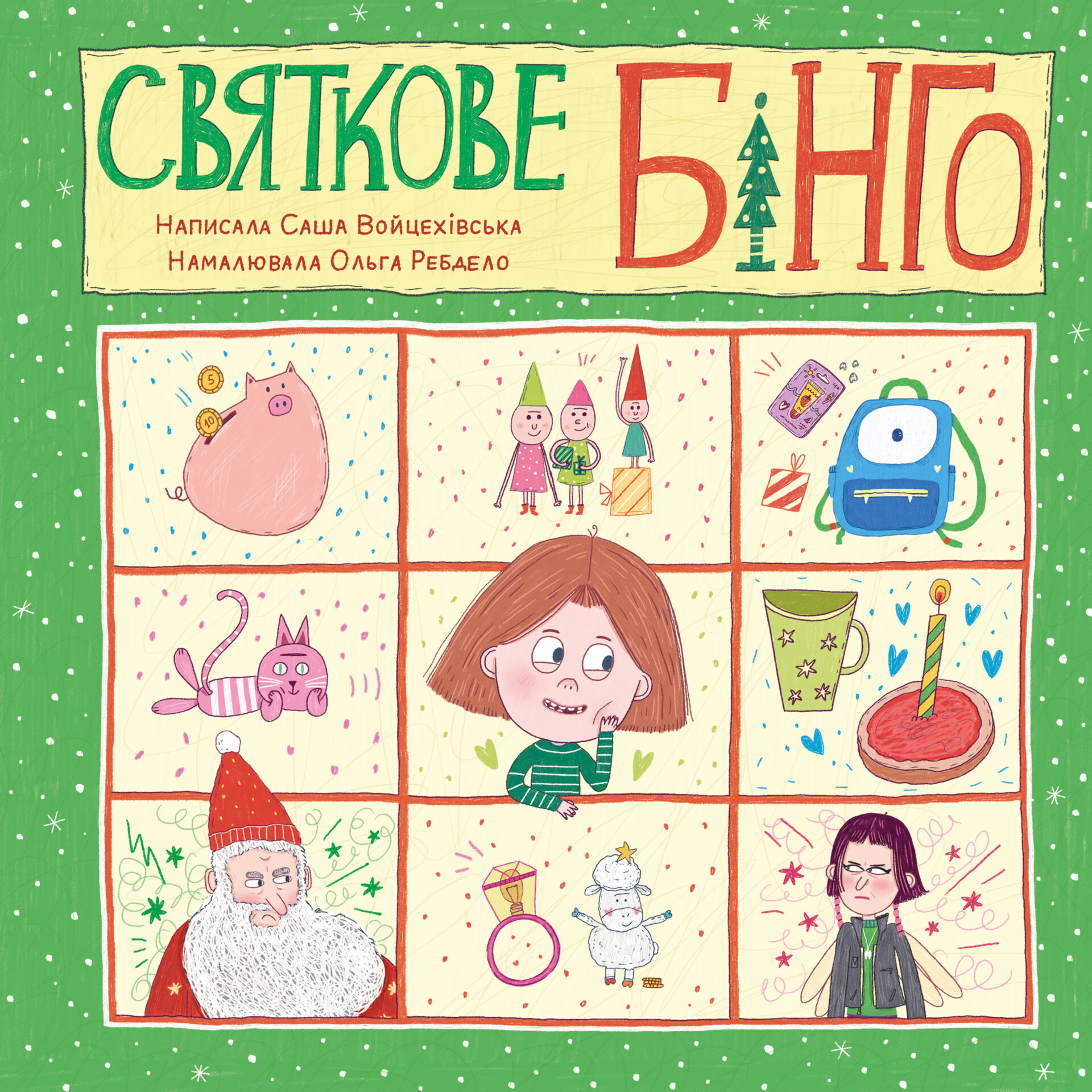
As reported earlier, both “Holiday Bingo” and “These Are Girls’ Rights!” were included in the BaraBooka longlist of the best Ukrainian children’s and young adult publications of 2025.
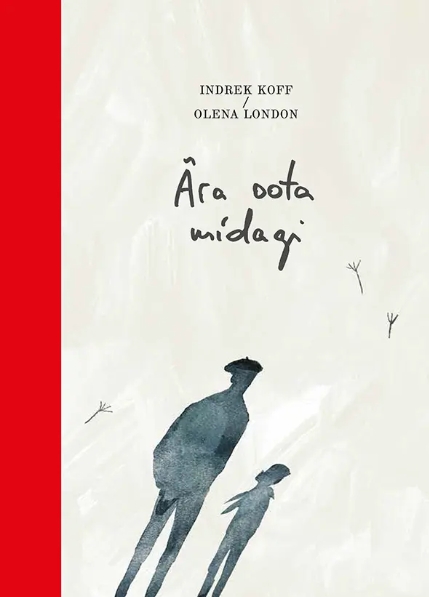
Ukrainian illustrator Olena London is also represented in the catalogue through an Estonian publication. She illustrated Estonian writer Indrek Koff’s graphic novel “Ära oota midagi” (“Don’t Expect Anything”), published by Varrak. The book draws on Koff’s memories of his grandfather and his childhood in Soviet-occupied Estonia, combining personal memories with the broader experience of life under the Soviet regime.
Estonia, Latvia, and Lithuania
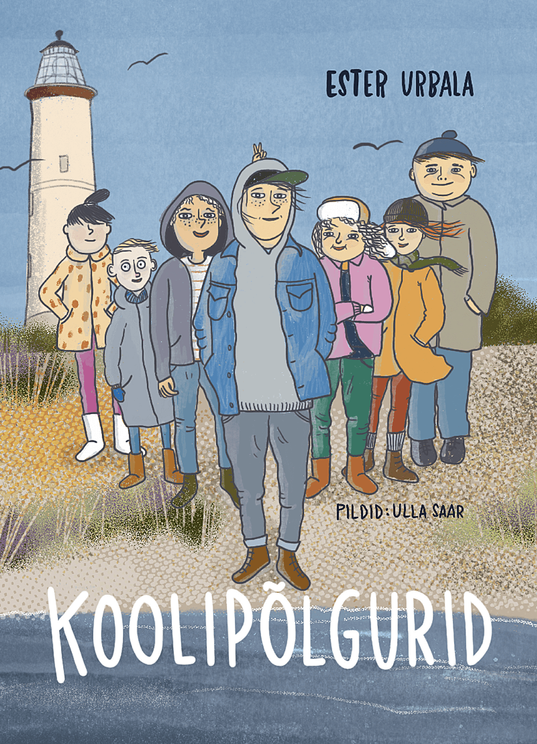
Alongside Koff and London’s “Don’t Expect Anything,” Estonia is represented by Ester Urbala’s “Koolipõlgurid” (“School Rebels”), illustrated by Ulla Saar and published by Puänt. The novel follows six fifth-graders who are sent to an island for six months as part of an experiment in which they live independently, govern themselves, and do not attend school.
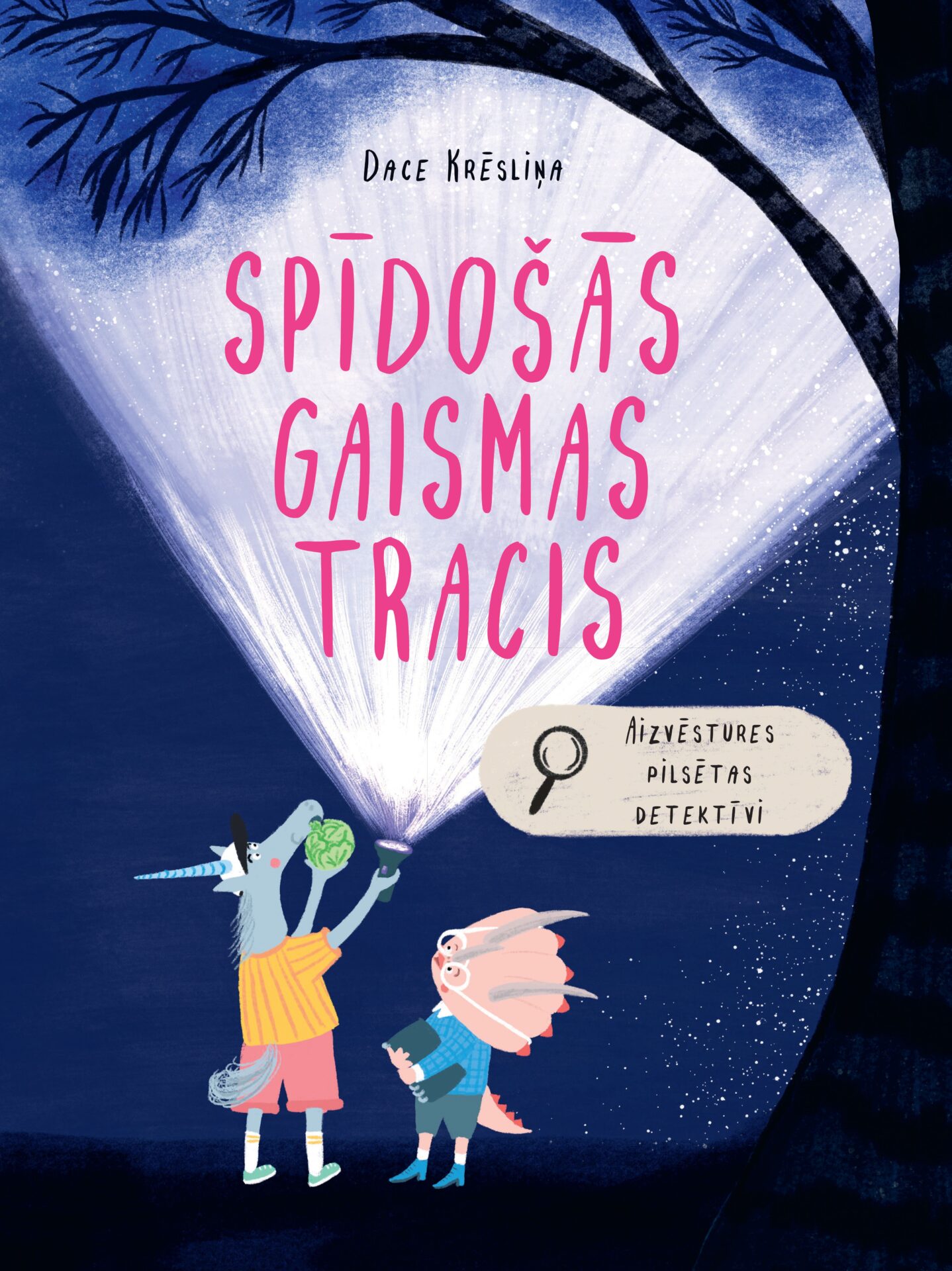
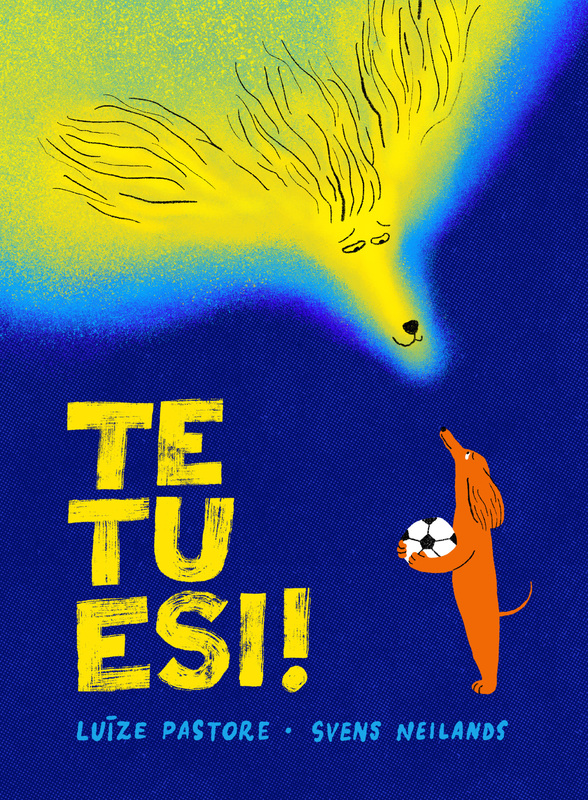
Latvia has two selections: Dace Krēsliņa’s “Spīdošās gaismas tracis” (“The Furor over Bright Lights”), published by Zvaigzne ABC, and Luīze Pastore’s “Te tu esi!” (“There You Are!”), illustrated by Svens Neilands and published by Liels un mazs. Krēsliņa’s environmental detective story addresses bioluminescence, light pollution, sustainability, and environmental protection, while Pastore and Neilands explore illness, death, grief, and family through the story of two dog brothers.
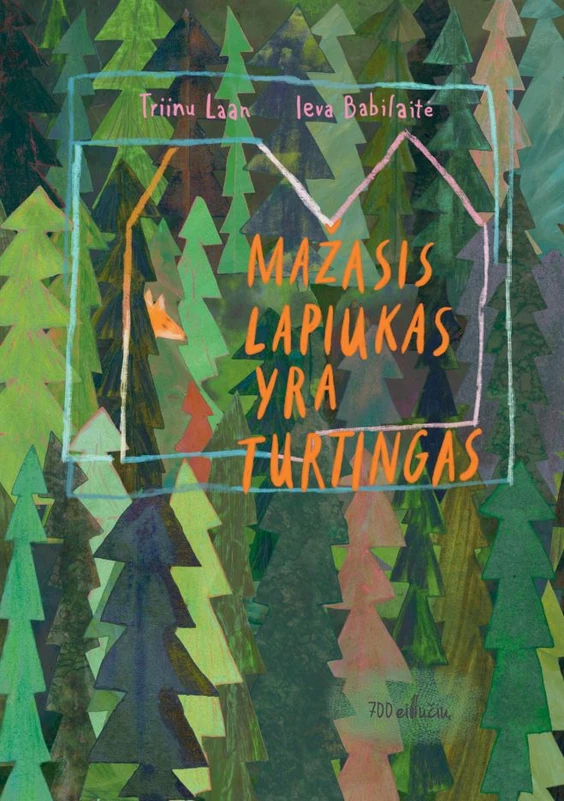
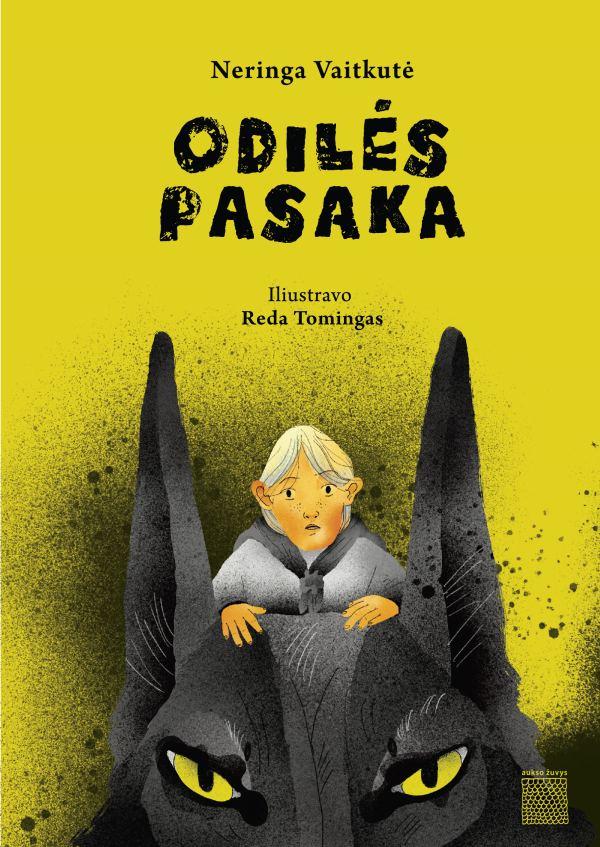
Lithuania is represented by “Mažasis lapiukas yra turtingas” (“Little Fox Is Rich”) by Estonian writer Triinu Laan, illustrated by Lithuanian artist Ieva Babilaitė and translated by Viltarė Urbaitė, and Neringa Vaitkutė’s “Odilės pasaka” (“Odile’s Tale”), illustrated by Reda Tomingas. The former addresses migration, multilingualism, identity, and relationships between generations, while Vaitkutė’s fantasy novel sends its protagonist into a mysterious underworld inhabited by cursed creatures.
Poland and Czechia
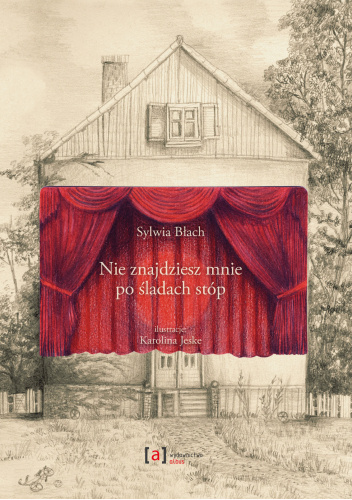
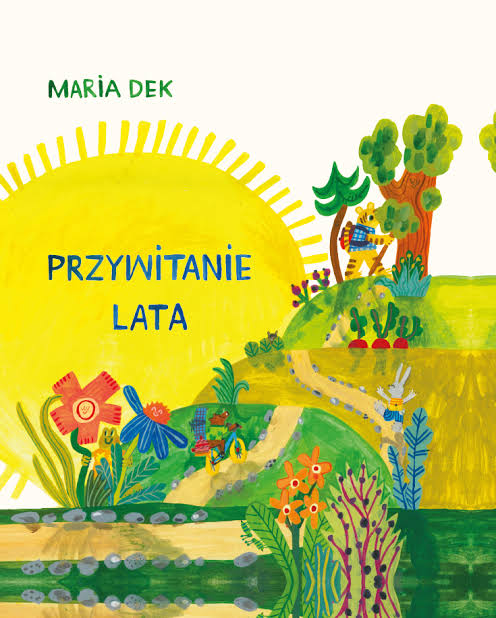
Poland has five titles in the 2026 catalogue. They are Sylwia Błach’s “Nie znajdziesz mnie po śladach stóp” (“You Won’t Find Me by Following My Footprints”), illustrated by Karolina Jeske; Maria Dek’s “Przywitanie lata” (“The Welcoming of Summer”); Michał Figura, Aleksandra Mizielińska, and Daniel Mizieliński’s “Rysie. Historie prawdziwe” (“Lynxes. The True Story”); Zuzanna Kisielewska’s “O tańcu” (“All About Dance”), illustrated by Agata Dudek and Małgorzata Nowak; and Mikołaj Pasiński’s “Podziemna przygoda odważnej żaby Rene” (“The Subterranean Adventures of Rene, the Brave Frog”), illustrated by Gosia Herba.
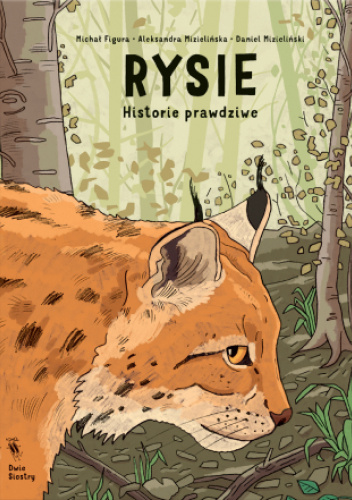
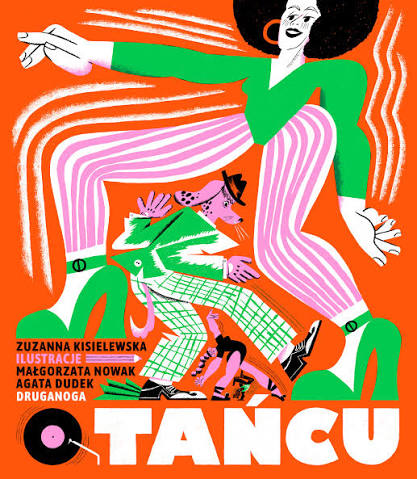
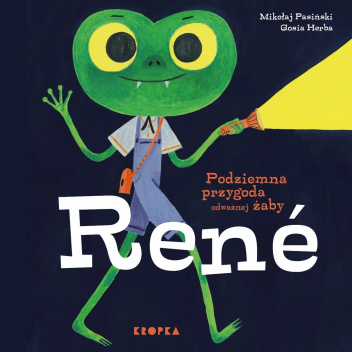
The Polish selections range from a book about disability and everyday life from the perspective of a wheelchair user to a nonfiction comic about researchers studying lynxes in the Polish Beskids. “All About Dance,” meanwhile, looks at dance across cultures and historical periods, covering forms ranging from ballet and flamenco to hip-hop and the Ukrainian Kozak dance.
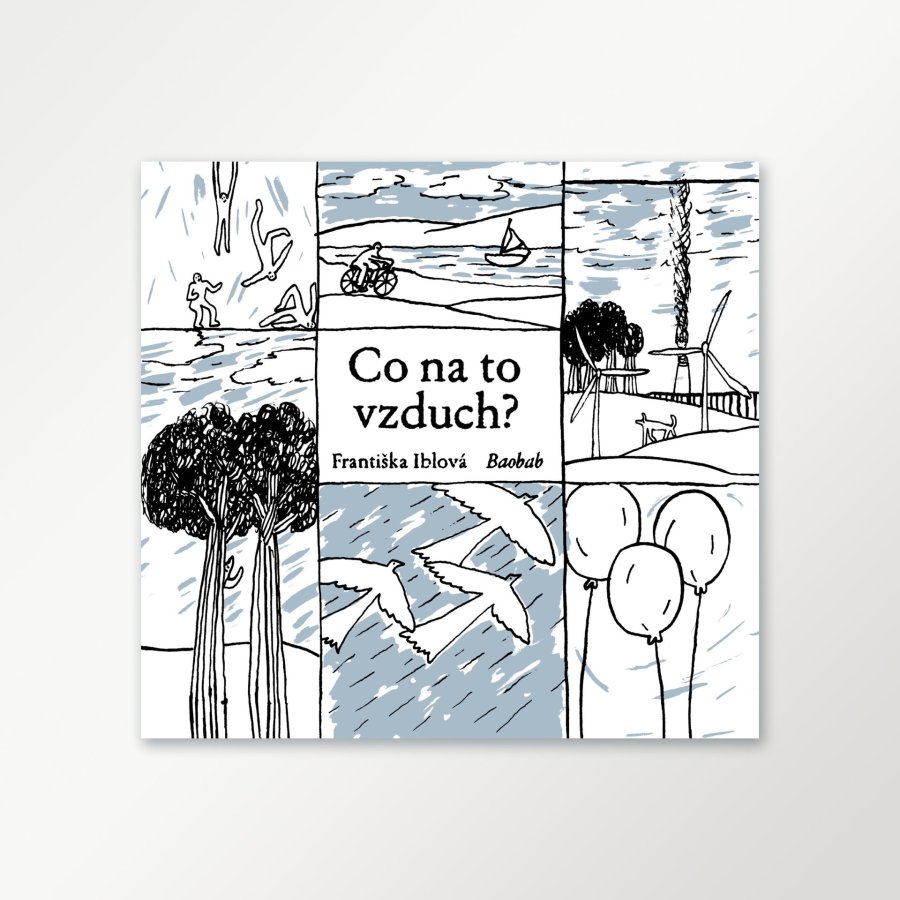
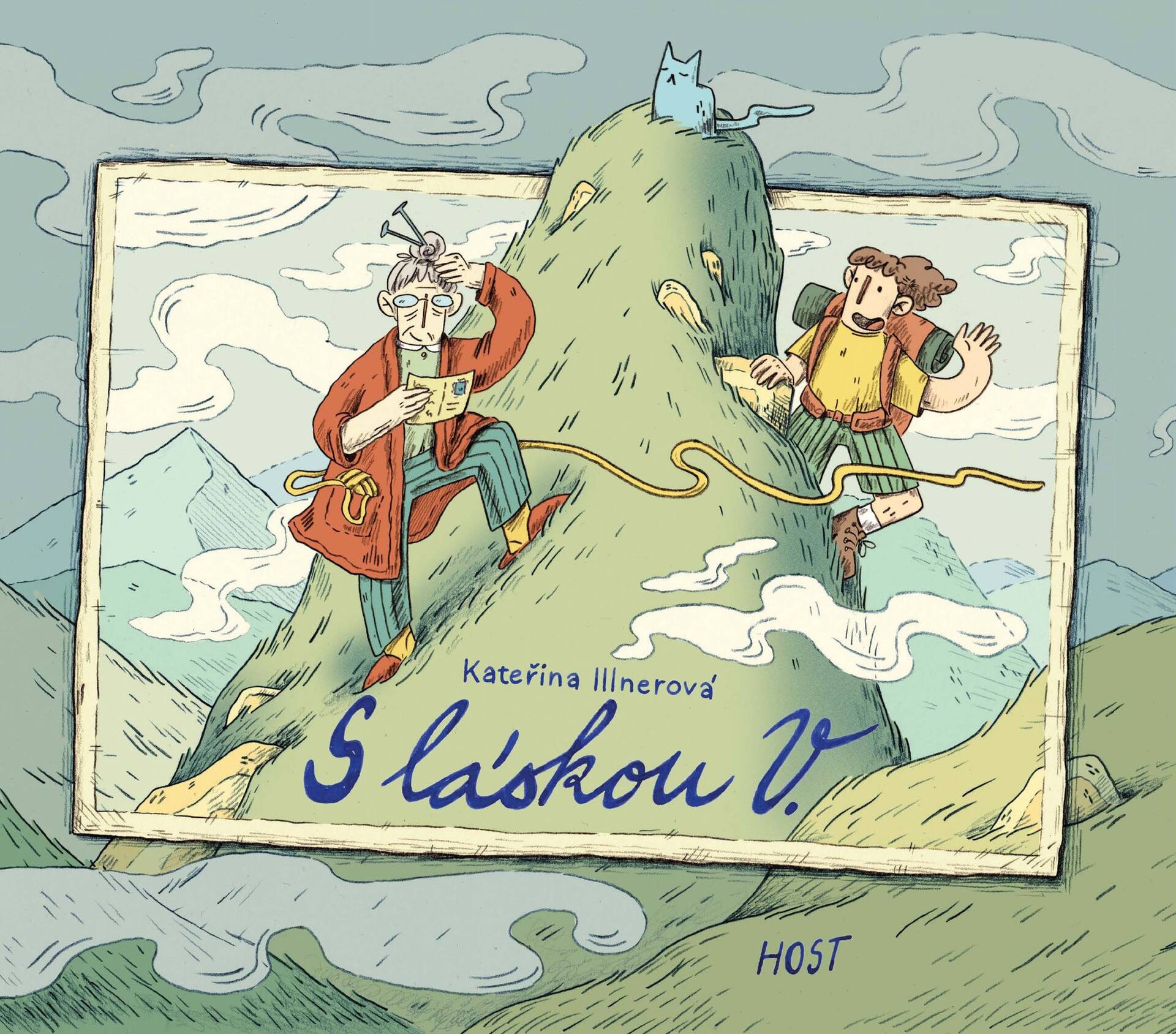
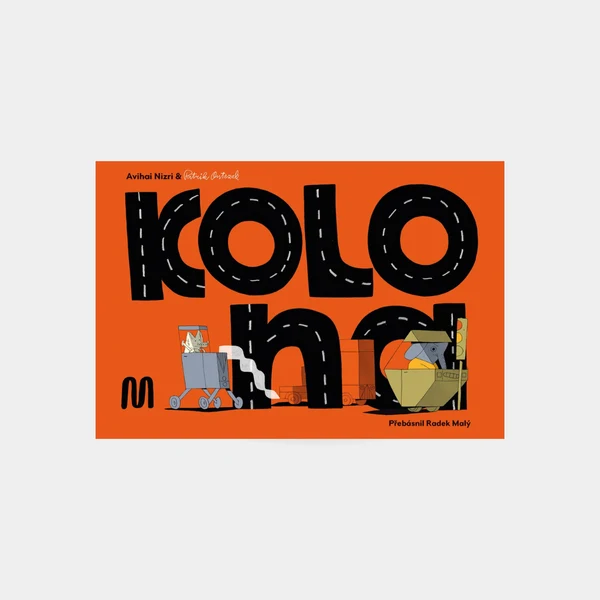
Three books published in Czechia were selected: Františka Iblová’s “Co na to vzduch?” (“What About Air?”), Kateřina Illnerová’s “S láskou V.” (“With Love, V.”), and Israeli author Avihai Nizri’s “Kolona” (“Convoy”), illustrated by Czech artist Patrik Antczak and translated by Radek Malý. The books explore, respectively, air and the environment; an intergenerational relationship maintained through postcards; and a traffic jam that becomes a setting for encounters between strangers.
Bulgaria, Croatia, and North Macedonia
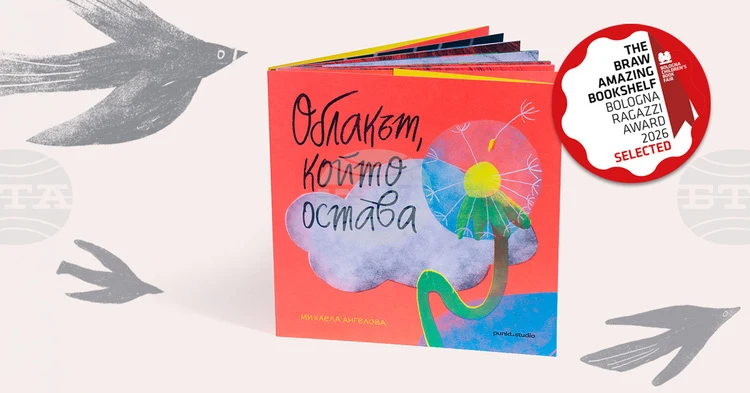
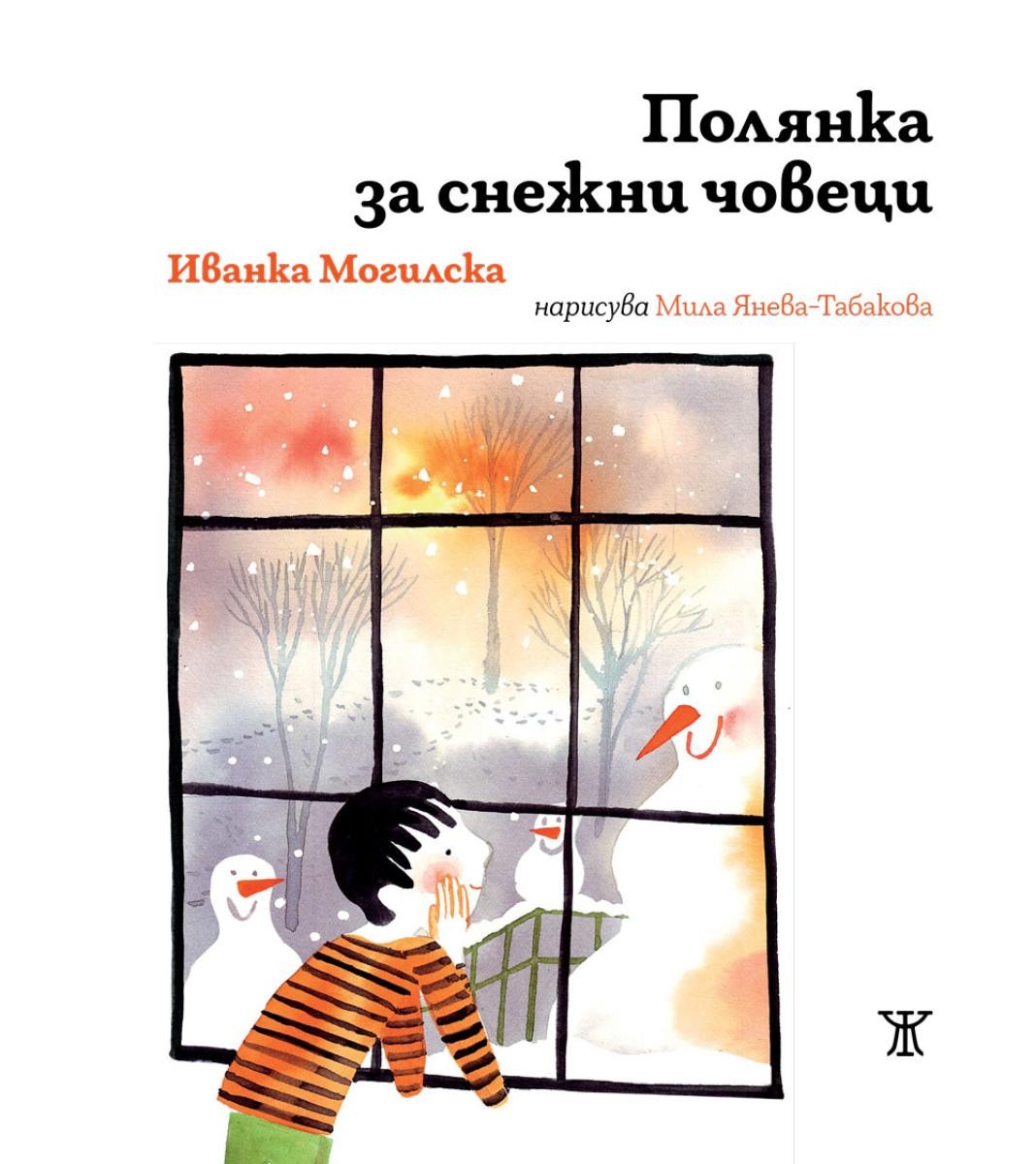
Bulgaria is represented by Mikhaela Angelova’s “Облакът, който остава” (“The Cloud That Stayed”), published by Punkt.Studio, and Ivanka Mogilska’s “Полянка за снежни човеци” (“A Meadow for Snowmen”), illustrated by Mila Yaneva-Tabakova and published by Janet 45. Angelova’s picture book explores change, loss, and renewal through nature, while Mogilska’s collection contains 14 stories combining everyday childhood experiences with winter fantasy.
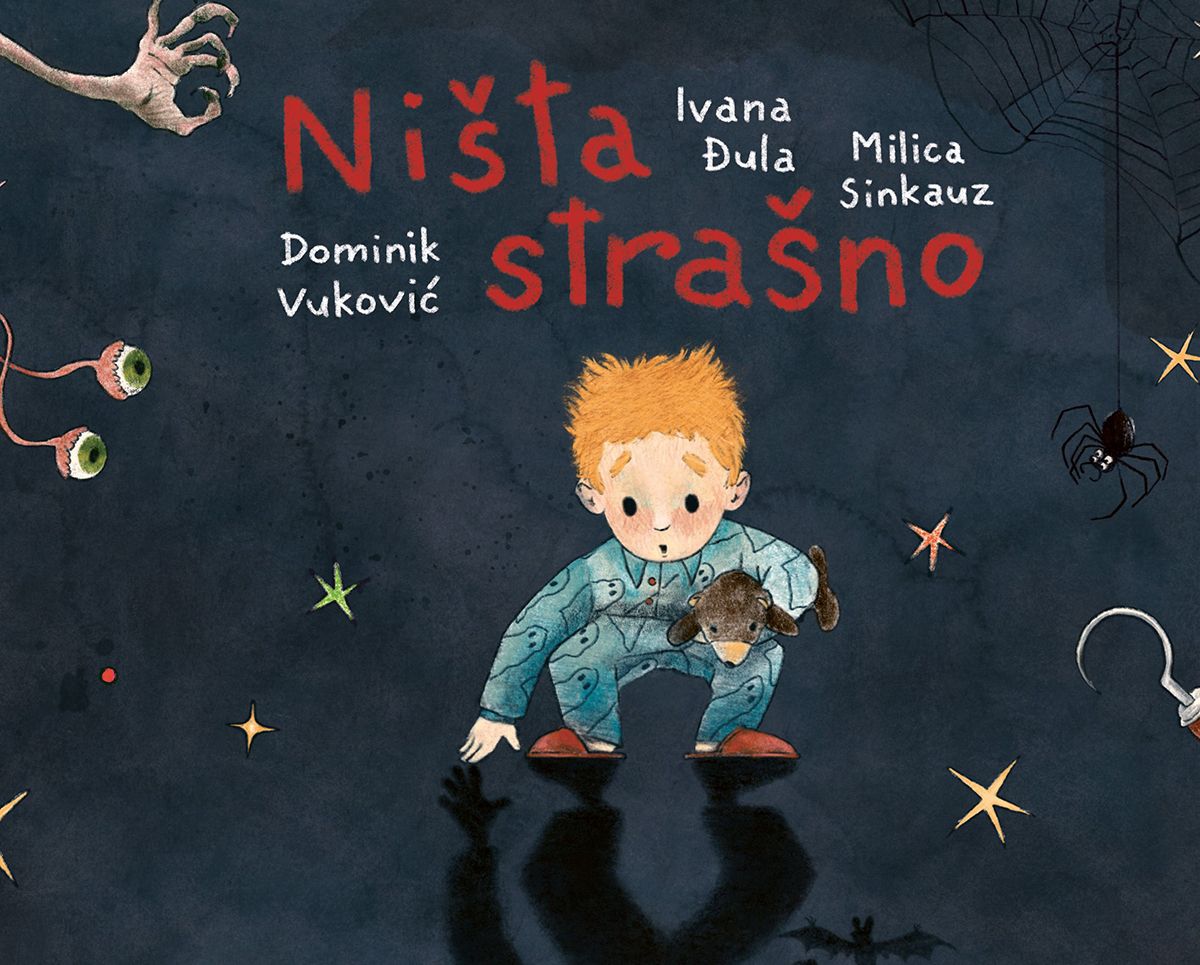
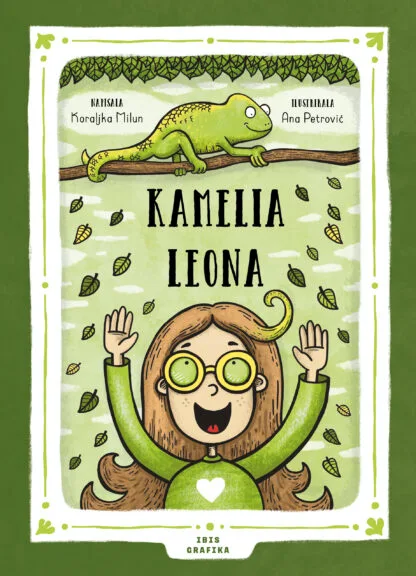
The Croatian selections are Ivana Đula and Milica Sinkauz’s “Ništa strašno” (“Nothing to Be Afraid Of”), illustrated by Dominik Vuković and published by Bodoni, and Koraljka Milun’s “Kamelia Leona” (“Chamelia Leona”), illustrated by Ana Petrović and published by Ibis grafika. The first addresses childhood fears through a boy’s encounter with Little Fear, while “Chamelia Leona” combines a detective story with questions of difference and self-acceptance.
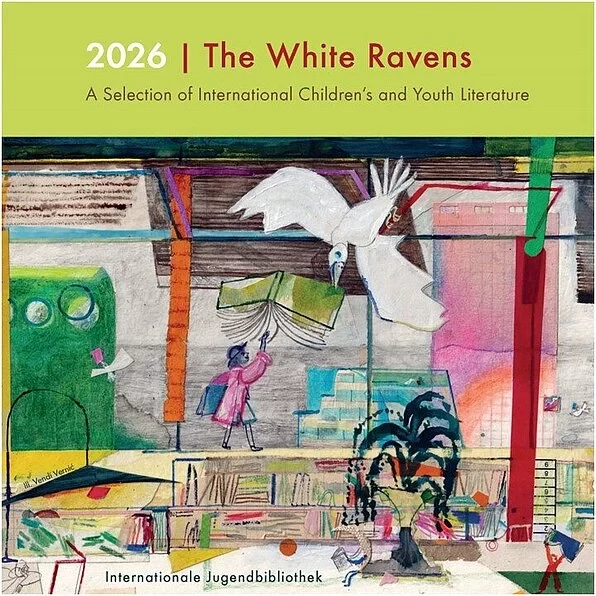
Croatian illustrator Vendi Vernić also created the cover of The White Ravens 2026. Her illustration depicts an imaginary library where people gather to read, relax, and play as white ravens arrive carrying books.
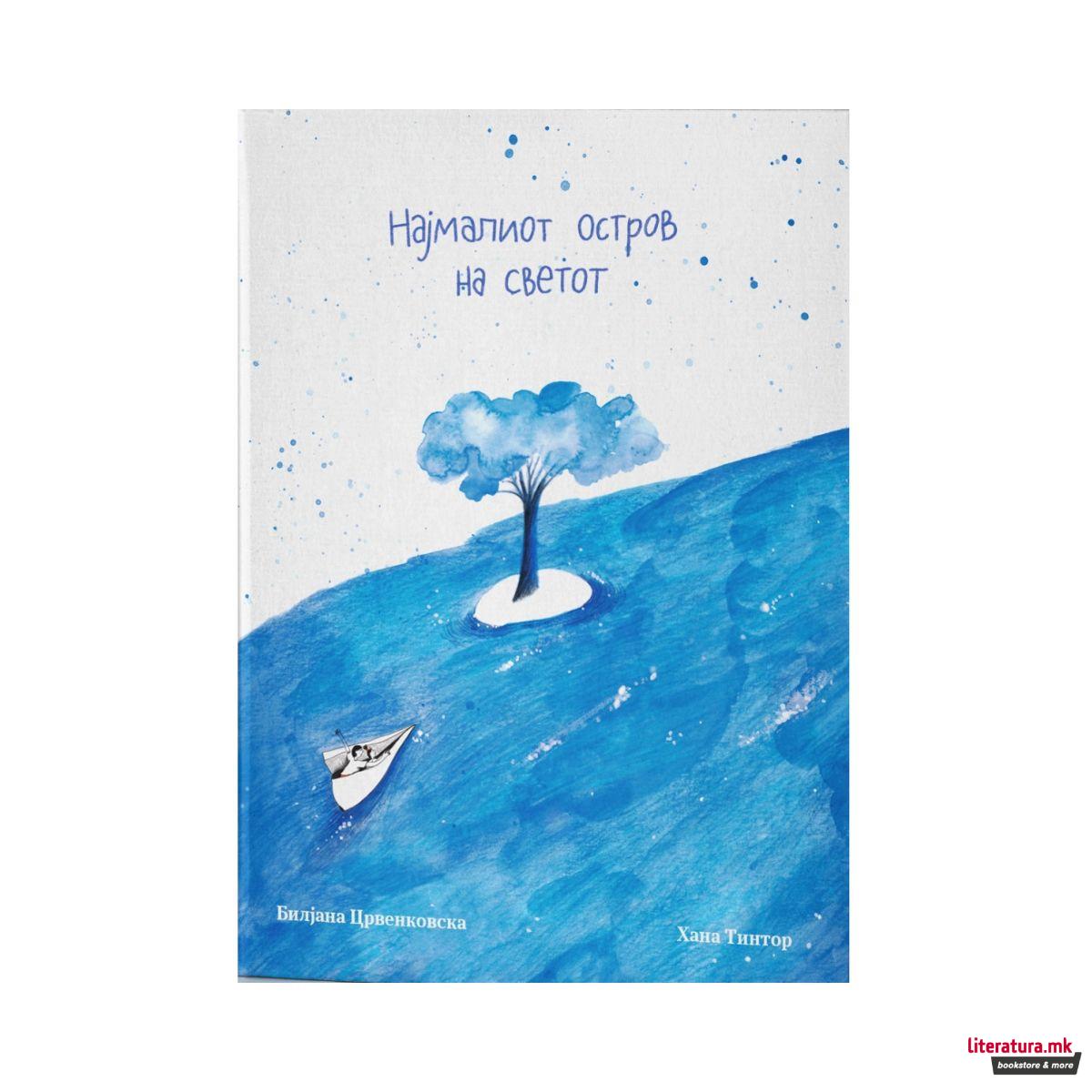
North Macedonia has one selection: Biljana Crvenkovska’s “Најмалиот остров на светот” (“The Smallest Island in the World”), illustrated by Croatian artist Hana Tintor and published by Chudna Shuma. The picture book follows siblings Alen and Irma, who retreat into an imagined world while dealing with their parents’ conflict.
Hungary, Romania, and Moldova
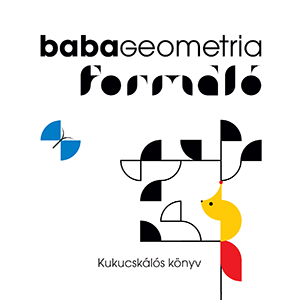
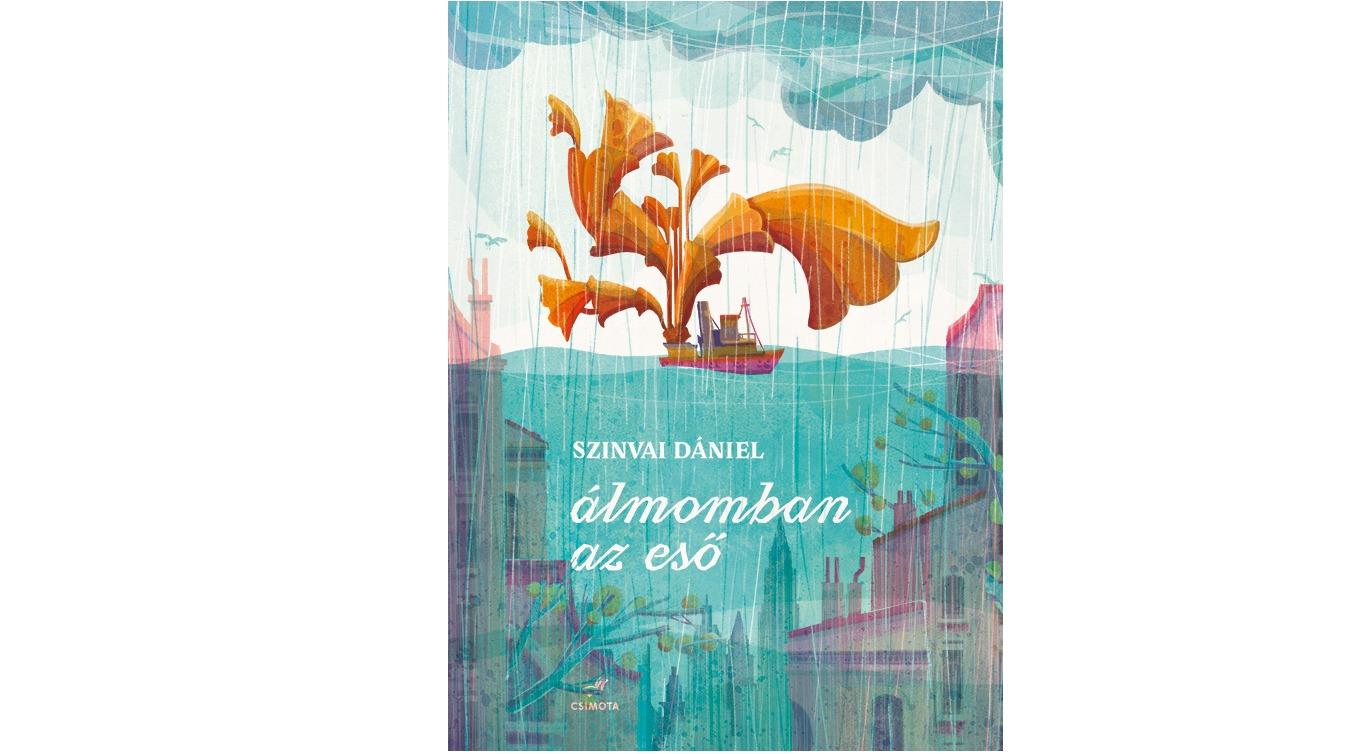
Hungary is represented by two wordless books: Diána Nagy’s “Babageometria formáló. Kukucskálós könyv” (“Baby Geometry. Forms. A Peephole Book”), published by Móra, and Dániel Szinvai’s “Álmomban az eső” (“The Rain in My Dream”), published by Csimota. Nagy introduces very young readers to geometric forms through visual play, while Szinvai depicts two children travelling through a surreal world overwhelmed by seemingly endless rain.
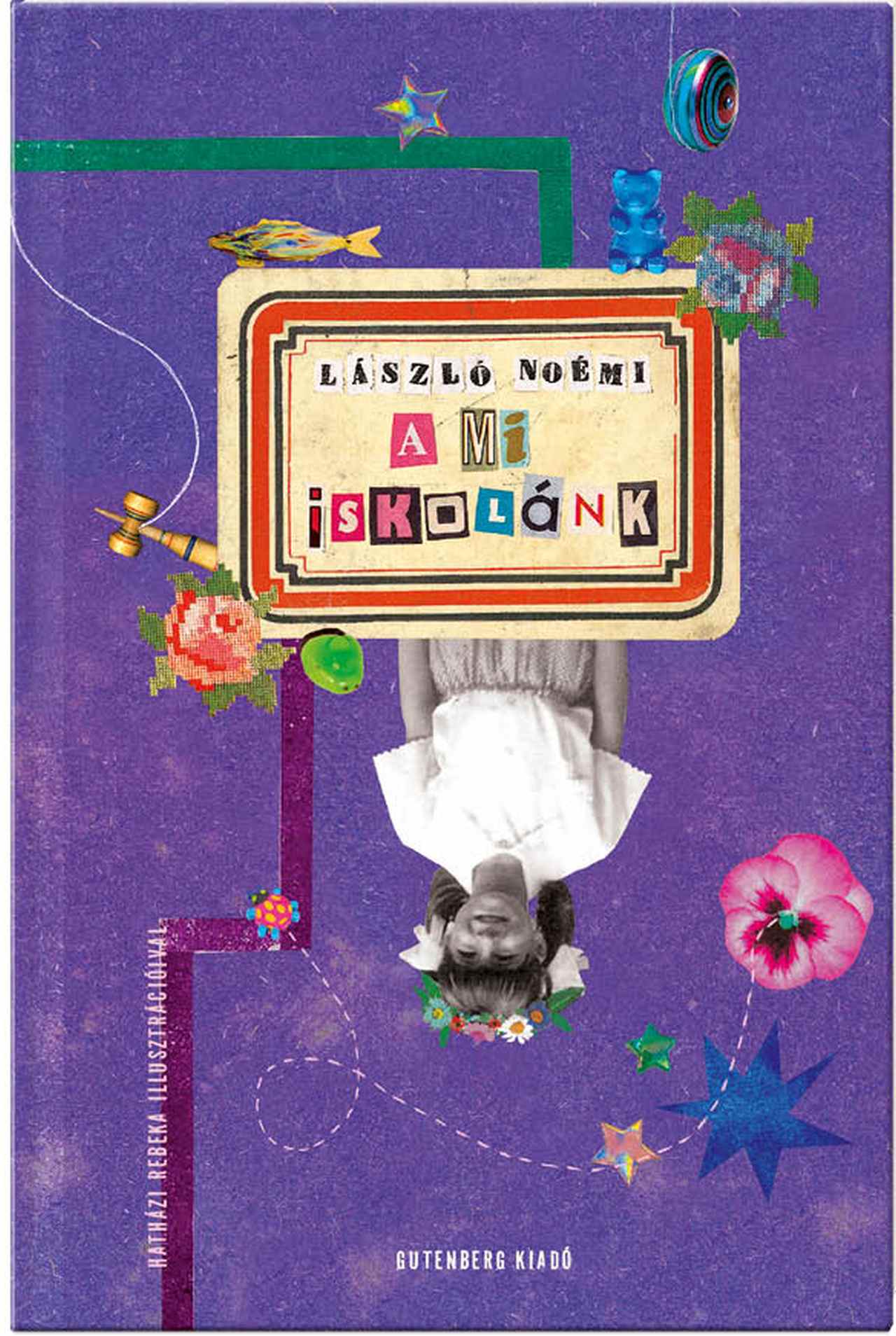
Romania appears in two language sections of the catalogue. Noémi László’s Hungarian-language “A mi iskolánk” (“Our School”), illustrated by Rebeka Hatházi and published by Gutenberg Kiadó in Miercurea Ciuc, recalls school life in socialist-era Cluj-Napoca and incorporates the experience of the city’s Hungarian minority.
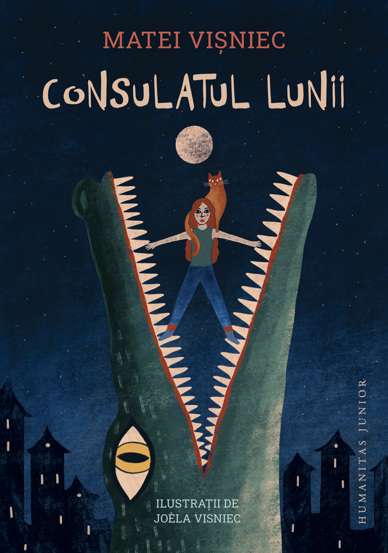
The Romanian-language selection is Matei Vișniec’s “Consulatul Lunii. Sau Adelina și crocodilii de mlaștină” (“The Moon’s Consulate. Or Adelina and the Swamp Crocodiles”), illustrated by Joèla Visniec and published by Humanitas Junior. Through a city gradually taken over by crocodiles that impose new rules and restrictions, the book explores dictatorship, autocracy, resistance, and poetry.
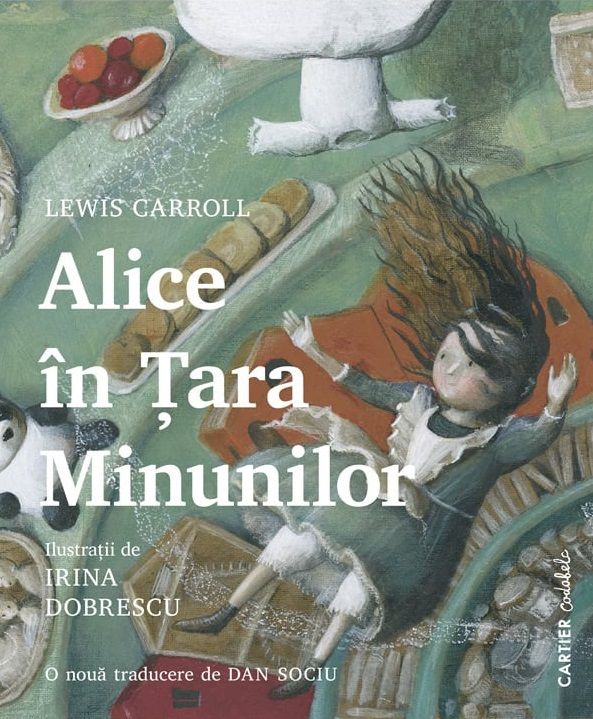
Moldova is represented by a Romanian-language edition of Lewis Carroll’s “Alice in Wonderland,” translated by Dan Sociu, illustrated by Romanian artist Irina Dobrescu, and published by Cartier in Chișinău. The International Youth Library highlights Dobrescu’s reinterpretation of familiar Wonderland characters and scenes, which combines references to John Tenniel’s classic imagery with her own visual approach.
Serbia, Slovakia, and Slovenia
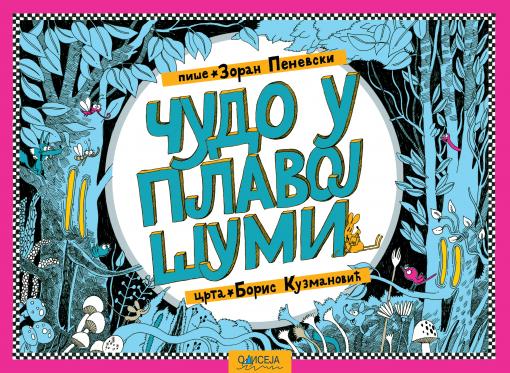
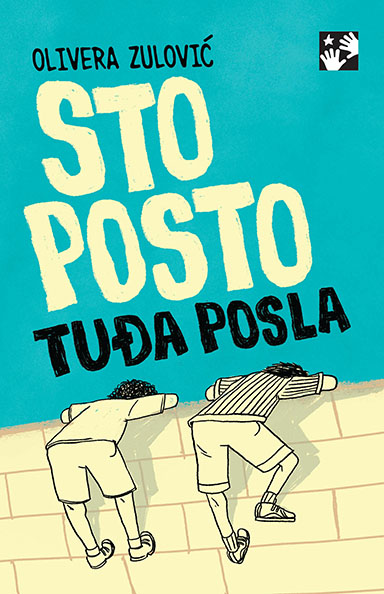
Two Serbian books were selected: Zoran Penevski’s “Čudo u Plavoj Šumi” (“A Miracle in the Blue Forest”), illustrated by Boris Kuzmanović and published by Odiseja, and Olivera Zulović’s “Sto posto tuđa posla” (“100% Foreign Affairs”), illustrated by Jakša Lakićević and published by Kreativni Centar. Penevski’s picture book centres on an animal theatre troupe, while Zulović combines a detective story with themes of friendship, family, and social injustice. “100% Foreign Affairs” received Serbia’s 2025 Dušan Radović Prize.
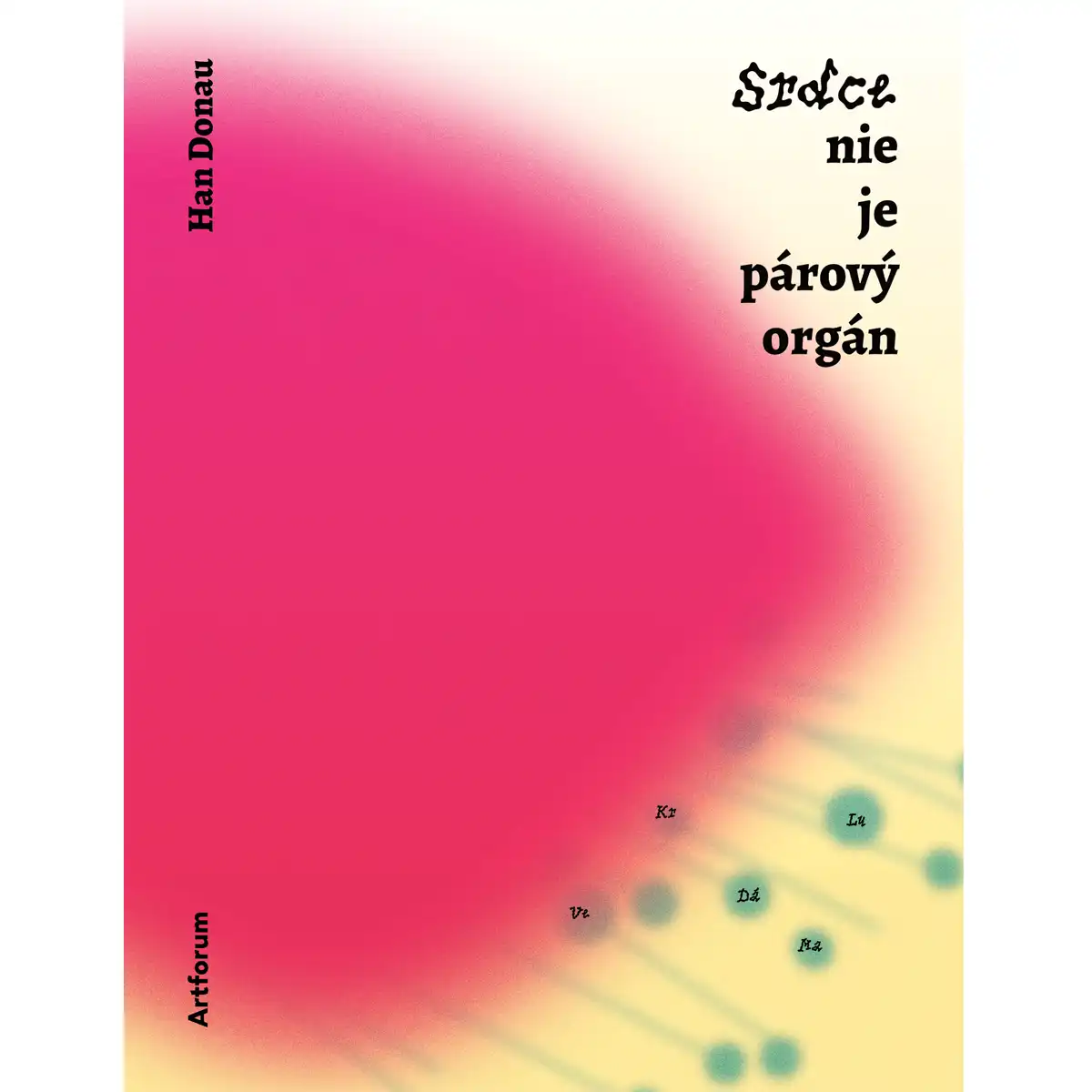
Slovakia has one selection: Han Donau’s “Srdce nie je párový orgán” (“The Heart Is Not a Paired Organ”), published by Artforum. The picture book takes an artistic and philosophical approach to the human heart and explores solitude and self-determination.
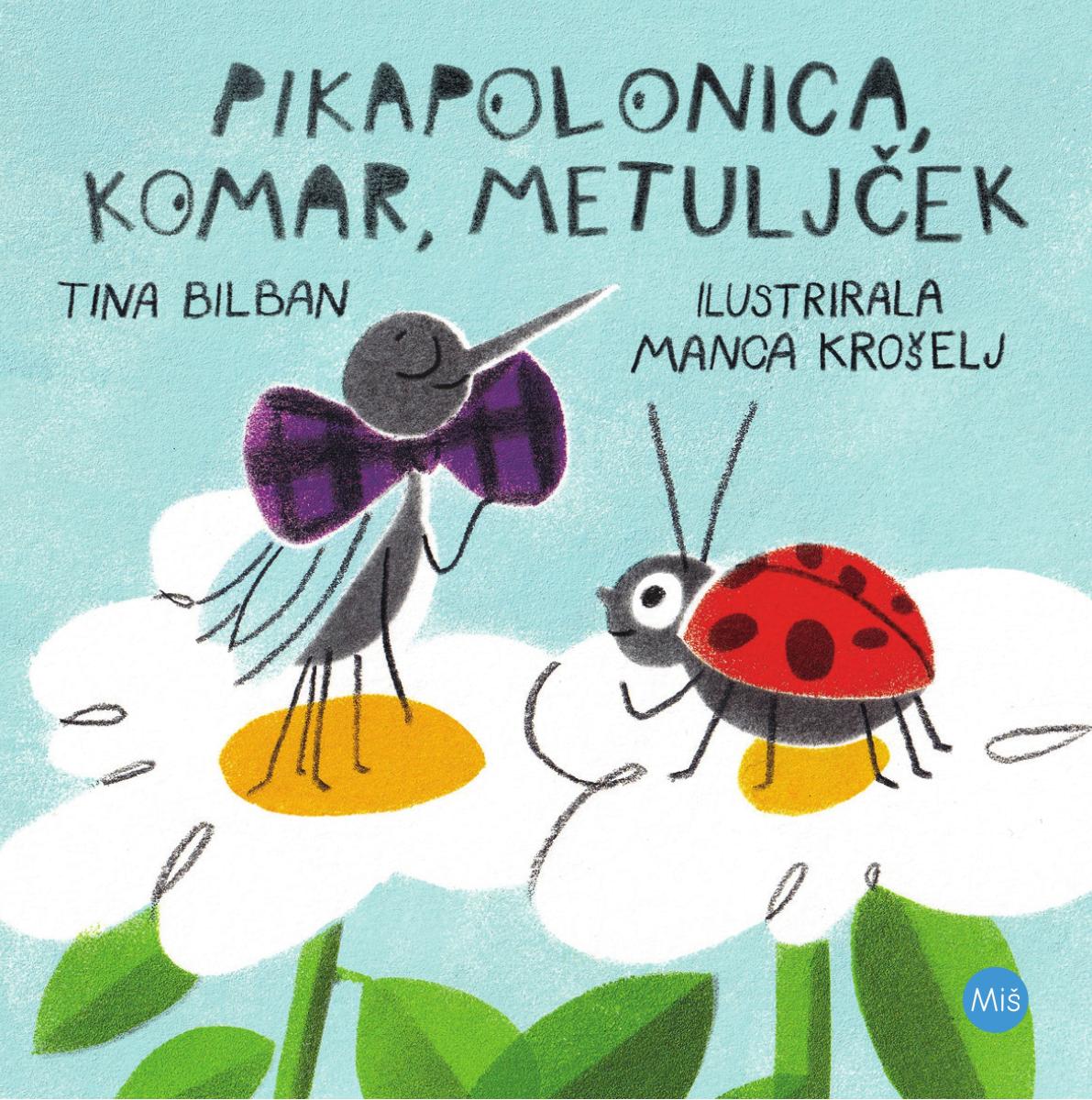
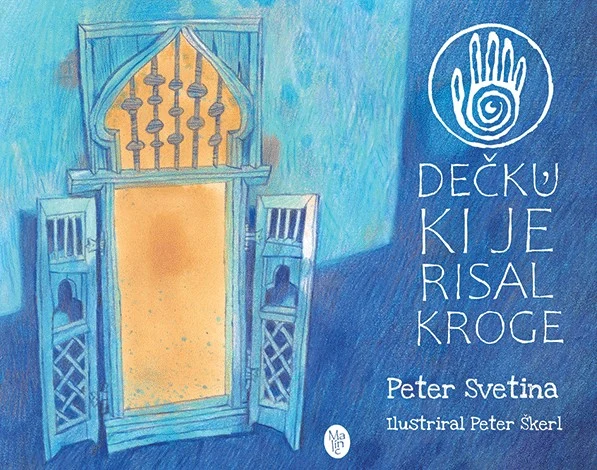
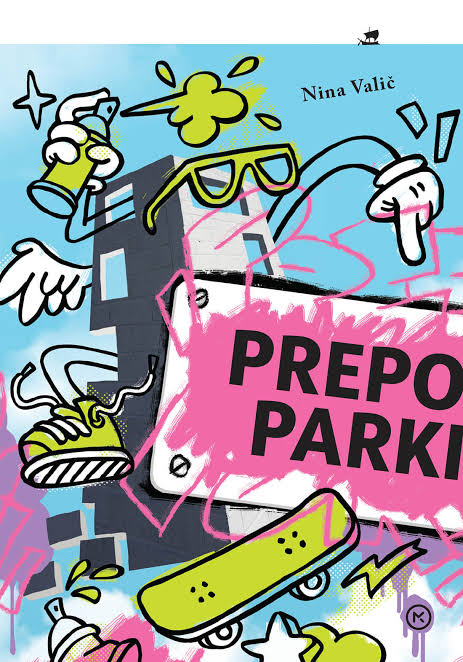
Three Slovenian books were selected: Tina Bilban’s “Pikapolonica, komar, metuljček” (“Ladybird, Mosquito, Butterfly”), illustrated by Manca Krošelj and published by Miš; Peter Svetina’s “O dečku, ki je risal kroge” (“The Boy Who Drew Circles”), illustrated by Peter Škerl and published by Malinc; and Nina Valič’s “Prepo-parki,” published by Mladinska knjiga. Bilban’s book introduces homonyms through wordplay and illustrations, while Svetina and Škerl explore drawing, precision, and the relationship between landscape and art. Valič’s novel follows 13-year-old Butl as his search for skaters and graffiti artists becomes connected with memories of his late mother.
Austria
Two Austrian books were included in the catalogue: Melanie Laibl’s “Na Zoowas! Wie die Wilde Kraa den Tiergarten aufmischte” (“Utterly Zooprising! How Wild Kraa Rocked the Zoo”), illustrated by Linda Schwalbe and published by Leykam, and Agi Ofner’s “Problemwölfe” (“Problem Wolves”), published by Tyrolia-Verlag.
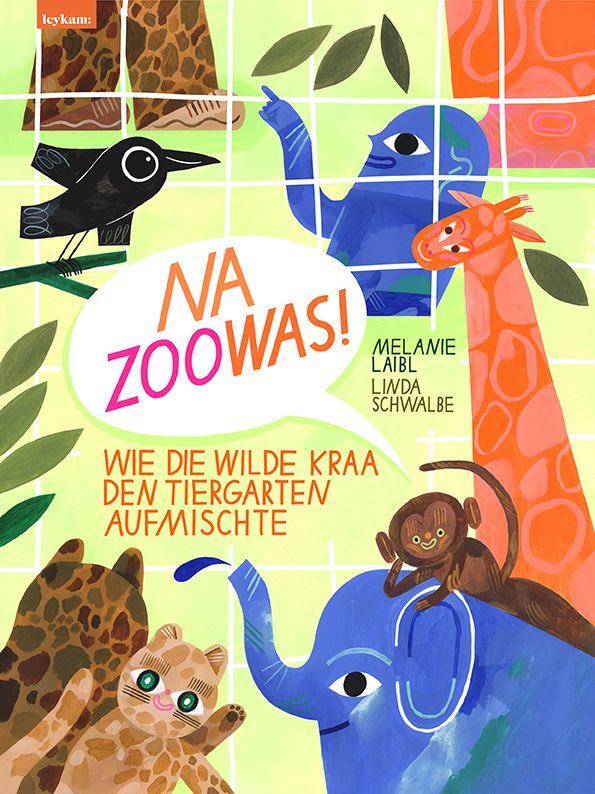
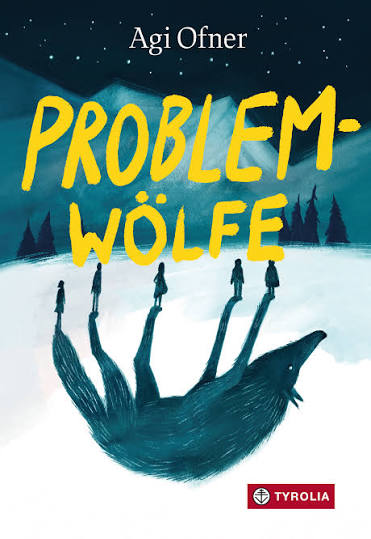
Laibl and Schwalbe’s picture book centres on Wild Kraa, a crow who tries to convince zoo animals to leave their enclosures, using their responses to explore questions of freedom and what people or animals may be willing to exchange for security and comfort. “Problem Wolves,” meanwhile, depicts a community divided over the return of a wolf and plans to build a hotel in an undeveloped area, addressing environmental protection, competing interests, compromise, and democracy.
The White Ravens is the International Youth Library’s most important annual publication and aims to promote quality in children’s book publishing while drawing international attention to noteworthy titles. Some of the selected books will be presented at the Frankfurt Book Fair, while all 216 titles are set to be displayed at the International Youth Library’s stand at the Bologna Children’s Book Fair in 2027.
As reported earlier, Ukrainian books have appeared in The White Ravens for more than two decades. As reported earlier, the first Ukrainian-language book to enter the catalogue was “The Mitten,” published by A-ba-ba-ha-la-ma-ha and illustrated by Volodymyr Holozubiv, in 2001.
Images: photos from publishers
Читомо» — це медіа про книжки й літературу, що підтримувало українське книговидання задовго до того, як це стало трендом. Ставайте частиною історії — доєднуйтеся до Клубу Читомо!
the more you read, the greater the possibilities
56
children literature
Children’s book print volume in Estonia falls by more than a fifth in 2025
24.08.2026 -
128
children
French children and teens spend 10 times more time on screens than reading books, CNL study finds
08.07.2026 -