* ESC - close the search window
English translations
English-language books are making some Latvian translations unviable, says Latvia’s largest publisher
30.09.2026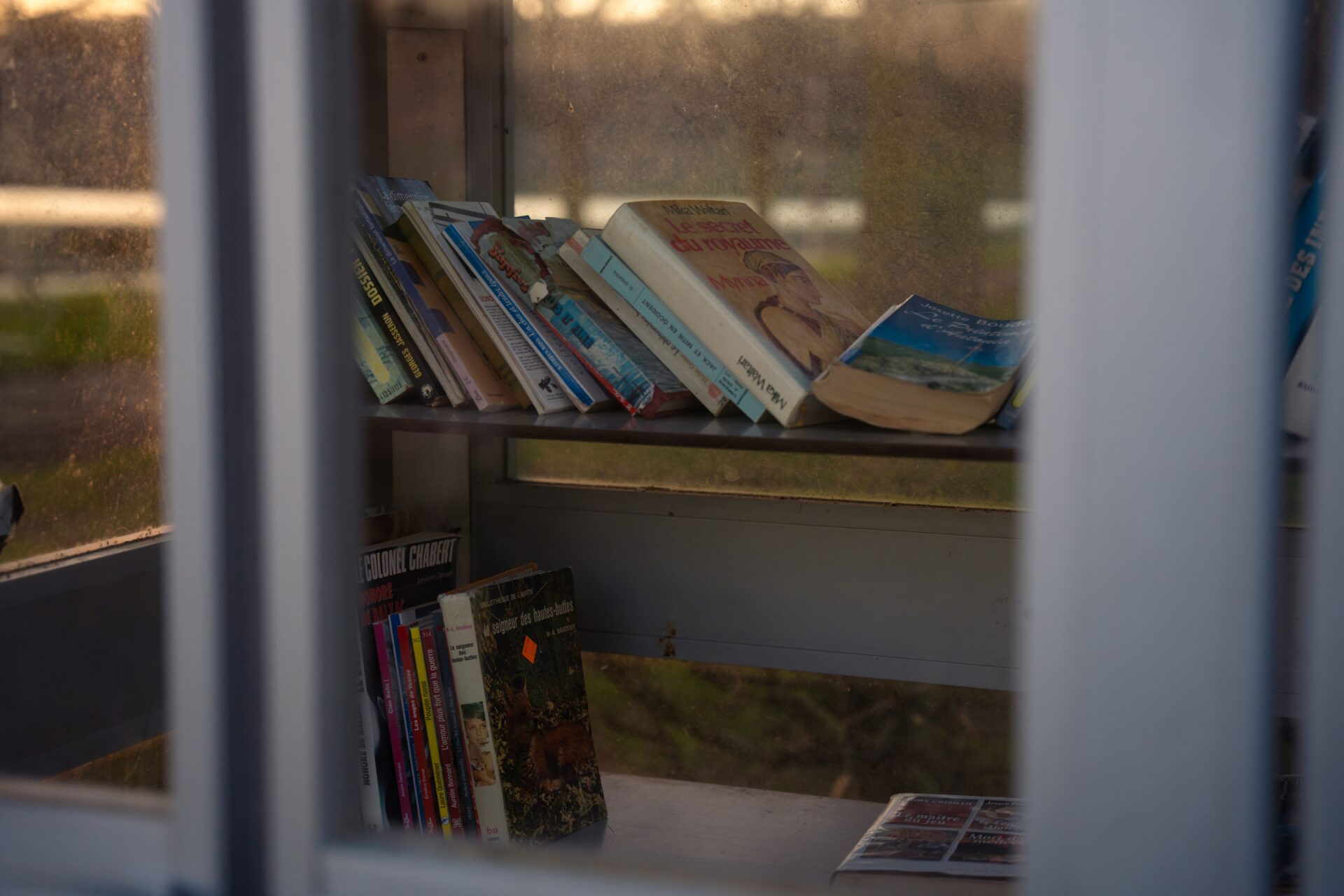
Growing demand for books in English is making some Latvian-language translations commercially unviable, particularly when readers move on to English editions rather than wait for later volumes in a series to be translated, Vija Kilbloka, chair of the board of Zvaigzne ABC, told Latvian Public Media (LSM).
In 2025, Zvaigzne ABC accounted for 17% of all book titles published in Latvia and 31% of the country’s total book print run, according to Latvia’s Ministry of Culture. It had the highest share among Latvian publishers by both measures that year.
Kilbloka said Zvaigzne ABC continues to publish a large number of books, but in smaller print runs. She identified around 300 copies as a critical threshold: if the expected print run falls below that level, translating and publishing a title in Latvian may no longer make economic sense. In such cases, the publisher may opt for an electronic edition or decide not to translate the book.

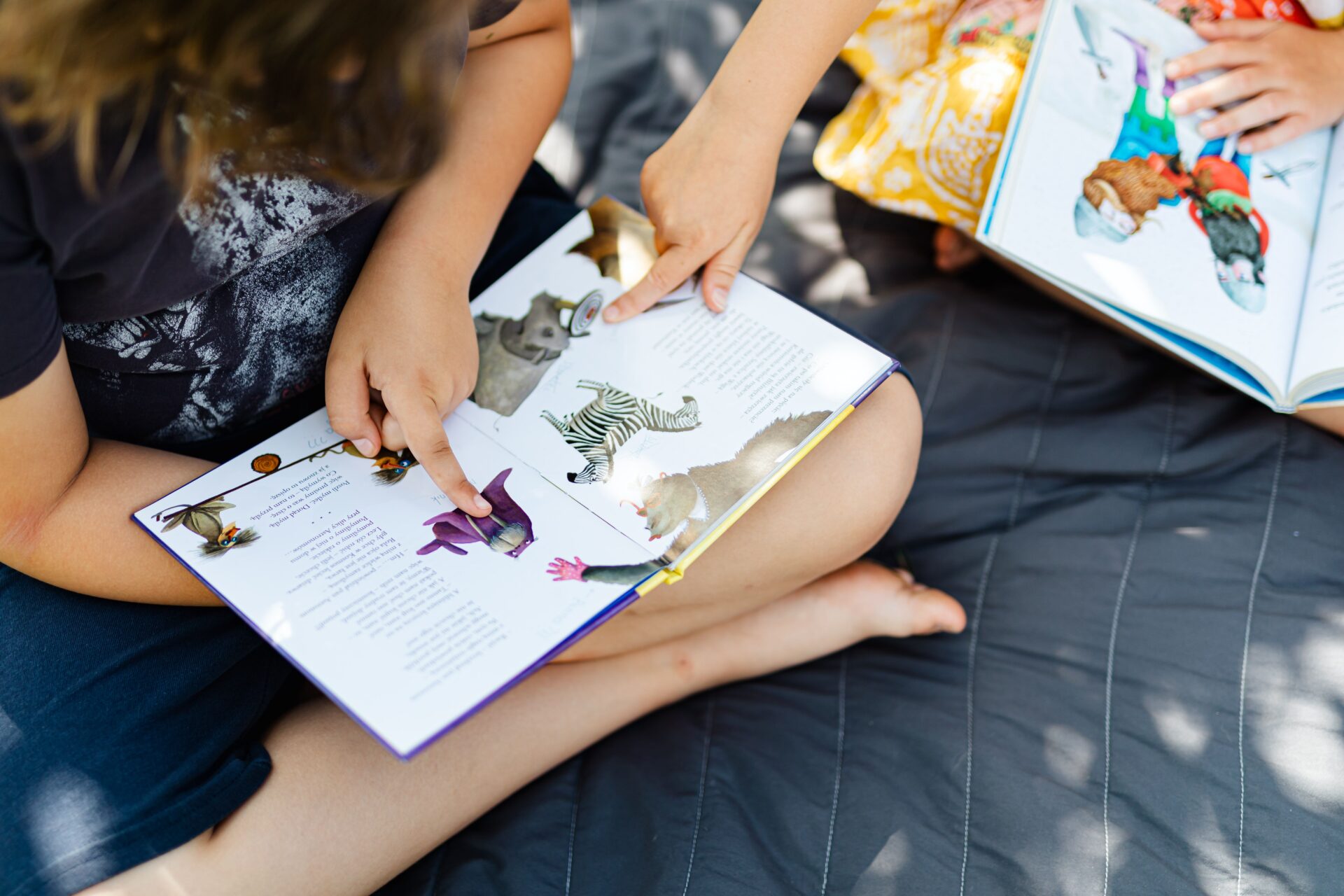
Photo: jauns.lv
The problem is particularly acute for book series. According to Kilbloka, readers may buy the first volume in Latvian but move on to later installments in English before translations become available. As a result, subsequent Latvian editions can become unprofitable, sometimes leading the publisher to discontinue a series despite having already acquired rights to several books.
Kilbloka said the shift is especially visible among younger readers. She cited Latvian-speaking customers requesting children’s books, including titles from Dav Pilkey’s “Dog Man” series, specifically in English.

Photo: Fandom
Her observations reflect Zvaigzne ABC’s experience rather than the findings of a market-wide study comparing sales of English-language editions with Latvian translations. Official publishing statistics continue to show Latvian as dominant in domestic book production: 78% of the books published in Latvia in 2025 were in Latvian, accounting for 92% of the country’s total book print run.
Kilbloka also said the preference for English should not be attributed to poor translation quality. She named Silvija Brice, Māra Poļakova, Dace Deniņa, and Dace Meiere among Latvia’s leading literary translators, while noting that the pool of highly skilled translators is limited and lacks sufficient generational renewal. Latvia’s Ministry of Culture has separately identified a shortage of younger translators, literary and academic editors, and proofreaders as one of the sector’s long-term challenges.
At the same time, demand for Latvian-language books has not weakened across the board. Kilbloka said Zvaigzne ABC recently ordered 10,000 copies of Lelde Kovaļova’s “Maksas sērotāji” — the publisher’s first print run of that size since 1992 or 1993. She attributed the strong demand in part to the author’s established readership and public presence.

Photo: LSM.lv
As reported earlier, the 2026 Latvian Literature Award recognized Māra Poļakova, Māris Salējs, Jānis Elsbergs, Ingmāra Balode, and Arvis Viguls for their Latvian translation of Ostap Slyvynsky’s “Winter King and Other Poems.” Poļakova also received the award for best prose translation into Latvian for Maik Yohansen’s “Dr. Leonardo’s Journey to Sloboda Switzerland with his Future Lover, the Beautiful Alcesta.”
Main image: pexels
Читомо» — це медіа про книжки й літературу, що підтримувало українське книговидання задовго до того, як це стало трендом. Ставайте частиною історії — доєднуйтеся до Клубу Читомо!
the more you read, the greater the possibilities