* ESC - close the search window
Germany
Germany to close Berlin’s Russian House after years of propaganda and espionage concerns
08.09.2026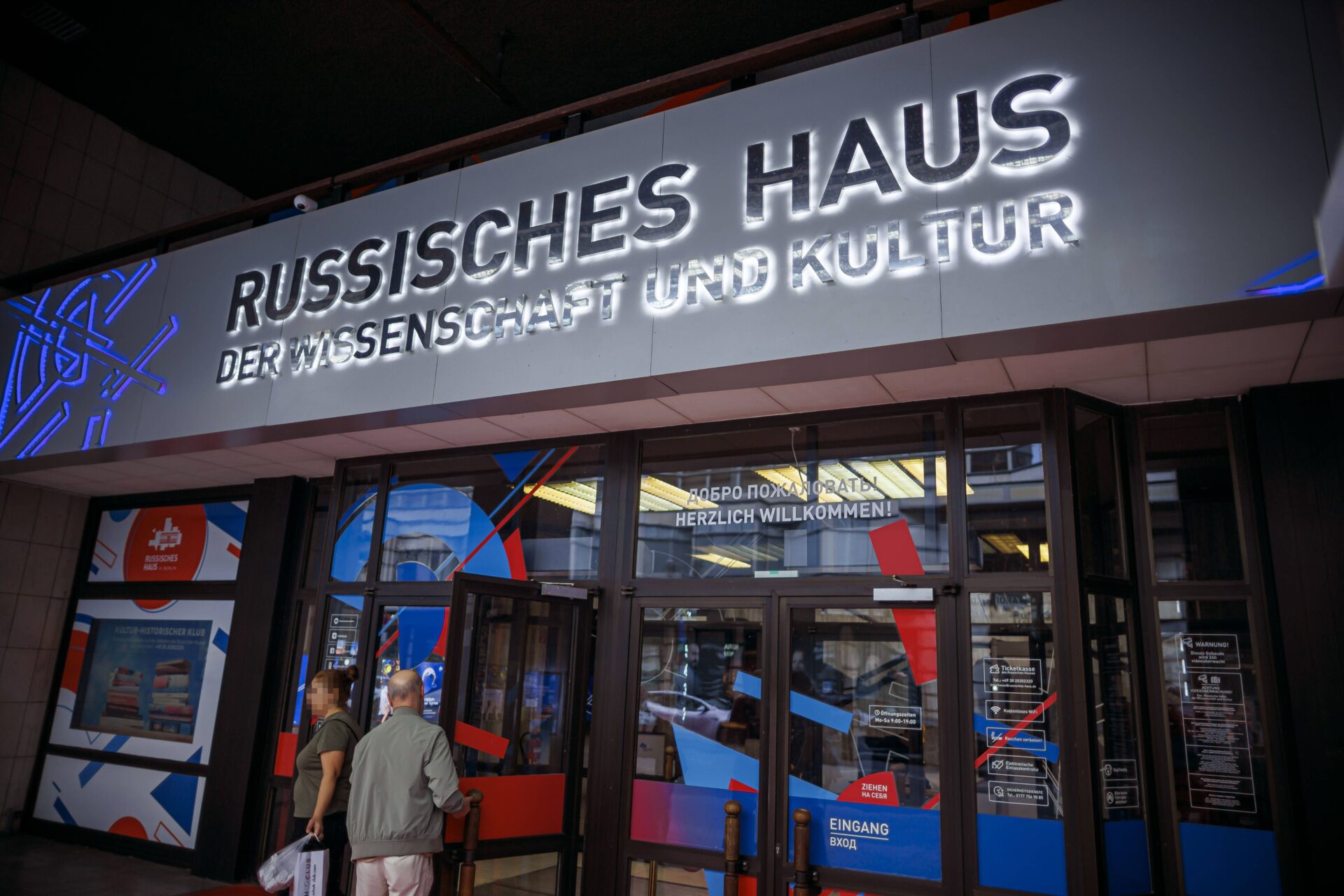

You see an error in the text - select the fragment and press Ctrl + Enter
Germany will close the Russian House cultural center on Friedrichstrasse in Berlin, ending the operation of one of Russia’s most prominent state-backed cultural institutions abroad.
German Foreign Minister Johann Wadephul announced the decision alongside Interior Minister Alexander Dobrindt following an attempted drone sabotage operation at Leipzig/Halle Airport. Germany attributed the incident to Russia based on the police investigation, similarities with previously identified Russian operations, and intelligence assessments. The closure is set to take effect on June 7, 2027. Moscow has denied responsibility.
The Russian House is a cultural and information center operated through Rossotrudnichestvo, a Russian state agency under EU sanctions since 2022. Opened in 1984, it describes itself as Russia’s largest cultural institution abroad and says it receives nearly 200,000 visitors annually. Its programs include Russian-language courses, art classes, film screenings, concerts, exhibitions, lectures, and activities aimed at maintaining ties with Germany’s Russian-speaking community.
Despite EU sanctions against Rossotrudnichestvo, the center remained open for years. One reason was the diplomatic status of its leadership, while German authorities also feared that terminating the 2011 bilateral arrangement could lead to the closure of Goethe-Institut branches in Moscow and St. Petersburg.
Ukrainian activists in Germany had repeatedly called for the center to be shut down. The Berlin-based organization Vitsche organized a march demanding an end to German public funding connected to the institution. According to Vitsche, around 70,000 euros from the German budget were spent annually on maintaining the center.
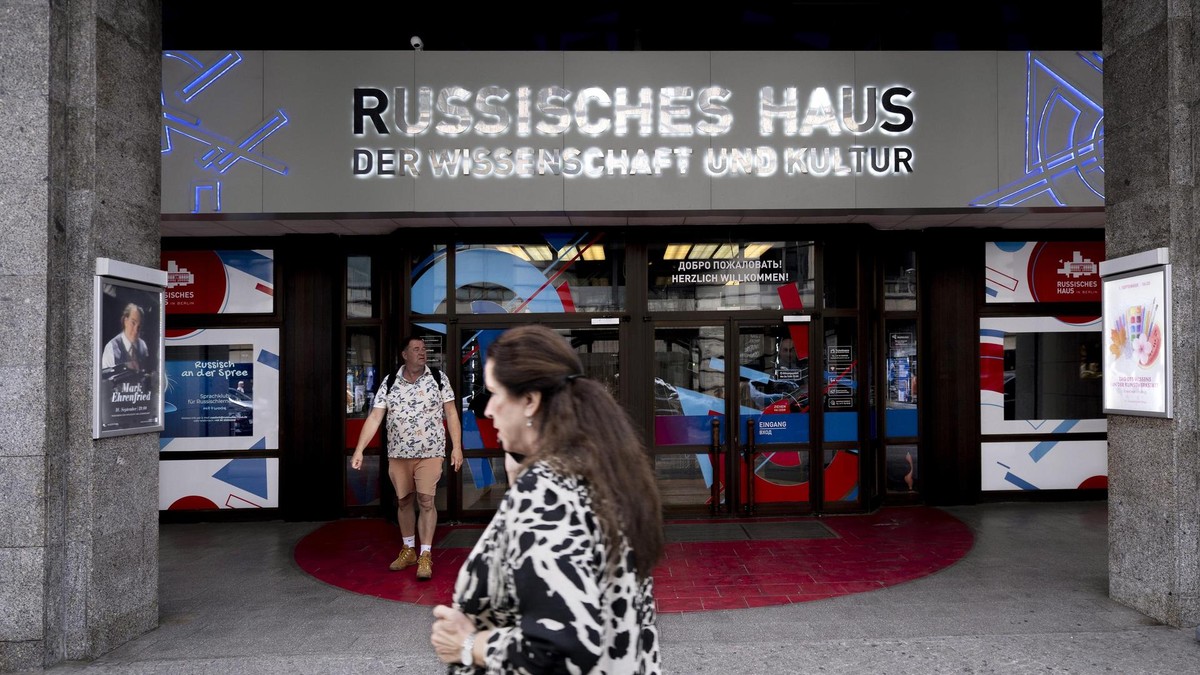
German lawmaker Roderich Kiesewetter had also argued that Russia’s cultural diplomacy formed part of a broader hybrid strategy. He described Russian cultural institutions in Germany as instruments of foreign policy and “weapons” in hybrid warfare against democratic countries.
Propaganda under the cover of culture
Concerns over the Russian House extended beyond its formal ties to the Russian state.
In April 2022, the Russian-language music station Russkiy Berlin, which rented space at the center, was pushed out after airing an interview with a Meduza journalist who criticized Vladimir Putin’s regime and the actions of the Russian military in Ukraine.
Later that year, the center screened the RT-produced film “The Holocaust: Threads of Memory,” which promoted a narrative portraying Ukrainians as “Nazis.”
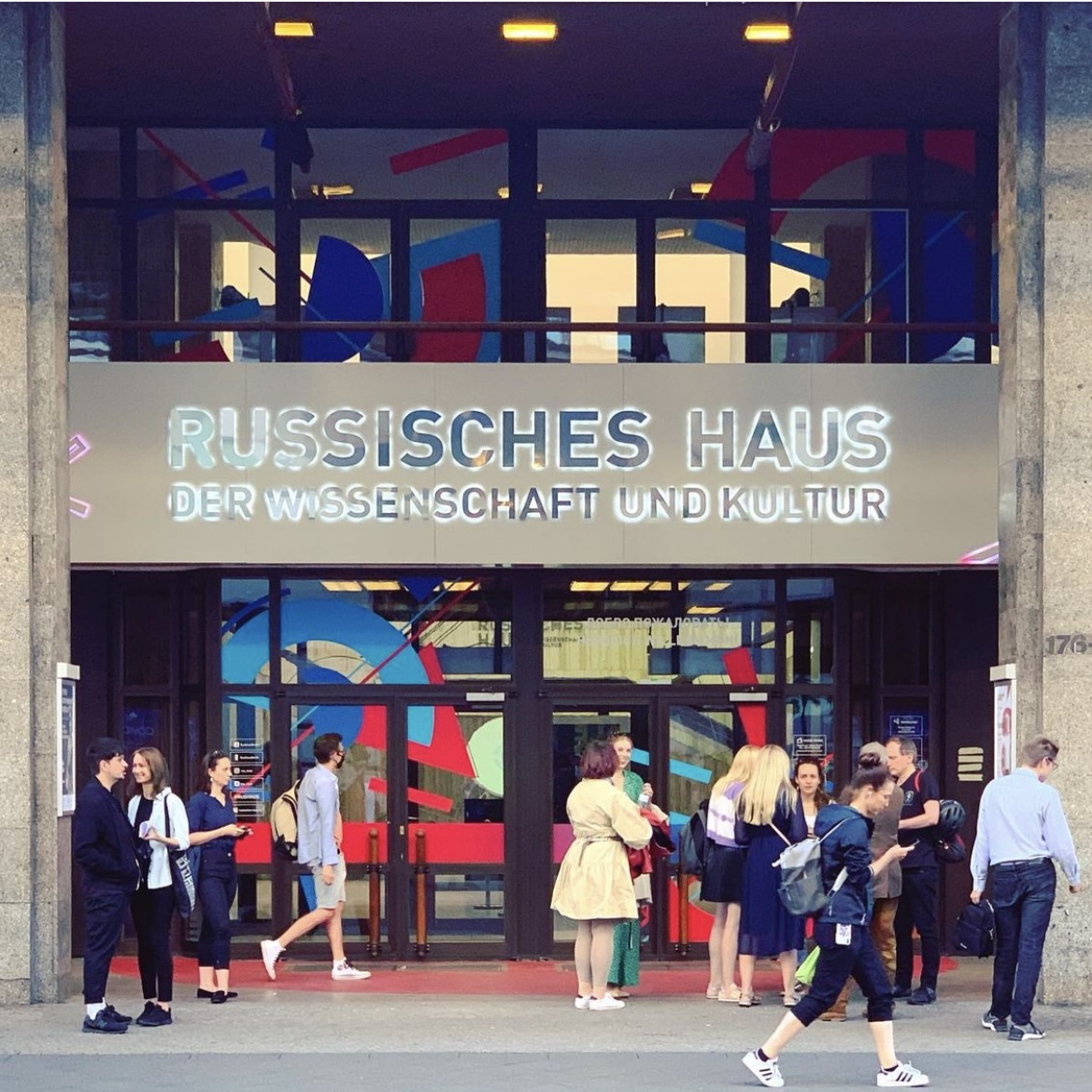
At the end of 2023, the Russian-language bookstore Mnogoknig opened inside the Russian House. The bookstore offered books associated with “Russian world” propaganda, including works by pro-Russian authors and publications that justified Russia’s war against Ukraine. Journalists also documented items shaped like grenades, tanks, and firearms among the products displayed there.
The center had also faced intelligence-related allegations before the Leipzig/Halle Airport incident. A French Interior Ministry document cited by Euronews stated that the Russian House had been used as cover for Russian intelligence services. German politicians separately raised concerns about unusual radio and GPS signals associated with the building. These claims remain allegations rather than court-established findings.
Why the closure matters
Germany was among the last major European countries to keep a Russian House operating. Moldova, Azerbaijan, the United Kingdom, Denmark, and Poland had already taken action against comparable Russian cultural centers.
The decision also comes amid broader efforts in the Baltic and European cultural sectors to limit the use of culture as a channel for Russian state influence. As reported earlier, Lithuania proposed expanding sanctions in July 2026 to include Russian and Belarusian cultural, educational, scientific, and arts figures who support Russia’s war against Ukraine. Lithuanian authorities said the measures were intended to prevent cultural and public events from being used to spread propaganda, distort history, influence society, or turn culture into a political instrument.
Latvia, meanwhile, approved a national ban on imports of certain goods from Russia and Belarus, explicitly including books and newspapers, and has also blocked websites that its media regulator said were spreading pro-Russian propaganda.
The Berlin case also fits a broader pattern documented by Ukrainian cultural institutions since the beginning of Russia’s full-scale invasion. In 2022, the Ukrainian Institute called on international partners to suspend cooperation with Russian state-linked cultural organizations, arguing that such institutions had long been used for imperial propaganda, hybrid warfare, and the legitimization of the Kremlin’s policies abroad.
The Ukrainian Book Institute likewise called for a boycott of Russian cultural products and institutions, warning that state-supported books and cultural platforms could be used to spread Russian narratives internationally.
Chytomo has also documented how Russian cultural institutions inside Russia and in occupied Ukrainian territories have been used to spread state narratives, justify the war, and reshape historical memory.
The closure of the Russian House removes a major Russian state-backed cultural platform from central Berlin after years of criticism over propaganda activity and suspected intelligence use.
Main image: Wikipedia
Читомо» — це медіа про книжки й літературу, що підтримувало українське книговидання задовго до того, як це стало трендом. Ставайте частиною історії — доєднуйтеся до Клубу Читомо!
the more you read, the greater the possibilities

1362
German Bookshop Award
German Culture Minister cancels award ceremony following scandal over bookstore exclusions
17.03.2026 -
369
2025 Leipzig Book Fair
2025 Leipzig Book Fair: Sensitive readers and challenging questions
18.04.2025 - Victoria Feshchuk