* ESC - close the search window
2026 Frankfurt Book Fair
Frankfurt Book Fair 2026 draws 236,000 visitors from 137 countries
20.10.2026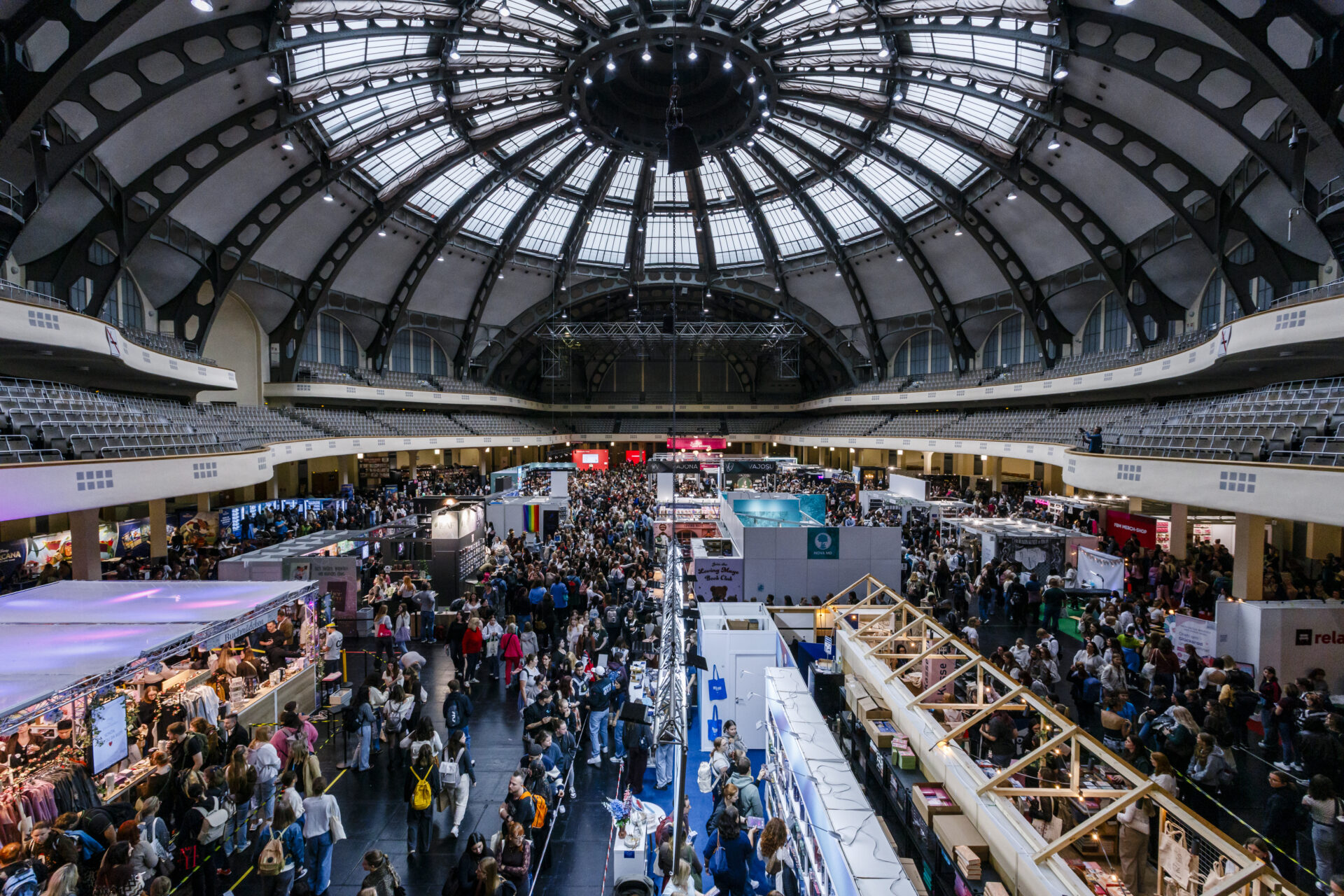
Publishing professionals from 16 countries not represented at last year’s Frankfurt Book Fair, including Greenland, Namibia, Guatemala, and Eritrea, attended the 2026 edition, which drew 236,000 visitors from 137 countries — 2,000 fewer than in 2025. The figures were released in the fair’s official closing report.
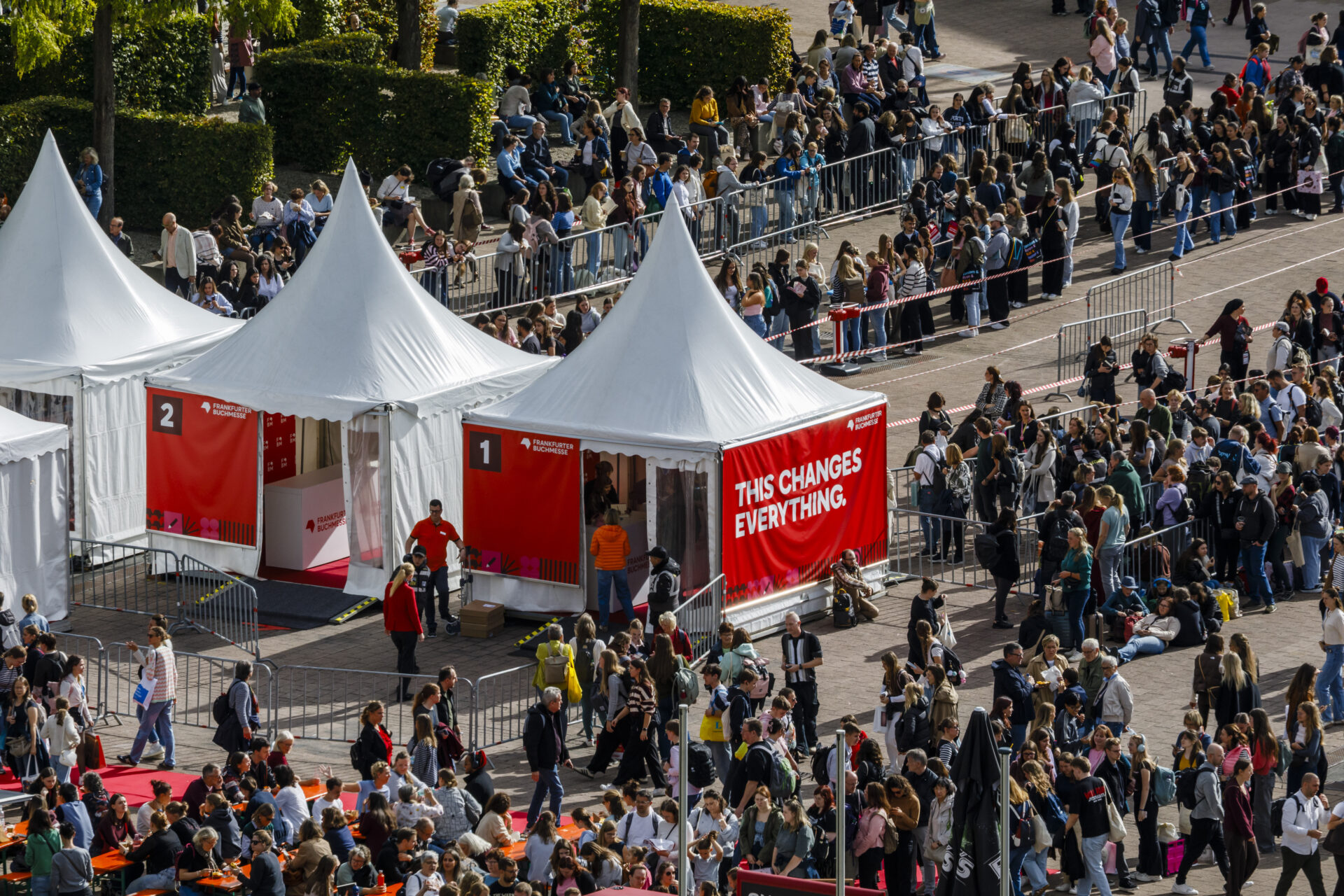
The 78th edition of the fair took place from Oct. 7–11, welcoming 119,000 trade visitors and 117,000 members of the public. Organizers said attendance remained close to the previous year’s level of 238,000 visitors.
Other countries represented among publishing professionals that had not been represented in 2025 included Belize, Bermuda, Botswana, Cabo Verde, the Central African Republic, Equatorial Guinea, Eswatini, Guinea, Senegal, St. Vincent and the Grenadines, Togo, and the Turks and Caicos Islands.
The fair featured 4,000 exhibitors, compared with 4,350 in 2025. Meanwhile, the number of events increased from 3,500 to more than 3,800, held both at the exhibition grounds and across Frankfurt.
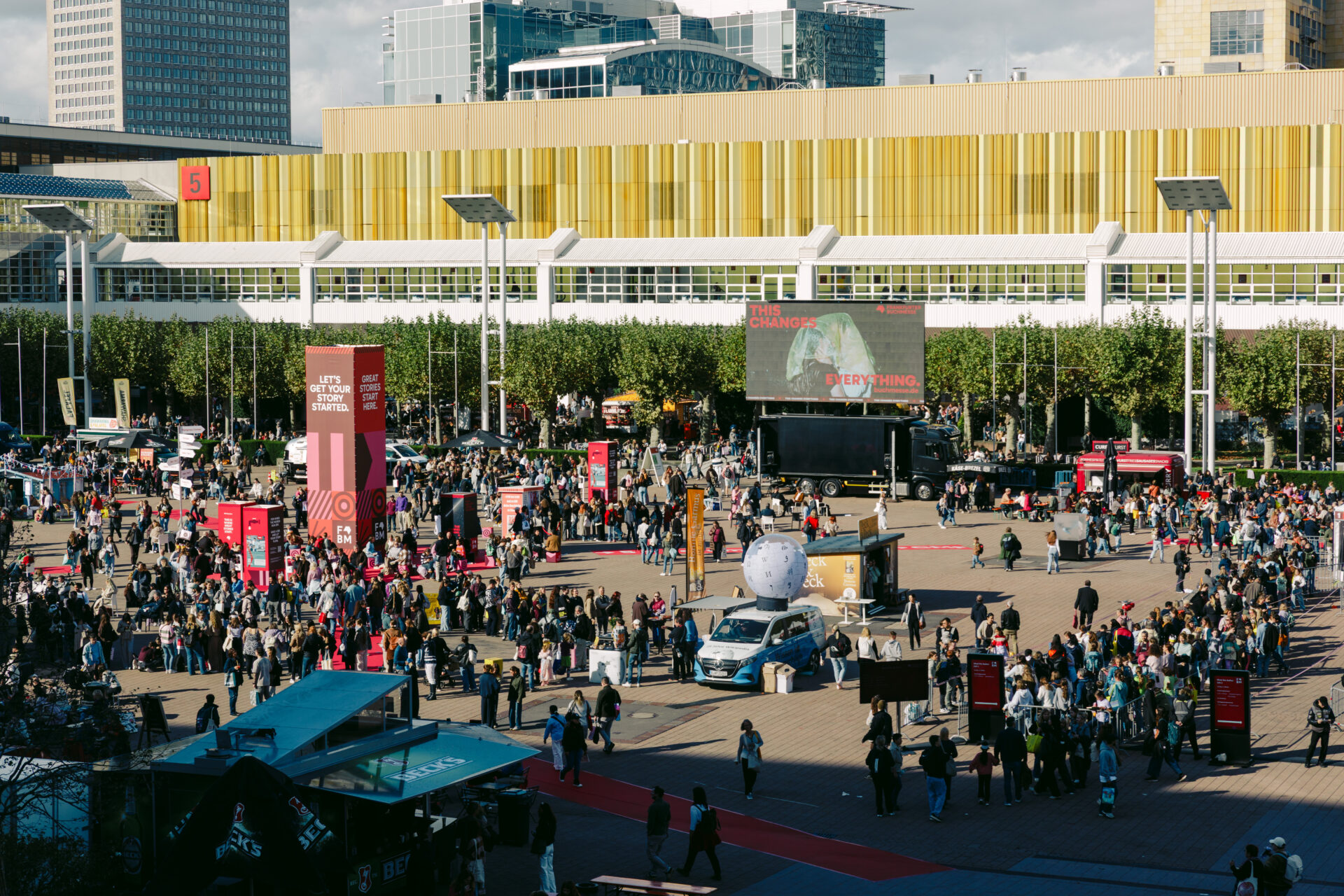
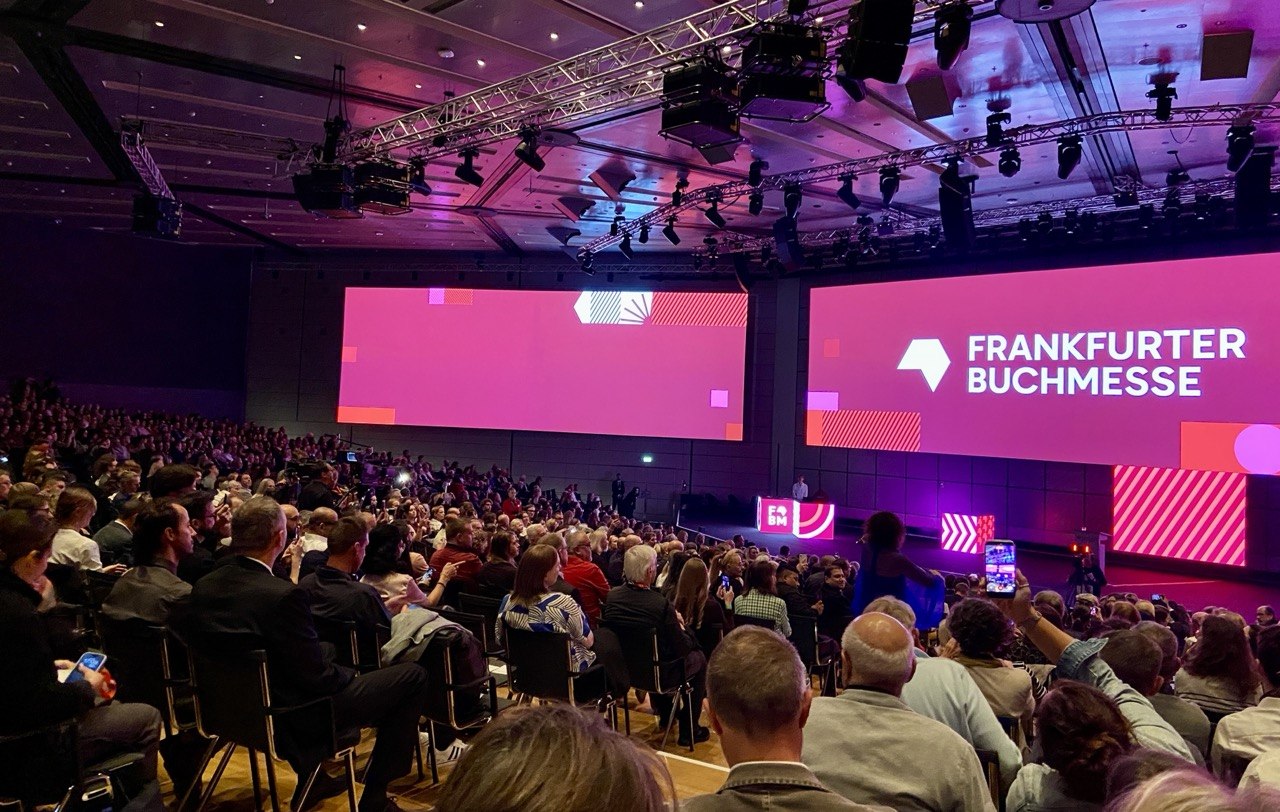
Frankfurt Book Fair Director Juergen Boos said the event demonstrated how the future of publishing was being shaped through rights negotiations, debates over artificial intelligence and freedom of publishing, and exchanges with readers.
“This fair has shown that the future of books is being shaped in several places at once: at the tables of rights agents, in the debate over AI and freedom of publishing, and in direct interactions with readers. Frankfurt brings these places together. This is where the industry comes together for business, discusses the conditions determining its future, and celebrates literature together with readers,” Boos said.
The 2026 edition was Boos’s last as director after more than two decades in the position. He will be succeeded by Joachim Kaufmann, who previously headed German publishing house Carlsen.
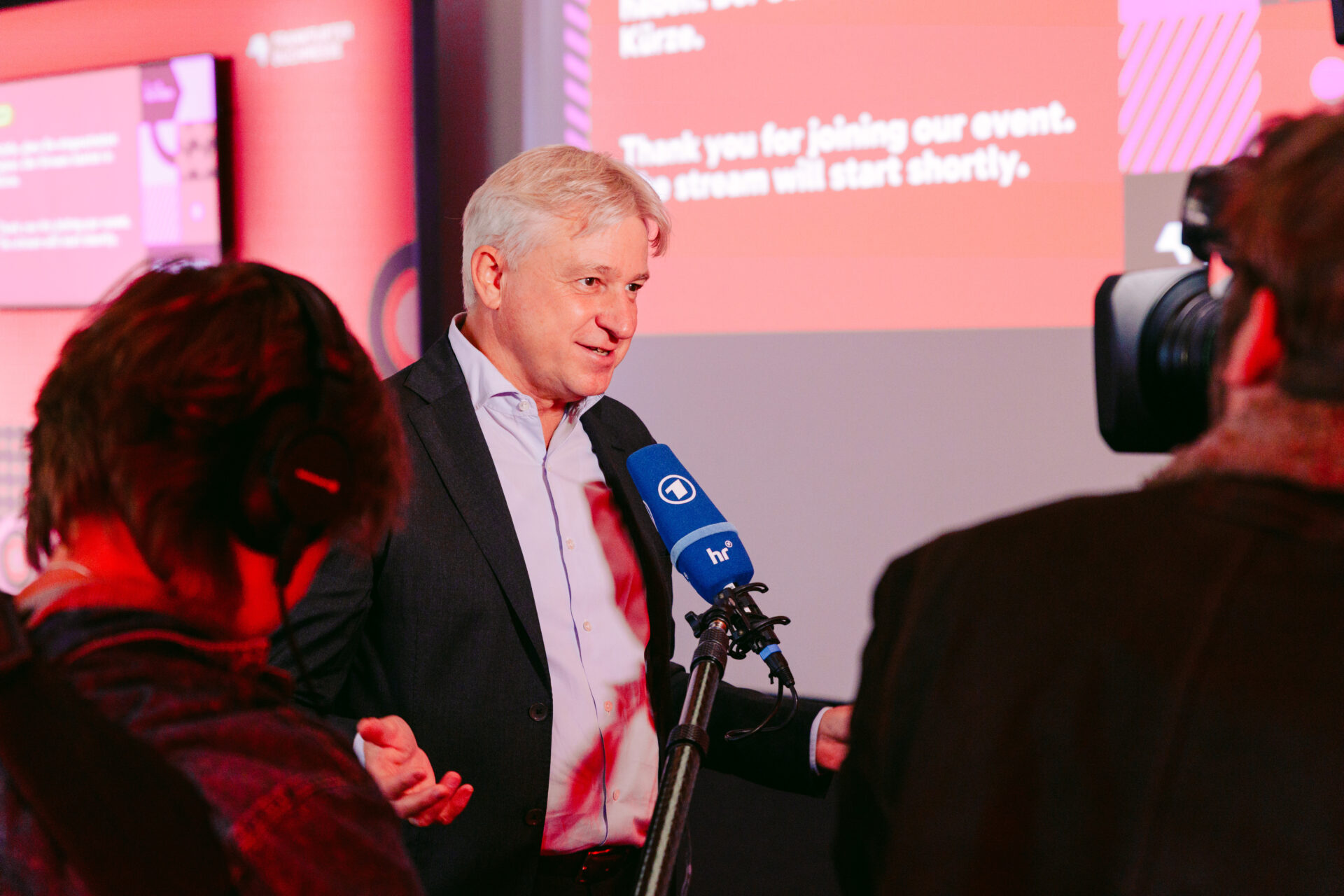
Sebastian Guggolz, chairman of the German Publishers and Booksellers Association, also welcomed the fair’s results while highlighting challenges facing the industry.
“Frankfurter Buchmesse is the place where the industry addresses important issues across exhibition halls and national borders. We are all concerned about the declining reading skills among young people and the impact of AI on the industry. However, the continued high level of public attention and the enormous interest shown by many visitors at the book fair in Frankfurt allow us to look to the future with confidence, despite all the economic challenges,” Guggolz said.
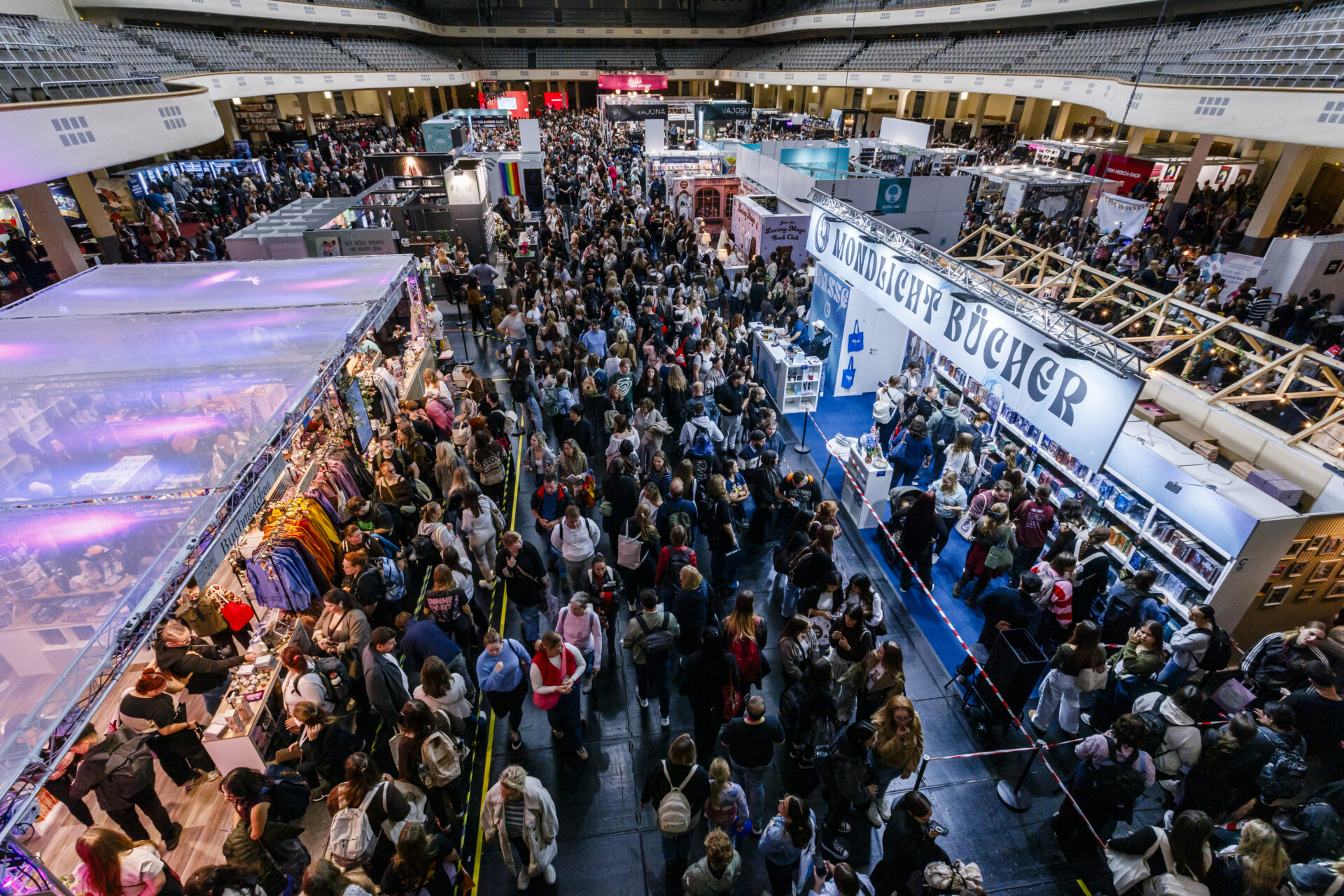
This year, organizers introduced a new exhibition hall layout, which received positive feedback from exhibitors and visitors. Publishers focused on business meetings were located on the upper floors, while those catering primarily to readers occupied the ground floors.
“More space, less congestion: Frankfurter Buchmesse retains its importance as a trade fair. At the same time, it takes a huge step towards becoming a literary festival. The days for the public felt noticeably more relaxed – lively, but not overcrowded,” said Jo Lendle, publisher at German publishing house Carl Hanser.
Anna Soler-Pont of Spain’s Pontas Agency also praised the Literary Agents and Scouts Centre, although she noted the challenges of moving between appointments.
“Although many editors had to run back and forth a lot, and the short time between appointments was a challenge, this year’s LitAg was fantastic. And for me, it was one of the best venues ever,” she said.
Frankfurt Audio, the fair’s dedicated audiobook area, attracted more exhibitors than in previous years. Spotify announced plans to expand its audiobook service into 180 new markets, while Audible presented a survey of 18,000 customers across 11 markets, showing longer listening times and a growing audiobook audience.
The programme also highlighted the role of audiobooks in preserving linguistic diversity.
“In Brazil, 220 million people speak the same language: Portuguese. But we also have 295 indigenous languages, many of which people know nothing about. We need to give indigenous cultures a voice so they can speak for themselves about their cultures,” said Henrique Lian, CEO of Proteste/Euroconsumers Brasil.
A separate Book-to-Screen Day brought together publishers, literary agents, producers, and filmmakers to discuss adaptations and screen rights.
German director Volker Schlöndorff, producer Regina Ziegler, and International Booker Prize-winning author Jenny Erpenbeck discussed the film adaptation of Erpenbeck’s novel “Visitation” (“Heimsuchung”). The Netflix adaptation of German author Melanie Raabe’s novel “The Trap” (“Die Falle”) was also highlighted as an example of how screen adaptations can introduce books to new audiences.
The Frankfurt Calling programme addressed freedom of expression, democracy, international law, and the future of publishing. It featured 125 events at 14 venues, with participants including US historian Jill Lepore, Franco-British lawyer and author Philippe Sands, and UN Under-Secretary-General for Global Communications Melissa Fleming.
Sands received the 2026 Peace Prize of the German Book Trade on the fair’s final day. The International Publishers Association also presented its inaugural Freedom of Expression Defenders Award to the US-based Media Coalition, which has defended freedom of expression since 1973.
Czechia, the fair’s 2026 Guest of Honour, presented more than 100 events under the theme “A Country on the Coast.” Its delegation included 75 authors, among them Radka Denemarková, Marie Iljašenko, Dora Kaprálová, Jáchym Topol, and Kateřina Tučková.
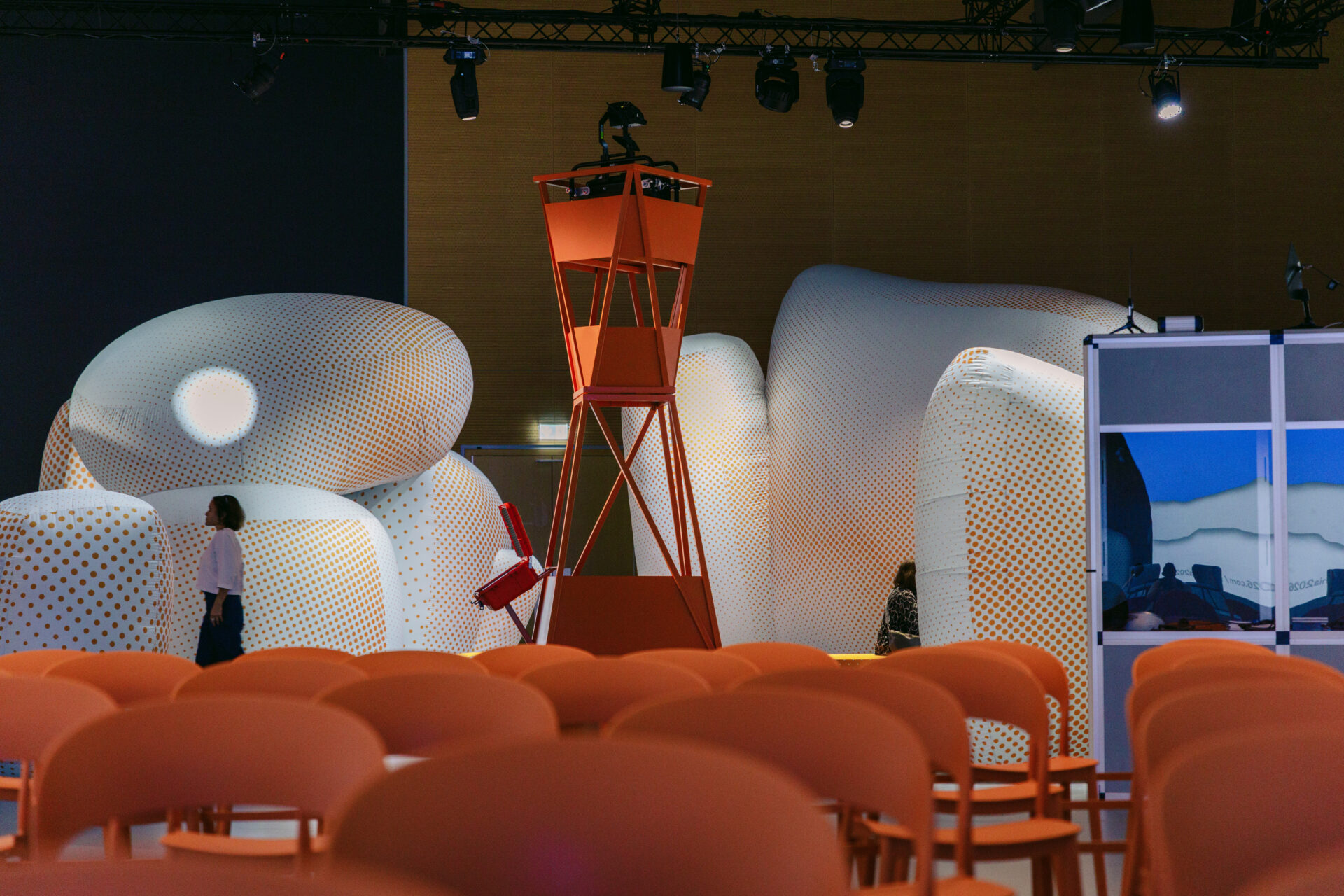
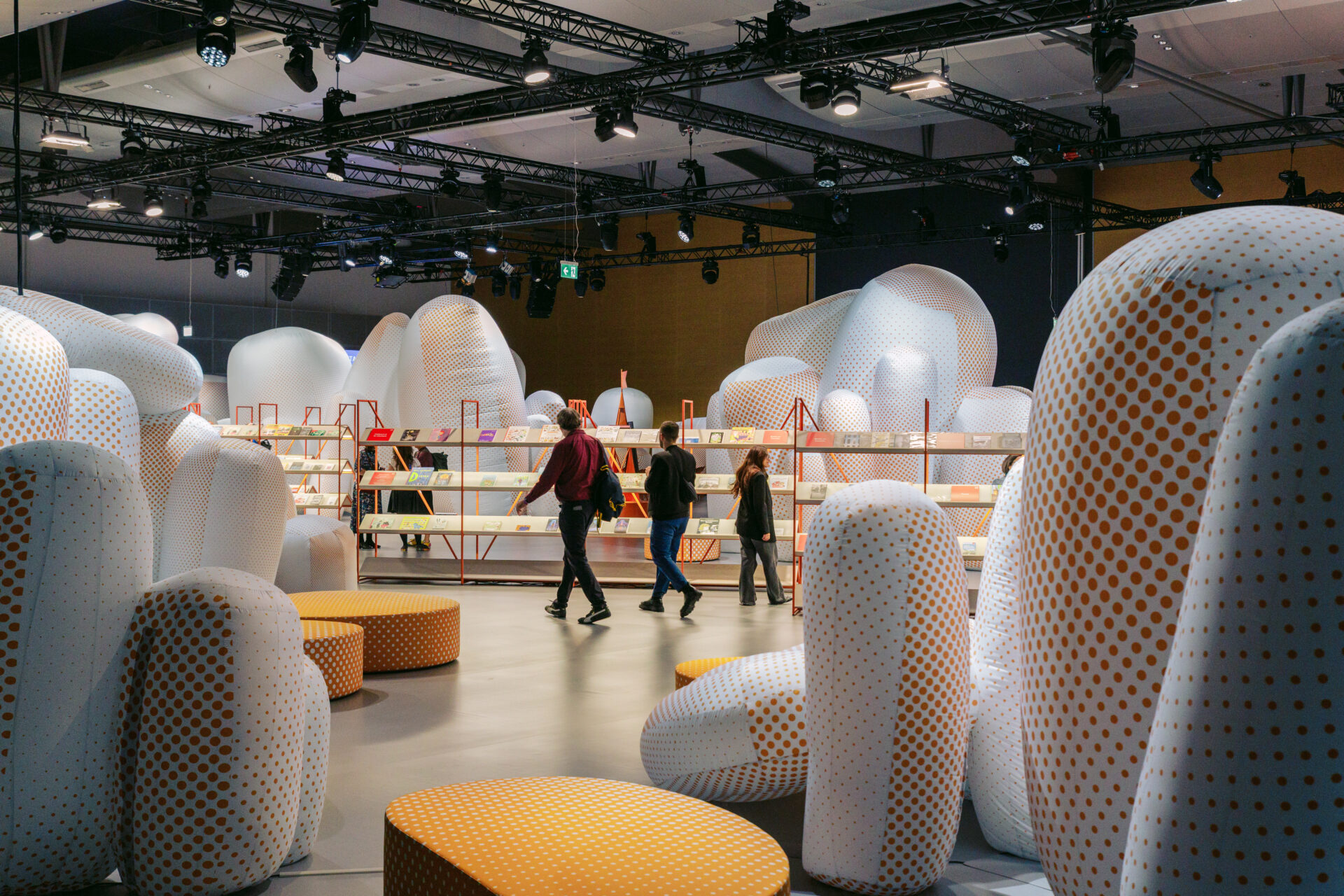
The 2,300-square-metre Czech pavilion reflected the coastal theme through inflatable structures, an interactive lighthouse, and buoys that introduced visitors to Czech literature with the assistance of artificial intelligence. Artworks were also created on-site with robotic assistance.
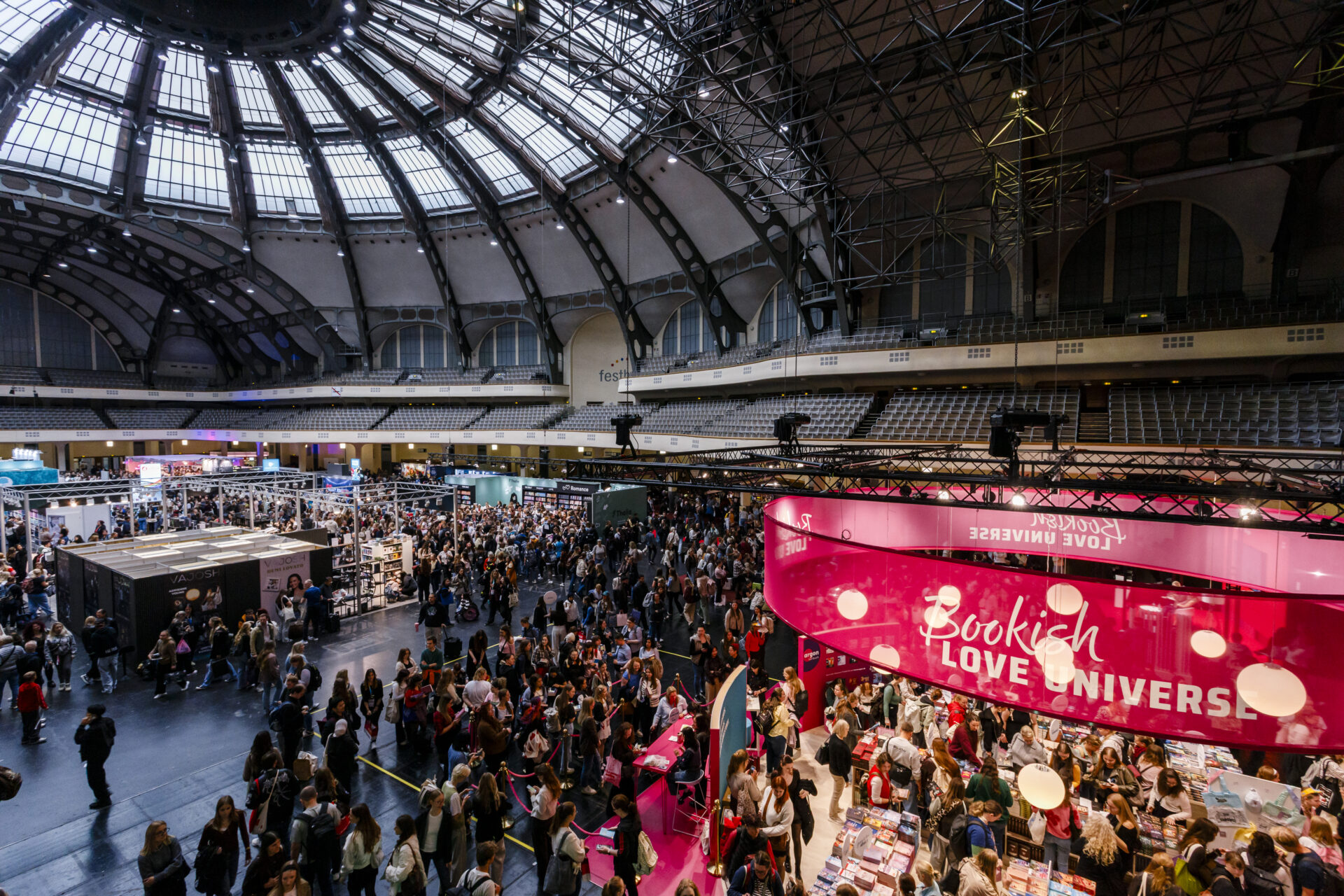
During the public days, visitors attended meetings with romance and fantasy authors, alongside programmes devoted to manga, cosplay, and K-pop. The fair also introduced its first Matsuri Stage, dedicated to Asian popular culture.
Among the participating writers and public figures were American author Colson Whitehead, Taiwanese writer Yang Shuang-zi, Jenny Erpenbeck, German politician Robert Habeck, German author Cornelia Funke, and British writer Skye McKenna.
The 79th Frankfurt Book Fair will take place from Oct. 6–10, 2027, with Chile as Guest of Honour.
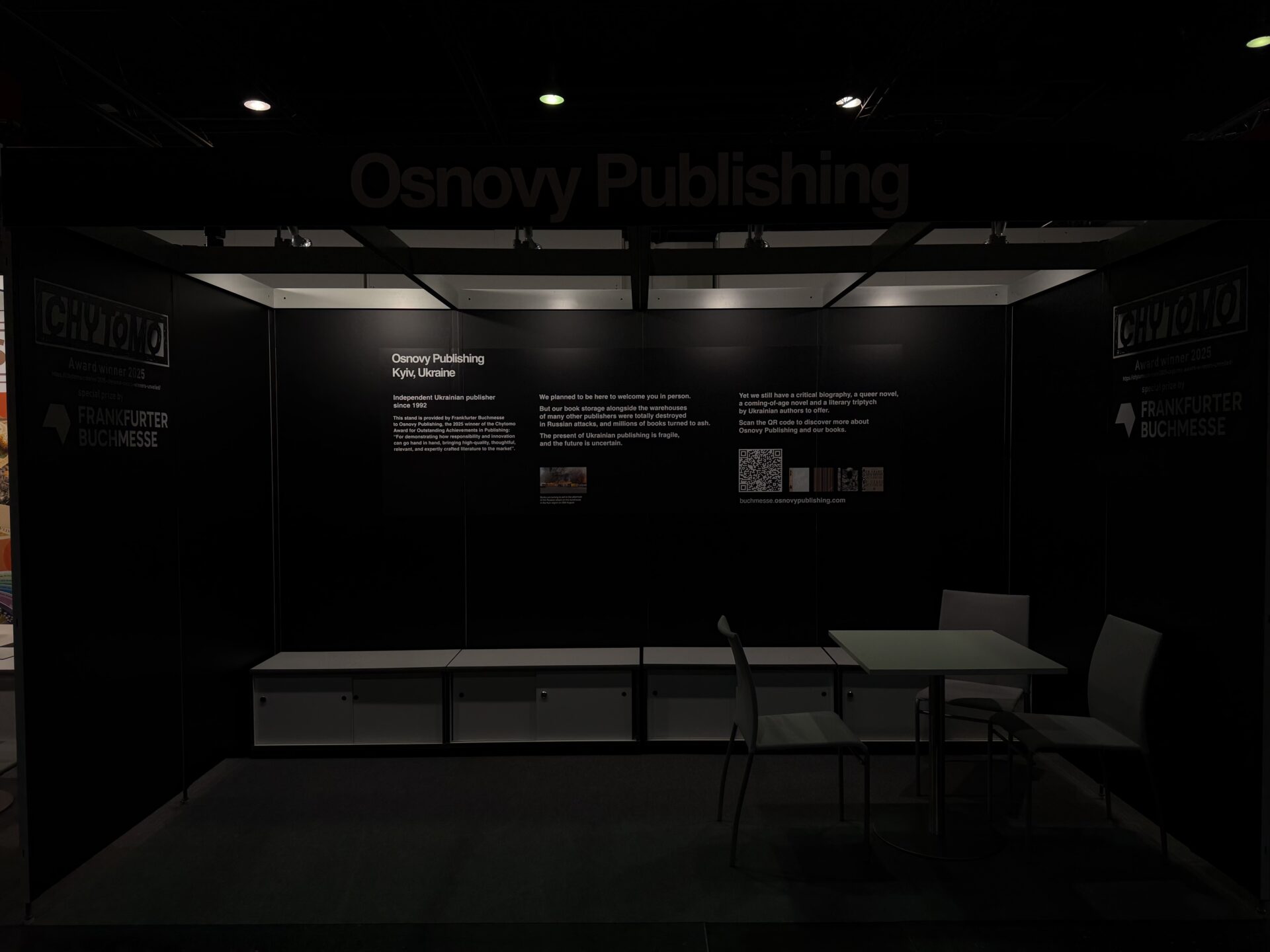
As reported earlier, Ukraine opened its national stand at this year’s fair, highlighting the losses suffered by the country’s publishing industry as a result of Russian attacks. Ukrainian publishing house Osnovy also presented a manifesto stand drawing attention to the destruction of Ukrainian cultural heritage.
Photos: Book Fair’s website
Читомо» — це медіа про книжки й літературу, що підтримувало українське книговидання задовго до того, як це стало трендом. Ставайте частиною історії — доєднуйтеся до Клубу Читомо!
the more you read, the greater the possibilities

123
2026 Frankfurt Book Fair
Publishers urged to join appeal for greater AI transparency
12.10.2026 -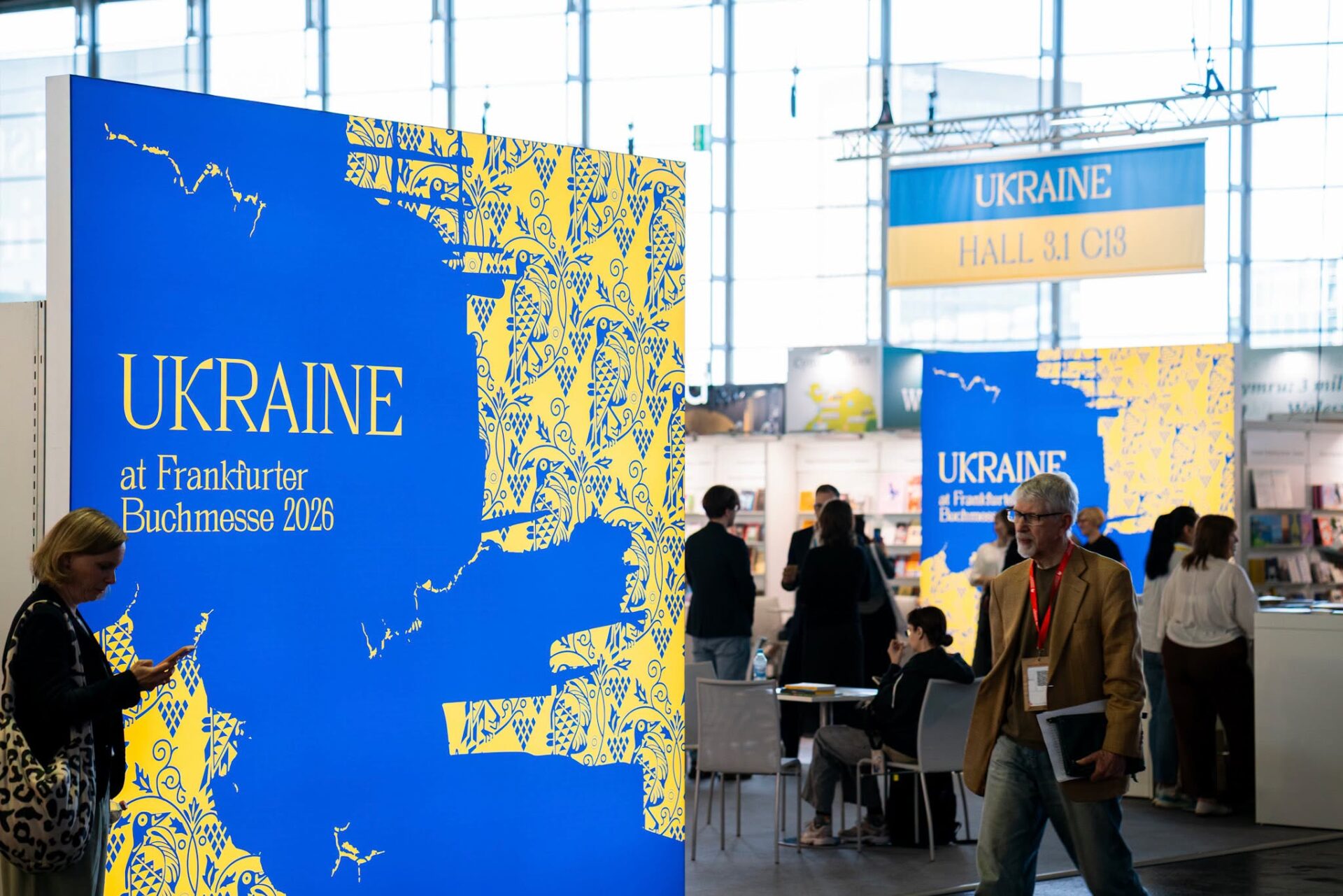
297
2026 Frankfurt Book Fair
Losses in the publishing industry, charred, and scorched books: Ukrainian national stand in Frankfurt
09.10.2026 - Chytomo