* ESC - close the search window
2026 Frankfurt Book Fair
Short form, long reach: 10 insights on short prose from Roddy Doyle, Yuliia Iliukha, Pavlo Belianskyi and Uilleam Blacker
06.11.2026

You see an error in the text - select the fragment and press Ctrl + Enter
Short prose has a paradox at its center. Critics and writers love the form, yet readers, publishers and prizes still treat it as secondary to the novel. In Ukraine, the short story has a long tradition, and since 2022 writers have turned to it with new urgency.
At this year’s Frankfurt Book Fair, Razom for Ukraine brought together three writers and a translator to ask what small forms can do and why they matter now. The panel, “Short Form, Long Reach,” was moderated by Kateryna Kazimirova, Head of Literature at Razom for Ukraine. It also marked the international launch of the Hryhir Award, a new prize for the best Ukrainian book of short prose.
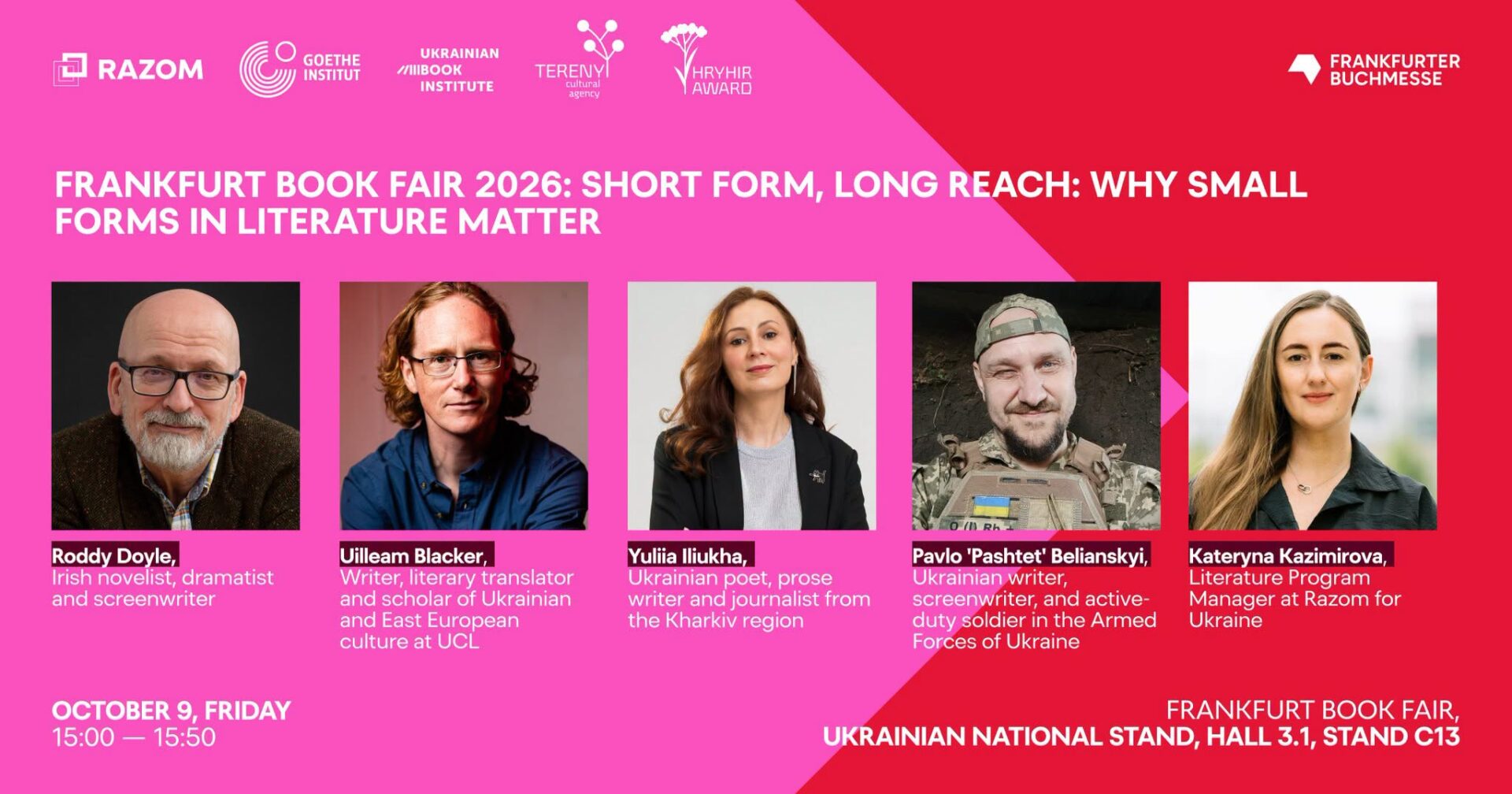
The speakers:
- Roddy Doyle, Irish novelist, author of 13 novels including “Paddy Clarke Ha Ha Ha,” winner of the 1993 Booker Prize, and Chair of the 2025 Booker Prize judges.
- Yuliia Iliukha, Ukrainian poet, prose writer and journalist, whose collection “My Women“ was BBC Ukraine Book of the Year 2024, was shortlisted for the EBRD Literature Prize 2025, and has sold in 16 territories.
- Pavlo “Pashtet” Belianskyi, Ukrainian writer, screenwriter and serving soldier, whose war novel “To Fight Cannot Retreat” (Bytys Ne Mozhna Vidstupyty) won the 2026 Shevchenko National Prize, Ukraine’s highest literary honor.
- Uilleam Blacker, Associate Professor of Ukrainian and East European Culture at University College London, a leading translator from Ukrainian, and a 2023 International Booker Prize judge.
Here are 10 things short prose can do, in their words.
1. It holds a single moment
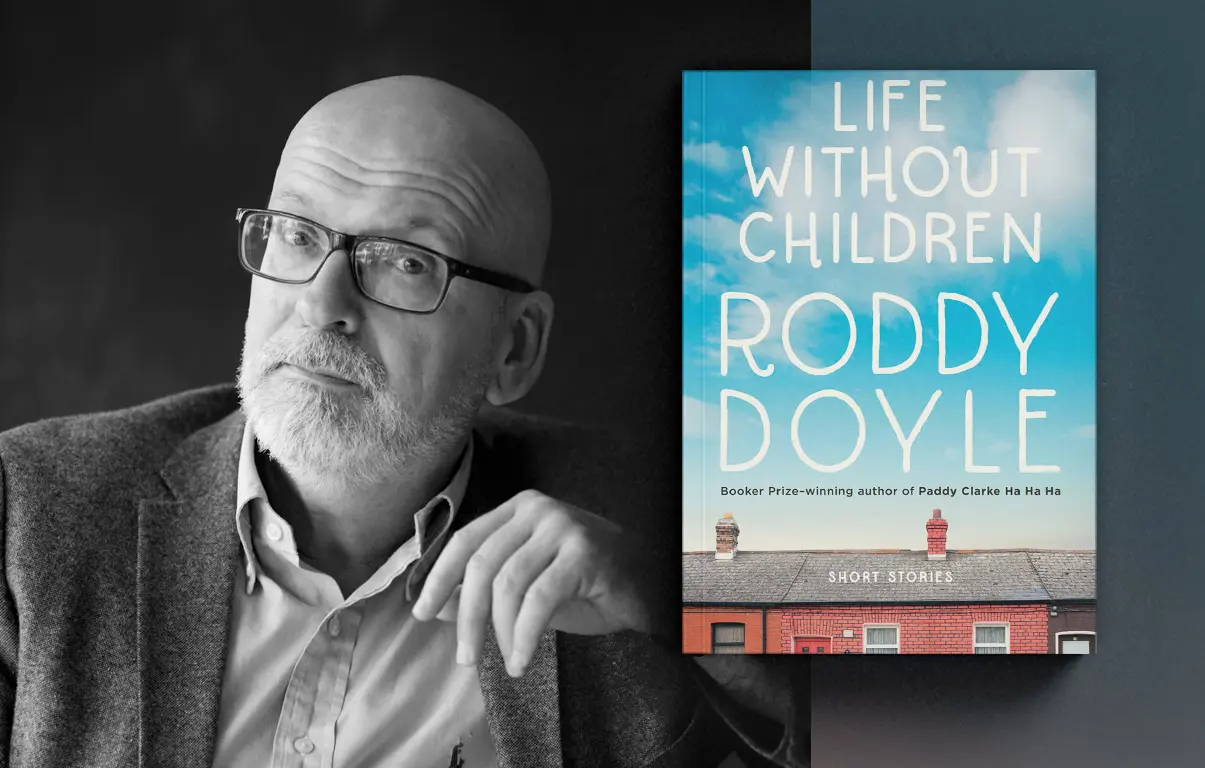
When the COVID-19 pandemic began in 2020, Roddy Doyle was in the middle of a novel while traveling. Back home in Ireland, he reread it and found it irrelevant: The present day it described no longer existed. He threw away his manuscript, the first and only time he had ever done so, and began writing short stories about moments instead. New words about vaccines. The way people walked to avoid each other. The anxiety of waiting for a family member to come back from the supermarket.
“The short story was the only way I could really express myself during that time, particularly in the first years,” Doyle says.
Only after a year and a half or two years had passed, once he knew there was an end to it, could he write a novel about the pandemic.
2. It makes every word count
Asked whether a good novelist must also be good at short stories, Doyle said they are two very different skills, as different as a marathon and a sprint. Writing a novel, he thinks in blocks: a paragraph, a chapter, a page and a half of dialogue. Writing a story, he puts on blinkers. He described one he had just finished, about a married couple watching their dying dog refuse to eat.
“I don’t go back to when they got the dog or where they met, and I don’t go forward to how it all might end. I just concentrate on the few minutes in the kitchen. So, it’s very intense,” Doyle explains.
In a short story, he said, each word carries a lot of weight.
RELATED: Ukrainian literature witnesses a renaissance of the short story form
3. It fits the time war allows
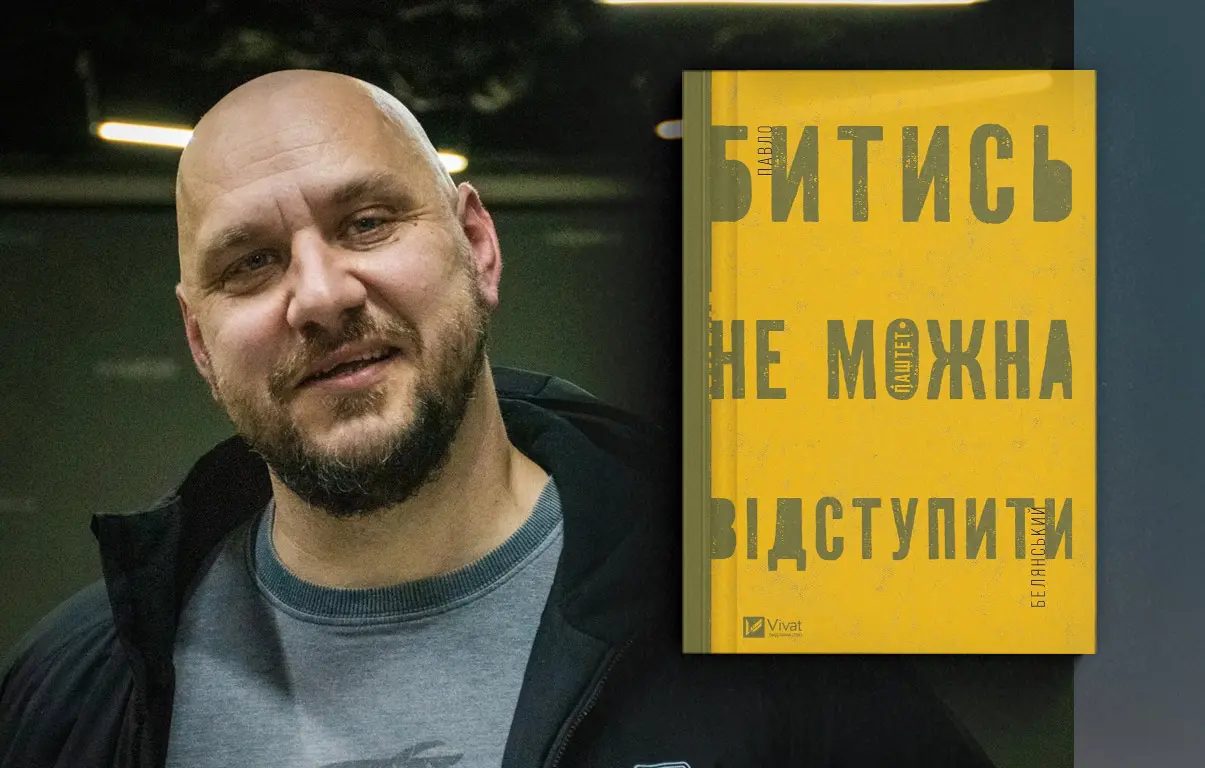
Pavlo Belianskyi calls his writing method “ballistic launch.” Between an air-raid alert and a ballistic missile’s impact, about a minute and a half to two minutes pass, and no one knows which city it will hit. Once, a missile struck a few buildings from his home and killed people there. In the fifth year of the full-scale war, he said, fear has given way to adaptation: “It’s as if a man with a gun were walking among us right now, killing one of us from time to time, and we all kept pretending this was normal.”
“Hardly any of you could write a novel at that time. But a short story, yes,” says Belianskyi.
4. It can add up to something bigger
Belianskyi knew that publishers are wary of books made entirely of separate stories. So he wrote his novel the same way, story by story, between attacks. He calls the method “assembling the elephant.” That novel went on to win the Shevchenko National Prize.
“The first little story is its trunk. At first it looks like a snake, but later, once the elephant comes together from all the stories, you see it’s a trunk,” Belianskyi explains.
5. It can bring back a lost voice
Yuliia Iliukha stayed in Ukraine through the spring of 2022 and found it impossible to write. My Women began with a single story, about a woman afraid of going to bed naked. She had no plan to write a book or publish one; writing was a way to heal. She believes the stories can do the same for readers.
“I started to think I had lost my voice altogether. But one day I wrote the first story,” Iliukha says.
She still considers herself a short story writer first, even after publishing longer work.
6. It defies history
For Uilleam Blacker, Belianskyi’s story continues two centuries of Ukrainian literary life. Big novels need time, space, money and institutional support, which Ukrainian writers have often lacked. Under the Russian Empire, when the great Russian novels were being published, Ukrainian writers were not allowed to publish in their own language. Shevchenko circulated his political poems by hand because they could never pass the censor. Today, soldier writers compose in the trenches and share poems on Facebook.
“People are working in the conditions they’re working in, and they’re making the most of it,” says Blacker.
7. It opens doors abroad
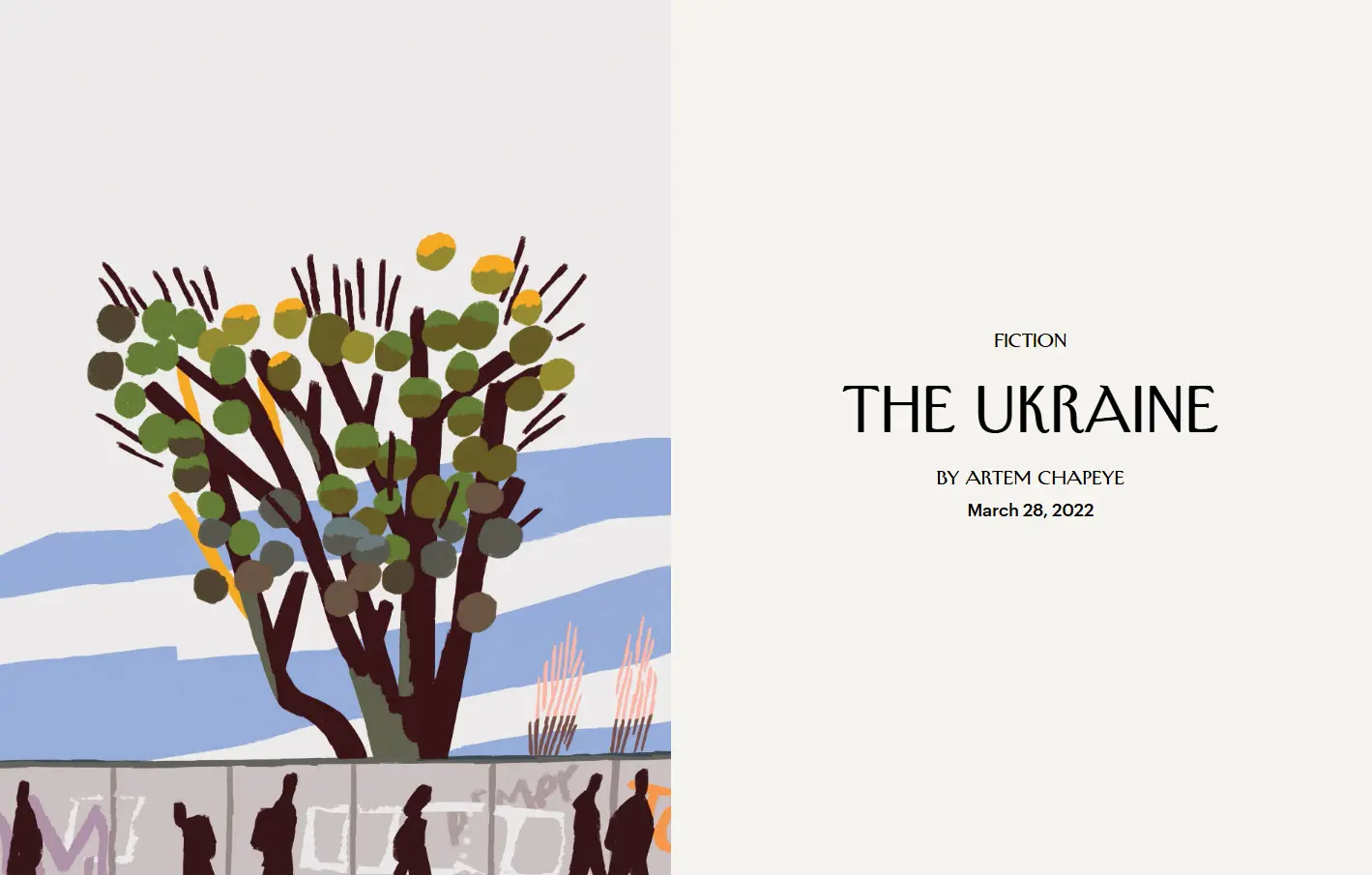
In 2022, Ukrainian literature was virtually unknown in the English-speaking world, Blacker said. Publishers were asking him which Ukrainian authors to read, and a novel translation takes years to arrange. A short story can be translated in days, published online quickly, and read at once. He pointed to Artem Chapeye, whose short story appeared in The New Yorker soon after the full-scale invasion. Chapeye now has three books in English, with a fourth expected.
“The short story is like an ambassador you send to another country to establish diplomatic relations. Once you’ve established those relations, more stories can come, then novels,” Blacker explains.
8. It asks for attention
A journalist in the audience asked whether short forms are the future because people no longer read long texts. Belianskyi answered with an example from television: Big streaming series now repeat key information three times, because viewers are distracted. It triples the cost, and they do it anyway.
“So, yes: the future belongs to the little story, where you can focus your attention very quickly,” says Belianskyi.
RELATED: Lyubko Deresh: ‘It’s appropriate to incorporate a myth to tell the story of our time’
A short story is not an easy, quick read or background entertainment like Netflix; it concentrates attention and demands it in return.
9. It’s not a warm-up for a novel
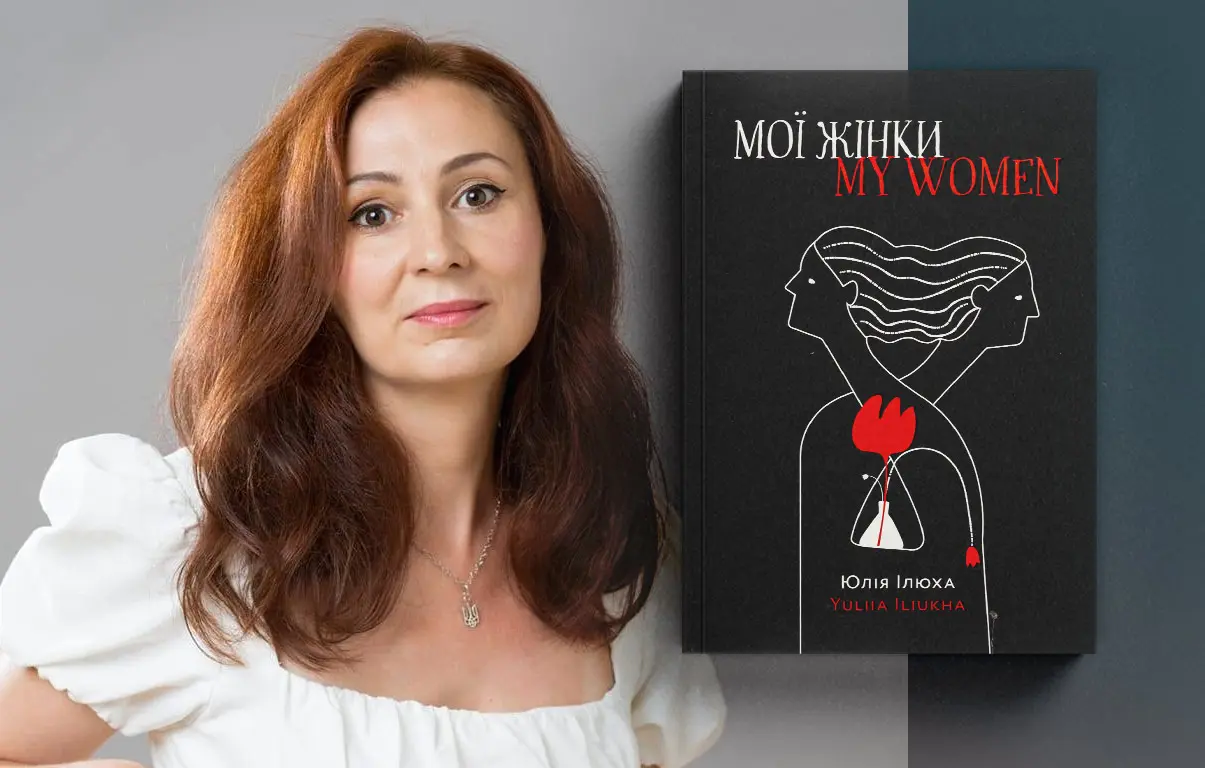
For Iliukha, the short form both helped and challenged. Placing stories in U.S. magazines led to “My Women” winning a chapbook contest whose prize was publication. But selling a collection is still hard.
“Many people still tend to think that only a novel can be considered literature, and a short story collection is only a stage before writing a novel, like a warm-up. For me, short prose wasn’t just a warm-up,” Iliukha reflects.
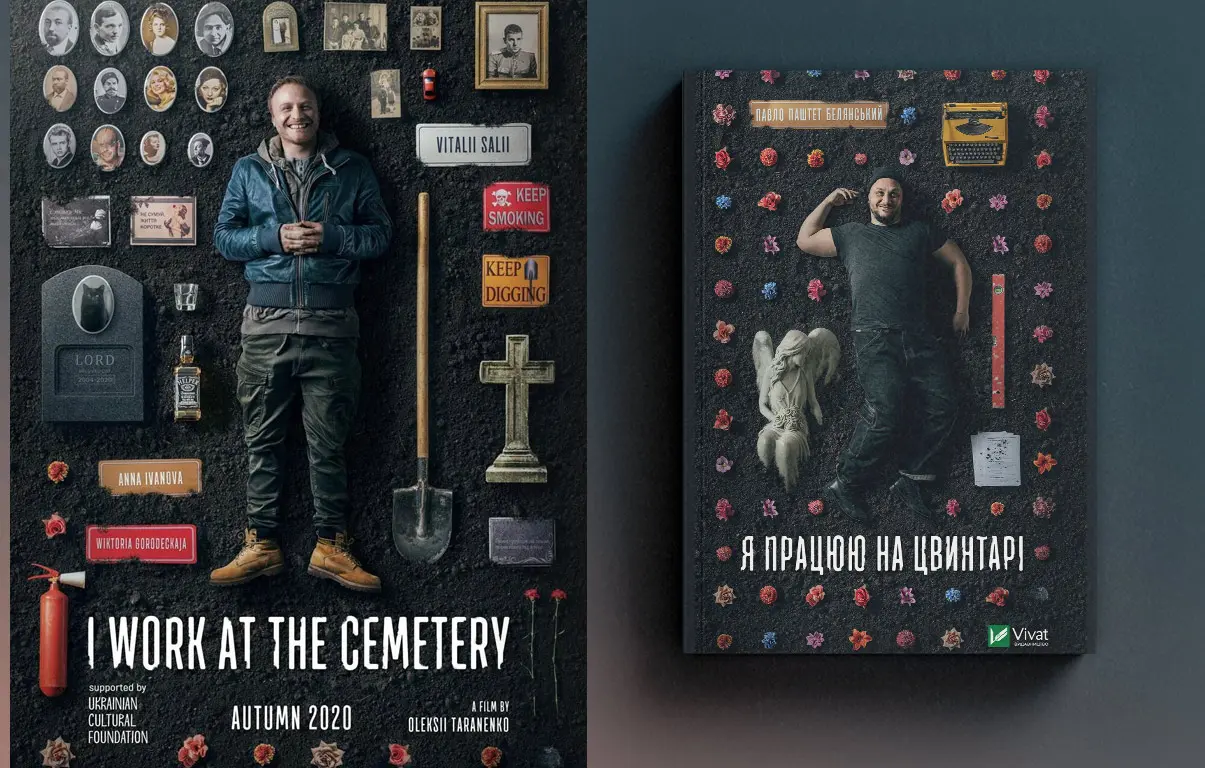
The market can prove the doubters wrong. Ukraine recognized Belianskyi as a writer through his novel, but his best earner is the story collection “I Work at a Cemetery,” drawn from his years working at one. It has gone through more than 10 reprints, and its film adaptation stayed in Netflix Ukraine’s top five for six months—“a very small book of fifty little stories, for very big money.”
Doyle recently selected eight stories by Booker-shortlisted writers, among them Andrey Kurkov, for “Around the world,” a small anthology sold for one euro or one pound to encourage adults who rarely read.
“There’s no difference between a small book and a huge book. The length isn’t the issue; the quality is,” says Doyle.
10. Prizes change how it is seen
In 2025, the International Booker Prize went to a short story collection, Banu Mushtaq’s “Heart Lamp.” Blacker said short stories have always been eligible, but the novel is still assumed to be the peak of prose fiction. From inside the prize’s machinery, he saw how much literary life revolves around awards: They focus conversations, draw media attention, and put agents and publishers in the same room.
“The more of these things we have, the healthier the literary process will be, and it has to cover all the genres,” Blacker says.
Because Ukrainian literature has been repressed in so many ways, he added, it has sometimes struggled to fill every genre. A healthy literary culture supports stories, poetry, nonfiction and theater, not just the next big novel.
The next chapter: the Hryhir Award

That kind of support is the aim of the Hryhir Award, launched internationally at the panel. The new prize for the best Ukrainian book of short prose was founded this year by the Ukrainian cultural agency Tereny, with the support of Razom for Ukraine. It is named after Hryhir Tiutiunnyk, a writer of the 1960s generation and one of the great masters of the Ukrainian short story.
RELATED: A new book collects Davyd Chychkan’s portraits of anarchists and socialists defending Ukraine
Copyediting: Joy Tataryn
Читомо» — це медіа про книжки й літературу, що підтримувало українське книговидання задовго до того, як це стало трендом. Ставайте частиною історії — доєднуйтеся до Клубу Читомо!
the more you read, the greater the possibilities
281
2026 Frankfurt Book Fair
Frankfurt Book Fair 2026 draws 236,000 visitors from 137 countries
20.10.2026 -
145
2026 Frankfurt Book Fair
Publishers urged to join appeal for greater AI transparency
12.10.2026 -