* ESC - close the search window
2026 Frankfurt Book Fair
Publishers urged to join appeal for greater AI transparency
12.10.2026
More than 150 publishers and publishing organizations are urging the EU and the German government to require AI developers to disclose the works used to train their models. The demand is outlined in the Frankfurt Appeal, published by the German Publishers and Booksellers Association.
Publishers worldwide, including those in Ukraine, can sign the Frankfurt Appeal, addressed to the European Commission, the European Parliament and the German government. Publishers outside Germany can sign the appeal by sending a short email to frankfurter-appell@boev.de. German publishers can complete the form on the appeal’s webpage.
The appeal calls on the European Commission, the European Parliament and the German government to take three specific actions:
- “Transparency obligations for AI companies must include the disclosure of the specific training data used at work level. The guidance currently in force for AI providers falls considerably short of the requirements of the EU AI Act, whose stated purpose includes improving the enforcement of exclusive rights by rights holders.”
- “A licensing market with fair revenue models must be developed. At present, AI providers are able to make use of protected works, claiming to invoke the Text and Data Mining exception, and avoid payment. Rights reservations are routinely disregarded.”
- “European copyright law in general must be complied with and equipped with robust means of enforcement. Rights whose infringement carries no consequences are worthless.”
The signatories argue that AI companies use copyrighted works to train their models without obtaining consent from publishers and authors or compensating them. They say the companies often avoid penalties, even when they disregard explicit restrictions imposed by rights holders. Proving such violations is difficult because AI companies do not disclose which books they use to train their models, despite having the technical means to do so.
The statement also notes that publishers must gather evidence themselves and engage in lengthy legal battles against global AI companies. “For the vast majority of publishers in Europe, this is practically impossible,” the document states.
According to the signatories, AI companies reap the profits, while publishers, authors, illustrators and translators receive nothing.
The association’s head, Sebastian Guggolz, criticized non-European corporations that, he said, dictate terms in the AI industry while disregarding fair play and ethics. He urged politicians to act quickly and decisively.
“If politicians do not act now, AI will continue to deprive us of millions of copyrighted works and, eventually, of our ability to think,” Guggolz said.
Guggolz also linked the issue to declining reading proficiency. According to the PISA-2025 study, one-third of 15-year-olds in Germany do not read well enough. “Those who cannot read with comprehension cannot verify an AI’s answer at all. They have no choice but to take that ready-made answer at face value,” the association’s head said.
As of Oct. 9, 2026, more than 150 organizations had signed the appeal. They include German publishers Suhrkamp, Hanser, Rowohlt, Carlsen and Penguin Random House Verlagsgruppe; Swiss publisher Diogenes; the International Publishers Association (IPA); and the Federation of European Publishers (FEP).
Publishers from Brazil, Egypt, the United Kingdom, Austria, the Netherlands, Argentina, Thailand and Australia have also signed the appeal.
In late August 2026, publishers in Germany filed a lawsuit against OpenAI over its use of children’s books to train AI. In July, three publishers sued Google over its use of their books to train Gemini.
RELATED: AI translation, audiobooks and dyslexia tools shortlisted for 2026 Digital Publishing Award
Images: pexels
Читомо» — це медіа про книжки й літературу, що підтримувало українське книговидання задовго до того, як це стало трендом. Ставайте частиною історії — доєднуйтеся до Клубу Читомо!
the more you read, the greater the possibilities
228
2026 Frankfurt Book Fair
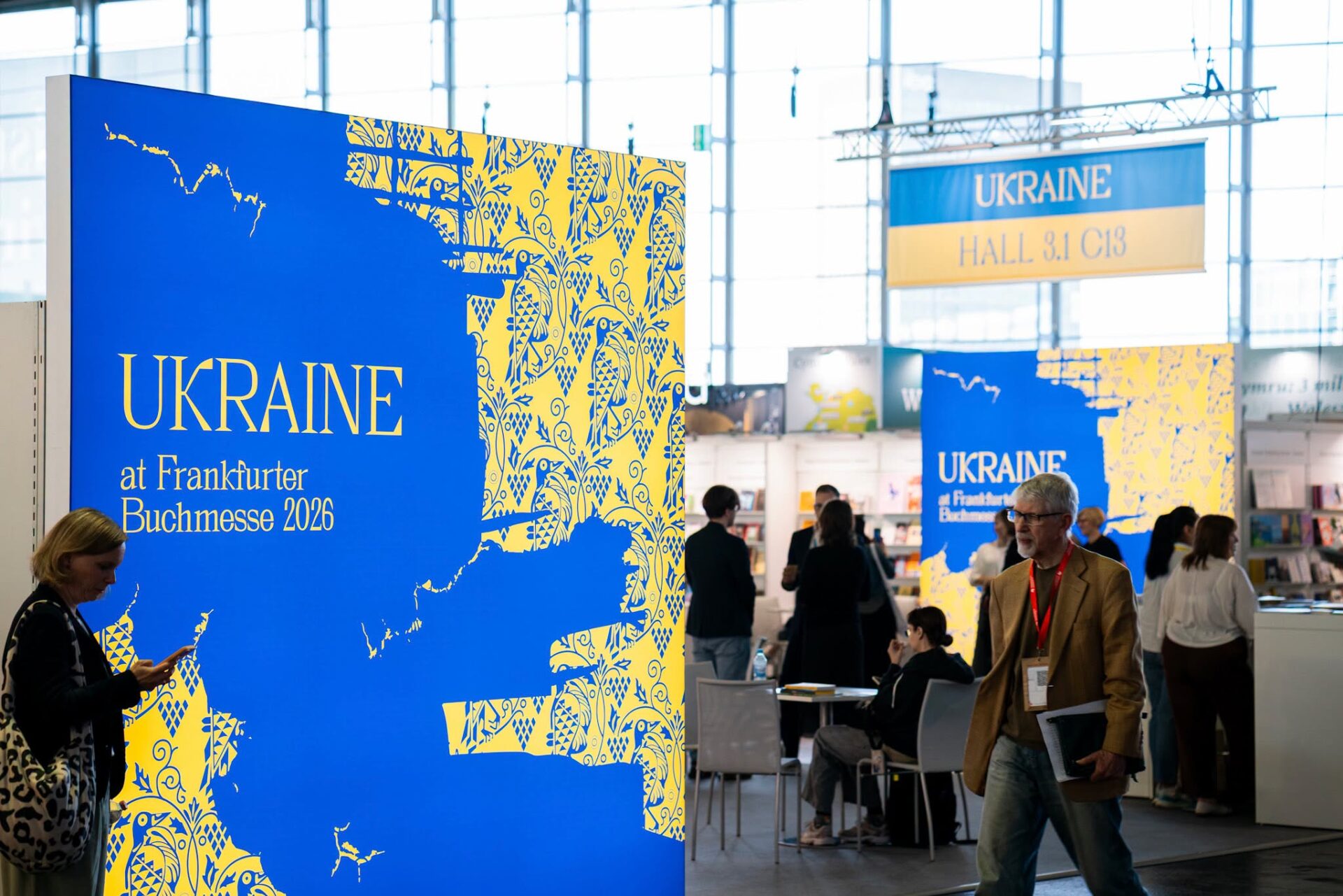
Losses in the publishing industry, charred, and scorched books: Ukrainian national stand in Frankfurt
09.10.2026 - Chytomo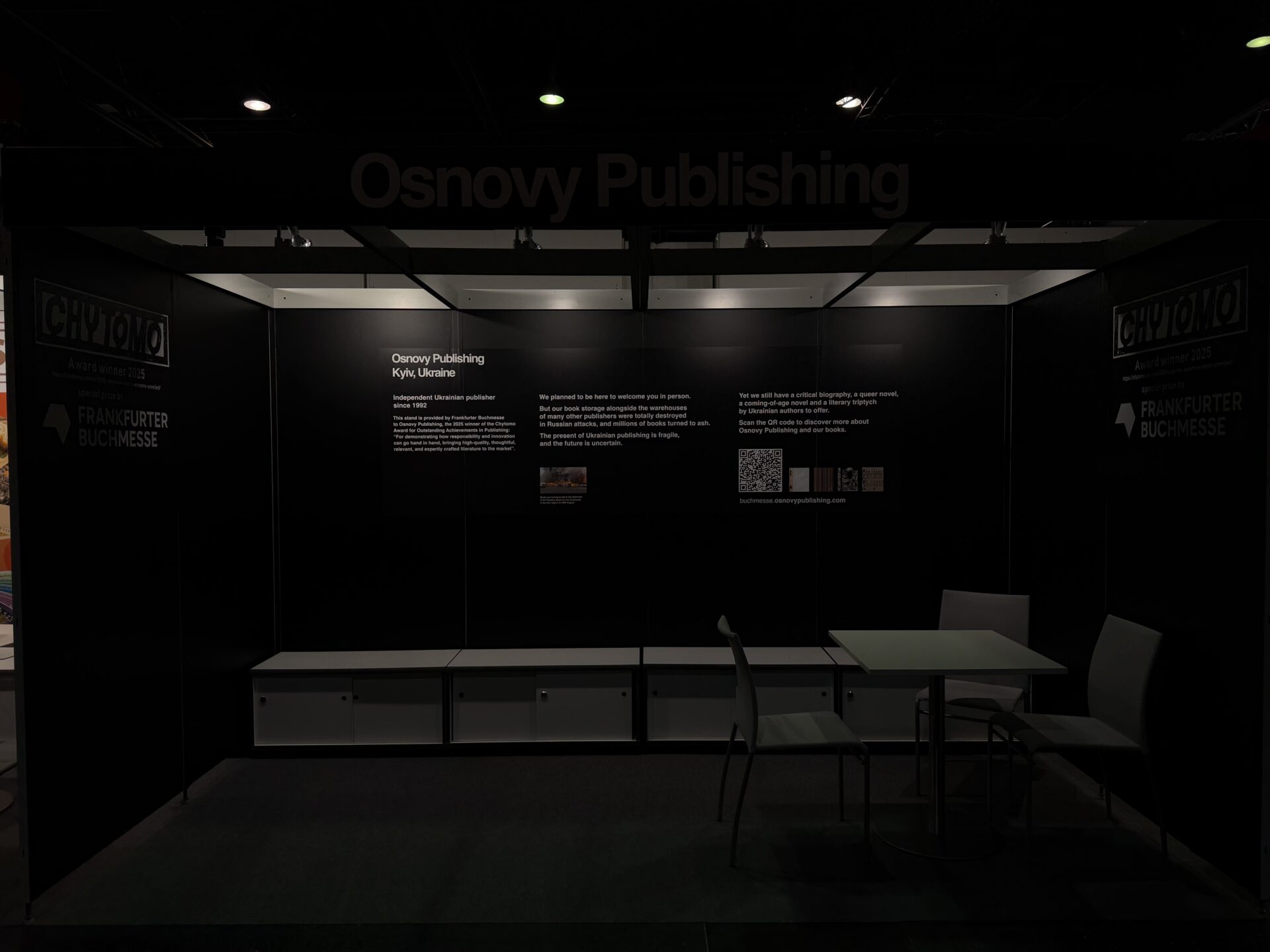
110
2026 Frankfurt Book Fair
Chytomo Award winner Osnovy turns Frankfurt Book Fair stand into statement
09.10.2026 -