* ESC - close the search window
AI and publishing
AI translation, audiobooks and dyslexia tools shortlisted for 2026 Digital Publishing Award
01.10.2026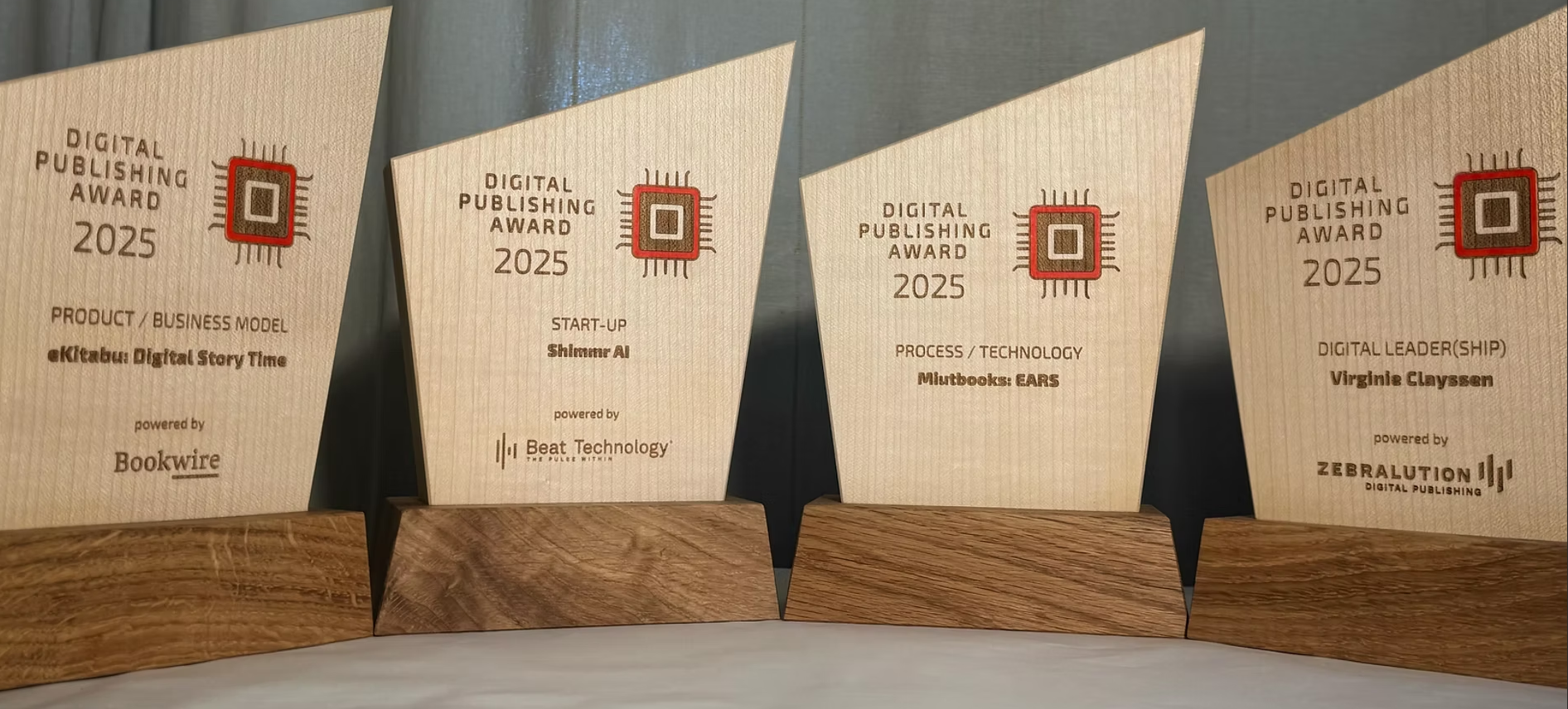
An international jury selected 12 finalists from 42 submissions for the 2026 Digital Publishing Award, with projects from Egypt, Germany, India, the United Kingdom, and the United States advancing to the final stage of the competition.
The shortlist spans three categories — Product / Business Model, Process / Technology, and Startup. Artificial intelligence features prominently among the finalists, with the jury highlighting projects that use the technology to support rather than replace human work.
Accessibility, growth in audio publishing, representation of the Arab publishing market, and new approaches to relationships between authors and publishers emerged as four key themes across this year’s submissions.
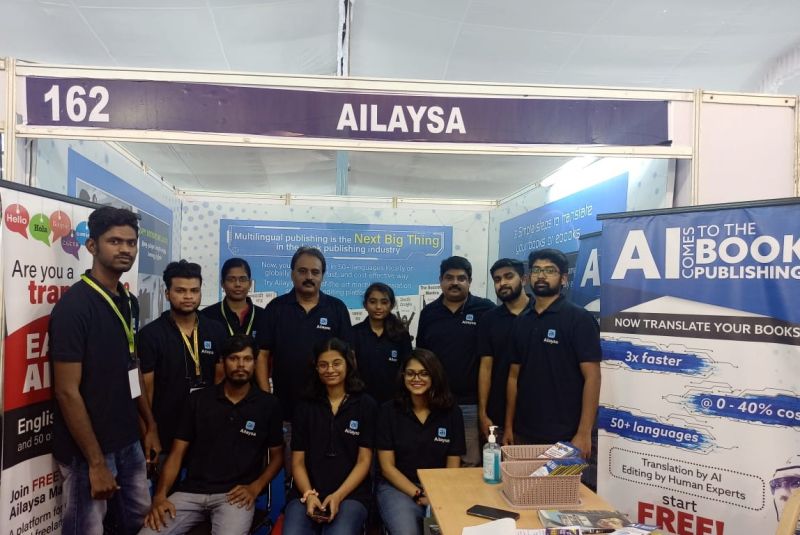
In the Product / Business Model category, India’s Ailaysa Technologies was shortlisted for Ailaysa, an AI-powered translation platform developed specifically for long-form publishing. The technology is designed to preserve terminology, authorial voice, and page layout while learning from corrections. Its Chai Reader platform extends the system to multilingual reading and distribution.
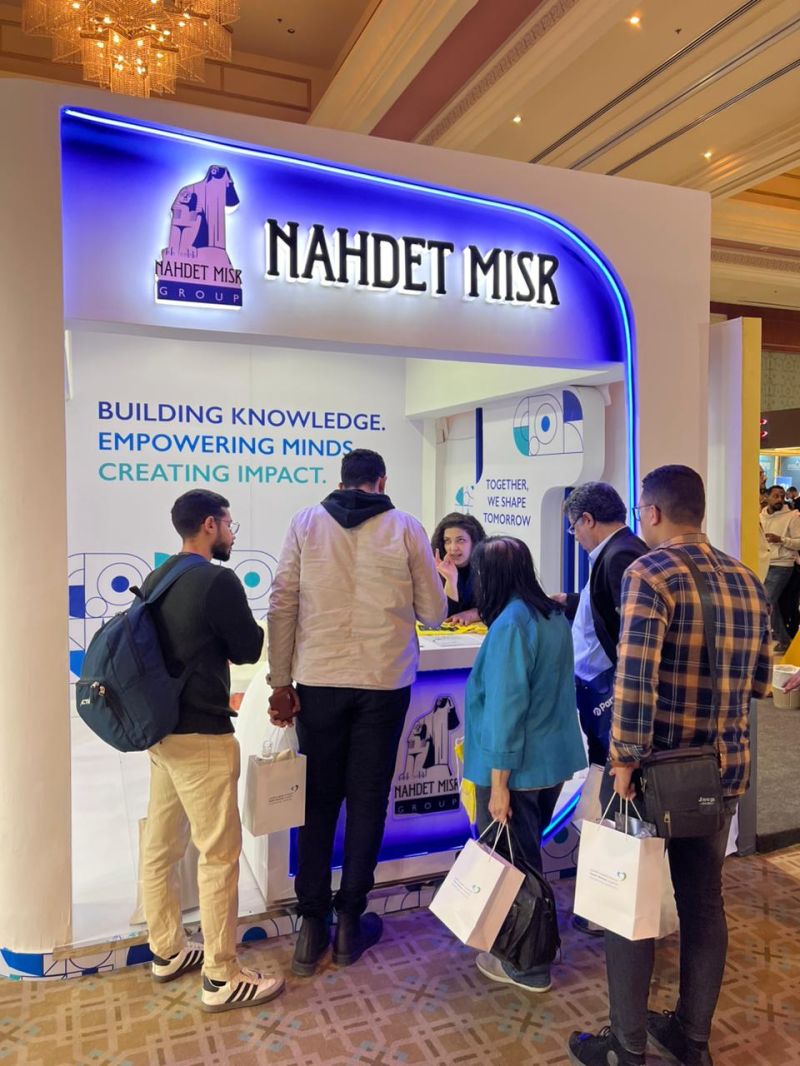
Egyptian publisher Nahdet Misr Group was selected for its transformation from a traditional publishing house into an education ecosystem encompassing publishing, digital learning, vocational training, school management, and EdTech investment.
Pocket Entertainment, operating in the United States and India, was shortlisted for Pocket FM, a serialized audio fiction platform that combines free introductory content with paid episode unlocking. Its creator platform also uses AI to help writers produce, localize, and monetize stories.
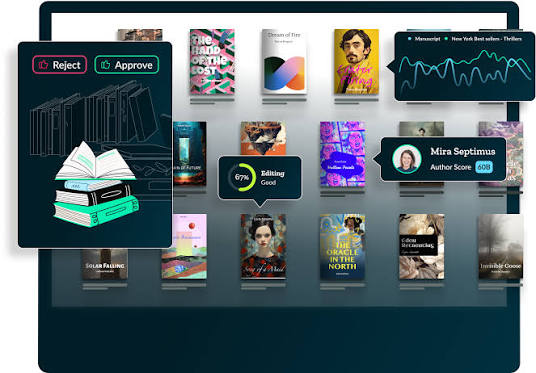
The United Kingdom’s Storywise Technology Services was selected for Storywise Network, which offers rejected manuscripts another route to publication. Its AI-based matching system connects manuscripts with editors and agents whose interests correspond to the work, while editorial decisions remain in human hands.
In the Process / Technology category, Egypt’s Abjjad was shortlisted for Project Genome, an Arabic-first audiobook production system. The award organizers note that although Arabic is spoken by more than 400 million people, only a few thousand Arabic audiobooks are available. The system combines technology with human quality control and, according to the organizers, reduces production costs by around 90%.
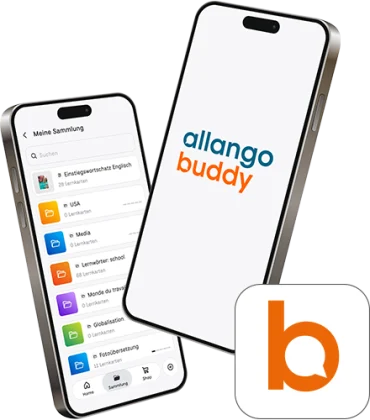
Germany’s Ernst Klett Sprachen was selected for allango, which integrates hybrid textbooks and digital editions with AI-assisted tools for students and teachers, including feedback on written work and a worksheet generator.
India-based MPS Limited was shortlisted for a system that uses AI to generate contextual image descriptions for accessible publishing. A second model evaluates the descriptions against quality criteria, while human specialists review difficult cases and feed their corrections back into the system.
U.S.-based Pozotron was selected for Pozotron Studio, which supports audiobook production through script preparation, pronunciation research, AI-assisted proofreading, and quality control. The system is designed to assist narrators, proofreaders, and producers rather than replace human narration.
In the Startup category, India’s Bookit Digital Technologies was shortlisted for KitabooONE, a platform for academic libraries that uses AI to match curricula and budgets with millions of titles before specialists validate the results and recommend licensing options.
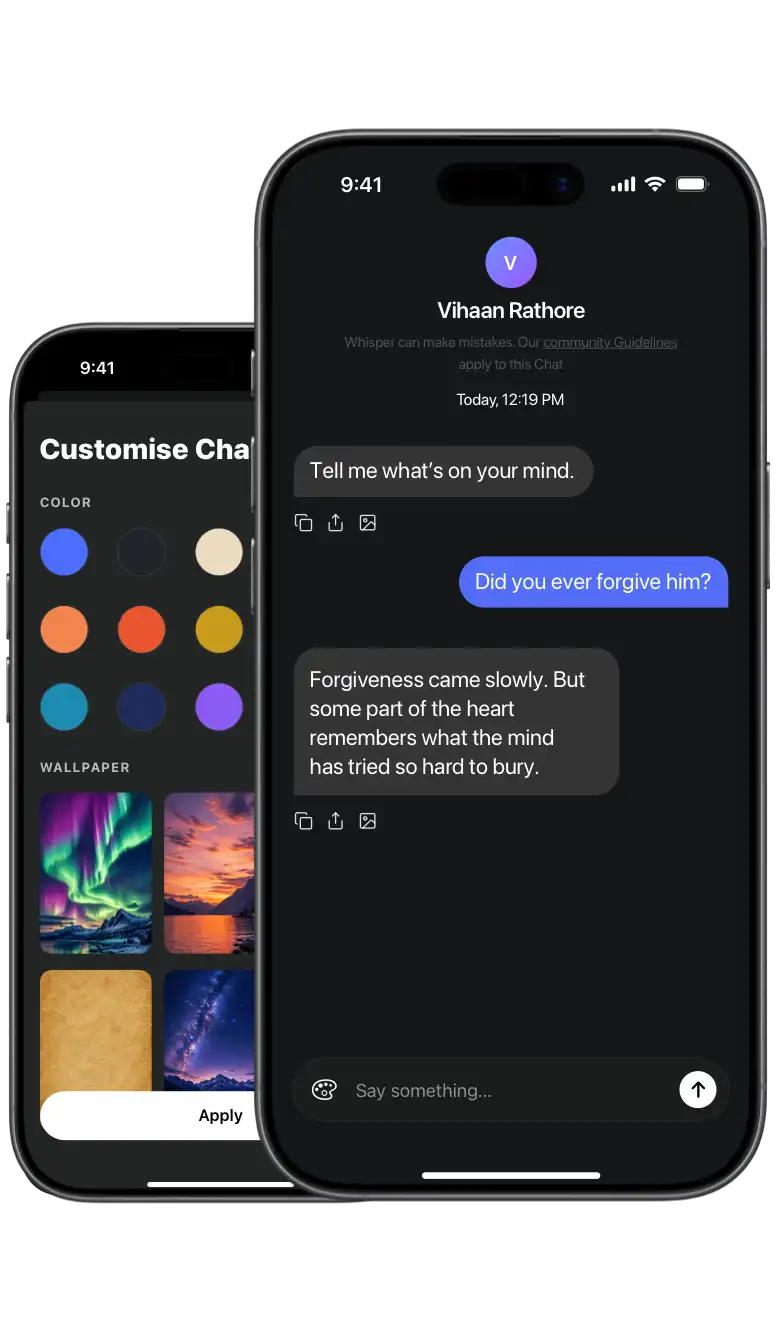
U.S.-based Flourworks was selected for Whisper by Stck, which allows readers of serialized fiction to interact with book characters without encountering spoilers. Conversations are limited to chapters a reader has already completed, while authors control whether a character is available and set the rules for interactions.
The United Kingdom’s Pellerin Books was shortlisted for its reader-focused publishing model and Pellerin Dashboard, which provides authors with near-real-time access to sales, marketing, and royalty information.
Germany’s ReadBee was selected for an app designed to support children who struggle with reading. Users photograph a page of a printed book, and the app reformats the text into a dyslexia-friendly layout with color-coded syllables, adjustable formatting, and a visual pacing guide.

No shortlist will be published for the fourth category, Digital Leader(ship).
The winners across all four categories will be announced on Oct. 7 at 1 p.m. in the Dialogue Networking Area in the foyer of Hall 4.0 at the Frankfurt Book Fair.
The Digital Publishing Award recognizes projects and individuals contributing to the digital transformation of publishing through new products, business models, technologies, and leadership. The award expanded internationally in 2025, when submissions were accepted from around the world for the first time.
As reported earlier, AI is increasingly being used across European publishing for translation, audiobook production, academic publishing, and internal editorial workflows. The technology has become particularly visible in audio publishing: Audible has expanded its use of AI-generated narration, while Spotify partnered with ElevenLabs to enable digitally narrated audiobooks in 29 languages.
The same research found that AI can lower production barriers in smaller publishing markets, while its growing use also raises questions about translation quality, linguistic diversity, and the need for human oversight. In Slovenia, for example, Mladinska knjiga has already used machine narration for selected audiobooks, while experiments with AI translation between Slovenian and Zulu showed that the technology could reproduce basic meaning but struggled with complex linguistic, cultural, and political nuances.
Main image: site’s screenshot
Читомо» — це медіа про книжки й літературу, що підтримувало українське книговидання задовго до того, як це стало трендом. Ставайте частиною історії — доєднуйтеся до Клубу Читомо!
the more you read, the greater the possibilities