* ESC - close the search window
CRIMES OF RUSSIA
‘Instead of sitting in a damp basement, we could be writing and creating’: Ukraine’s literary community responds to Russia’s March 24 attack
25.03.2026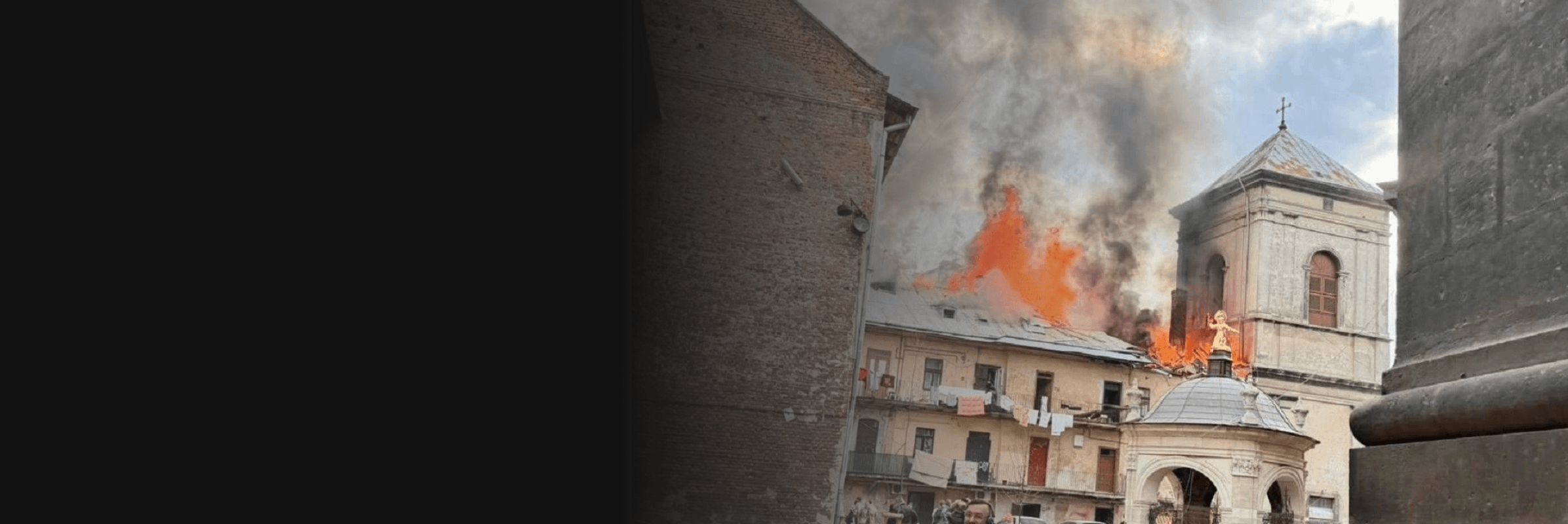
You see an error in the text - select the fragment and press Ctrl + Enter
On March 24, Russia launched a massive drone attack on Ukrainian cities, deploying 556 drones, according to Ukraine’s Air Force. Among the targeted cities were Lviv, Ternopil, Vinnytsia, Ivano-Frankivsk, Zhytomyr, Zaporizhzhia, Dnipro, and Kyiv. In Lviv, a UNESCO heritage building caught fire, and 32 people were reported injured.
Writers, publishers, and translators became witnesses to the attack and shared how Lviv’s literary community experienced the day — marked by canceled events and a postponed exhibition dedicated to fallen photographer, writer, and serviceman Yurii Kostyshyn.
The exhibition of Kostyshyn’s work, along with the presentation of his art book “Abydobranich,” was scheduled to open that day. The event was organized by the publishing house 333 — named by Kostyshyn himself — together with writer Kateryna Mikhalitsyna, curator of the exhibition and editor of the book. The opening, planned at the UaComix space, had to be postponed due to the attack.
“There is no gas or electricity here [in the residential districts of Lviv] after the strikes. And the glass underfoot glows like little pieces of ice. I was walking and thinking that today marks four years since the Russians took Volodymyr Vakulenko — took him and then killed him.… My thoughts keep spinning. I can’t seem to remember the number of people injured across different cities: Ternopil, Zaporizhzhia, Zhytomyr, Dnipro, Vinnytsia, Poltava… I don’t know what I feel in all of this, except one thing: I’m glad I managed to return from abroad the night before. Going to read Moomin stories to the little one,” Mikhalitsyna wrote on her Facebook page.
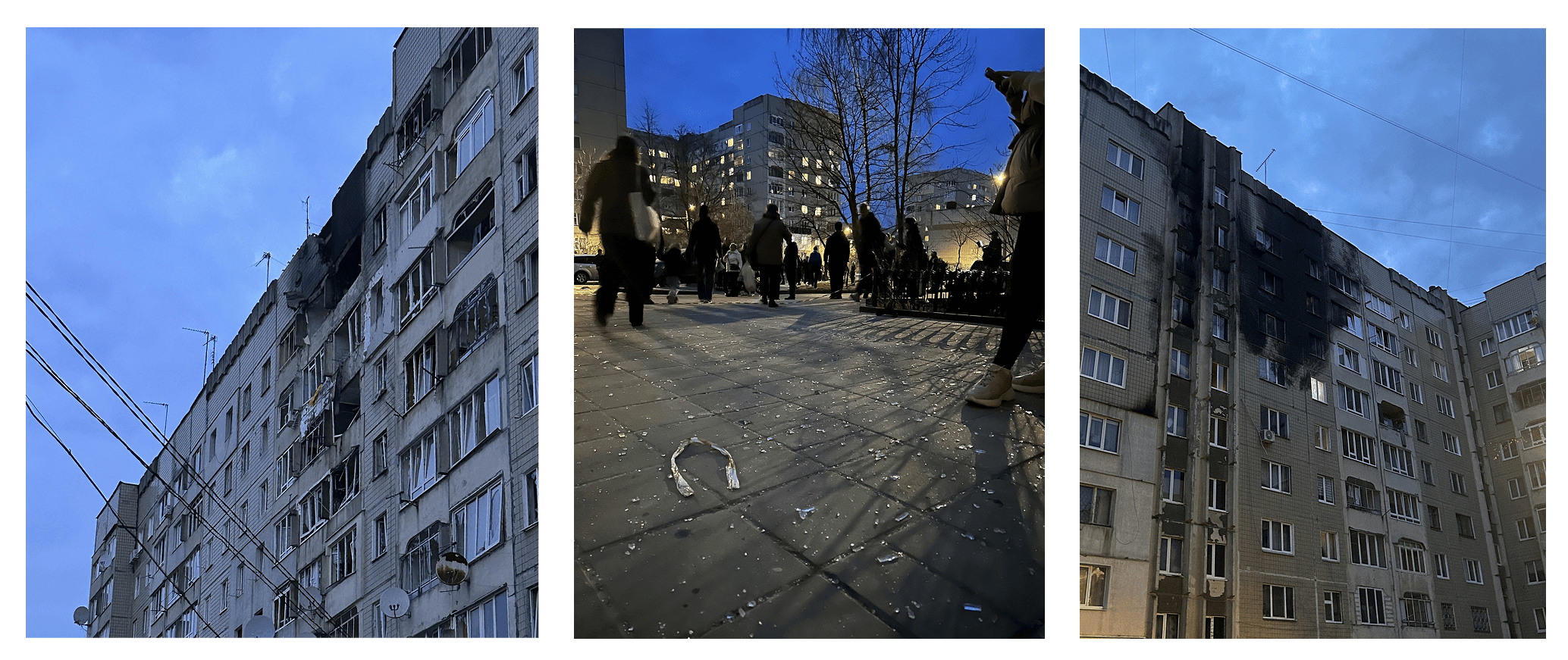
Photo: Kateryna Mikhalitsyna
Another event disrupted by the strike was a meeting at Ivan Franko National University of Lviv with Estonian professor and translator Anna Verschik. The discussion was to focus on the Ukrainian poetry anthology “Kas rabelen välja sellest tusast?” (“Will I Get Out of This Sorrow?”). However, as participants were arriving, the drone attack began. Instead of gathering in the lecture hall, Verschik, moderator and poet Halyna Kruk, students, and other attendees were forced to take shelter.
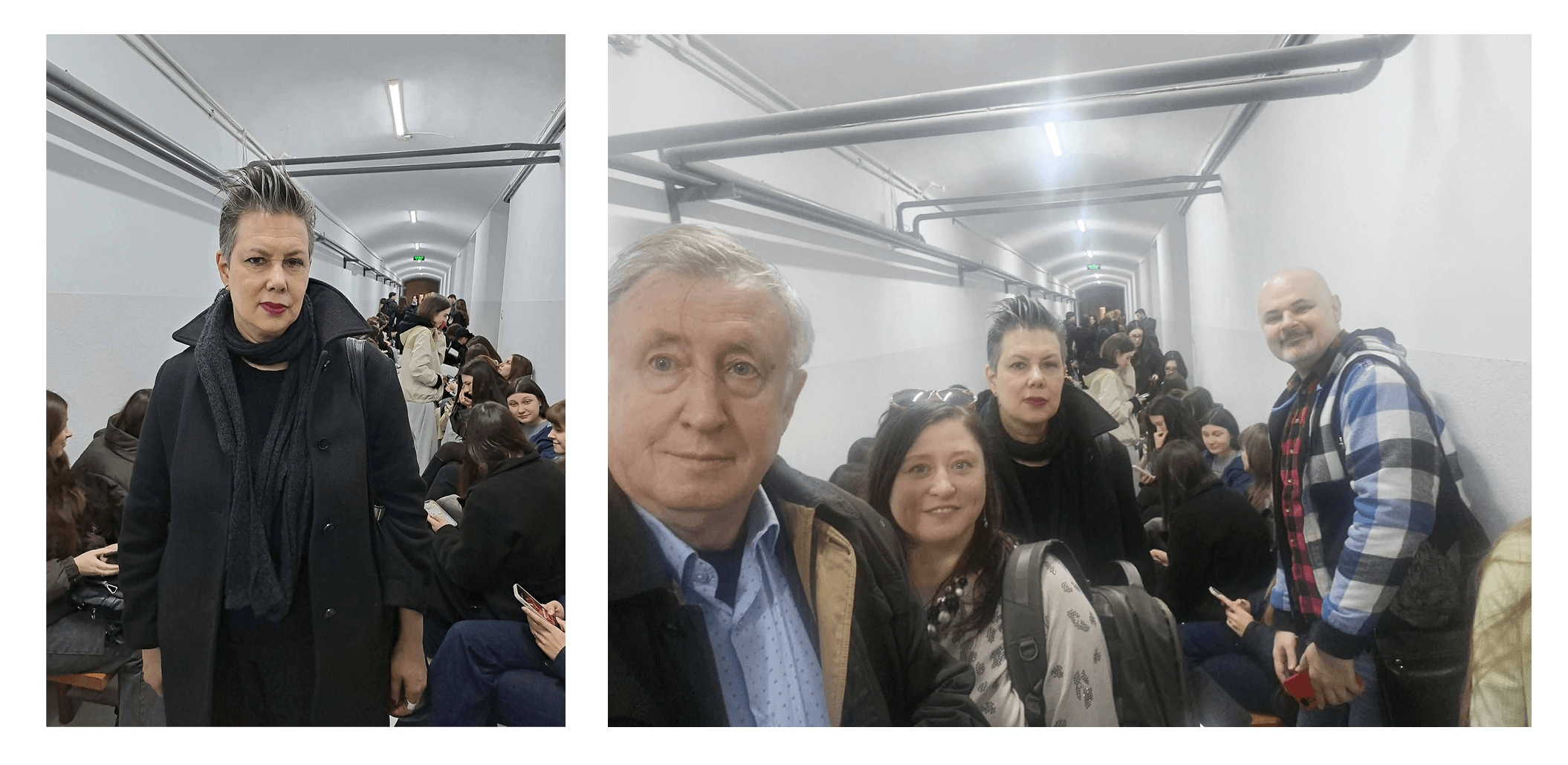
Photo: Halyna Kruk
“I managed to run into the university through a side entrance amid the buzzing of drones and air defense fire. Then we heard an explosion — you’ve probably already seen where it hit in the city center. Instead of presenting a Ukrainian anthology in Estonian translation, we are sitting in a shelter,” wrote Halyna Kruk during the attack. The event was ultimately canceled, despite Verschik’s willingness to continue in the shelter, as the space did not allow for the event to be organized as planned.
Poet Iya Kiva, who also lives in Lviv, shared a photo from the site of a drone strike less than a kilometer from her home. “Children from a nearby school are telling their mothers on the phone: ‘We saw the drone, but everything is fine, we’re going home,’” she shared in the comments.
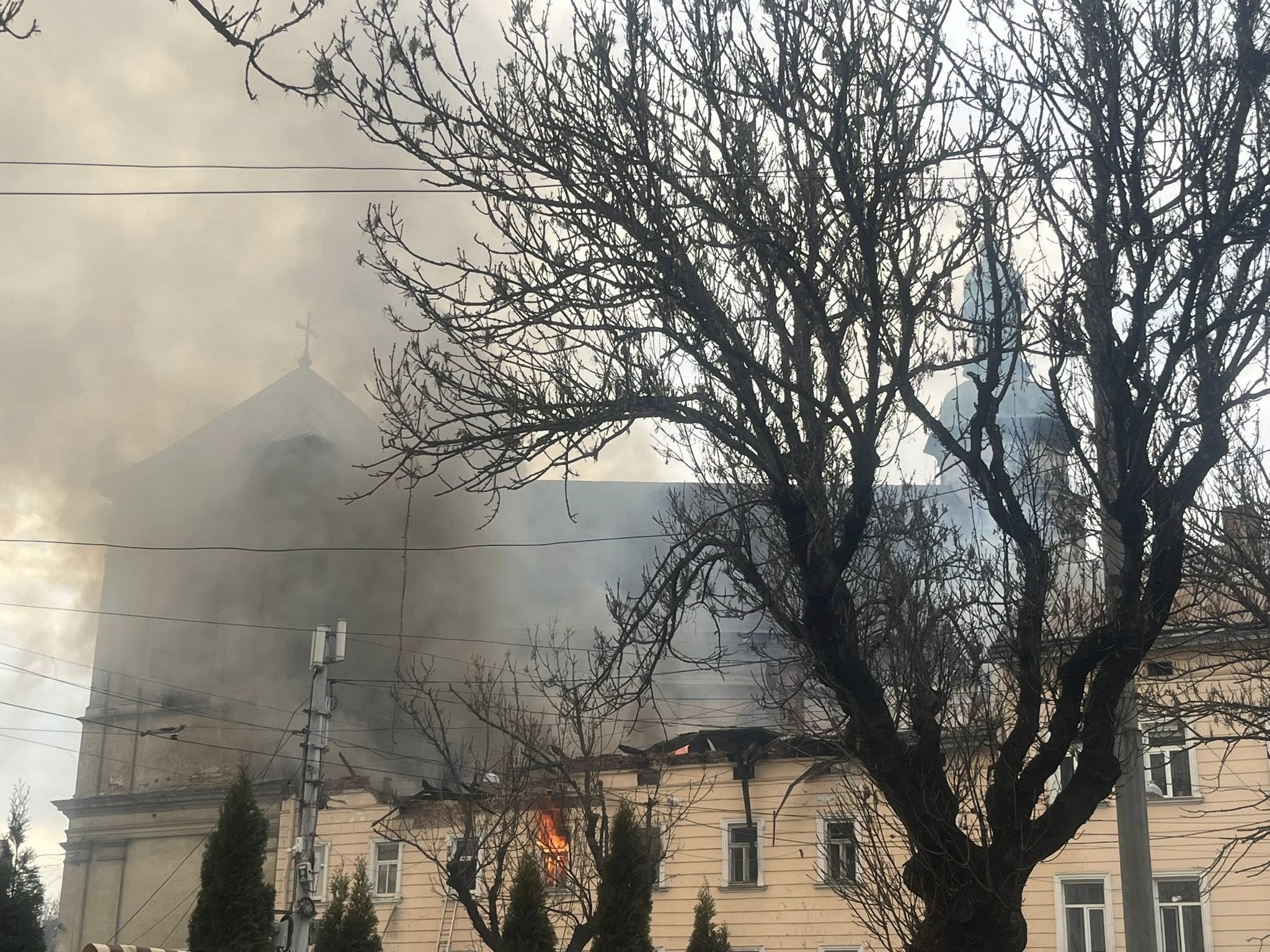 Photo: Iya Kiva
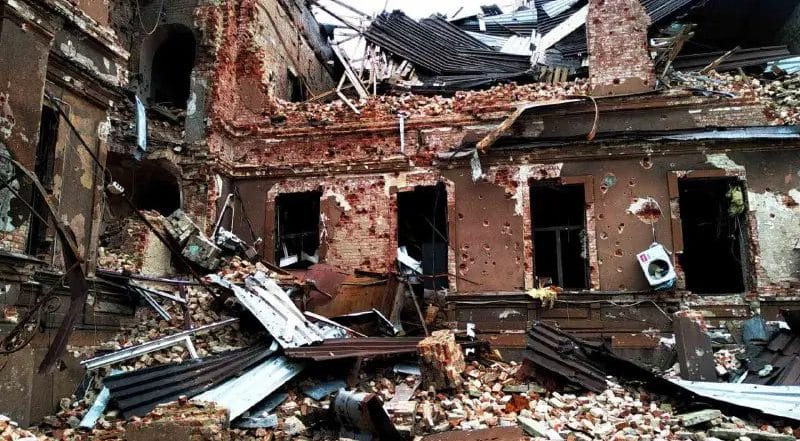
Poet Yuliya Musakovska described how two strikes hit places deeply tied to her personal history: “One Shahed hit the apartment building where my parents lived for 34 years — 20 of them together with me. My home throughout my school and university years. My parents moved away from there quite recently, but they live nearby, so they heard the powerful explosion. My mother is in shock. The second strike — near the building on Valova Street, where my early childhood unfolded. The Bernardine monastery is burning. This is where I constantly walked as a little girl with my father or mother, mostly holding their hand. The building is a historical monument, part of UNESCO World Heritage — but has this ever stopped the inhumane?” she wrote.
Publisher Yuliia Slyvka, who was at a playground with her child at the time of the attack, had to take shelter in a nearby basement. “I thought that Russia had taken another day of normal childhood from our children — and time from all of us. Instead of sitting in a damp basement, we could be working, writing, creating, inventing. Today Russia is taking away Lviv’s architectural memory… and striking at our youth — something that can never be rebuilt,” she wrote on her Facebook page.
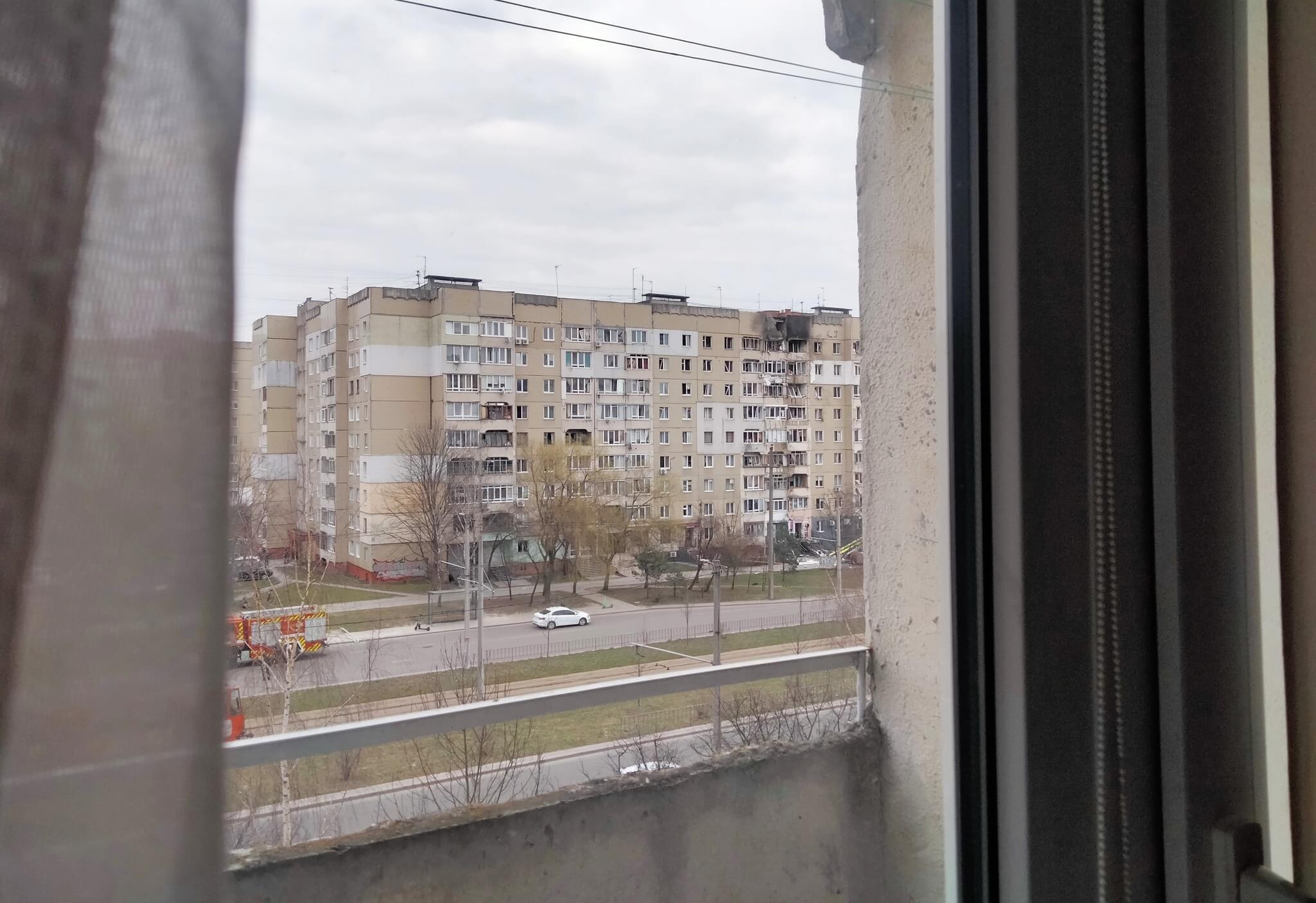
Photo: Ostap Slyvynsky
Poet, translator, and scholar Ostap Slyvynsky quoted Victoria Amelina’s poem “Sirens” — “This time not you; all clear” — and shared a photo of a strike near his location. Later, public broadcaster Suspilne released footage of the same residential building, showing a man hanging a Ukrainian flag from a damaged balcony.
Translator and Drahoman Prize laureate Dr. Mridula Ghosh shared a screenshot showing the duration of air raid alerts and wrote about the ongoing terror, noting that drones — originally developed in Iran — have been used by Russia against Ukraine since 2022.
Ukraine’s Minister of Foreign Affairs Andrii Sybiha called on UNESCO to respond immediately to the strike on central Lviv, emphasizing the damage to a World Heritage site and urging accountability for violations of international law.
At the same time, just before the attack, organizers in Lviv announced that after a six-year break, one of the largest cultural and educational events for children — the Children’s Book Forum — will return. Organized by the Publishers’ Forum NGO, the event is scheduled for June 27–28, 2026.
Copy editing: Terra King
Читомо» — це медіа про книжки й літературу, що підтримувало українське книговидання задовго до того, як це стало трендом. Ставайте частиною історії — доєднуйтеся до Клубу Читомо!
the more you read, the greater the possibilities
90
Russia's attack
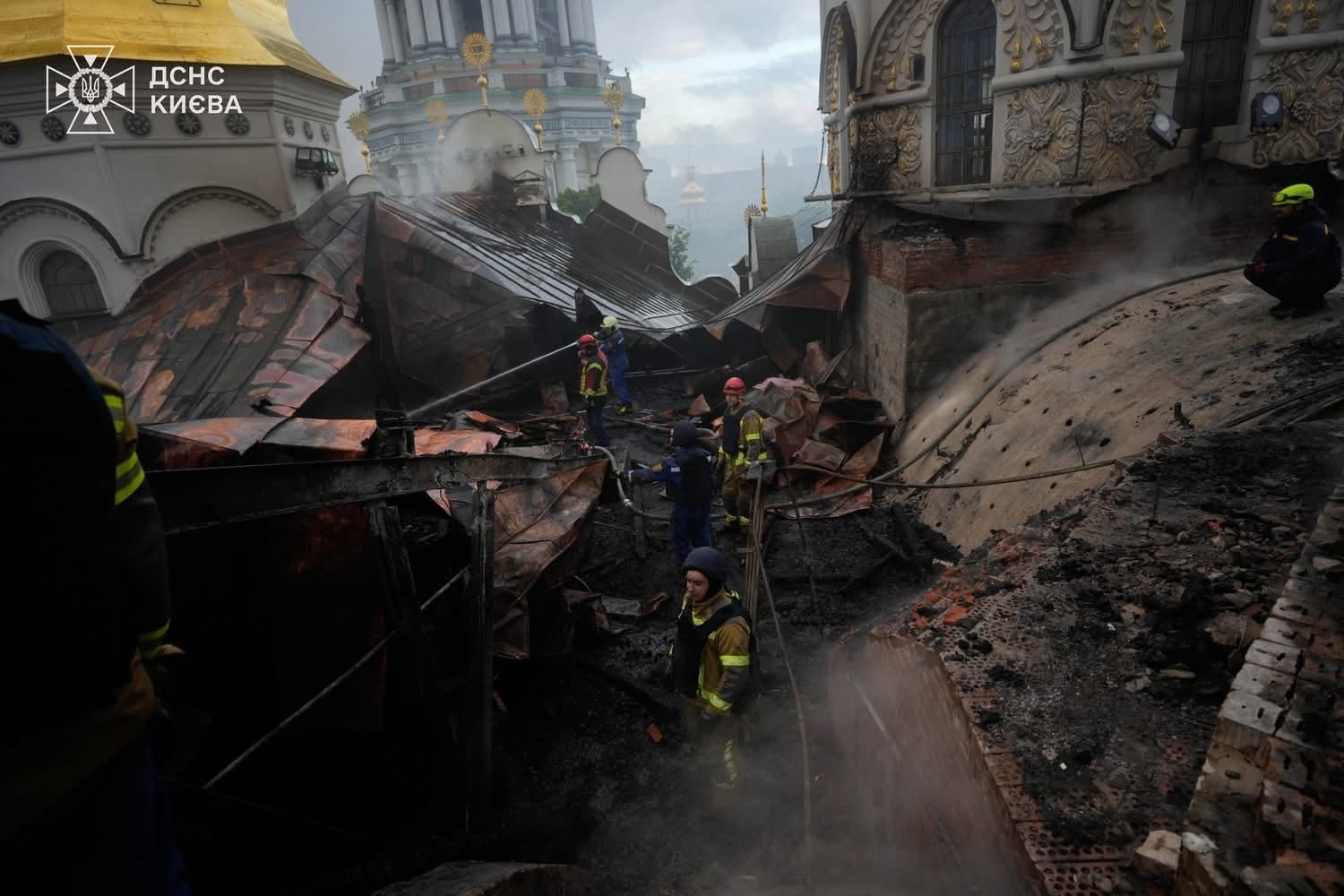
Ukraine’s UNESCO Commission urges international action after attacks on cultural heritage sites
16.06.2026 -
144
cultural sites
UNESCO verifies damage to 527 cultural sites in Ukraine, including 21 libraries
26.05.2026 -