* ESC - close the search window
children's books
S. D. Smith: The modern experiment of relativizing morality is a failure
12.06.2026

You see an error in the text - select the fragment and press Ctrl + Enter
One of my older daughter’s favorite books these days is “The Green Ember.” Dana is the most avid reader in our family (honestly, she reads more in two months than I read in a year!) and has excellent taste in books, too. But she is definitely not the only one to be so enamored with the spirit adventures of the “Green Ember” world.
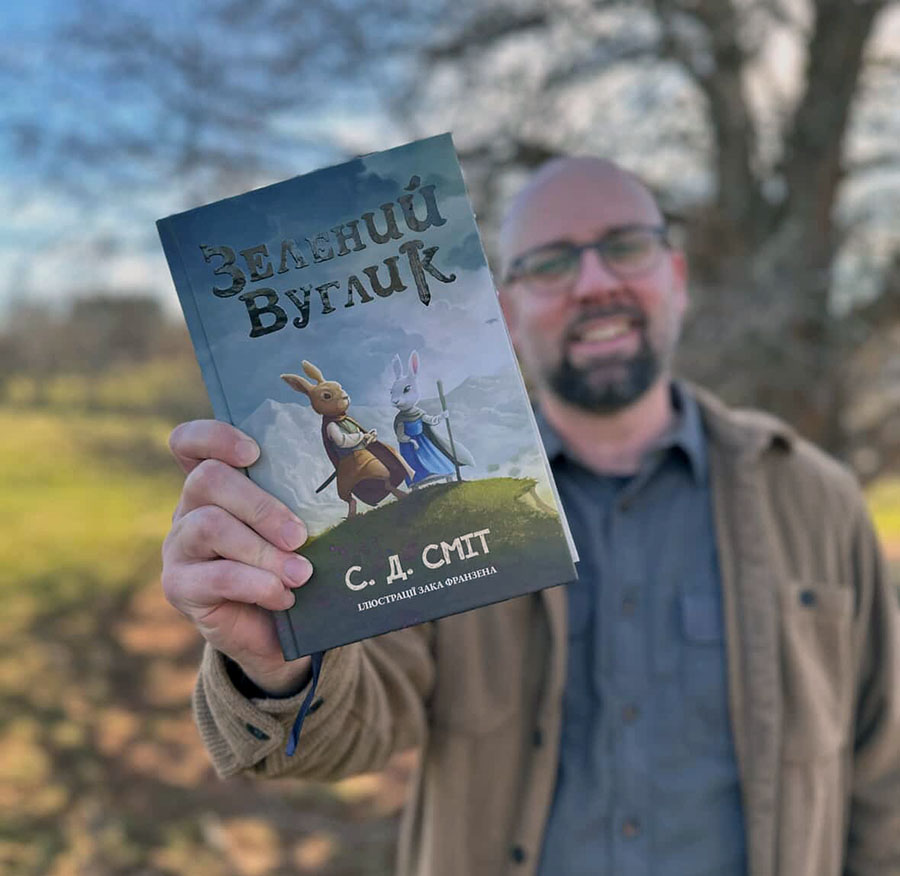
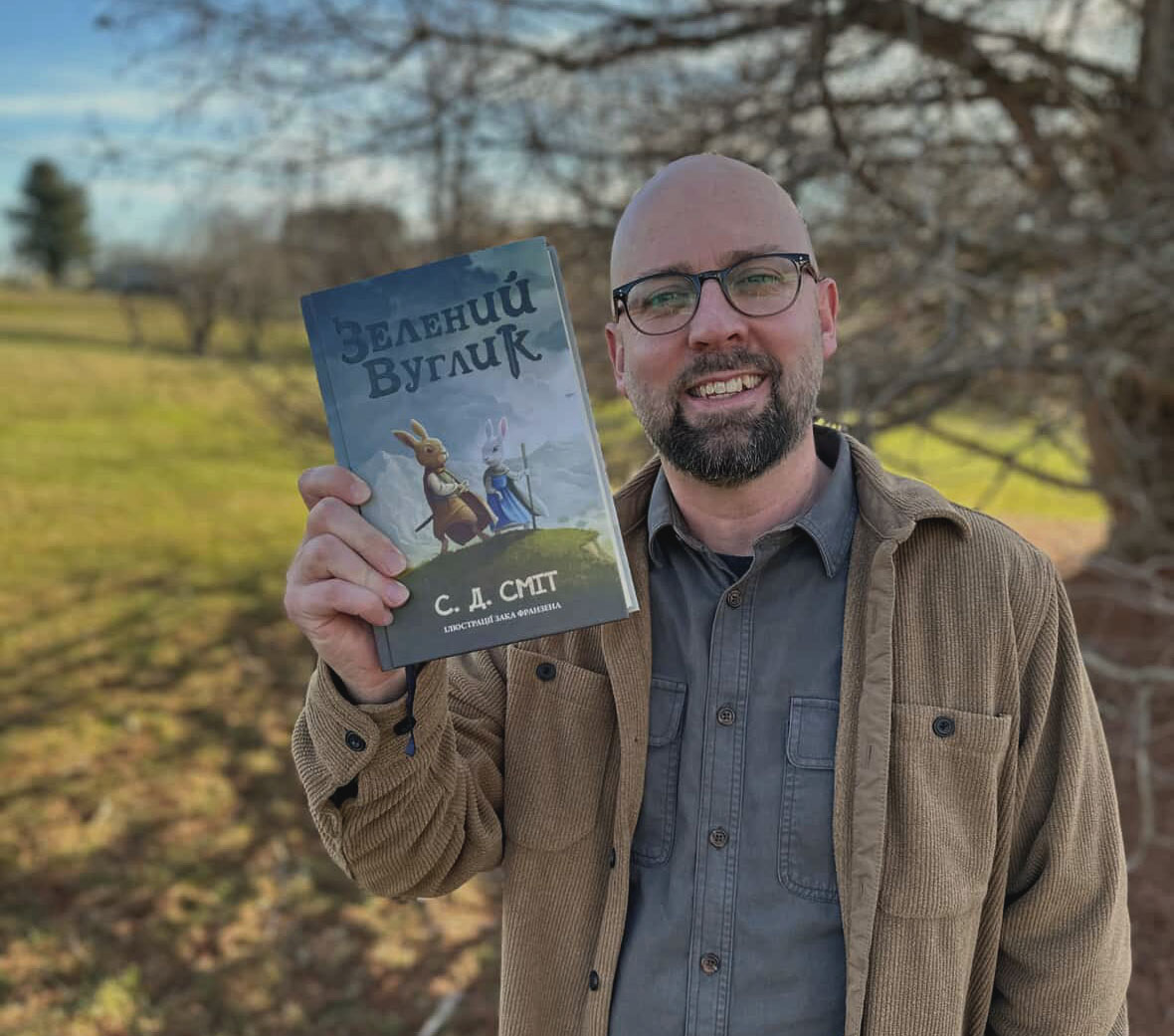
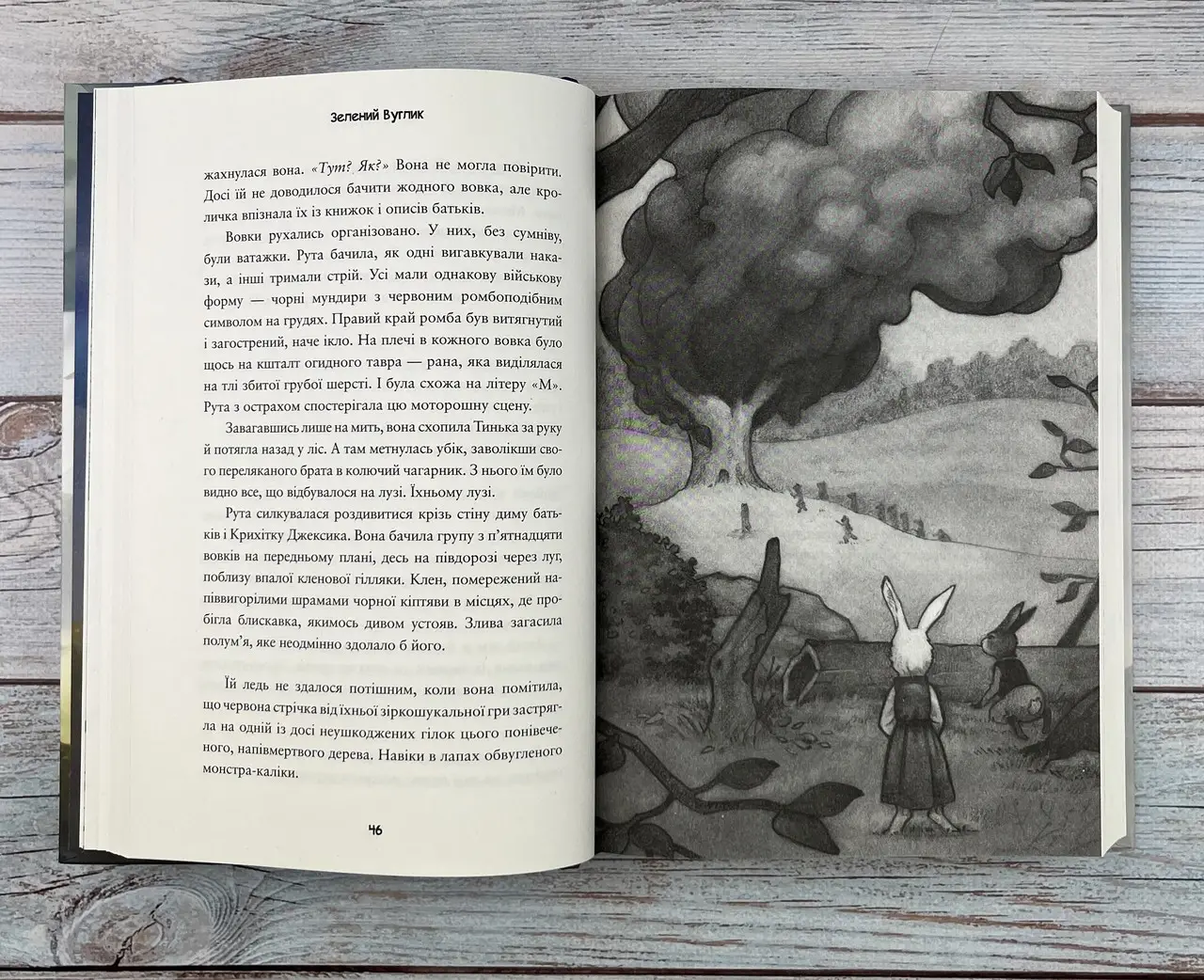
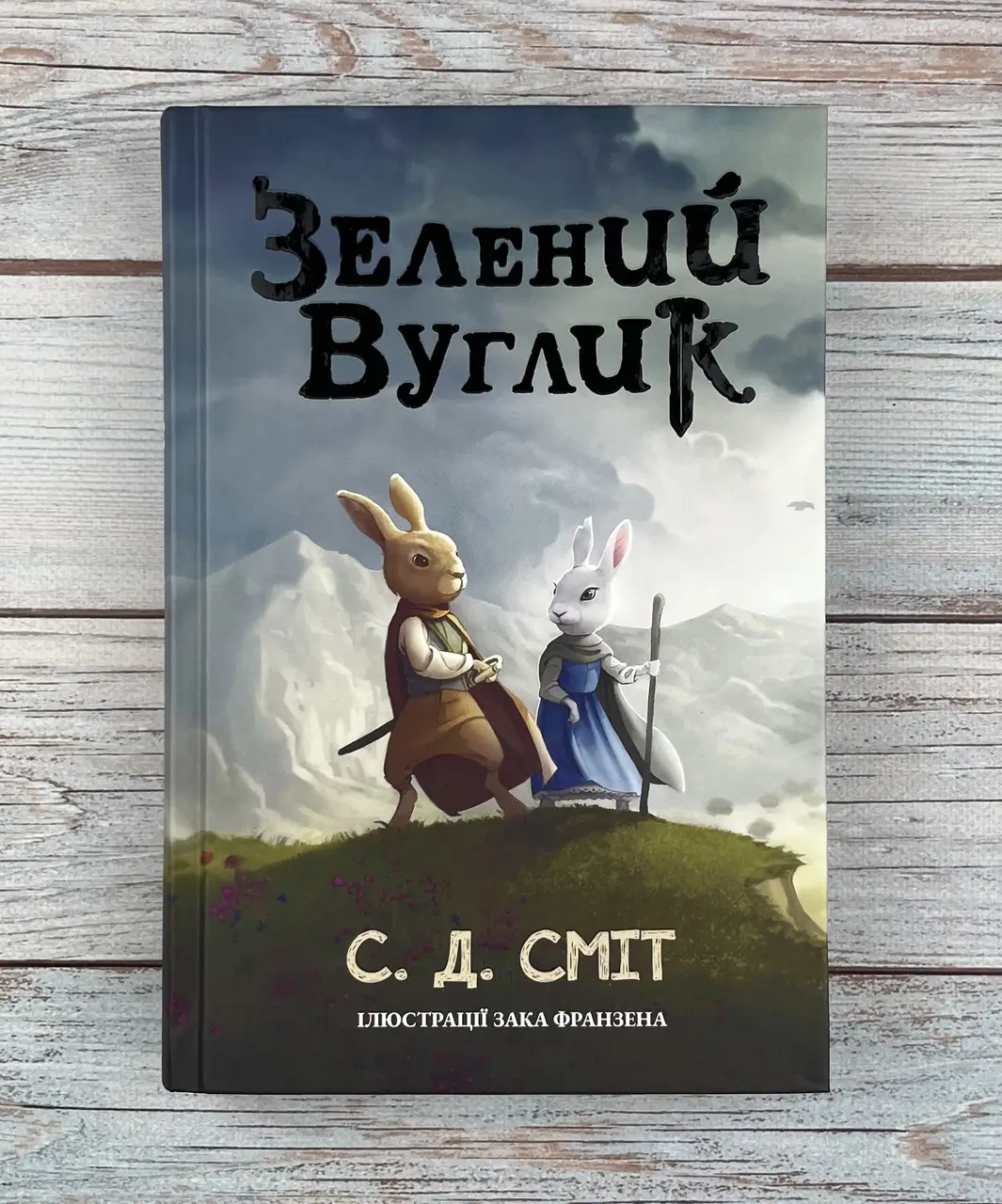
The “Green Ember” series by S. D. Smith, a million-selling adventure saga featuring heroic “rabbits with swords,” is often described as new stories with an old soul. Just last year, the first book in the series, “The Green Ember,” was published by Levit in Ukraine.
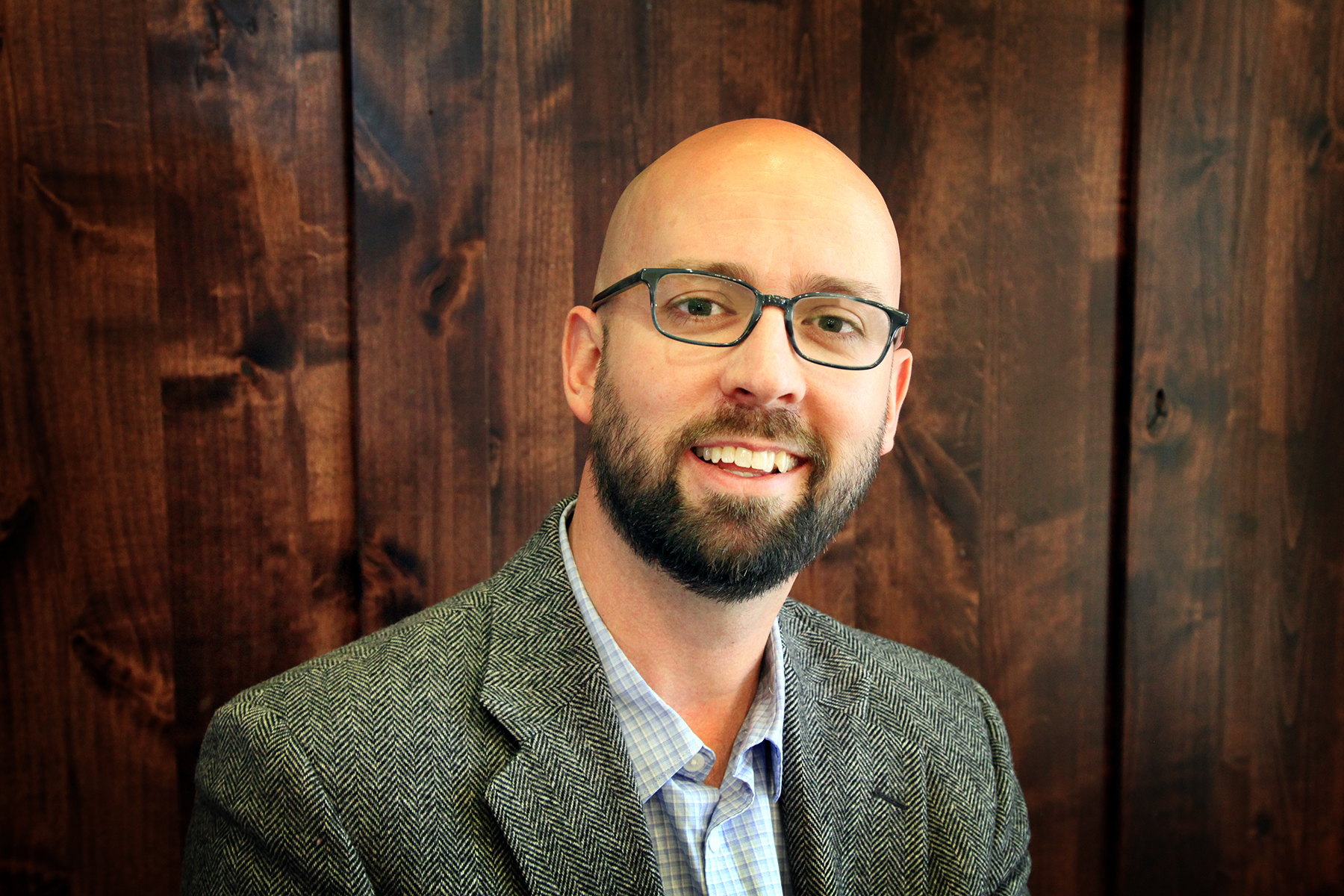
Nadiyka Gerbish spoke with S. D. Smith, an author whose children’s books explore timeless questions of good and evil. While his reflections on these themes are rooted in a Christian worldview, his stories reach far beyond a religious audience. By addressing universal human experiences and moral dilemmas, his works invite readers of all backgrounds to engage with questions of character, choice, and meaning.
Nadiyka Gerbish: How did you discover you were a writer?
S. D. Smith: A teacher, Ms. Giner, read “Little Women” to our class when I was in 1st grade (around 6 years old). When I heard about Jo March’s writing adventures, I thought, “Now that’s a cool job.” I would write stories here and there as a kid, but I was always playing and, though I didn’t know it at the time, world-building. That was the start of it all.
Nadiyka Gerbish: And what kind of books did you enjoy reading back then?
S. D. Smith: I wasn’t an independent reader as a boy. That came later, as a teenager. I did love being read to. Mrs. Giner also read “The Boxcar Children,” which I dearly loved. And “Lassie.” Mom read us “God’s Smuggler,” and, most importantly for me, “The Chronicles of Narnia.” The first books I loved as a teen were “Ender’s Game,” and then, what would become my favorite books, “The Lord of the Rings,” “Till We Have Faces,” “Cry, the Beloved Country,” “The Adventures of Robin Hood” (by Roger L. Green), and many more.
Nadiyka Gerbish: What about your reader’s shelf now? Do you think you are old enough already to start reading fairy tales again? What are your favorite books?
S. D. Smith: I love English literature of many kinds. I always love Jane Austen, Charles Dickens, and Arthur Conan Doyle. I love nautical adventures, especially the Aubrey/Maturin Series by O’Brian. “A Tale of Two Cities” and “The Count of Monte Cristo” are near the top of my list.
Nadiyka Gerbish: What kind of person were you when you started writing? In what ways did you grow while telling the stories of bravery and hope?
S. D. Smith: “The Green Ember” stories, as well as my other books, certainly have elements of my own struggles and joys.
When I first wrote “The Green Ember,” it was one of the most painful years of my life, for many reasons. My health, on many fronts, was poor. My father was in a medical crisis. It was in the darkness of that year that the small flame of that story was made, and became something we could share with others. It could only have been God’s kindness.
Nadiyka Gerbish: You often say that you wrote these books for your four children. Did your children help you invent the world of your stories as you were telling them?
S. D. Smith: I don’t think so. They are very creative and certainly could have, but those stories were a gift from me to them. Their attention, enthusiasm, and love were tremendous gifts along the way, and it never would have otherwise happened.
Nadiyka Gerbish: What friendships have impacted you the most as a writer, and how?
S. D. Smith: My brother-in-law, Andrew, really believed in me as a writer. He had the knowledge, skillset, and will to share “The Green Ember” with others. His friendship and partnership was life-changing for me. My brother, Josiah, has been the most encouraging voice along the way, and a vital partner in a million ways. Zach Franzen, artist and collaborator, has been enormous. My son, Josiah Caleb (who is named for my brother) has helped me more than anyone else on the story front. He’s brilliant and kind and I love collaborating with him.
RELATED: Chytomo choice: 10 books for children by Ukrainian writers
Nadiyka Gerbish: Did little family anecdotes slip into the story (like baby Jacks playing with father’s spectacles and making him anxious, or mom teasing father for his posh way of talking)?
S. D. Smith: Yes. The games are where it’s most clear in connection to our home. We played Hoopvolley often on our front porch, especially my son Micah, and I. I put that in the books in “Ember Rising.” We played Castle Wars often, and that’s in the stories. I don’t think it happens often, but I would sometimes dip into our experience for moments.
Nadiyka Gerbish: How has the place where you were born and are raising your own kids shaped your inner landscape and the maps of your stories? Many Europeans tend to see America as New York + Los Angeles, thanks to the popular movies. West Virginia seems to be quite different: breathtakingly beautiful but struggling with challenges such as depopulation and low educational attainment. Do you think the stories you are telling can bring healing to the place you love?
S. D. Smith: I have travelled a lot, both across America and internationally. I have never been anywhere more beautiful than West Virginia. And, for me, it is more than vistas, it’s home. I was raised, like many of my neighbors, with a deep affection for this place and these people. It is very different than coastal media culture (NY, LA, etc.), and those influencers often tell stories about where I live with an arrogance and ignorance that is astonishing.
It is rare to see a positive, faithful portrayal of “hillbillies” from our state or region. We do have struggles, and I am quick to own them.
We are overlooked or ridiculed often, but many of us are committed to serving here and helping shape a better future, by God’s grace. I don’t see us mainly as victims — though that story is tempting — but as people who are capable of thriving and sharing our unique gifts with others.
Nadiyka Gerbish: For many years now, I have had this thought in the back of my mind: if I were ever to have to move to the States, even temporarily, I would certainly want to choose either West Virginia or Wisconsin. Of course, I also hope I never have to move because, like you, I was raised with deep affection for our land and people.
Even after the war is over; even if we get the just peace we are praying and fighting for, there will be challenges, depression, depopulation, and lots of arrogance from our neighbors and even allies. How do we keep our focus on hope, and how do we keep telling the good stories that are both beautiful and true?
S. D. Smith: I think you are more qualified to answer that question than I am. I am inspired by you and your nation’s endurance, resolve, fortitude, and commitment to truth and the good fight. I do think the essential thing for me is to look at and through the good examples of our age and others to the true new world that is coming in the kingdom of God. I can only think of hope and beauty and truth as it works back into the present and that begins in prayer. It continues in other good acts, and in dogged determination to be faithful regardless of the circumstances. I know this in my mind, and it’s easy to comment on. But that’s why I keep needing the stories, because I want to feel it and experience it, even if it’s vicarious through a fictional adventure. I need it.
Nadiyka Gerbish: Your books help the kids learn not only about the existence of hope, but also the existence of evil in the world. Why do ‘dragon’ figures have to exist in children’s stories for them to sound true?
S. D. Smith: I look at the world and I see evil and conflict and a sad absence of safety and ease. I think we need stories for kids that are honest about the world in ways that kids can process faithfully.
I don’t think “safe” stories are really very safe in the end, because they don’t equip kids to face the dragons they will certainly encounter.
Nadiyka Gerbish: There’s this often-quoted line by Chesterton: “Fairy tales, then, are not responsible for producing in children fear, or any of the shapes of fear; fairy tales do not give the child the idea of the evil or the ugly; that is in the child already, because it is in the world already. Fairy tales do not give the child his first idea of bogey. What fairy tales give the child is his first clear idea of the possible defeat of bogey. The baby has known the dragon intimately ever since he had an imagination. What the fairy tale provides for him is a St. George to kill the dragon.” What kind of dragons do kids have to be aware of today?
S. D. Smith: I think we can over-fixate on evil. Of course, we can be naïve and oblivious as well. But actual evil is not all that interesting. It’s always the same boring routine of conquest, dominance, and enslavement. It’s not an enduringly exciting prospect. I am more excited about showing heroes who oppose evil. I think that’s where the truly fascinating complexity lies. The dragons always lie, always steal, kill, and destroy. As Chesterton said, we need Saint Georges, real and fictional, to show us how to fight back. I’m in that business. That’s my vocation.
Nadiyka Gerbish: A prominent American historian, Marci Shore, remarked that it was high time for us to reclaim the language of evil, thus challenging the post-modern relativism in everyday life. Do you believe there are not only different kinds of good, but also real evil in real life, the one we can’t just make a deal with but have to condemn and confront?
S. D. Smith: The modern experiment of relativizing morality is a failure. Clarity is kindness, and there are clear moral evils in the world. We have leaders sometimes who struggle for clarity on what is evil, and there are complexities to every situation, but the world remembers with affection those leaders who have called evil by its name, and opposed it with determined opposition. And we can see that the experiment of relativizing evil isn’t all that new. It’s as old as, “Has God really said?” by a dragon in a garden.
Nadiyka Gerbish: Tolkien denied the assumption that the ring was the symbol of an atomic bomb, and he wasn’t a fan of the whole allegories and symbolism stuff, either. Would you like for a child reading your book in a war-torn country, as a refugee, etc., to see the hope for her own world?
S. D. Smith: It is my sincere aspiration and devout prayer that my stories would serve real children where they are with light and love and hope. I am keen to not only give them hope of a future mending, but equip them internally with courage and healing and hope right now. Hope in a future mending works backwards in time to our present, and makes us shine like stars in the darkness. My heart is to love and serve kids and families wherever they are, and give them light they can carry with them wherever they go, whether that’s a cancer ward or a war-torn city.
RELATED: Five Ukrainian books for the holiday season in English and French translations
Copyediting: Ben Angel
Читомо» — це медіа про книжки й літературу, що підтримувало українське книговидання задовго до того, як це стало трендом. Ставайте частиною історії — доєднуйтеся до Клубу Читомо!
the more you read, the greater the possibilities
382
children's books
35 books from Ukraine and Central and Eastern Europe selected for international children’s and young adult literature catalogue The White Ravens 2026
01.10.2026 -
55
children literature
Children’s book print volume in Estonia falls by more than a fifth in 2025
24.08.2026 -