* ESC - close the search window
Czechia
Thousands protest in Prague as Czech government moves to overhaul public media funding
26.10.2026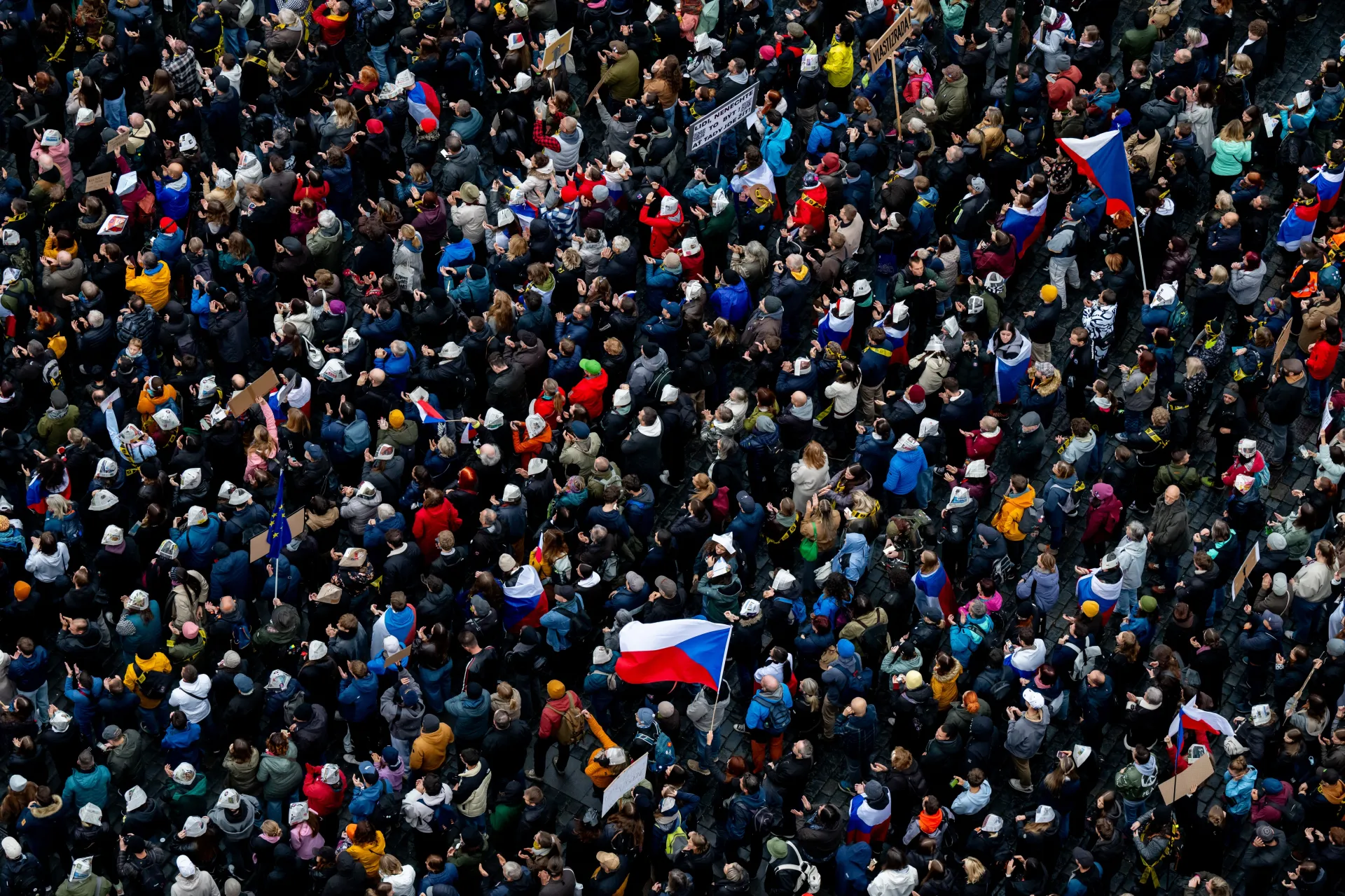
Czech Prime Minister Andrej Babiš has refused to withdraw a bill that would replace licence fees for public television and radio with direct state funding, despite mass demonstrations and warnings that the changes could threaten media independence. On Oct. 26, he said the governing coalition would proceed with the legislation, although amendments remained possible.
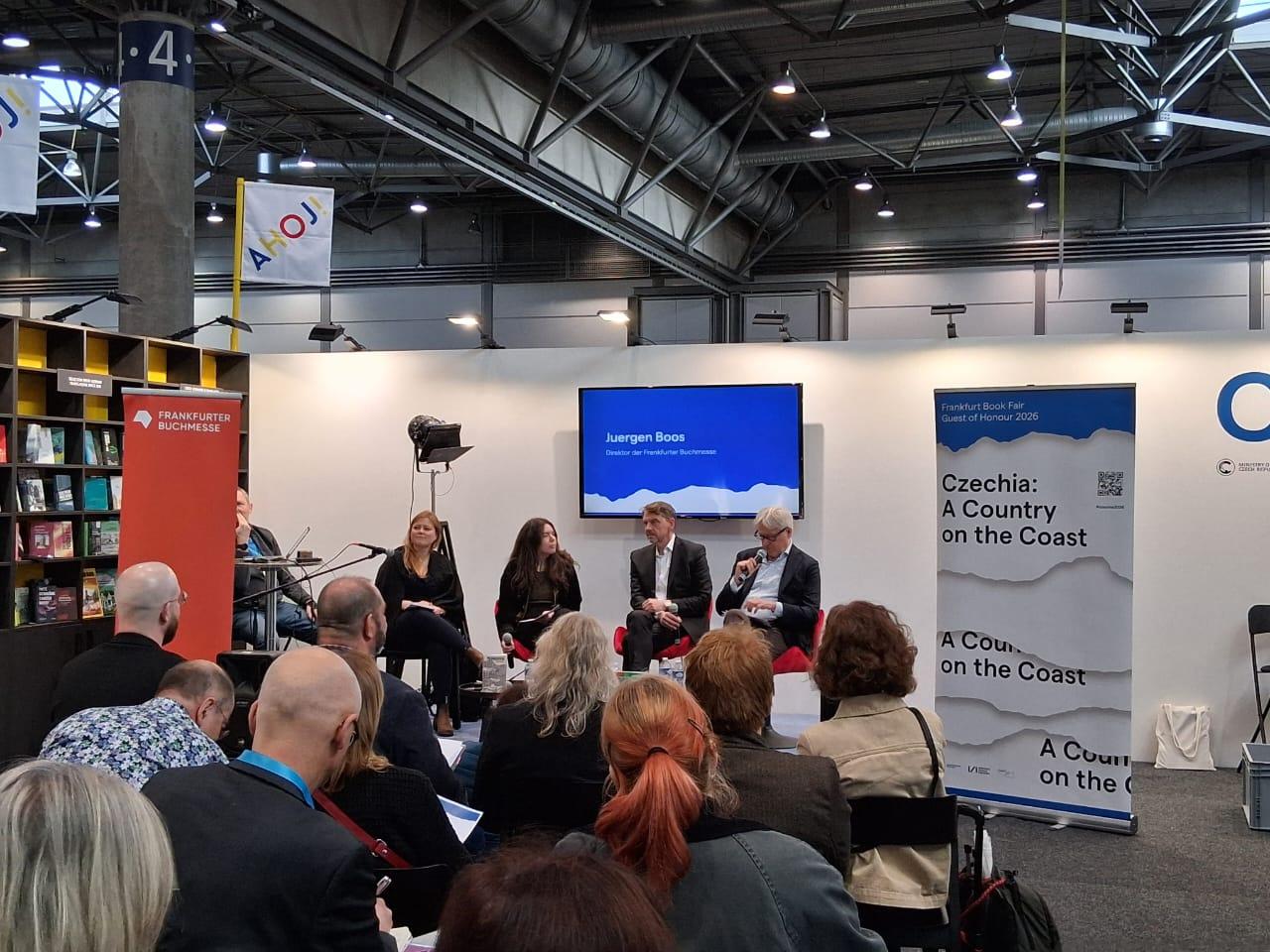
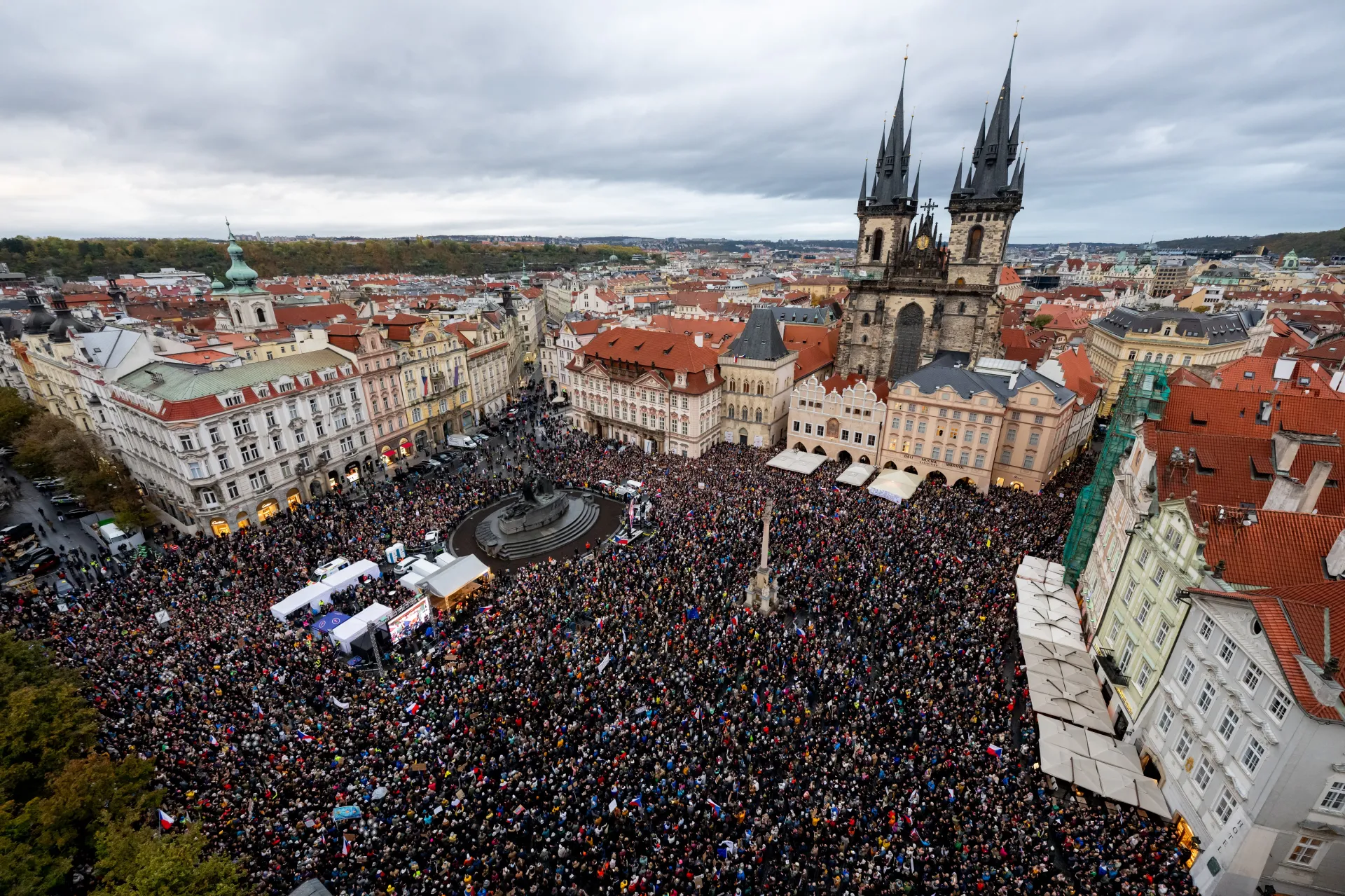
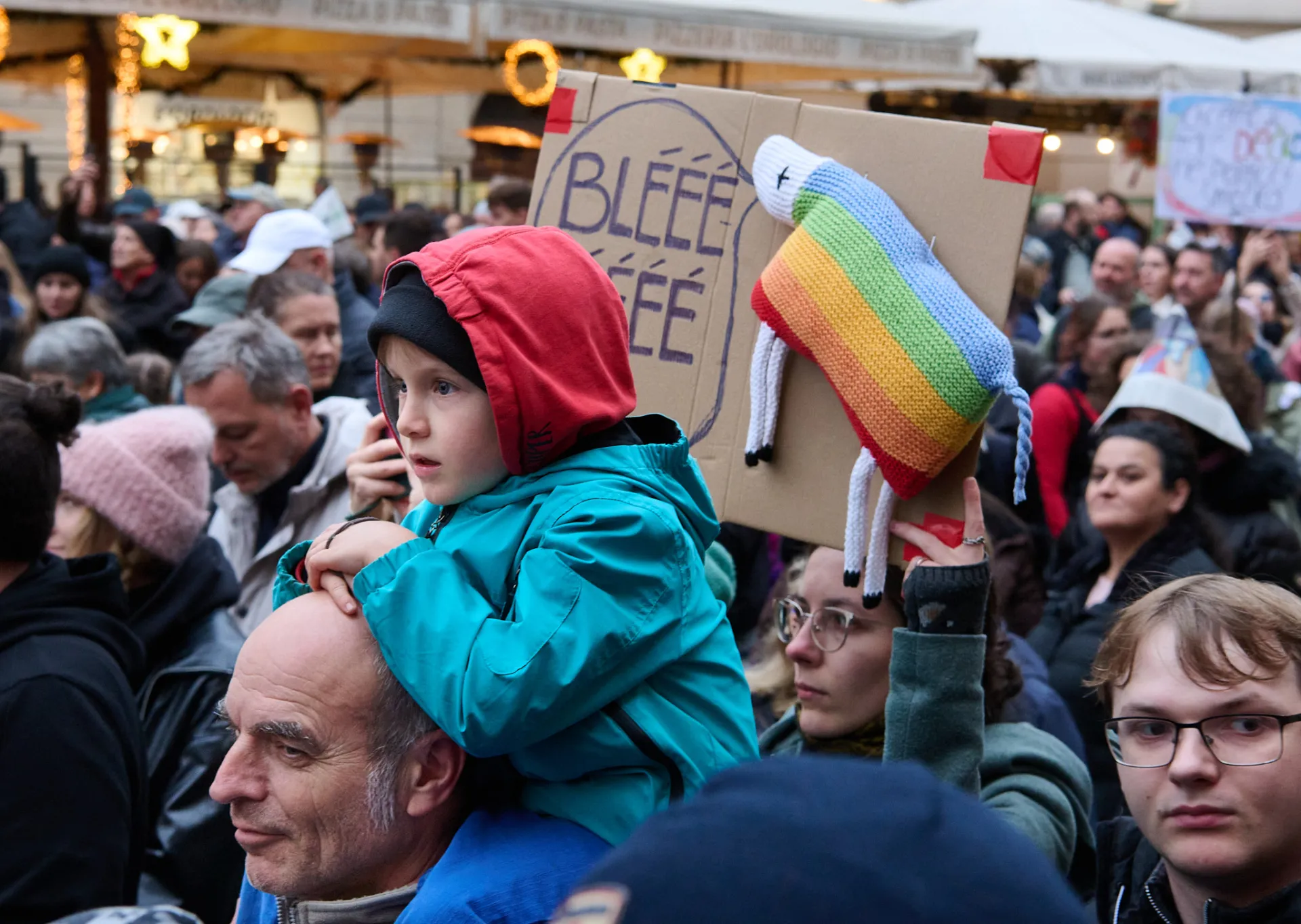
Following protests over the Czech government’s cultural policies at the Frankfurt Book Fair earlier this month, thousands of people gathered in Prague’s Old Town Square on Oct. 25 to oppose the government’s proposed changes to public media funding. The demonstration, titled “Hands Off the Media,” was organised by the civic group Million Moments for Democracy (Milion chvilek pro demokracii). Protesters filled the square and surrounding streets, carrying Czech flags and signs defending the independence of Czech Television (ČT) and Czech Radio (ČRo).
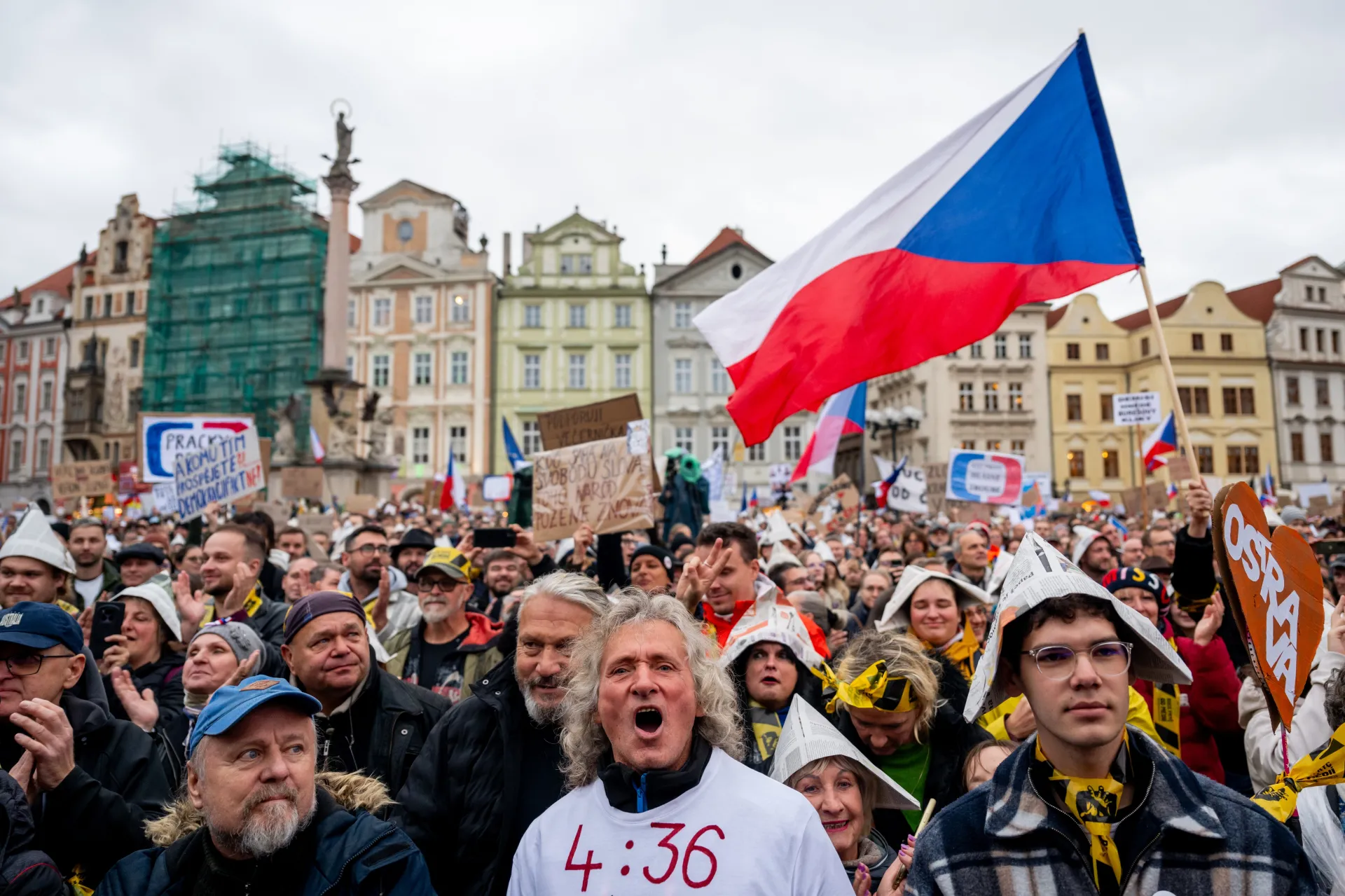
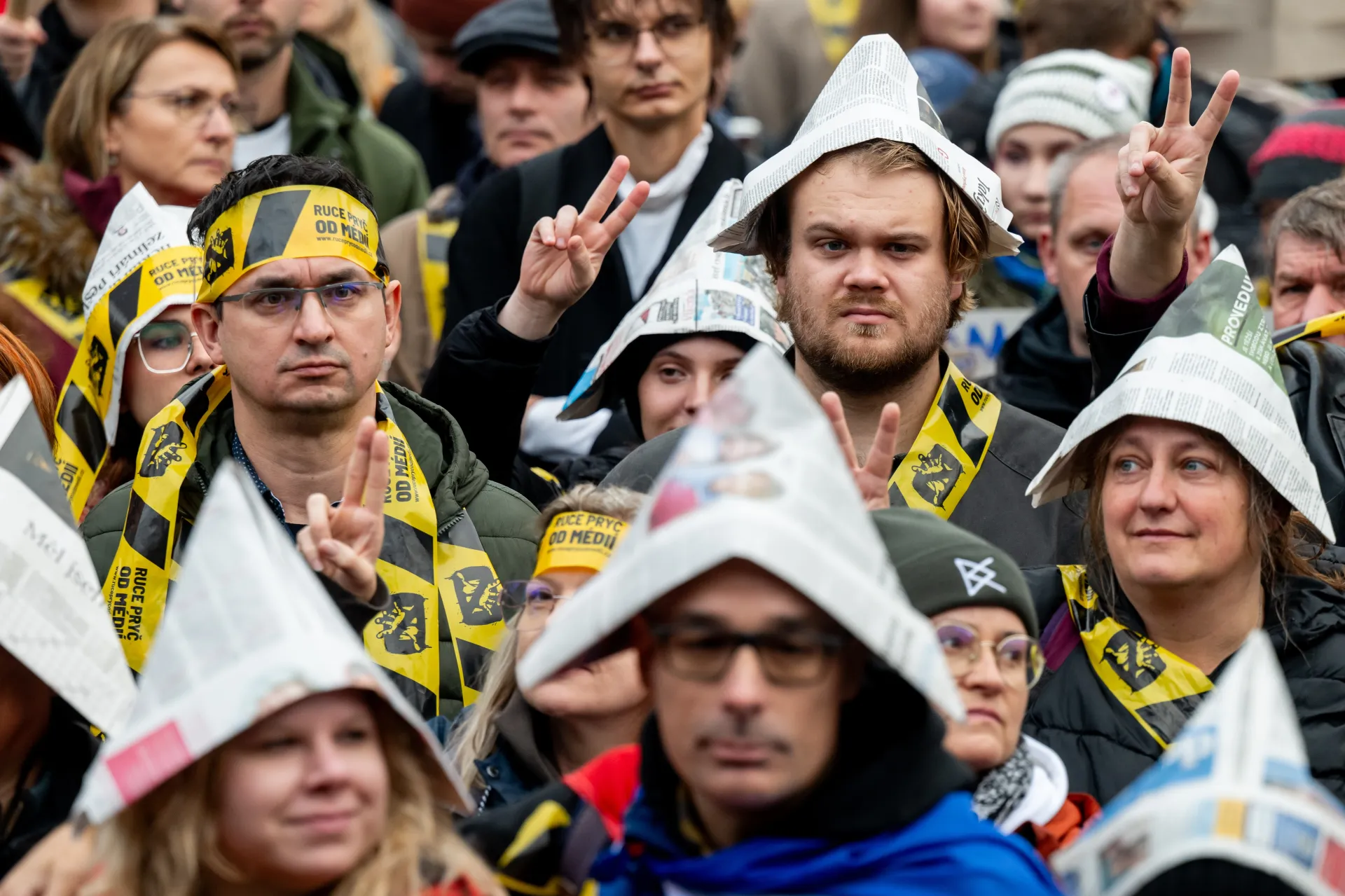
Mikuláš Minář, head of Million Moments for Democracy, criticised the government’s accelerated handling of the legislation. Organisers demanded that the coalition withdraw the bill, apologise to citizens for the overnight parliamentary vote, and agree to a public televised debate on the proposed reform.
The demonstration also drew members of the cultural and journalistic communities, including actors Tomáš Hanák, Eva Holubová, Aňa Geislerová, Kristýna Frejová, and Miloň Čepelka. Journalist Lída Rakušanová addressed the crowd, emphasising the historical significance of Czech Television and Czech Radio as symbols of resistance. Representatives of the Theatre Faculty of the Academy of Performing Arts in Prague also announced a strike during the rally.
Protests took place outside the capital as well. Approximately 4,000 people gathered in Brno on Oct. 24, while smaller demonstrations were held in Liberec, České Budějovice, Jindřichův Hradec, and Humpolec. Organisers announced another demonstration for Nov. 15 at Prague’s Letná Plain, ahead of the anniversary of the 1989 Velvet Revolution.
Under the proposed reform, the current combined household broadcasting fee of 205 Czech crowns per month would be abolished, with Czech Television and Czech Radio instead receiving funding directly from the state budget. According to a joint statement by European media organisations, the changes would reduce the broadcasters’ combined annual funding by approximately 15%, or from 64.3 million US dollars to around 358.1 million US dollars.
The Czech Chamber of Deputies advanced the bill through its first reading on Oct. 24, following an overnight debate. The vote took place at 4:36 a.m. after Speaker Tomio Okamura restricted parliamentary debate, prompting criticism from opposition lawmakers. The legislation was referred to parliamentary committees for further consideration, while opposition representatives announced plans to challenge the procedure before the Czech Constitutional Court and the European Commission.
Critics warn that the proposed funding model could make public broadcasters more vulnerable to political interference and weaken their financial independence. The European Broadcasting Union, European Federation of Journalists, and other international media organisations called for adequate, sustainable, and predictable funding in accordance with the European Media Freedom Act.
Babiš has rejected claims that the reform threatens media independence, arguing that abolishing licence fees would reduce household expenses. He said the broadcasters’ funding would be guaranteed by law and adjusted for inflation. Czech Culture Minister Oto Klempíř has also defended the proposal, describing state-budget financing as a model used elsewhere in Europe. The prime minister has indicated that amendments could be introduced during further parliamentary consideration, including a provision allowing voluntary contributions to public broadcasting.
Employees of Czech Television and Czech Radio have announced a one-day strike for Nov. 3 in opposition to the reform. According to representatives of the Veřejnoprávně initiative, the action is expected to affect programming across Czech Television’s channels, including news broadcasts, with the most noticeable changes anticipated on the ČT24 news channel. The organisers said the precise format of the strike would be announced beforehand.
As reported earlier, the Czech government adopted a contested cultural policy framework for 2026–2029 in October, despite objections from professional organisations. The decision came amid reductions and restrictions in funding for cultural, literary, and publishing programmes.
Similar concerns over public media independence have also prompted protests elsewhere in Central and Eastern Europe. As reported earlier, approximately 10,000 people demonstrated in Vilnius in April 2026 against proposed amendments to the law governing Lithuanian National Radio and Television (LRT). Critics warned that changes to the broadcaster’s leadership appointment and dismissal procedures could increase political influence over the institution.
Photos: ČTK/Ondřej Deml
Читомо» — це медіа про книжки й літературу, що підтримувало українське книговидання задовго до того, як це стало трендом. Ставайте частиною історії — доєднуйтеся до Клубу Читомо!
the more you read, the greater the possibilities