* ESC - close the search window
fonts
Ukraine unveils national typeface Zakon to replace Russian-origin fonts in official documents
12.11.2026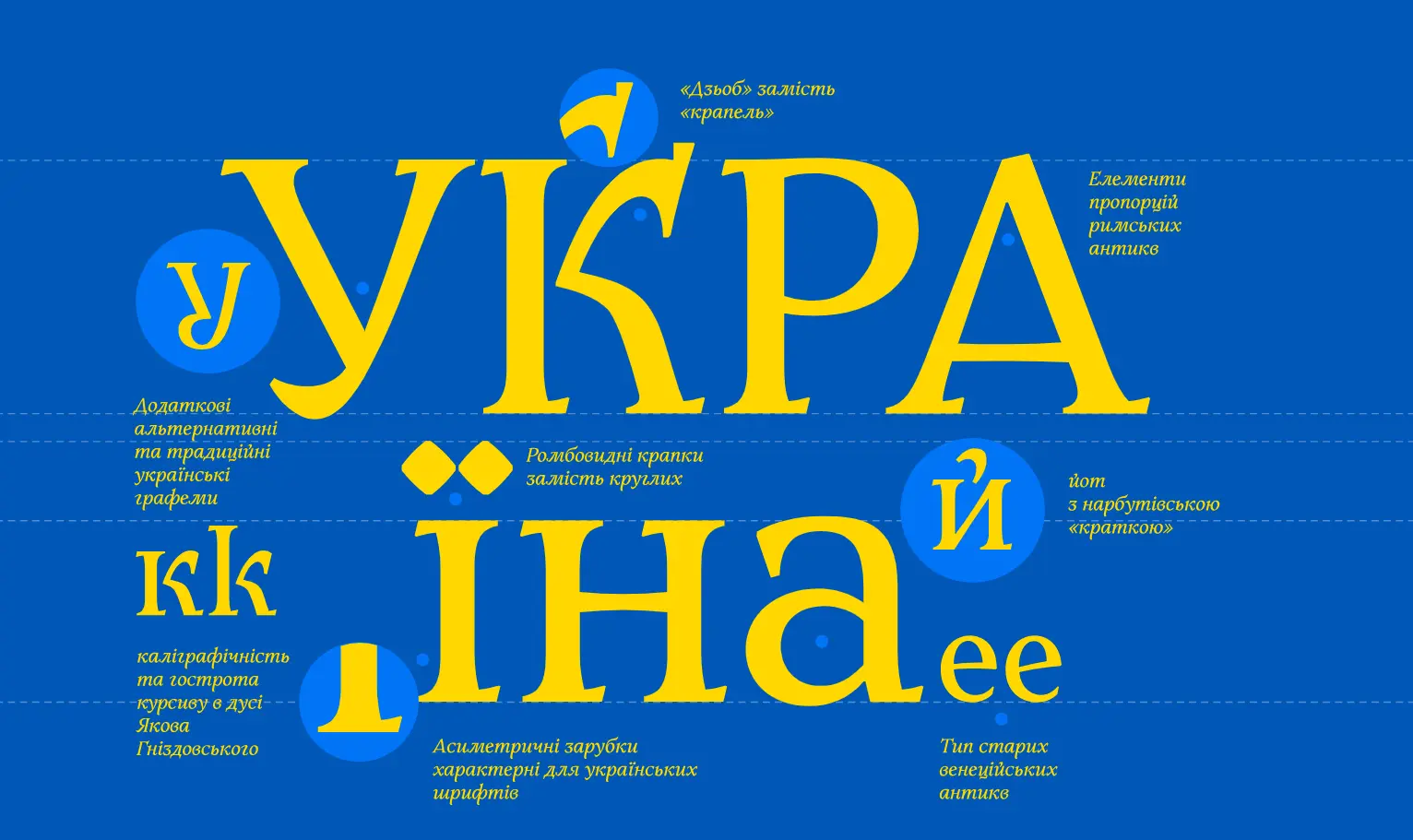

You see an error in the text - select the fragment and press Ctrl + Enter
Developers of Ukraine’s new national typeface Zakon are expanding its Cyrillic and Latin character sets for use by Ukrainian diplomatic missions. The typeface remains in beta testing after about a year of development, project lead Taras Ishchyk, a junior sergeant and creator of the Armed Forces of Ukraine’s visual identity, told Chytomo.
“Development took about a year, and it is still ongoing, as the typeface is currently undergoing beta testing. Users can leave feedback on its use at mincult.gov.ua/zakon and learn more about the typeface’s concept. Work is now underway on extended Cyrillic and Latin character sets so that our diplomatic missions can effectively conduct business communication using this typeface,” Ishchyk said.
Zakon was officially presented in Kyiv on Oct. 29 during a forum marking Ukrainian Language and Literacy Day. Named Zakon, meaning “law,” it draws on Ukraine’s graphic design heritage and is intended for government correspondence, legislation, and ceremonial documents.
According to the Ukrainian Ministry of Culture, government institutions still use Russian-origin typefaces, including Izhitsa and Petersburg, on certificates, diplomas, awards, and plaques, as well as fonts adapted to Cyrillic by the Russian company ParaType. Zakon is intended to gradually replace these designs with lettering rooted in Ukrainian artistic traditions.
Ishchyk explained that Zakon Decor, the decorative version of the new typeface, was developed specifically to address this issue. “Zakon Decor was developed primarily to replace the Russian typeface Izhitsa on plaques on the facades of government buildings and in headings of ceremonial documents, and it is distinguished by its distinctly Ukrainian elegance and ornamentation,” he said.
The initiative was launched by Ukrainian Parliament Speaker Ruslan Stefanchuk and implemented by the Culture Ministry with financial support from the Ukrainian employment platform Work.ua. It was presented at the forum “Ukrainian – the Language of Free.”
“A typeface is part of the recognizable image of the state. Through the shape of its letters, it conveys the character of our culture and makes it present in everyday life,” said Deputy Prime Minister for Humanitarian Policy and Culture Minister Tetiana Berezhna.
The project also aligns with a parliamentary resolution adopted on Jan. 15, 2026, which recommended that the Cabinet of Ministers develop and approve a unified typographic standard for original texts of Ukrainian laws, parliamentary resolutions, and other parliamentary acts.
Zakon is a classical Ukrainian Antiqua typeface that combines historical lettering traditions with contemporary requirements for document design. The new typeface incorporates asymmetrical serifs, diamond-shaped dots above the Ukrainian letters “і” and “ї,” and a distinctive mark above “й” inspired by the work of Ukrainian graphic artist Heorhii Narbut. Its proportions also draw on the European tradition of classical Antiqua typefaces.
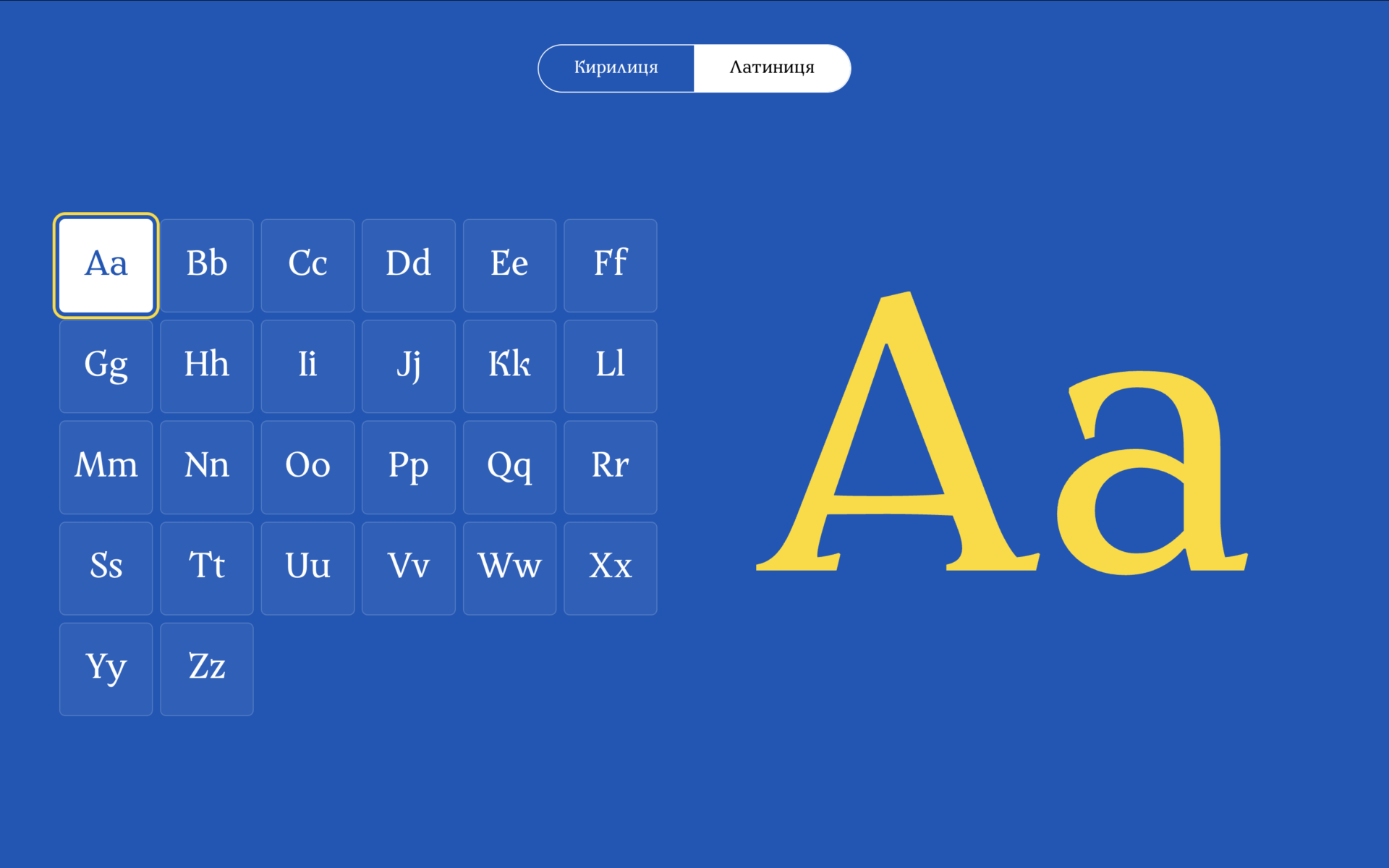
The Zakon family consists of three versions designed for different uses. Zakon Text is intended for administrative correspondence, official documents, and everyday work with text, as well as book typesetting. Zakon Decor was developed for ceremonial documents, awards, large headings, and inscriptions, while Zakon Letterpress is intended for letterpress printing of original legislative and regulatory acts adopted by Ukraine’s parliament.
“Zakon Text is the basic version of this typeface, intended for typesetting books and for use in document management. Zakon Letterpress was developed for printing regulatory acts in a single copy, as well as Ukrainian laws, using letterpress printing with anti-counterfeiting features, which is why it is not widely available,” Ishchyk told Chytomo.
Zakon Text is freely available for public use, while Zakon Decor and Zakon Letterpress are distributed under restricted licenses to a limited group of users. Zakon Text comes in four styles: Regular, Italic, Bold, and Bold Italic. Ishchyk also discussed the historical foundations of Zakon and the development team’s efforts to identify the defining features of Ukrainian typographic traditions.
“Heorhii Narbut, Yakiv Hnizdovskyi and other lettering artists had long wanted to create a Ukrainian Antiqua, but there was either a lack of political will or a lack of time. Since Ukraine’s type design tradition is extensive and multifaceted, the creation of a new Antiqua was a matter of time, and I am proud that this opportunity fell to me and my team,” he said.
The development drew on the work of six Ukrainian graphic artists and typographers: Heorhii Narbut, Vasyl Krychevskyi, Yakiv Hnizdovskyi, Robert Lisovskyi, Vasyl Khomenko, and Vasyl Chebanyk. Narbut, one of the founders of the Ukrainian Academy of Arts, designed some of Ukraine’s first banknotes and the coat of arms of the Ukrainian State under Hetman Pavlo Skoropadskyi. Krychevskyi created the coat of arms of the Ukrainian People’s Republic, while Hnizdovskyi, who lived in exile, sought to bring Ukrainian lettering closer to Western typographic traditions. Lisovskyi was known for his distinctive Ukrainian book lettering, while Khomenko developed a Ukrainian typeface used during the Soviet period. Chebanyk, a prominent contemporary calligrapher, designed the ceremonial copy of Ukraine’s Constitution.
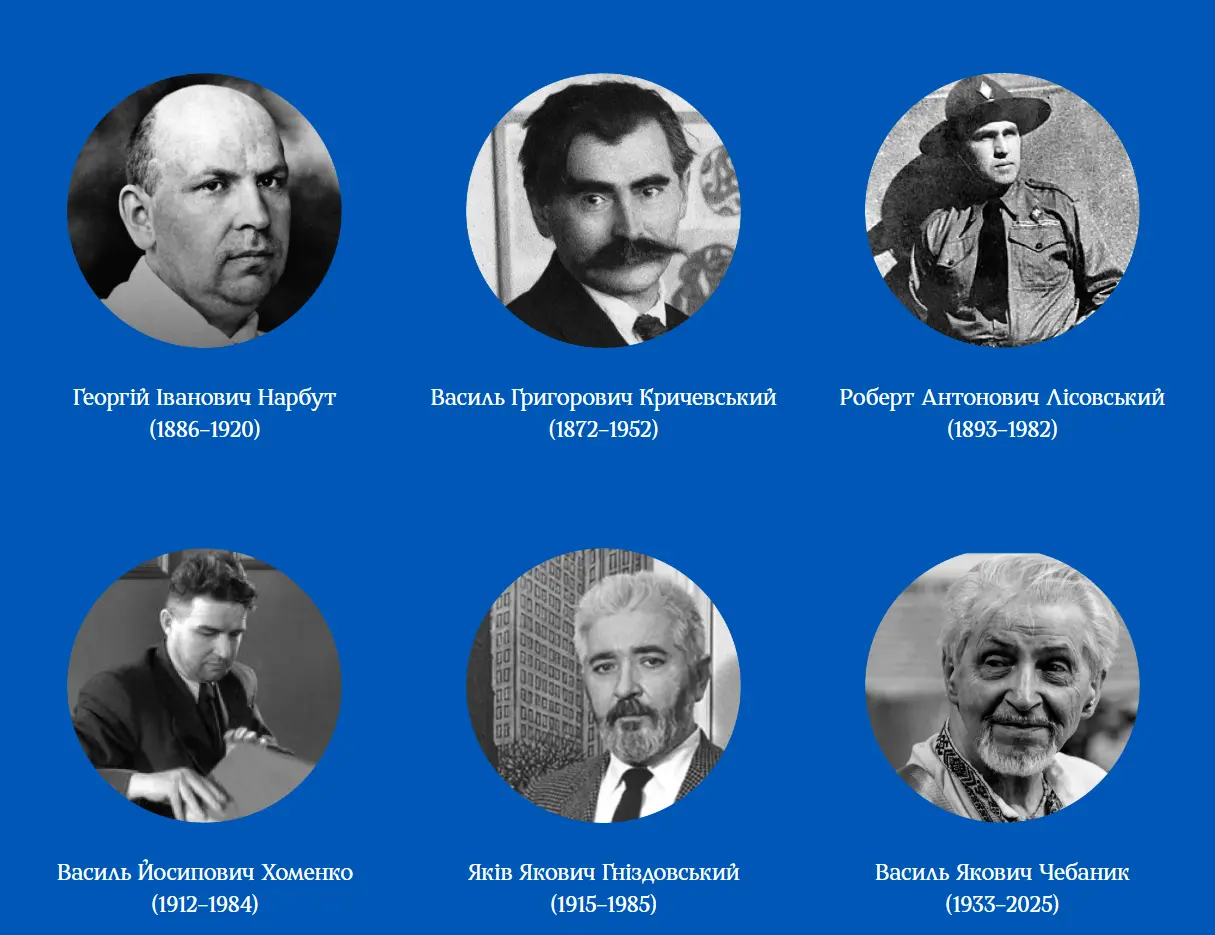
According to Ishchyk, the designers studied the construction of letters, the shapes of serifs, proportions, and decorative elements to develop a typeface that would reflect Ukrainian graphic traditions while remaining suitable for modern official documents.
“To develop the visual concept, we analysed the typographic heritage of Heorhii Narbut, Robert Lisovskyi, Yakiv Hnizdovskyi, Vasyl Khomenko and Vasyl Chebanyk and arrived at a balanced combination of elements that are distinctly Ukrainian, not overly decorative, but instead emphasise the national character of this typeface,” Ishchyk explained.
He said that specialists with different backgrounds in Ukrainian typography, calligraphy, and digital type design worked on the project simultaneously. Combining three typefaces intended for different purposes into a single project took roughly a year, a timeframe he considered unusually short for work of this scale.
“Contemporary lettering artists worked hard to bring together letterforms for different purposes into a single typeface in record time – effectively, in a year. In other countries, such developments can take three years or more. And since wartime requires all of us to be fast and effective, Ukrainian type designers are also delivering exceptionally good results. This demonstrates the state’s attention to Ukrainian type design and supports the work of Ukrainian type designers, who are producing an exceptionally high-quality product,” Ishchyk said.
Four Ukrainian type designers developed Zakon: Oleksii Chekal, a calligrapher and researcher at the Museum of Books and Printing of Ukraine; Hennadii Zarechniuk, a researcher of Ukrainian typographic heritage; Dmytro Rastvortsev, the designer of e-Ukraine and co-creator of UAF Sans for the Armed Forces of Ukraine; and Andrii Shevchenko, the designer of Arsenal.
Rastvortsev also spoke to Chytomo about his contribution to Zakon. He explained that he joined the project after the initial visual concept had been approved and was responsible for developing the decorative version. “I managed to carve out a relatively autonomous area of work for myself. I worked on the ‘ceremonial’ typeface Zakon Decor,” he said.
Rastvortsev drew on his previous research into the work of Narbut and Lisovskyi. However, the principal design decisions had already been established when he joined the project, meaning that he had to develop the remaining characters in accordance with the approved concept.
“I was already familiar with the work of Narbut and Lisovskyi, so I moved quite confidently along a path I had already trodden myself. Though I had to navigate around the orange traffic cones of the already approved concept. Oleksii Chekal had already drawn the letters К, О, Н, С, Т, И, Т, У, Ц, І, Я, У, К, Р, А, Ї, Н, И. I had to finish the rest,” Rastvortsev explained.
In Rastvortsev’s view, Narbut’s influence is particularly evident in Zakon’s asymmetrical serifs. He considers the influence of Vasyl Krychevskyi less apparent. “Krychevskyi’s typefaces are either noticeably more rigid or considerably more elaborate, with more flourishes. So if Krychevskyi is present here at all, his influence barely shows through,” Rastvortsev said.
The Culture Ministry said the transition to Zakon would take place gradually, without requiring the immediate replacement of existing signs, printed forms, or other materials. Government institutions will receive the typeface and installation instructions.
During the initial testing phase, Zakon Text will be used to prepare letters, orders, forms, and other official documents, with feedback helping designers refine its functionality. The publicly available version can be downloaded through the Culture Ministry’s website, where users can also submit feedback.
As reported earlier, Ukrainian type designer Bohdan Hdal developed new lettering for renamed stations in Kyiv’s metro in 2024, seeking to replace Soviet-era typefaces inherited from Moscow.
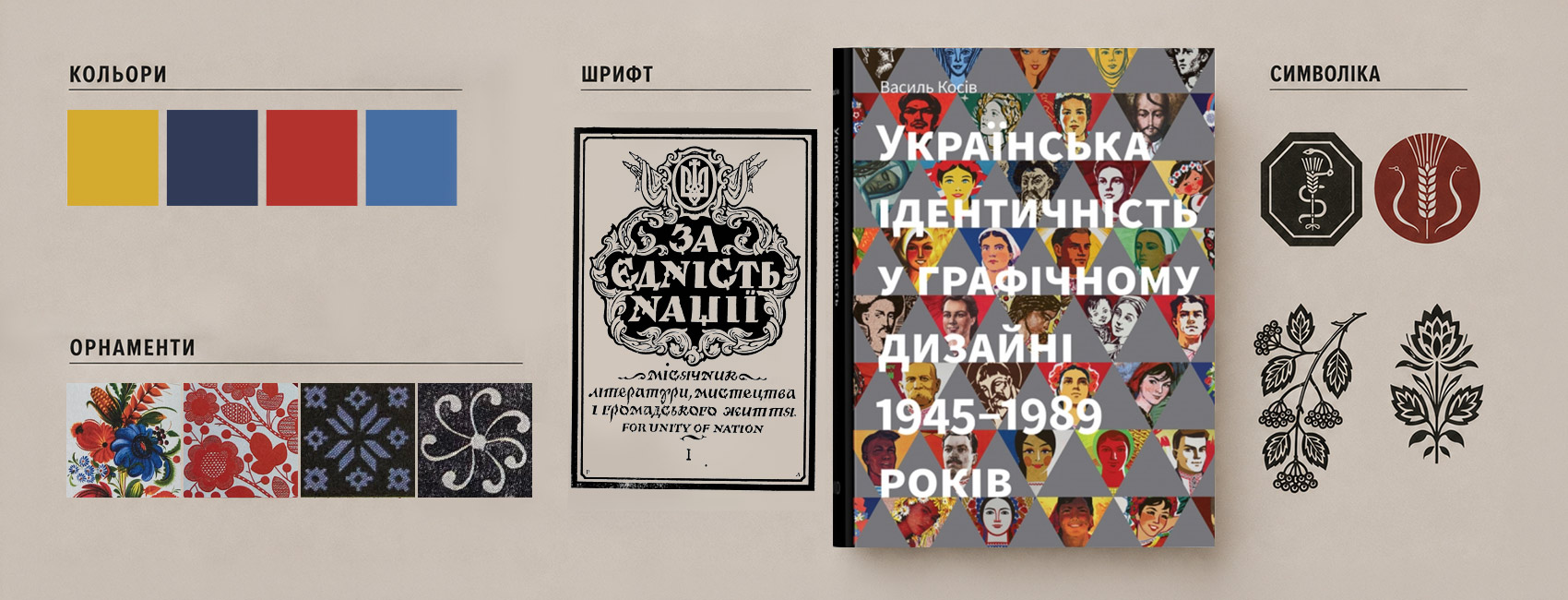
Chytomo also explored how Ukrainian artists used typography and graphic design to express national identity during the Soviet era and in exile. The article highlighted Narbut’s influence on Ukrainian graphic design and how Lisovskyi developed his approach to lettering into a distinctive visual style.
Images: Ukrainian Ministry of Culture website
Читомо» — це медіа про книжки й літературу, що підтримувало українське книговидання задовго до того, як це стало трендом. Ставайте частиною історії — доєднуйтеся до Клубу Читомо!