* ESC - close the search window
Éditions Grasset
Writers quit Éditions Grasset after leadership change
22.04.2026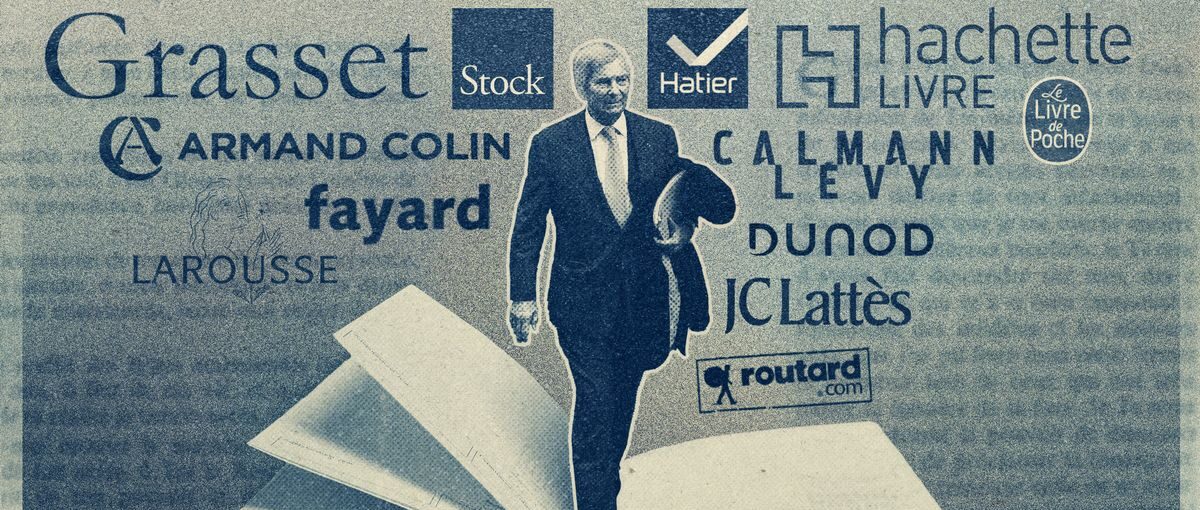
More than 130 writers have cut ties with the French publishing house Éditions Grasset after the abrupt dismissal of its longtime president Olivier Nora, escalating tensions over editorial independence and corporate influence in one of France’s leading literary company.
A total of 130 authors announced they would no longer publish future works with Grasset, according to Euronews, Le Monde, and Reuters. In a joint letter, they denounced what they described as interference in the publisher’s editorial autonomy and an “hostages in an ideological war” they believe is being waged by media magnate Vincent Bolloré, whose group controls Hachette Livre, Grasset’s parent company.
Hachette Livre announced on April 14 that Nora would step down after 26 years. Jean-Christophe Thierry, president and CEO of the Louis Hachette Group, has taken over leadership of the publishing house. No official explanation was given for Nora’s departure.
Among the signatories are Bernard-Henri Lévy, Frédéric Beigbeder, Virginie Despentes, Vanessa Springora, and Serge Chalandon. They described Nora as a central figure within the publishing house, emphasizing his role in maintaining a space where authors with differing views could work together.
“[The publishing house] was our home — a unique one — because authors with even the slightest differences of opinion could work together peacefully there. Nora was its cornerstone and the glue that held it together, thanks to his moral elegance, approachability, and dedication,” the authors said.

Olivier Nora
Nora’s leave comes amid broader changes at Hachette Livre following its acquisition by Bolloré in 2023. Critics have accused the businessman of using his media holdings, including the CNews, to promote right-wing and far-right positions. Several senior executives have also left the group, including Arnaud Nourry and Sophie de Closets.
Some Hachette imprints have faced controversy over shifts in editorial direction. Fayard, for example, has published authors associated with right-wing and far-right views, including former president Nicolas Sarkozy, Jordan Bardella, and Philippe de Villiers.
One factor cited in reports about Nora’s dismissal is a dispute over the timing of a forthcoming book by Franco-Algerian writer Boualem Sansal, who recently joined Grasset. According to Euronews, disagreements may have arisen over the publication schedule of a book addressing his imprisonment in Algeria. Sansal has rejected this account, stating that Nora informed him he had no involvement in the matter.
Bolloré responded to the allegations in comments to Le Journal du Dimanche, saying he does not hold a formal role at Hachette but sought to clarify the situation. He stated that Sansal’s book is scheduled for publication on June 6, while Nora had proposed postponing it until later in the year, contrary to Hachette’s position. He added that decisions within a company, as in a democracy, are made by majority.
He also linked the conflict to Grasset’s financial performance, noting a decline in revenue from €16.5 million in 2024 to €12 million in 2025 and a drop in operating profit. He further stated that Nora’s annual salary had increased during that period.
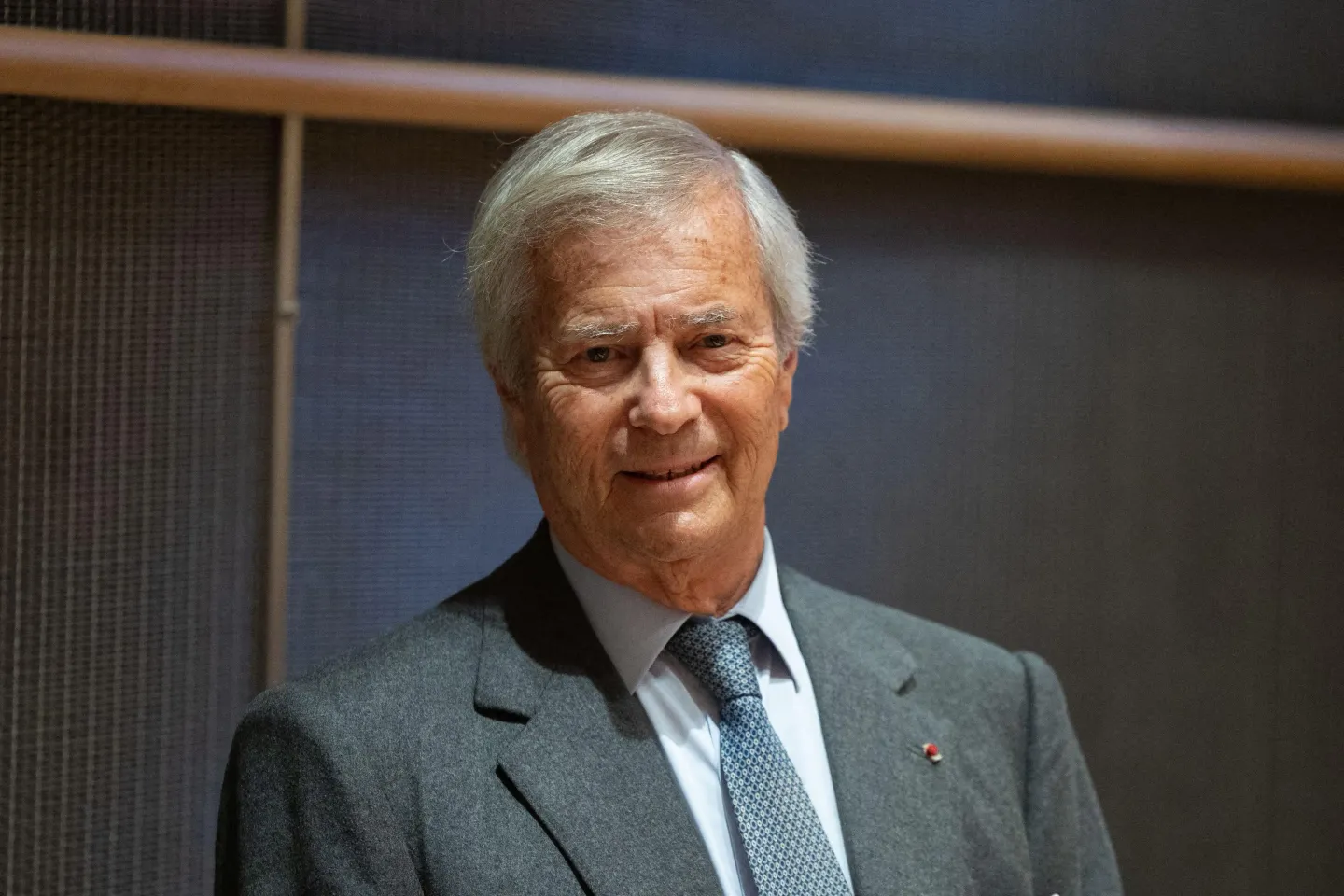
Vincent Bolloré
The dispute comes as the Louis Hachette Group reports its first-quarter 2026 results. Lagardère Publishing, which includes Hachette Livre, recorded revenue of €615 million, down 1.1% year-on-year. In France, however, Hachette Livre’s sales rose by 1% despite a 6% market decline, supported in part by titles such as Guillaume Musso’s “Le Crime du Paradis” and the final volume of Pierre Lemaitre’s “Les Belles Promesses.”
Bolloré’s influence in the French publishing sector is tied to his control of Hachette Livre, the country’s largest publishing group, acquired in 2023. Its portfolio includes Grasset, Fayard, Stock, Calmann-Lévy, Larousse, JC Lattès, Albert René, and the Le Routard travel guides. As noted by Franceinfo, this control is exercised through his wider media interests, including Vivendi.
The situation has prompted political reaction. During a visit to the Paris Book Fair, French President Emmanuel Macron expressed support for the departing authors and stressed the importance of defending editorial pluralism and creative freedom.
This year’s fair, held from April 16 to 19, is taking place without a Grasset stand. The publisher withdrew following Nora’s dismissal, while Hachette had already organized a separate event in March to mark its 200th anniversary. Only four of its imprints, including Calmann-Lévy and Le Livre de Poche, are participating.
In a joint column, publishers including Antoine Gallimard and Françoise Nyssen argued that the issue extends beyond literature, touching on broader concerns about pluralism, creativity, and editorial independence. Vincent Montagne, president of the National Union of French Publishers, described Nora’s removal as “a cause for concern,” noting that the speed of the decision unsettled the professional community.
Hachette Livre remains one of the world’s largest publishing groups, ranking sixth globally in 2017 and reporting revenues exceeding €3 billion in 2025. The publishing house also publishes Ukrainian literature.
RELATED: Anastasiia Fomichova, a Ukrainian writer, political scientist, and former combat medic of the paramedic battalion “Hospitallers,” published her book “Volia” with Éditions Grasset. The book has become one of the winners of the Prix littéraire André Malraux.
Images: Apollonia Hilverda/FRANCEINFO, ABACA /Raphaël Lafargue, Caroline Paux/Hans Lucas
Читомо» — це медіа про книжки й літературу, що підтримувало українське книговидання задовго до того, як це стало трендом. Ставайте частиною історії — доєднуйтеся до Клубу Читомо!
the more you read, the greater the possibilities