* ESC - close the search window
Valeriy Puzik
Ukrainian writer and soldier Valeriy Puzik on culture and military literature — at the Frontera Literary Festival
12.08.2026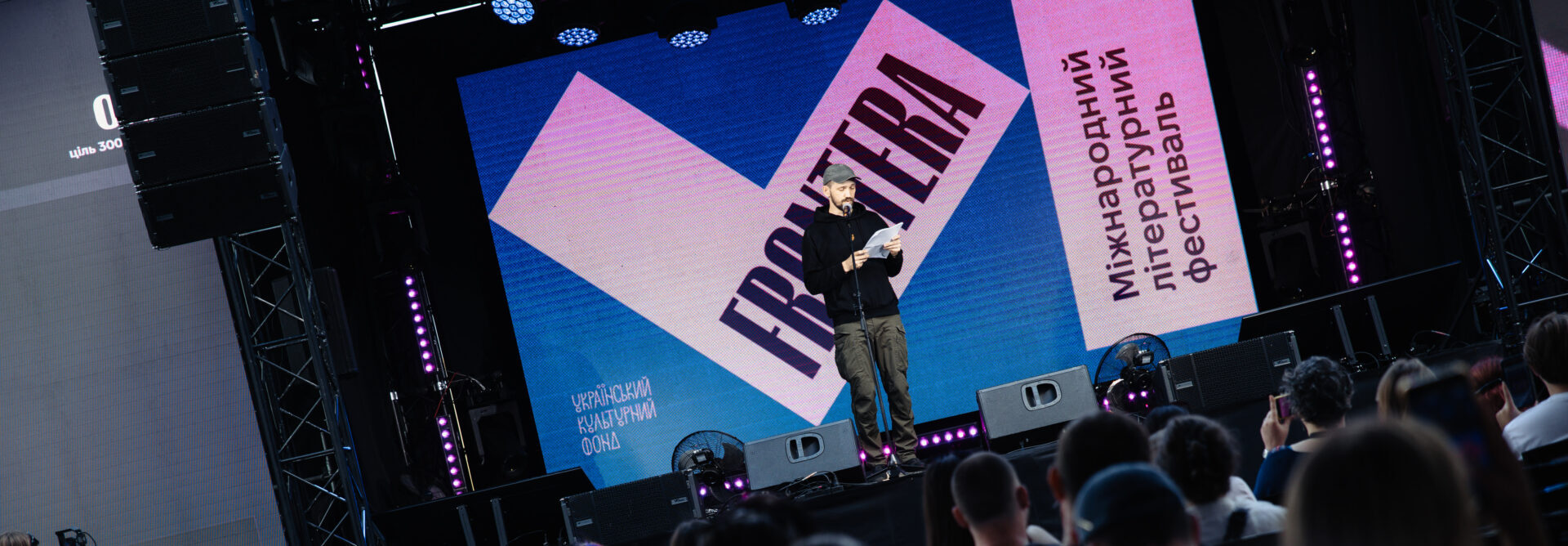
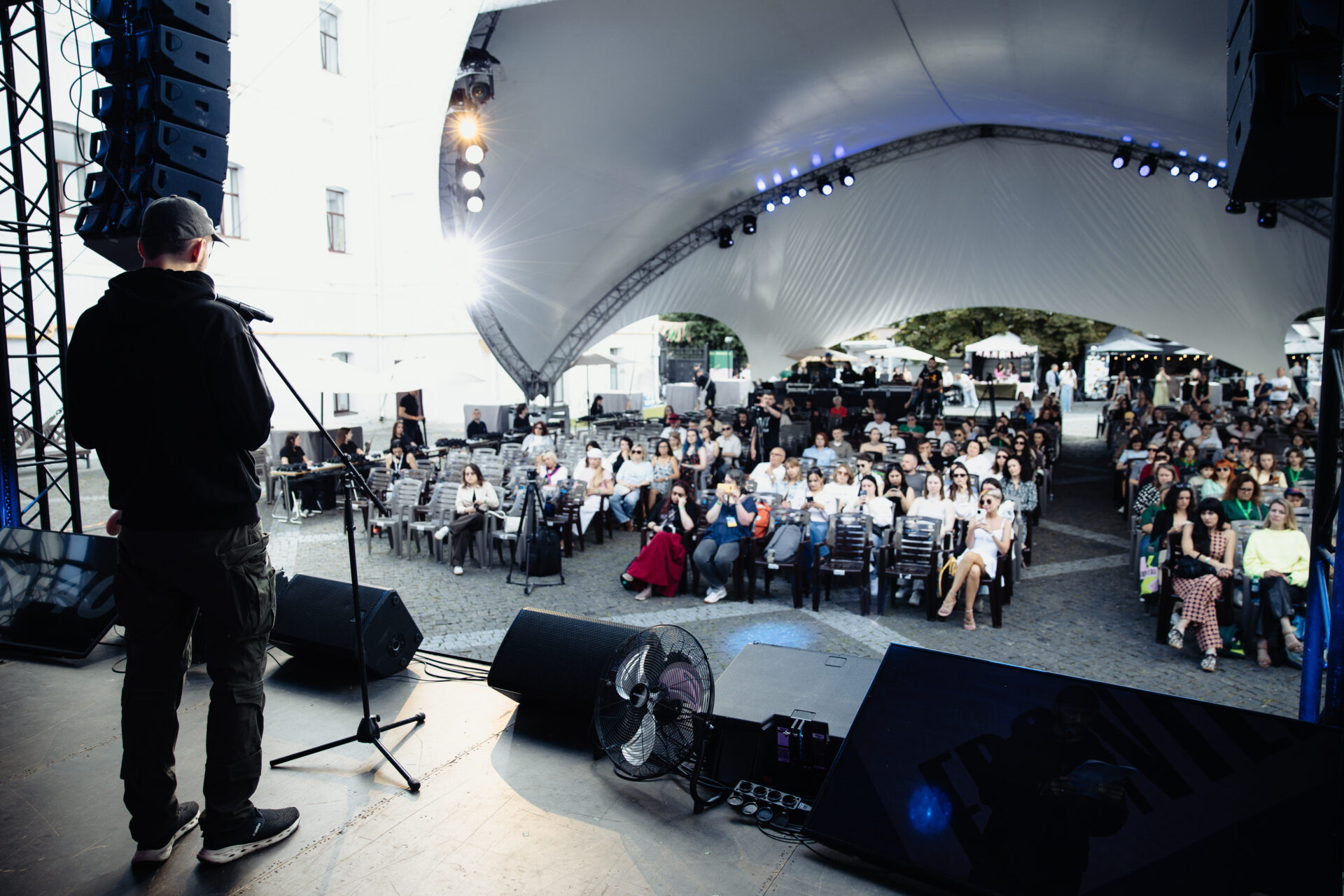
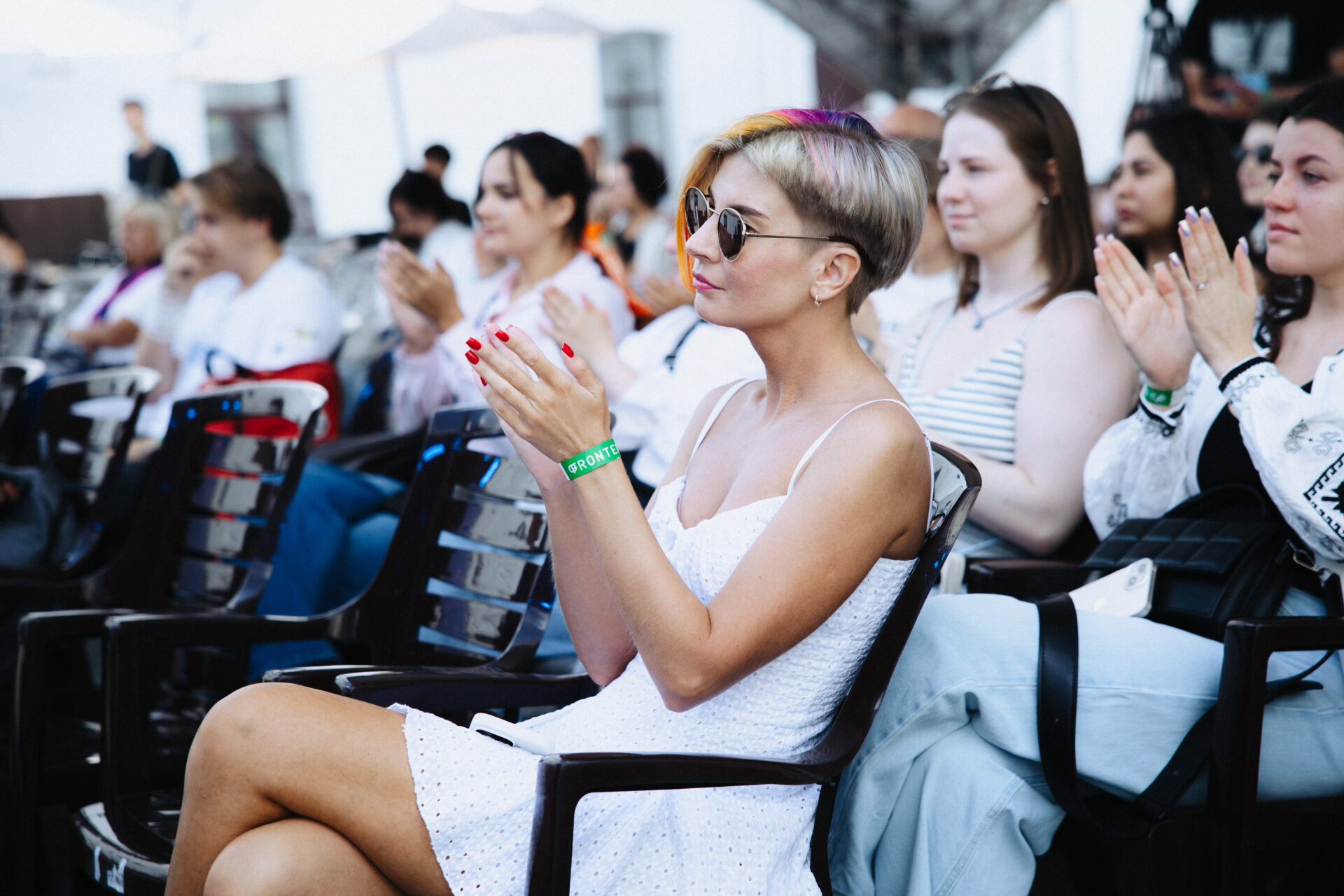
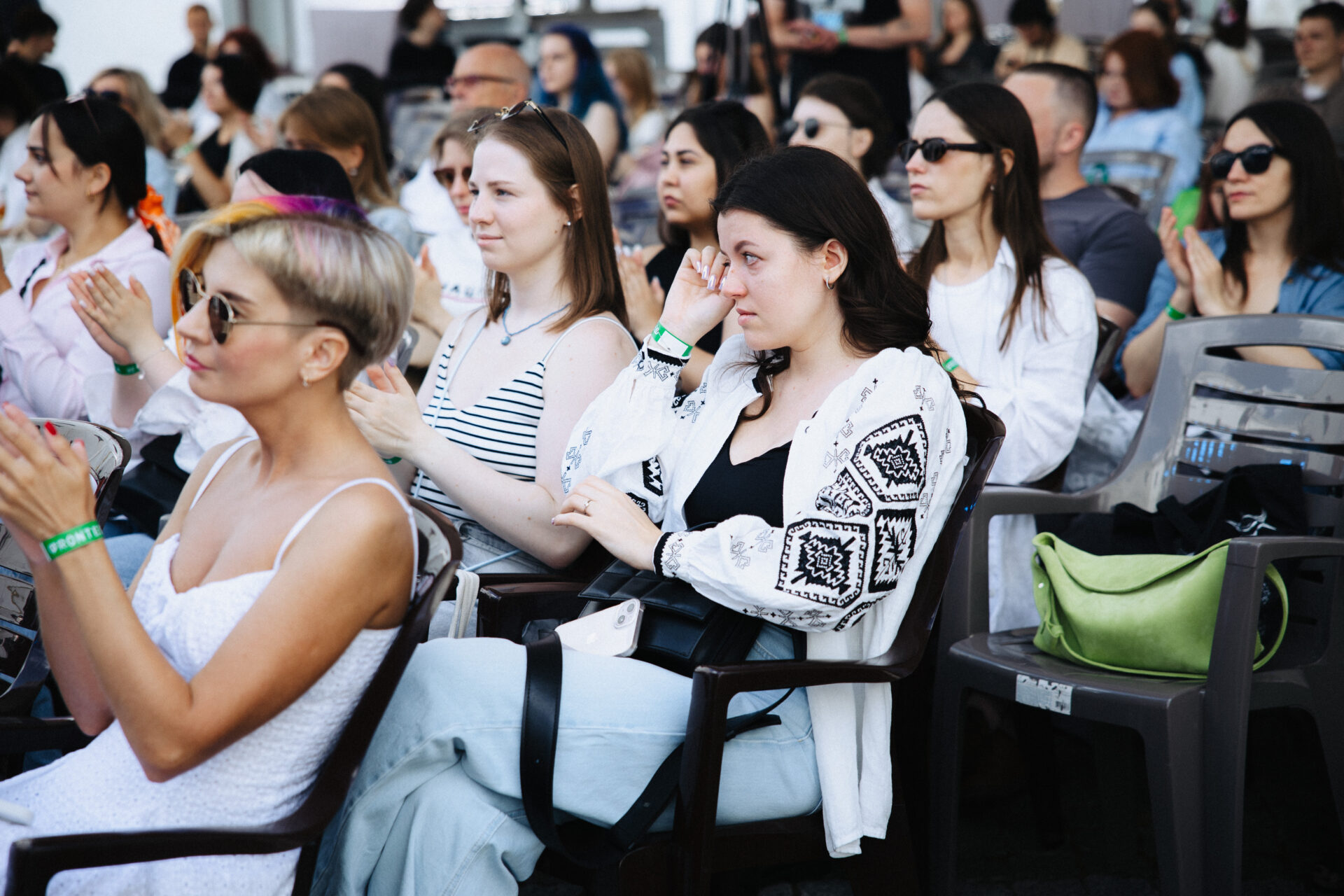
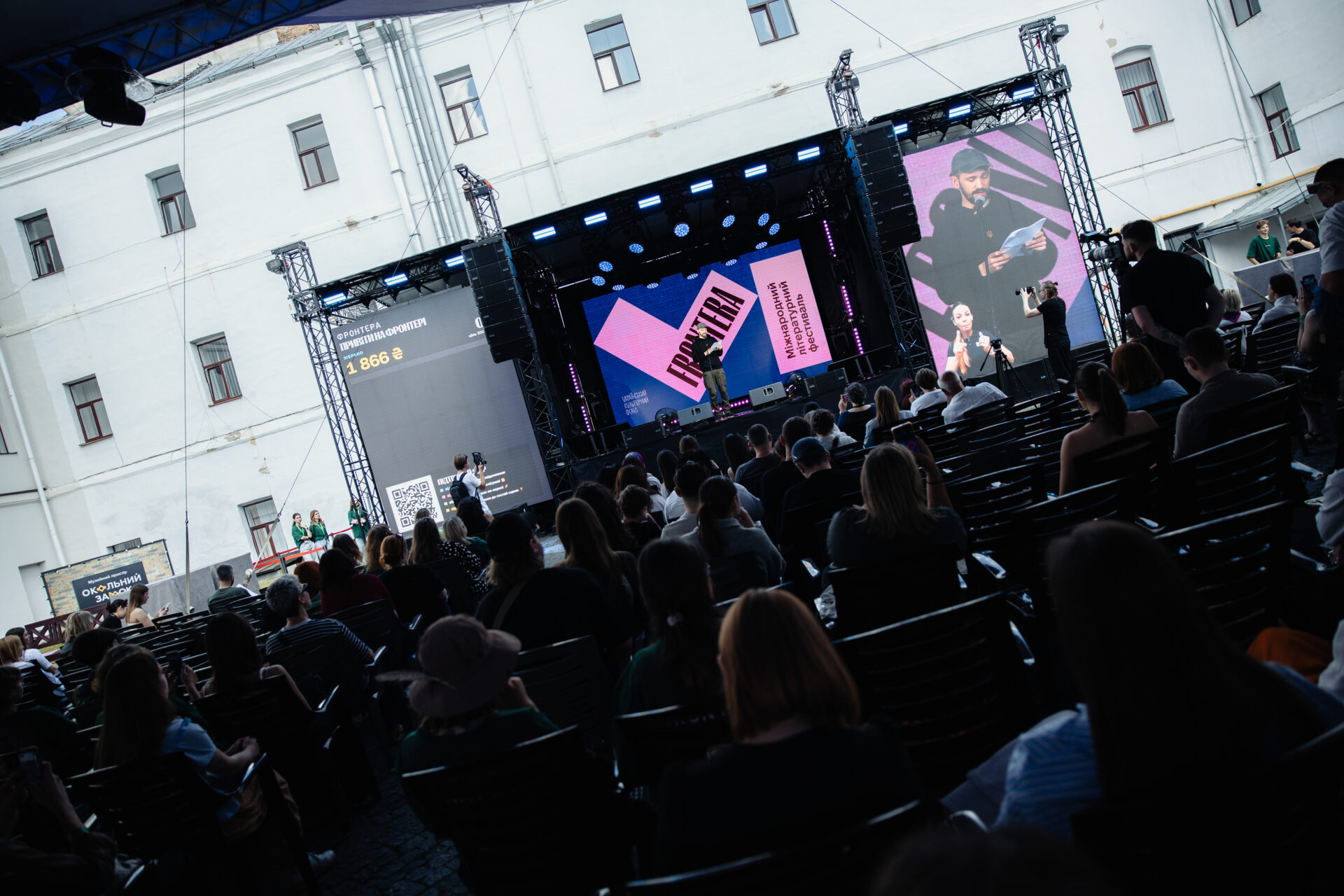
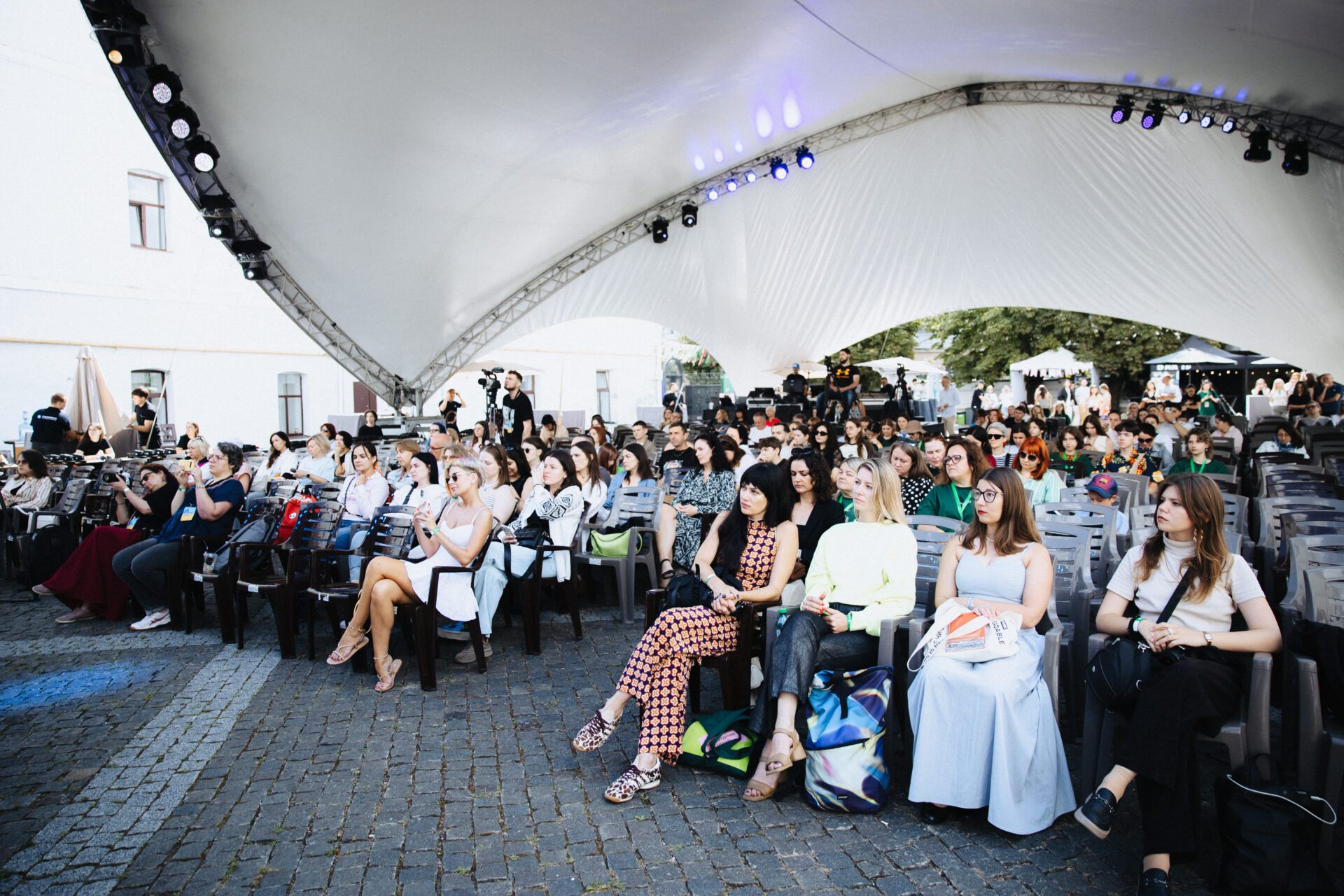
The Frontera festival took place in Lutsk, a city in northwestern Ukraine, on July 25-26, 2026, bringing together literature, music, stand-up comedy, media, and diplomacy. The festival offered its attendees discussions, poetry readings, concerts, a children’s program, and various activities. This year’s theme, “The Limits of Involvement,” explored what it means to choose not to stand on the sidelines and the sense of community that becomes a source of support for each of us.
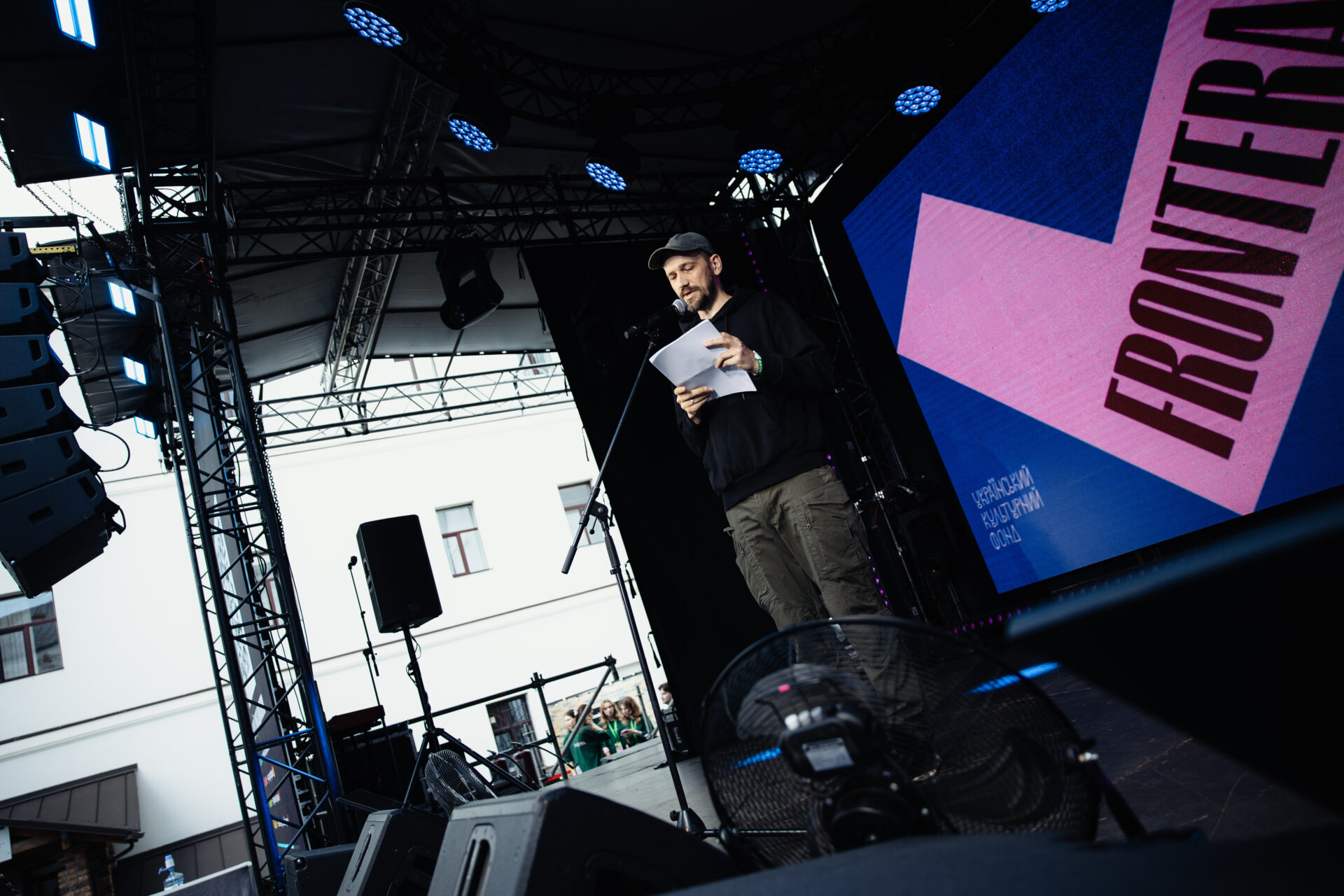
At the festival’s opening ceremony, Chytomo recited a speech delivered by soldier and writer Valeriy Puzik.
I started writing this text sitting in a hole at the Balka position near the village of Stepove in the Zaporizhzhia Oblast in early December 2025.
6th company, 2nd battalion, 128th mountain assault brigade.
We are in infantry.
Russians are ahead, and their bodies lie all around the position.
Cats, dogs, and other animals come to the tree line gnawing at the flesh. They drag their severed arms and legs out into the field; foxes rummage through the entrails.
We watch this through night-vision goggles with no emotion whatsoever.
++
Before heading out to my position, I stopped by a store and bought a notebook and six pens. I knew I’d be writing. In fact, I’ll keep writing no matter what.
I always write down who to send it to — my wife, Iryna Pancheva — on the first page. I tell my comrades: “If my life ends here, take it and send, the address is written down here.
This notebook is for poetry and notes.
I’ve had this habit since the ATO (as the 2014 pro-Russian unrest in Ukraine escalated with the arrival of armed militias, the Ukrainian government declared the start of ATO — an Anti-Terrorist Operation — marking the beginning of the war in Donbas).
++
Text is memory for me,
it is a way to capture a new reality,
a means of preserving names and call signs.
Literature is thinking,
air,
the code of a nation,
an element of DNA.
Every single text about the Russo-Ukrainian war is important.
Every single voice is important,
and we need to learn to listen to these voices.
Who else, if not us, is responsible for our present and future?
Who else, if not us, will preserve every word and every name?
Who else, if not us, will preserve the memory of the days of national liberation struggle?
++
I’m writing this sitting in a hole, a hole that was dug before we arrived and that we’re continuing to dig. I know that after us, others will come to dig it as well.
This work is hard, but whether Russians advance further into our sector depends on how well we do it.
We’re placing mines around the area.
We’re waiting for Russians, and we’re ready to eliminate them.
They’ll lie along the tree line and in the fields, waiting for the moment when Ukrainian soil swallows their bodies.
In a combat zone, there’s only one thing that matters, and that is carrying out the tasks we have. There is coordination of actions, and there is the path you follow. If you don’t kill the enemy, the enemy will kill you. That is what survival is based on. If one person withdraws, the defense will collapse. We are part of an organism. We are the hand that clenches its fingers to form a fist.
++
Culture during wartime is of strategic importance, and it shapes one’s spirit and character.
Literature, movies, theater, music, and the visual arts are not soft power. They are full-fledged weapons and instruments of influence where form, content, and experience are of crucial importance.
Culture is undoubtedly the foundation of the future. It is not a mirror of society, but a hammer that forges a new reality.
We live in a time when speed and a timely response are essential for survival. War is not about words — it is about actions; it is a time of difficult decisions and difficult topics.
I often hear that theaters are reluctant to include plays about war in their repertoires not to traumatize their audiences;
during the first phase of the current Russian-Ukrainian war, which, for some reason, was called an “anti-terrorist operation,” literary scholars said that it was not the time to write about war;
until 2022, publishers were reluctant to consider texts by veterans, citing a lack of commercial viability and lack of interest in the topic. Put simply, as one person said: “It doesn’t sell”;
I often hear that it’s not worth making feature films while the war is still ongoing.
But I’ll say this: if we don’t do it now, the Russians will.
The war has lasted for over 10 years, and children who drew pictures for Ukrainian soldiers in 2014 are now defending Ukraine holding weapons in their hands. A new military culture is shaping the nation. This is the vision that the resistance is built upon; it is a shield, an antidote to indifference, if it comes to that.
We must not look away.
RELATED: Three writers in the war zone: ‘Three and a half years later, we are still here’
I’ll tell you about military literature:
about the new canon taking shape on our eyes. Honest texts that are born of blood and sweat. Painful, heart-wrenching stories transform the experiences of Ukrainian struggle and the experiences of waiting, loss, and remembrance of those who fell in this fight for independence.
Texts by Fedir Rudyi, Olena Herasymiuk, Yaryna Chornohuz, Borys Homeniuk, Taras Matviiv, Glib Babych, Ihor Mitrov, Maksym Kryvtsov, Eva Tur, Yelyzaveta Zharikova, Artur Dron, Alina Sarnatska, Illia Chernilevsky, and many others form the foundation for Ukrainian culture to be built for at least the next hundred years.
I’ve mentioned just a few. There are hundreds of names, and their number will grow with each passing year. This is the literature of the Russian-Ukrainian war — a unique chronicle, if you will. A new myth in the history of Ukraine and its culture. A new compass to guide future generations.
That is why Ukraine should not limit itself to just three or five veterans known internationally.
If we want to win this war at every level — tactical, operational, and strategic — there needs to be more names representing Ukraine in Europe and around the world.
There are plenty of talented artists in the military. We just need to pay attention to them.
I am convinced that literature written by the military can speak to the world with a strong, equal, and truthful voice. We don’t need to look for a Ukrainian “better” version of Erich Maria Remarque, Ernest Hemingway, or anyone else. We don’t need to invoke their names. That’s an inferiority complex. It diminishes the work of Ukrainian authors who have been defending our country for more than a decade. It diminishes the work of artists who died for Ukraine’s future. We have enough voices of our own. We simply need to learn to say their names loudly and with pride. We shouldn’t whine, lobby for personal interests, or follow trends. We should work to strengthen Ukrainian narratives around the world with honest and truthful texts. They often cause pain, but that pain shouldn’t scare us away.
++
Culture is a vital element of Ukraine’s victory.
Culture is the answer to the questions: Who are we, and where do we come from? What are we fighting for, and where are we headed?
Culture is a vision of the future,
the bedrock upon which a nation is built,
the foundation upon which our children and grandchildren will stand as they learn to walk and speak.
Culture is the answer to the question: Who were we?
And:
Whether we have done enough to ensure that the generations that follow us will speak the Ukrainian language?
++
Ukrainian sky, earth, water, and air, I entrust to you my life, my spirit, and my body.
With love in my heart.
Glory to Ukraine!
December 8-19, 2025
RELATED: The war is already speaking: books about war, published after Feb. 24
Photo credit: Shavlovska Tetyana
Translation: Iryna Savyuk
Copy editing: Terra King
Читомо» — це медіа про книжки й літературу, що підтримувало українське книговидання задовго до того, як це стало трендом. Ставайте частиною історії — доєднуйтеся до Клубу Читомо!
the more you read, the greater the possibilities