* ESC - close the search window
children literature
Children’s book print volume in Estonia falls by more than a fifth in 2025
24.08.2026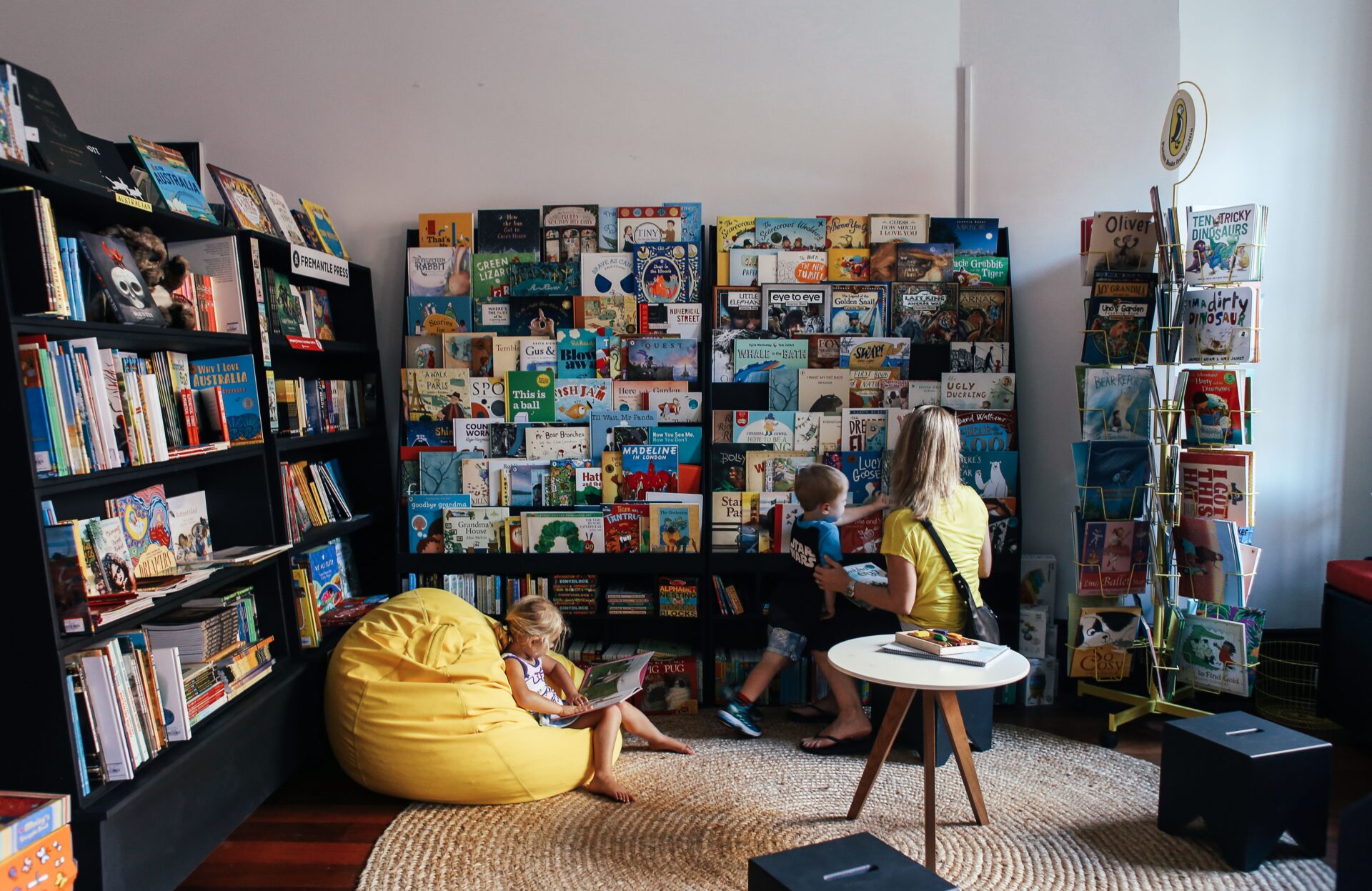
The number of copies of children’s books printed in Estonia fell by more than a fifth in 2025, according to the latest data from Statistics Estonia.
Publishers produced 0.7 million copies of children’s books during the year, down from 0.9 million in 2024. The figure was also below the 1 million copies recorded in 2022, although it remained above the 0.4 million recorded in 2023.
The decline in children’s book print volume came as Estonia’s overall production of printed books also fell. A total of 1.976 million copies of printed books were produced in 2025, down 6.5% from the previous year.
The number of printed book titles decreased as well. Estonia published 2,883 printed titles in 2025, compared with 3,098 in 2024 and 3,169 in 2023.
The number of e-book titles fell from 2,349 in 2024 to 1,901 in 2025. Statistics Estonia also recorded 1,507 Estonian-language e-books in 2025, a decline of 12.8%, while the number of original works in Estonian fell by 6.8% to 1,273.
The children’s book figures form part of a longer pattern of fluctuations in print runs. Estonia produced around 1.2 million copies of children’s books annually in 2016 and 2017, before the figure fell to 0.9 million in both 2018 and 2019. It rose to 1 million in 2020, dropped to 0.5 million in 2021, recovered to 1 million in 2022, and then declined to 0.4 million in 2023.
The Estonian Children’s Literature Centre said that more than 700 children’s and young adult books were published in 2025. A year earlier, experts selected the best works from more than 800 titles published in 2024.
The figures also come amid discussion about the availability of original Estonian literature for younger readers.
As reported earlier, the 2025 Kultuurkapital Literary Awards named Hugo Vaher’s “Nutivaba” (“Without a Smartphone”) the year’s best children’s book. Mari Niitra, chair of the children’s literature jury, noted that Estonia had long faced concerns about a shortage of original literature aimed at teenagers, making the emergence of a work specifically written for that readership particularly significant.

Libraries remain another important part of Estonia’s reading ecosystem. As reported earlier, 4,051,004 loans were electronically registered in Estonian public libraries in 2025. The country’s Authors’ Compensation Fund distributed more than 1.4 million euros in public lending compensation to writers, translators, illustrators, and other rights holders based on those loans.
At the same time, the Estonian Librarians Association has warned that public libraries are struggling to purchase enough new material. State support for library acquisitions has remained at 1.9 million euros for five years despite rising book prices, while municipal funding varies between regions.
Main image: pexels
Читомо» — це медіа про книжки й літературу, що підтримувало українське книговидання задовго до того, як це стало трендом. Ставайте частиною історії — доєднуйтеся до Клубу Читомо!
the more you read, the greater the possibilities
70
books for libraries
Nearly half of Estonian-speaking readers skip buying books because of high prices
22.07.2026 -
69
children
French children and teens spend 10 times more time on screens than reading books, CNL study finds
08.07.2026 -