* ESC - close the search window
Drahomán Prize
The Drahomán Prize announced its 2025 winner
29.05.2026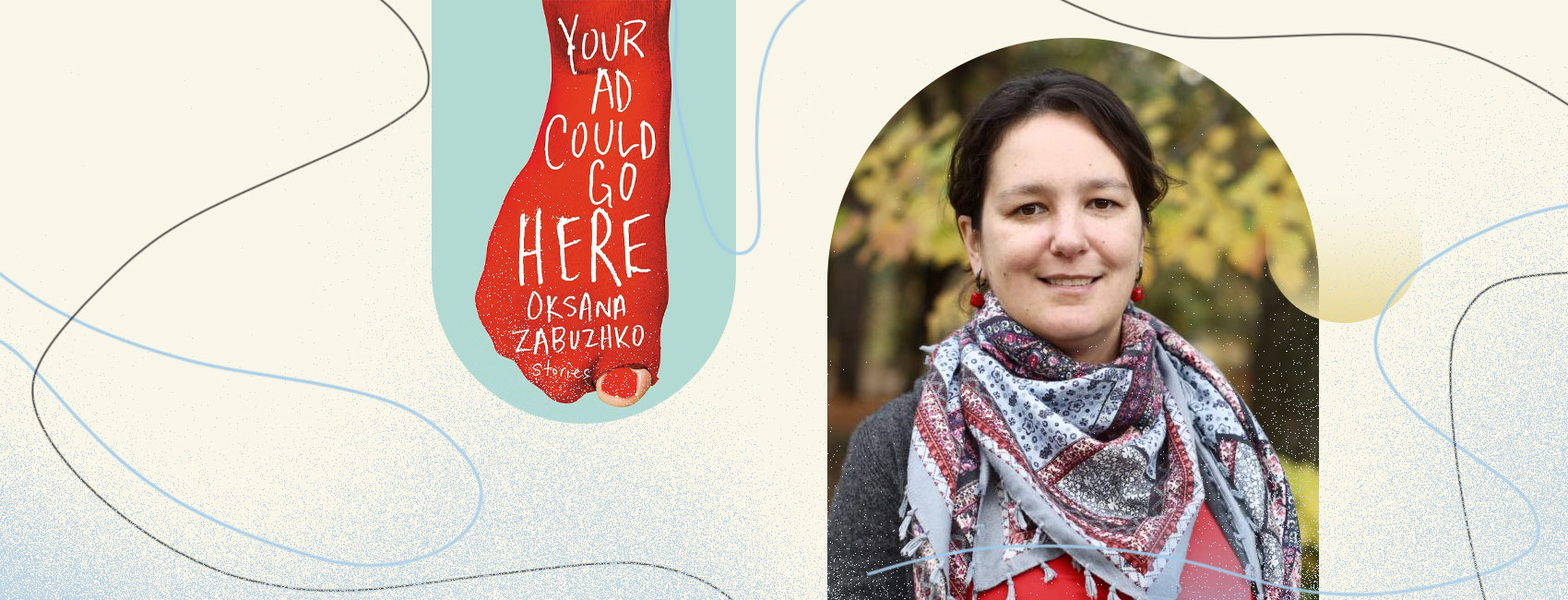

You see an error in the text - select the fragment and press Ctrl + Enter
The Drahomán Prize, which recognizes translators of books from Ukrainian into other languages, has named Nina Murray as its 2025 winner. The announcement was made during the award ceremony at the Book Arsenal, where a Chytomo correspondent was present.
Murray was honored for her English translation of “Cassandra” (HURI Books, 2024), a play by Ukrainian poet Lesia Ukrayinka. The book’s foreword was written by Marko Pavlyshyn.
The translation of Ukrainka’s dramatic work served as the basis for the first professional production of the work in the United Kingdom. The production premiered in London and later toured Oxford and Cambridge, as well as the United States.
“Today, at this event and at other gatherings, it has already been noted that translation is not a mechanical act of transferring text from one language to another. It is a far more complex process involving the text, the context and the translator’s experience. It is important for translators of Ukrainian literature to have personal experience living in Ukraine, engaging with Ukrainians and understanding the reality the country is currently facing. This becomes an important part of translation, and it is what enriches the text with additional meanings,” said Volodymyr Sheiko, Director General of the Ukrainian Institute.
RELATED: Eero Balk Wins the Drahomán Prize 2024
Maksym Sytnikov, executive director of PEN Ukraine, noted that translators from Ukrainian often work with fewer resources and opportunities than translators from other languages.
“We must recognize their work and show how important they are to us, to Ukrainian culture and to Ukrainians,” Sytnikov said. “It is crucial especially now, when translation is not only a means of dialogue but also plays a vital social and national role. When a Ukrainian author is translated and published in another country, it provides an opportunity to bring the Ukrainian voice to new readers. We must value and support this. The least we can do for translators is to mention their names. Often, the translator remains behind the scenes, behind the text, less visible than the author,” said Sytnikov.
“All great literature is somewhat like speaking in different languages,” said poet Kateryna Kalytko in a speech prepared for the ceremony. “Poetry especially so. A living text always means more than can be conveyed through the language of rational explanation. There is always a pure sound to it, an indigenous rhythm, an incantation, something that cannot be fully translated even within the confines of a single language. But literature is also an electric discharge between the dark music of experience and the need to be understood. And this discharge passes through the translator every time.”
Mridula Ghosh, a human rights activist, expert in international relations and history, poet, translator and journalist from India and translator from Ukrainian into Bengali received a special award for her contribution to building a shared context between two distant cultures.
The 2025 Prize Jury included:
- Volodymyr Sheiko, Director General of the Ukrainian Institute;
- Volodymyr Yermolenko, writer, journalist, philosopher, and President of PEN Ukraine;
- Oleksandra Koval, Director of the Ukrainian Book Institute;
- Yaroslava Strikha, translator and literary scholar;
- Alla Tatarenko, translator and professor at Ivan Franko National University of Lviv;
- Eero Balk, translator from Ukrainian into Finnish, winner of the 2024 Drahomán Prize;
- Rory Finnin, American Ukrainian studies scholar and Head of the Ukrainian Studies Program at the University of Cambridge;
- Iryna Zabiaka, translator and literary scholar;
- Sofiia Onufriv, translator and cultural project manager.
The winner will receive a statuette by Ukrainian artist Anna Zvyagintseva, a EUR 3,000 cash prize and additional opportunities to create and promote her art.
Nina Murray was born in Lviv and graduated from the Ivan Franko National University of Lviv with a Master’s degree in linguistics and, almost by accident, creative writing. Murray’s translation of Lesia Ukrainka’s dramatic poem “Cassandra,” which became the basis for the work’s first professional production in the UK, occupies a special place in her translation work.
The Drahomán Prize was launched in 2020 by the Ukrainian Institute, PEN Ukraine, and the Ukrainian Book Institute to support and acknowledge translators from Ukrainian into world languages. It is awarded for its excellence in translation and contribution to the promotion of Ukrainian literature abroad.
RELATED: Nina Murray: Poetry in the US is read by academics and soldiers
Main image: Chytomo
Читомо» — це медіа про книжки й літературу, що підтримувало українське книговидання задовго до того, як це стало трендом. Ставайте частиною історії — доєднуйтеся до Клубу Читомо!
the more you read, the greater the possibilities